How Long Does a Heat Pump Installation Take?
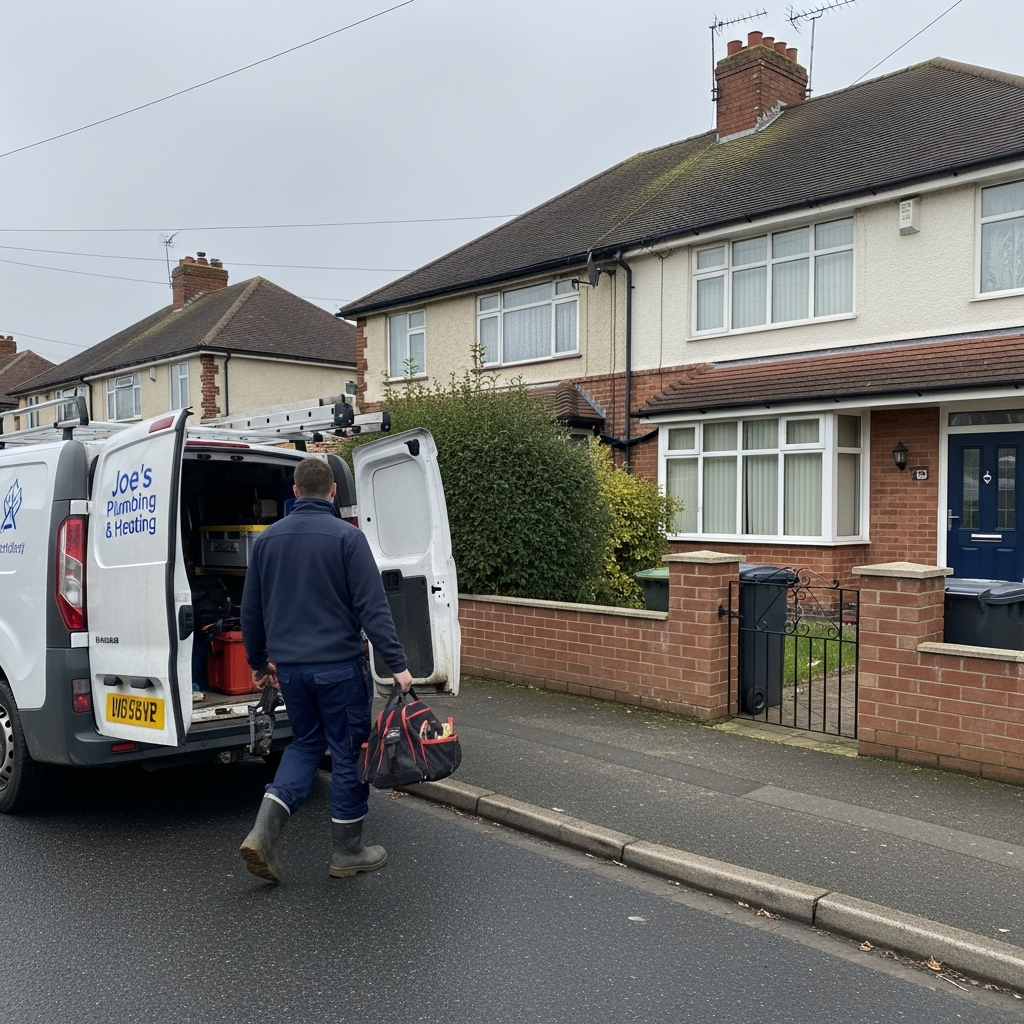
Two to four days for air source. One to two weeks for ground source. That is the short answer, and for most three-bedroom homes it holds true. But the real question is not just how many days the engineers are on site — it is how long the entire process takes from your first enquiry to flicking the switch on a fully commissioned system.
This guide breaks down exactly how long each stage takes, what factors can extend the timeline, and how to plan around the disruption so it causes as little inconvenience as possible.
Want to know your installation timeline?
Get free quotes from local installersMCS-certified installers will survey your home and give you an accurate timeframe.
Air Source Heat Pump: 2 to 4 Days
A standard air source heat pump installation in a typical three-bedroom semi-detached house takes two to four working days. Here is how that time breaks down:
Day 1: Removal and preparation (6-8 hours)
- Drain and disconnect the existing boiler
- Remove the old boiler, header tanks (if applicable), and any redundant pipework
- Prepare the outdoor base for the heat pump unit (concrete pad or pre-cast slab)
- Begin routing new pipework from the outdoor unit location to the indoor system
- Core-drill the external wall for pipe penetration
Day 2: Main installation (8-10 hours)
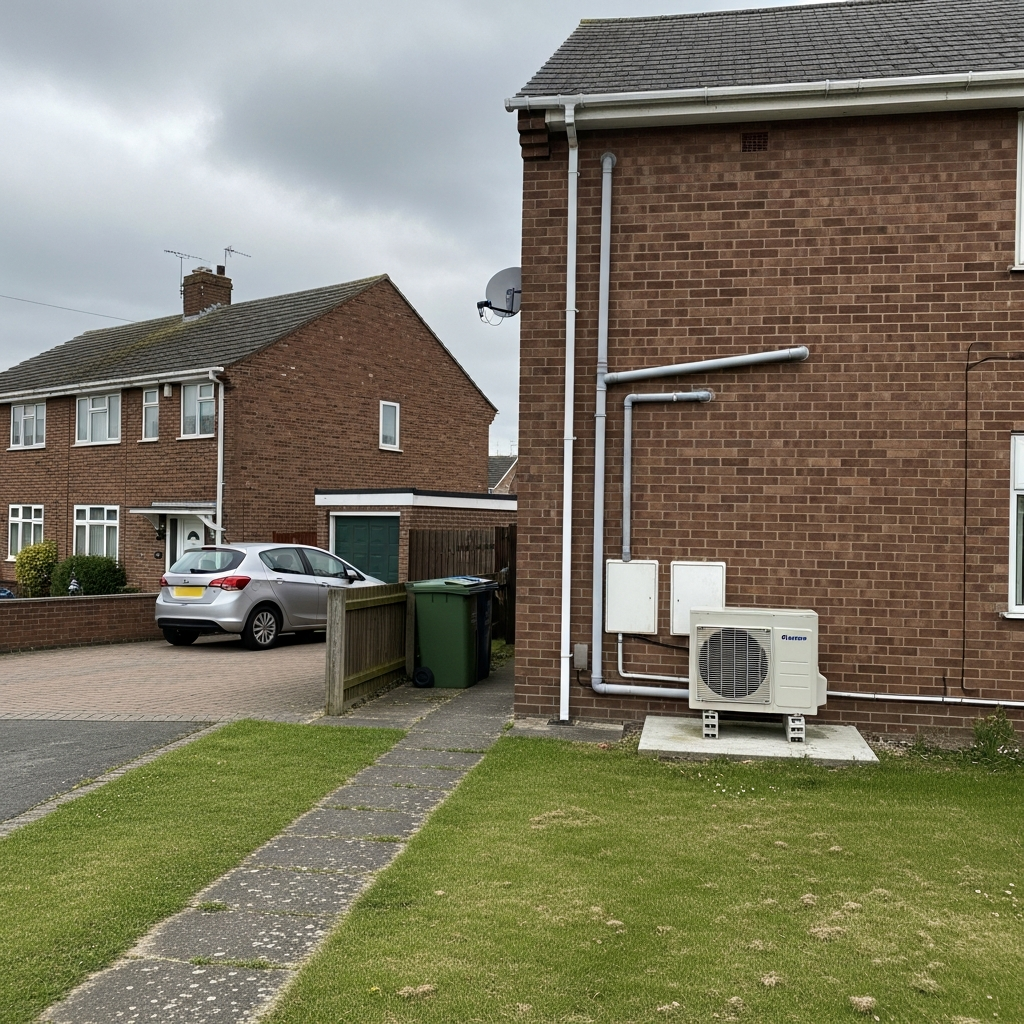
- Position and secure the outdoor heat pump unit on its base
- Install the hot water cylinder (if needed)
- Complete the pipework connections between outdoor and indoor units
- Insulate all pipework thoroughly
- Replace or upgrade any radiators that need upsizing
- Install new controls, thermostat, and weather compensation sensor
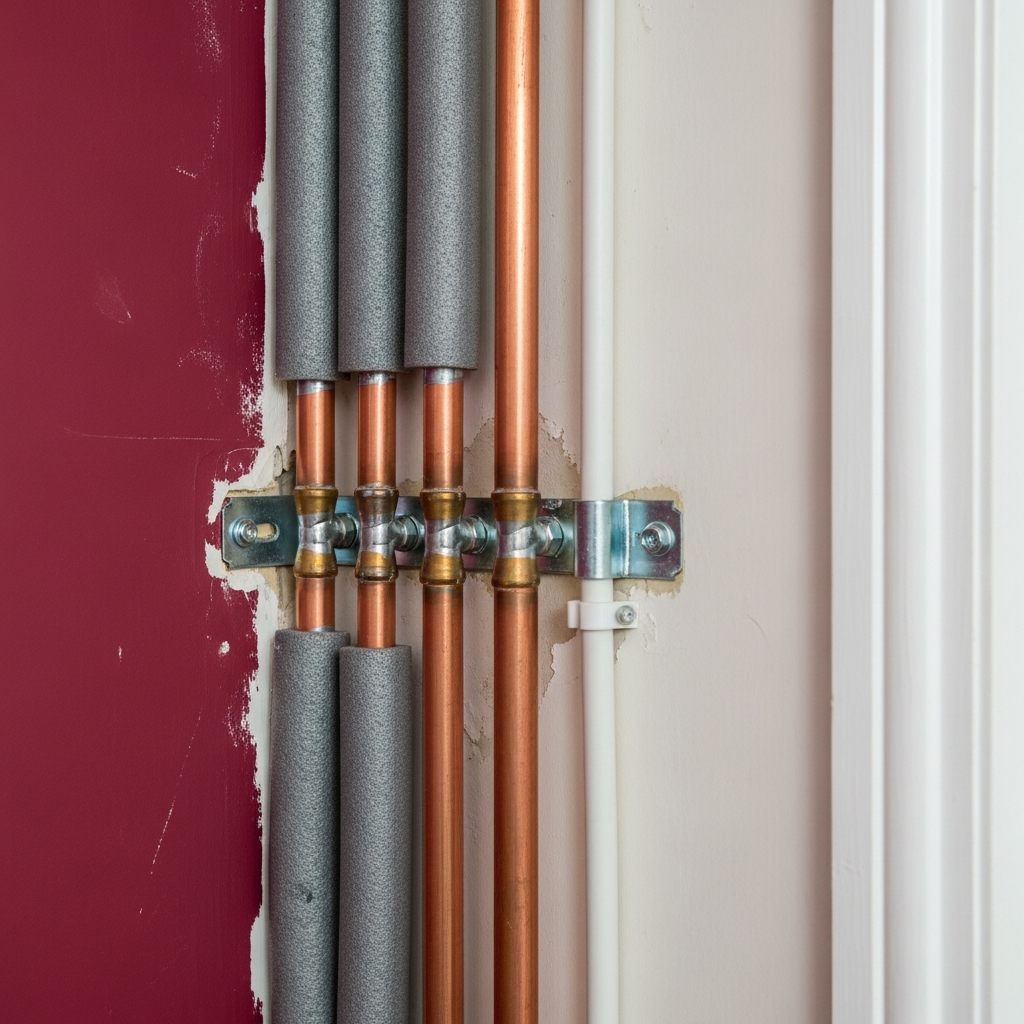
Day 3: Electrical work and commissioning (6-8 hours)
- Complete the electrical connection (dedicated circuit from consumer unit)
- Fill, pressurise, and leak-test the system
- Power on and run initial diagnostics
- Commission the system to MCS standards
- Programme controls and set up weather compensation
- Handover to homeowner with full documentation
Day 4 (if needed): Finishing touches
More complex installations may spill into a fourth day. This is common when radiator upgrades are extensive, pipework routing is complicated, or the electrical supply needs upgrading. Some installers prefer to commission on a separate day to allow the system to settle.
Ground Source Heat Pump: 1 to 2 Weeks
Ground source installations take significantly longer because of the ground works required. The indoor installation is similar to an air source system, but the ground loop adds substantial time.
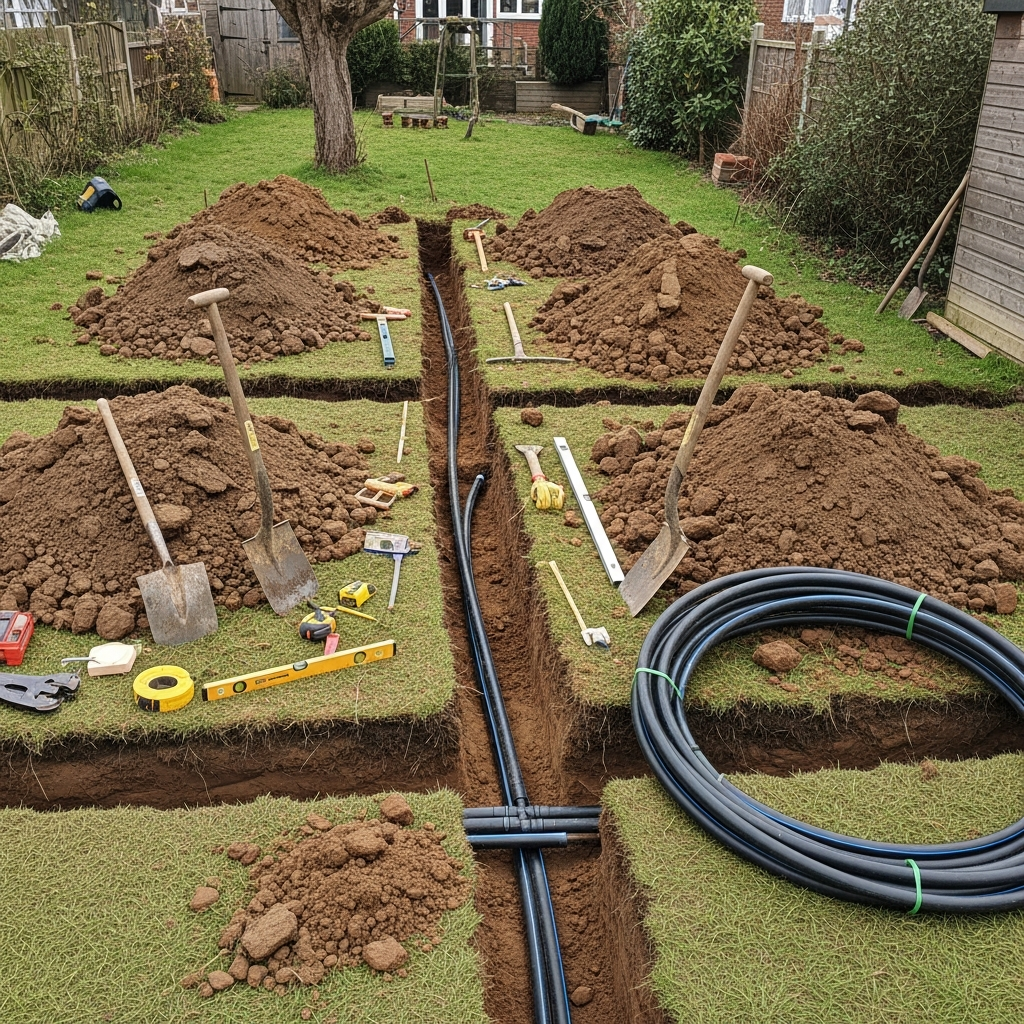
Horizontal ground loop: 3 to 5 additional days
A digger excavates trenches across your garden, typically 1 to 1.5 metres deep and covering 200 to 400 square metres of ground. The loop pipework is laid in the trenches and backfilled. This requires good weather and dry ground — wet conditions can cause delays.
Vertical borehole: 2 to 4 additional days
A specialist drilling rig bores one or more holes 75 to 200 metres deep. This is quicker than horizontal trenching and requires less garden space, but the drilling equipment is large and noisy. Access to your garden for the rig needs to be considered early in the planning stage.
Total timeline for ground source
| Stage | Horizontal loop | Vertical borehole |
|---|---|---|
| Ground works | 3-5 days | 2-4 days |
| Indoor installation | 2-4 days | 2-4 days |
| Commissioning | 1 day | 1 day |
| Total | 6-10 days | 5-9 days |
Factors That Extend Installation Time
Several things can push your installation beyond the standard timeframe:
Property size and complexity
A one-bedroom flat may take just a day and a half. A four-bedroom detached house with multiple heating zones could take five days. Larger homes mean more pipework, more radiators to check or upgrade, and a bigger system to commission.
Radiator upgrades
If several radiators need replacing with larger units (because heat pumps run at lower flow temperatures than boilers), this adds time. Swapping four or five radiators might add half a day. Replacing ten or more could add a full day. Read more about whether you need new radiators.
Pipework complications
If the route from the outdoor unit to the indoor system is long or awkward — running through a garage, under floorboards, or through multiple walls — pipework takes longer. Houses where the boiler is on the opposite side from where the heat pump needs to sit are particularly affected.
Electrical supply upgrades
If your consumer unit needs upgrading, or if a new electrical supply is required (rare but possible for larger systems), the electrical work could add an extra day. This is usually identified during the survey so you will know in advance.
Cylinder installation from scratch
If you currently have a combi boiler and no hot water cylinder, installing one adds time. The cylinder needs a suitable location, pipework connections, and possibly a new immersion heater backup. This typically adds three to five hours to the installation.
Access difficulties and weather
Narrow side passages, steep gardens, or restricted parking can all slow things down. Heavy rain or very cold conditions can slow outdoor progress or force delays — more of a factor for ground source installations.
Get an accurate installation timeline for your home
Use the free calculatorPersonalised estimates based on your property type and size.
The Full Timeline: Survey to Switch-On
The physical installation is just part of the overall timeline. Here is the complete picture from first contact to having a working heat pump:
Total from first enquiry to working system: typically 8 to 20 weeks. If you want your heat pump installed before winter, start the process in spring. Homeowners who are also considering solar panels often coordinate both installations to minimise overall disruption.
How to Minimise Installation Time
You cannot rush a proper installation, but you can avoid unnecessary delays:
- Clear the work areas in advance: Move furniture away from radiators, clear the outdoor installation area, and ensure good access throughout the house
- Have your EPC ready: If you need an Energy Performance Certificate for the BUS grant, get it done early
- Respond quickly to your installer: When they need decisions or information, prompt replies keep things moving
- Book well ahead: Good MCS-certified installers are busy. Booking 8 to 12 weeks ahead gives you more choice of dates
- Consider timing: Spring and early summer installations tend to have shorter lead times than autumn, when everyone rushes to get heat pumps in before winter
For a complete preparation guide, see our installation checklist.
Can You Stay in Your Home During Installation?
Yes — most homeowners stay in their home throughout the installation. The main inconvenience is temporary loss of heating and hot water, typically from day one (when the old boiler is removed) until day three or four (when the new system is commissioned). An electric shower will still work, and electric heaters can keep things comfortable.
Read our full guide on what disruption to expect for practical tips on managing the installation period.
Frequently Asked Questions
Can a heat pump be installed in one day?
In theory, a very small air source system in a well-prepared home could be installed in a single long day. In practice, two days is the realistic minimum for a proper installation with full commissioning. Be wary of anyone promising a one-day installation for a standard home.
Why do some installers quote longer than others?
Differences in team size, approach, and thoroughness. A two-person team may take four days where a three-person team takes three. Longer quotes are not necessarily worse — they may indicate more attention to detail during commissioning.
Does the time of year affect installation time?
The physical work takes roughly the same time year-round, but winter installations carry more risk of weather delays for outdoor work. Scheduling is also tighter in autumn when demand peaks.
How long will I be without heating and hot water?
Typically two to three days from when the old boiler is disconnected to when the new system is commissioned. Some installers can minimise this by doing preparatory work before disconnecting the old system.
What if the installation takes longer than expected?
Good installers will warn you if complications arise. Extra time is usually charged at the agreed daily rate, but this should be discussed upfront. Ask about this when comparing quotes.
Is a ground source installation worth the extra time?
Ground source heat pumps are more efficient than air source, especially in very cold weather, and they are silent in operation. Whether the extra installation time and cost is worthwhile depends on your priorities and budget. See our complete installation guide for a full comparison.
Planning your installation timeline?
Get free quotes from MCS-certified installersCompare quotes, timelines, and approaches from up to 3 local installers.
Understanding Heat Pump Installation Timelines
Heat pump installation timelines vary by system type, property size, and installer capacity. Air source heat pumps are the most popular choice in the UK due to their shorter installation time and lower cost. Ground source systems offer higher efficiency but require additional ground works. The Boiler Upgrade Scheme grant covers both types, and all installations must meet MCS standards. Combining a heat pump with solar panels can maximise energy savings, with many homeowners scheduling both installations in the same period to reduce disruption.