Home Heat Pump Guide

Heat Pump Pipework: What's Involved?
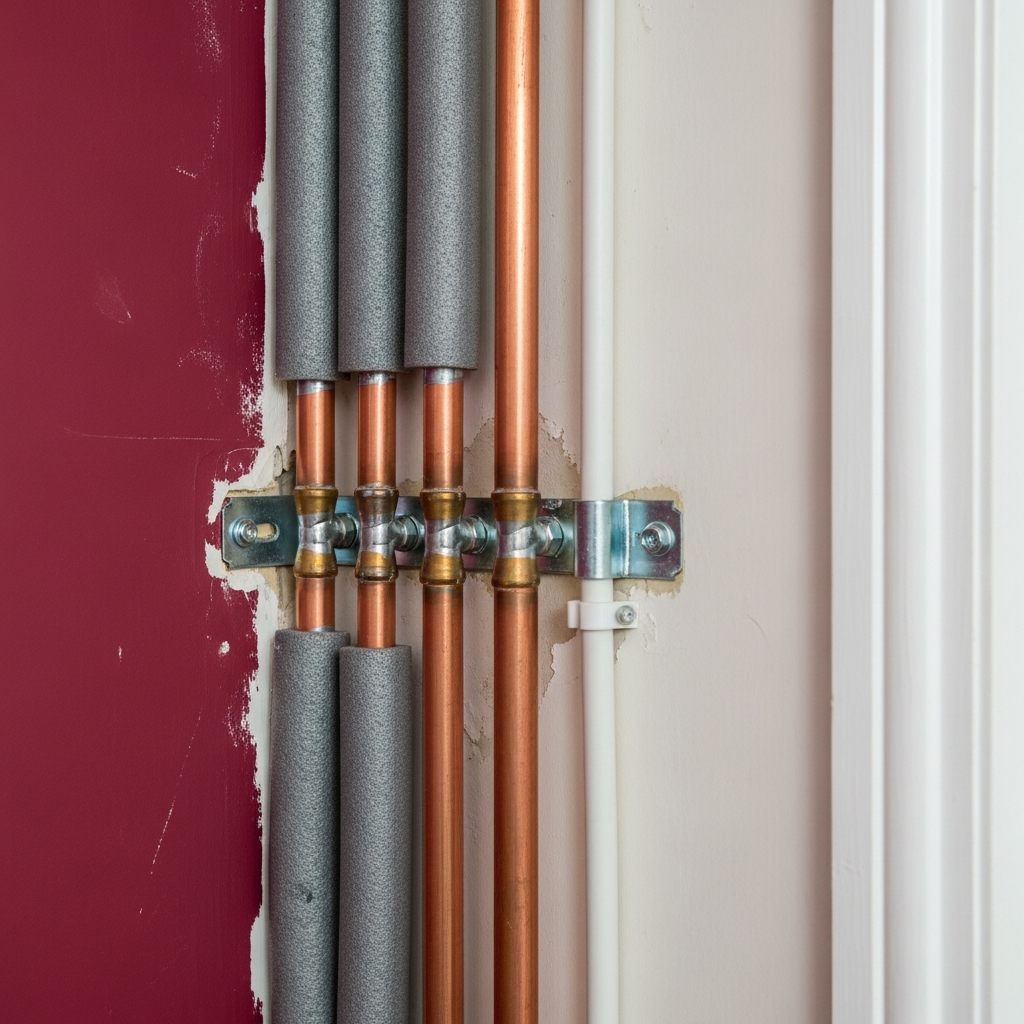
Pipework is one of those aspects of a heat pump installation that homeowners rarely think about until they see copper pipes being run through their home. But the pipework connecting your outdoor heat pump unit to your indoor heating system is a critical part of the installation — done well, it ensures efficient heat delivery and a tidy finish. Done badly, it wastes energy and looks terrible.

This guide explains what pipework a heat pump installation involves, what materials are used, how the pipes are routed, why insulation matters so much, and what it typically costs.

What Pipework Does a Heat Pump Need?

A heat pump installation involves several distinct pipework circuits. Understanding each one helps you appreciate what the installers are doing and why.

1. Flow and return pipes (outdoor to indoor)

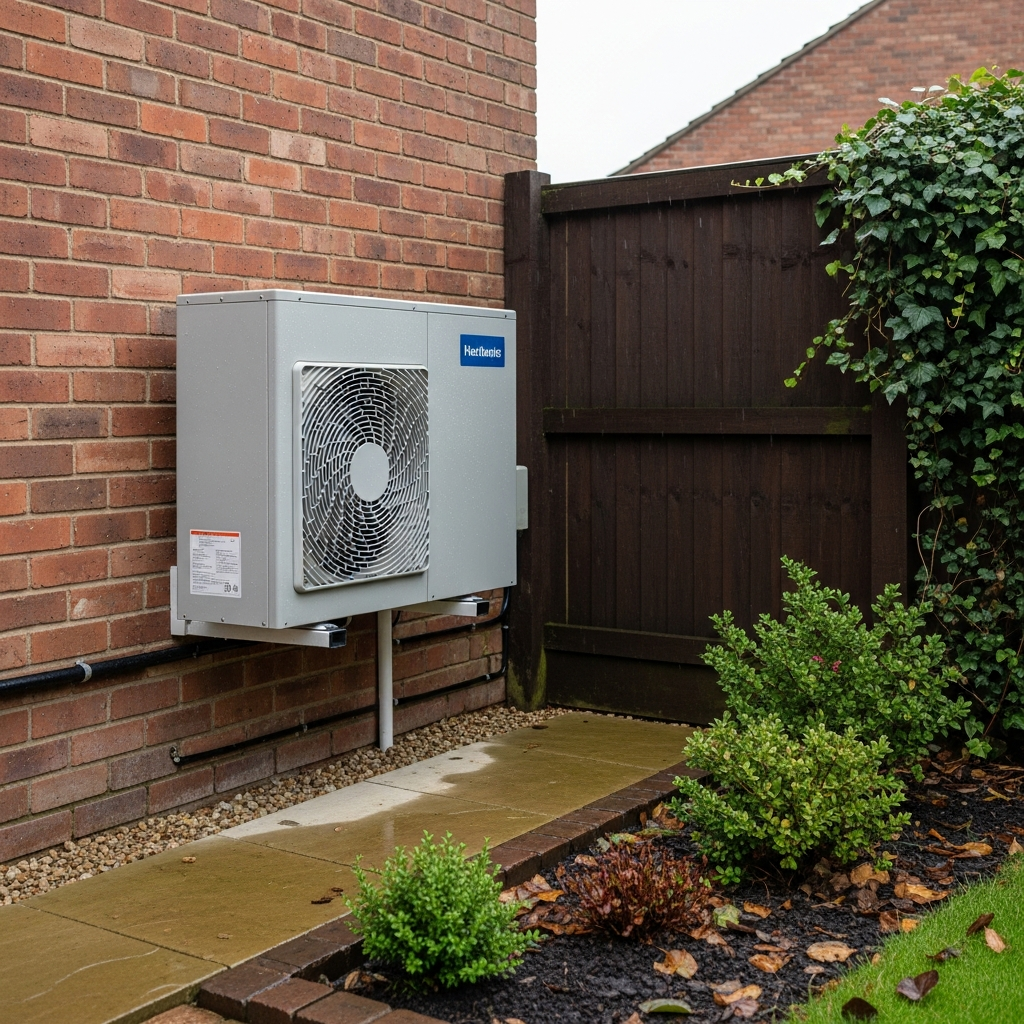
These are the main pipes that connect the outdoor heat pump unit to the indoor system. In a monobloc system (the most common type in the UK), these carry water — heated by the heat pump — from the outdoor unit through the external wall to the indoor heating circuit.

Typically 22mm or 28mm copper pipe, these are the most visible part of the pipework and the part that requires the wall penetration (the "hole in the wall" that features in every installation disruption discussion).

2. Heating circuit pipework

This connects the heat pump (via the indoor components) to your radiators or underfloor heating. In most retrofit installations, the existing heating circuit pipework from the old boiler system is reused. The pipes that ran from your boiler to your radiators are simply connected to the heat pump's indoor unit instead.

However, some modifications are often needed:

  • Rerouting pipes to reach the new indoor unit location (which may differ from where the old boiler was)
  • Upgrading pipe sizes if the existing pipework is too narrow for efficient heat pump flow rates
  • Adding new pipework to serve upgraded or additional radiators

3. Hot water cylinder pipework

Pipes connecting the heat pump to the hot water cylinder. These carry heated water to the cylinder's internal coil, which transfers the heat to the stored domestic hot water. Additional pipework connects the cylinder to the cold water mains and to the hot water outlets throughout the house.

4. Condensate drain

Air source heat pumps produce condensation as they extract heat from the air — similar to how a cold drink glass sweats on a warm day. This condensate needs to drain away. A small-bore plastic pipe (typically 22mm) runs from the base of the outdoor unit to a drain, soakaway, or suitable discharge point.

5. Expansion vessel and safety valve pipework

The expansion vessel accommodates the increase in water volume as the system heats up. The temperature and pressure relief valve provides a safety outlet if system pressure exceeds safe limits. Both need small-bore pipework connections — the relief valve must discharge to a visible, external point.

Pipe Materials

Copper

Copper is the standard material for heat pump pipework in the UK. It is durable, easy to work with, resistant to corrosion, and has excellent heat transfer properties. Most of the pipework in your installation will be copper.

Joints are made using either soldered fittings (the traditional method, using a gas torch) or press fittings (a modern method using a mechanical press tool that crimps the fitting onto the pipe). Press fittings are quicker and produce no heat — meaning less fire risk during installation.

Plastic (for specific applications)

Plastic pipe (typically polybutylene or cross-linked polyethylene) may be used for:

  • The condensate drain from the outdoor unit
  • Underfloor heating circuits (if underfloor heating is being installed or extended)
  • Ground source heat pump ground loops (buried in the garden)

Plastic is not typically used for the main flow and return between the outdoor unit and the indoor system — copper is preferred for its durability and thermal properties.

Pipe sizes

  • 22mm: Common for the flow and return between outdoor unit and indoor system on smaller heat pumps (up to about 8kW)
  • 28mm: Used for larger heat pumps or longer pipe runs to reduce flow resistance
  • 15mm: Used for smaller branch connections, radiator tails, and some internal connections
  • 22mm plastic: For the condensate drain

The Wall Penetration

The most visible (and audible) part of the pipework installation is the wall penetration — the hole drilled through your external wall to route the flow and return pipes from the outdoor unit to the indoor system.

How it is done

A core drill cuts a circular hole, typically 60 to 80mm in diameter, through the full thickness of the external wall. For a standard cavity wall, this means drilling through the outer brick leaf, the cavity, and the inner blockwork leaf — about 300mm in total.

This is the noisiest part of the entire installation, lasting 15 to 30 minutes. The drill produces brick dust, which is managed with dust sheets and vacuum extraction. Once the hole is made, the pipes are routed through and the hole is sealed with fire-rated sealant and foam to prevent draughts, moisture, and fire spread through the wall cavity.

Where the penetration goes

Ideally, the wall penetration is positioned:

  • As close as possible to the outdoor unit location (shorter pipe runs = less heat loss)
  • At a height that allows the pipes to slope slightly towards the outdoor unit (for condensate drainage)
  • Away from windows and doors where it would be visually intrusive
  • In a location that allows a neat route to the indoor components

Your installer will plan the penetration location during the survey. If you have a preference for where it should go (or a strong preference for where it should not go), raise this early.

Why Pipe Insulation Matters

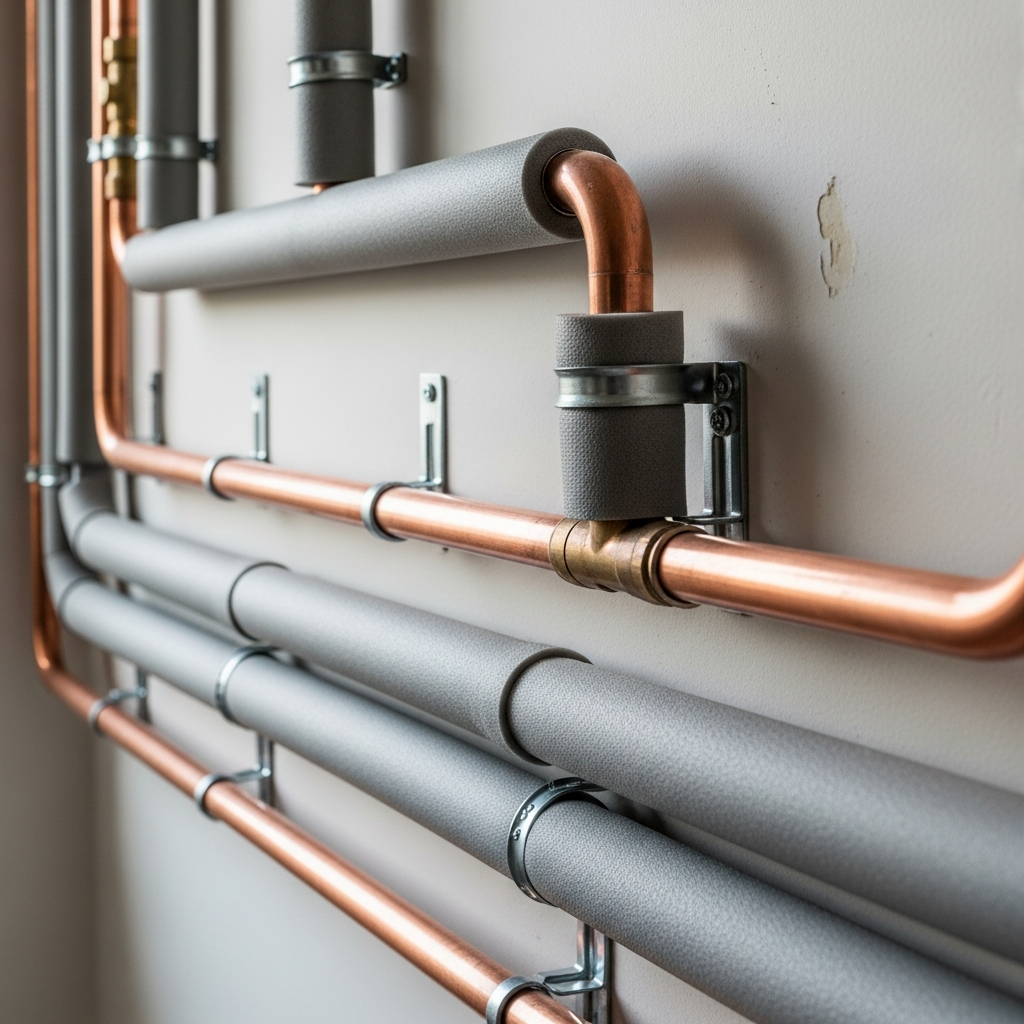
Pipe insulation is one of the most important yet least glamorous aspects of a heat pump installation. Every metre of uninsulated pipe between the outdoor unit and your heating system loses heat — and with a heat pump running at lower temperatures than a boiler, those losses are proportionally more significant.

What should be insulated

  • All external pipework: Any pipe that runs outside, through a wall, or in an unheated space (garage, loft) must be fully insulated
  • Flow and return between outdoor unit and indoor system: This is the most critical section and must use thick, closed-cell insulation rated for outdoor use
  • Hot water pipes from the cylinder: Insulating these reduces heat loss and means hot water arrives at your taps faster

Types of insulation

  • Closed-cell foam (e.g., Armaflex): The industry standard for heat pump pipework. It is UV-resistant (or should be covered if exposed to sunlight), waterproof, and provides excellent thermal performance. Thickness of 19mm to 25mm is typical
  • Standard pipe lagging: The grey foam tubes you see in DIY shops are not suitable for external heat pump pipework. They absorb water, degrade in sunlight, and provide inadequate insulation

What to check

After installation, visually inspect the pipework insulation:

  • Every pipe between the outdoor unit and the wall penetration should be fully covered — no gaps, no bare sections
  • Joints in the insulation should be sealed with adhesive or tape
  • The insulation should not be compressed or squashed (this reduces its effectiveness)
  • Where insulation enters the wall, it should be sealed to prevent water tracking along the pipe into the wall cavity

Poor insulation is one of the most common shortcuts in heat pump installations. It is cheap to do properly and expensive in wasted energy if done badly. Our installation checklist includes insulation checks.

Pipework Routing Options

How the pipes are routed through and around your home depends on the property layout. Common approaches:

Direct route through the wall

The simplest and most common approach. The outdoor unit is positioned on the same side of the house as the indoor components, and pipes pass directly through the nearest wall. This keeps pipe runs short, minimises heat loss, and is the neatest solution.

External pipe run along the wall

If the outdoor unit cannot be positioned directly adjacent to the indoor components, pipes may need to run along the outside of the house before entering through a wall penetration. External pipe runs must be fully insulated and may be covered with a trunking or conduit for protection and a tidy appearance.

Through the floor

In some properties — particularly bungalows or homes with suspended floors — pipes can be run under the floor. This hides the pipework completely but requires access to the underfloor space and careful routing around joists and other services.

Through the loft

If the indoor unit is in the loft or if pipes need to reach a first-floor location, routing through the loft is sometimes necessary. Pipes in the loft must be well insulated to cope with cold winter temperatures.

Pipe boxing and concealment

Internally, pipes can be concealed in several ways:

  • Pipe boxing: Timber or MDF covers painted to match the wall — the most common approach for exposed pipe runs
  • Chasing into walls: Cutting channels in the plaster and burying the pipes. Neater but more time-consuming and harder to access for future repairs
  • Running behind skirting boards or kitchen units: Using existing concealment opportunities

Pipework Costs

Pipework is included in your overall heat pump installation quote, but it helps to understand what the costs involve:

  • Copper pipe: £5 to £15 per metre depending on diameter
  • Fittings (bends, tees, valves): £2 to £20 each depending on type
  • Insulation: £5 to £10 per metre for closed-cell foam
  • Core drilling: £50 to £150 per hole (equipment hire and diamond core bit)
  • Labour: The largest component — pipework installation is skilled, time-consuming work

For a typical installation with a short, direct pipe run (2 to 3 metres from outdoor unit to indoor system), pipework materials and labour account for roughly £500 to £1,000 of the total installation cost. Longer or more complex routes increase this.

Existing Pipework: What Can Be Reused?

Your existing central heating pipework — the pipes running from the old boiler to each radiator — can usually be reused. This saves significant time and cost compared to a complete repipe.

However, your installer will check:

  • Pipe size: Heat pumps require adequate flow rates. If existing pipes are too narrow (common in older microbore systems with 8mm or 10mm pipes), they may need upgrading in some sections
  • Condition: Corroded or blocked pipes will need replacing. A system flush before the heat pump is connected helps remove sludge and debris
  • Layout: If the new indoor components are in a different location from the old boiler, some rerouting is needed
  • System cleanliness: Most installers will power-flush the existing system before connecting the heat pump, removing years of accumulated sludge and debris. A magnetic system filter (MagnaClean or similar) is usually added to protect the heat pump

Common Pipework Mistakes

Knowing what can go wrong helps you spot problems:

  • Insufficient insulation: The most common issue. All external and exposed pipework must be properly insulated with closed-cell foam, not standard DIY lagging
  • Unsupported external pipes: Pipes running along external walls need proper clips and supports. Unsupported pipes can sag, vibrate, and eventually fail at joints
  • Poor sealing at the wall penetration: The hole must be sealed against draughts, water, and fire. A badly sealed penetration can let cold air into your home and moisture into the wall cavity
  • Unnecessary length: Longer pipe runs lose more heat. The outdoor unit should be positioned as close as practically possible to the indoor system. Every extra metre of pipe run reduces efficiency
  • Wrong pipe size: Undersized pipes restrict flow and reduce efficiency. Oversized pipes waste material and money. Your installer should calculate the correct size based on the system design

Frequently Asked Questions

Can I see the pipework before it is covered up?

Yes. Ask your installer to show you the completed pipework before any boxing or concealment is applied. This lets you check insulation quality and overall neatness. It is a reasonable request that any good installer will accommodate.

How long does the pipework part of the installation take?

Pipework typically takes one to two days of the overall installation timeline. Simple, short runs are quicker; complex routes through multiple rooms take longer.

Will the pipework be visible inside my home?

It depends on the routing. Some pipework may run along walls and be covered with pipe boxing. Discuss concealment options with your installer during the survey — they can usually find routes that minimise visible pipework.

Do heat pump pipes freeze in winter?

Not if properly insulated. The water circulating through the pipes is also typically mixed with glycol antifreeze (or the heat pump has a built-in frost protection mode that circulates water when temperatures drop). Properly insulated and protected pipes are safe in UK winters.

Can pipework be run underground?

Yes, though it adds complexity and cost. Underground pipe runs must be buried below the frost line (typically 450mm in the UK) and use suitable insulation. This approach is sometimes used when the outdoor unit is in the garden rather than directly adjacent to the house.

What is the maximum pipe run length for a heat pump?

Most manufacturers specify a maximum pipe run of 15 to 30 metres between the outdoor and indoor units. Longer runs reduce efficiency and may require larger pipe diameters. Your installer will design the system to keep pipe runs as short as possible.

Getting your heat pump installation planned? Get free quotes from MCS-certified installers who will survey your home and plan the optimal pipework route. Our complete installation guide covers every stage, and the installation checklist helps you verify everything is done to standard.