Do You Need a New Hot Water Cylinder for a Heat Pump?
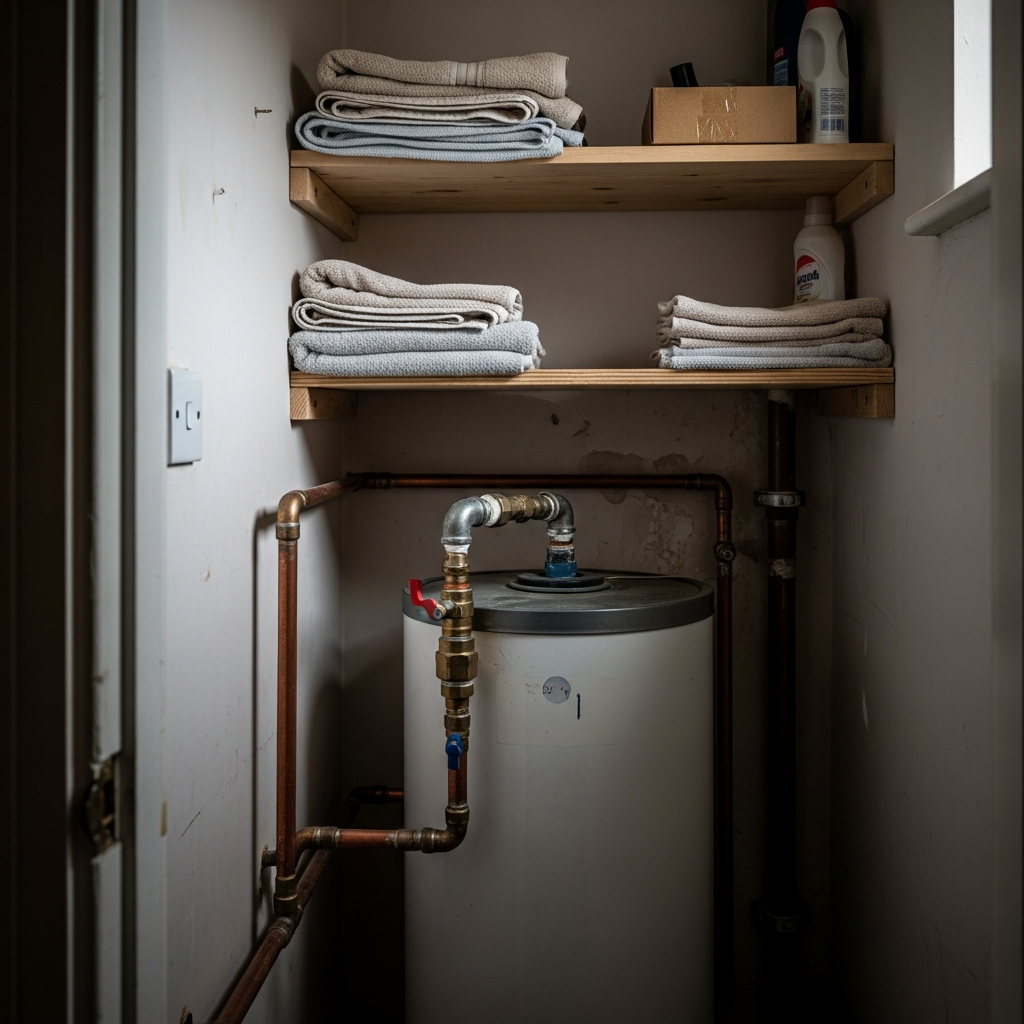
Short answer: almost certainly yes. If you currently have a combi boiler, you will definitely need a new cylinder. If you already have a cylinder, it will probably need replacing with a heat pump-compatible model. The reasons come down to physics — heat pumps work at lower temperatures than boilers, and they need a different type of cylinder to deliver hot water efficiently.
This guide explains when you need a new cylinder, when your existing one might work, what the differences are, and how cylinder choice affects your overall heat pump installation.
Get a quote that includes the right cylinder for your home
Get free quotes from MCS-certified installersInstallers will assess your cylinder needs during the free survey.
Why Heat Pumps Need a Different Cylinder
A gas boiler heats water to 60-80°C and pushes it through a relatively small coil inside the cylinder. The high temperature means heat transfers quickly through even a small coil surface area. A heat pump heats water to just 45-55°C — sometimes as low as 35°C for space heating. At these lower temperatures, you need a much larger coil surface area to transfer the same amount of heat in a reasonable time.
A standard boiler cylinder's coil is simply too small for a heat pump. Using one would mean agonisingly slow hot water recovery times and poor efficiency. Heat pump-specific cylinders solve this with oversized coils — often twice the surface area of a boiler cylinder's coil.
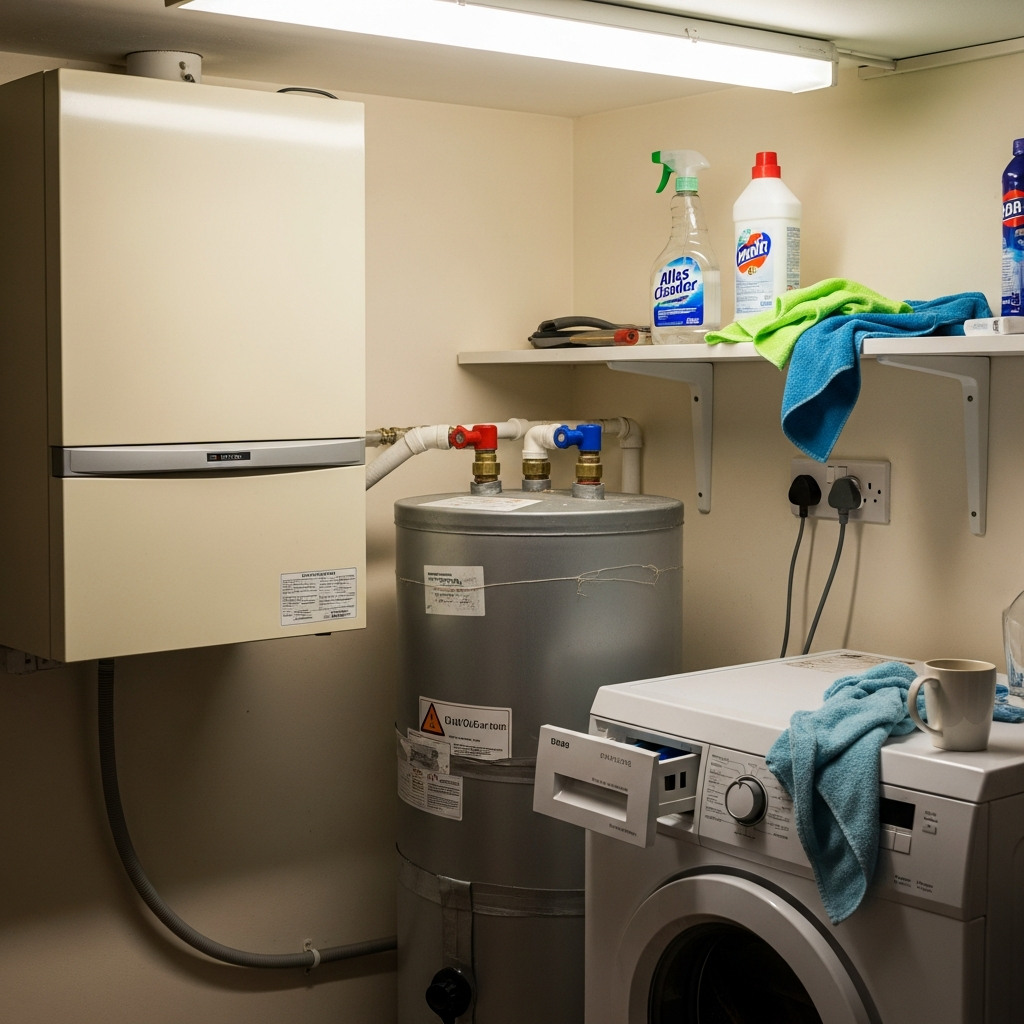
Your Situation: What You Will Need
| Current setup | What you need | Why |
|---|---|---|
| Combi boiler (no cylinder) | New heat pump cylinder | Heat pumps cannot heat water on demand like a combi |
| Older vented cylinder (copper, loft tank) | New heat pump cylinder (usually) | Coil too small, poor insulation, often undersized |
| Modern unvented cylinder (<10 years old) | Assessment needed | May work if the coil is large enough — installer must verify |
| Heat pump-specific cylinder (existing) | Keep it (usually) | Already designed for low-temperature operation |
Key Features of a Heat Pump Cylinder
- Oversized coil: 2-3m² surface area versus 1-1.5m² in a standard cylinder
- High insulation: 50mm+ of foam insulation to minimise standby heat loss
- Correct sizing: 150-300 litres depending on household size (see our cylinder sizing guide)
- Immersion heater backup: For emergency use and periodic legionella pasteurisation cycles
- Unvented (mains pressure): The most common choice for heat pump installations, providing strong water pressure at every tap
Finding Space for a Cylinder
If you are coming from a combi boiler, finding space for a cylinder is often the biggest challenge. A typical 200-litre cylinder needs approximately 55cm x 55cm of floor space and 160cm of height. Common locations:
Airing cupboard
The classic location — may need widening for larger cylinders
Utility room
Ideal for access and maintenance — the preferred choice for new builds
Under stairs
Works for 150-200L cylinders if ceiling height permits
Garage
Good option if connected to the house — insulate the pipework well
Your installer will assess possible locations during the survey. In some homes, a bedroom cupboard or a corner of the bathroom works when other options are not available.
Worried about finding space for a cylinder?
Calculate your full installation costsInstallers solve this problem daily — get quotes and discuss options.
What It Costs
A heat pump-compatible cylinder typically costs £800-£1,500 for the unit, plus £300-£600 for installation. This is included in your overall heat pump installation quote and covered by the £7,500 BUS grant.
If you are also considering solar panels, a twin-coil cylinder can harness both heat pump and solar thermal energy, maximising renewable hot water production.

Frequently Asked Questions
Can I use my existing cylinder with a heat pump?
Sometimes, but only if it has a large enough internal coil designed for heat pump temperatures (35-55°C). Most older cylinders have smaller coils designed for boiler temperatures. Your installer will assess this during the survey.
Do I need a cylinder if I have a combi boiler?
Yes. If you are switching from a combi boiler (which heats water on demand), you will need a cylinder added as part of the installation. This is one of the biggest practical changes when moving from a combi to a heat pump.
How long does it take to heat a cylinder with a heat pump?
A 200-litre cylinder typically takes 1-2 hours to reheat from cold using a heat pump, compared to 30-45 minutes with a boiler. Most homeowners schedule heating overnight or during off-peak electricity periods.
Find out exactly what cylinder your home needs
Get free quotes from qualified installersMCS-certified installers will size and specify the perfect cylinder for your household.
About Hot Water Cylinders and Heat Pumps
Hot water cylinders are a fundamental component of heat pump systems, storing water heated at lower temperatures for on-demand use throughout the day. The transition from combi boilers to heat pumps is one of the UK's key steps towards decarbonising domestic heating. Modern heat pump cylinders are highly insulated, efficiently designed, and can integrate with solar thermal systems for maximum renewable energy utilisation. The £7,500 BUS grant covers the full installation including the cylinder.