Heat Pump vs Gas Boiler: Which Is Better in 2026?
A fair, head-to-head comparison to help you decide.
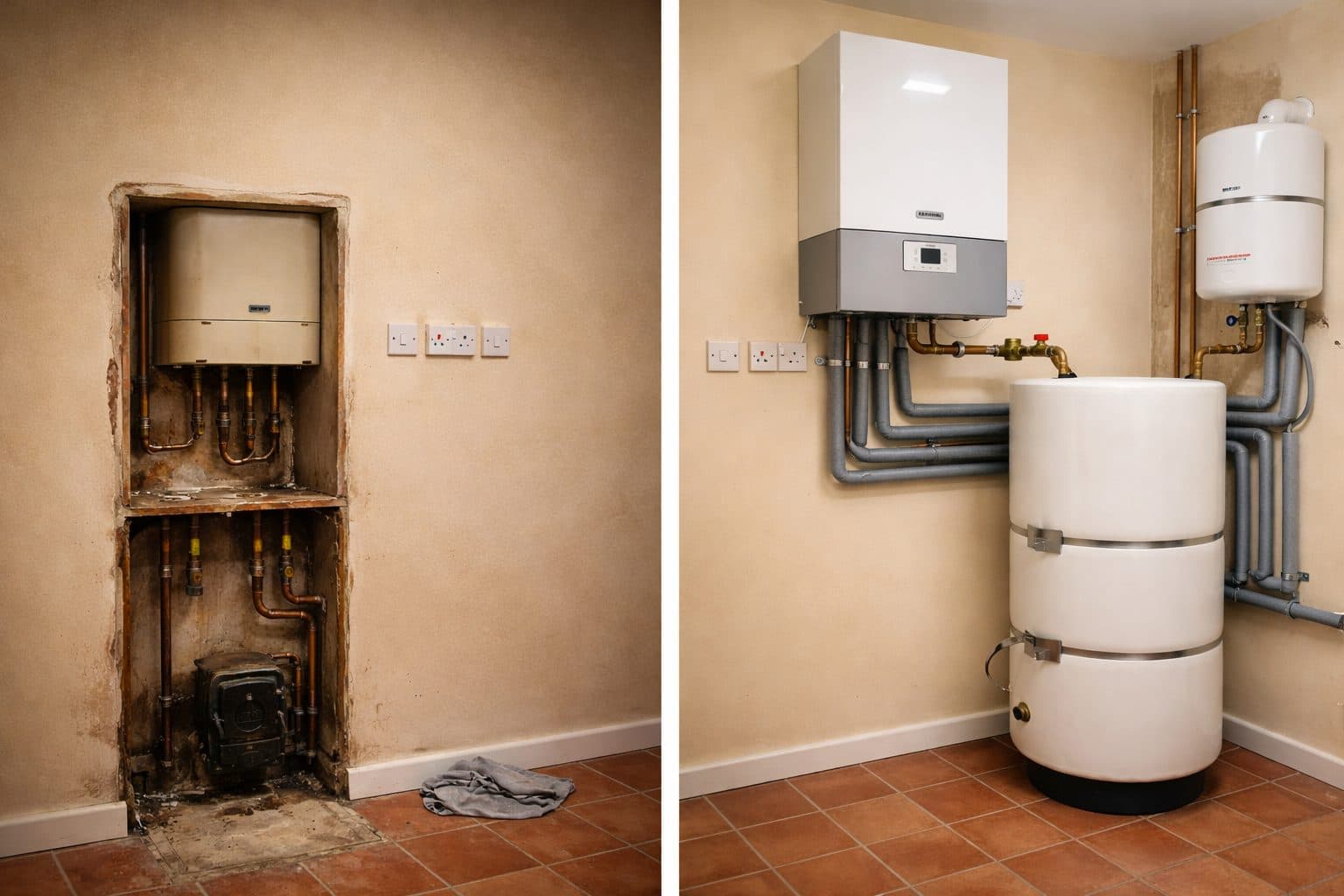
After the £7,500 BUS grant, a heat pump and a gas boiler cost roughly the same upfront (£2,000–£5,000). Running costs are comparable, with heat pumps slightly cheaper in most scenarios. The heat pump wins on lifespan (20–25 years vs 12–15), carbon emissions (75% lower), and future-proofing. The gas boiler wins on simplicity and lowest upfront cost without a grant. For most homeowners, a heat pump is now the better long-term investment.
£5,400
Heat pump median (after grant)
Source: DESNZ BUS stats, 2026 Q2
£2,000–£4,000
New gas boiler
Source: EST 2026
3x
Heat pump efficiency advantage
Source: COP 3.0–3.5
75%
Lower carbon emissions
Source: BEIS / CCC
The Full Comparison
| Heat Pump | Gas Boiler | Oil Boiler | |
|---|---|---|---|
| Upfront cost | £11,128–£15,627 (median £12,908) | £2,000–£4,000 | £3,000–£5,000 |
| After BUS grant | £3,600–£8,100 (median £5,400) | No grant | No grant |
| Efficiency | 300–350% (COP 3–3.5) | 90–94% | 80–85% |
| Annual running cost (3-bed semi) | £730–£1,310 | £730–£1,300 | £790–£1,410 |
| Annual maintenance | £100–£200 | £80–£120 | £100–£200 |
| Lifespan | 20–25 years | 12–15 years | 15–20 years |
| CO2 emissions (tonnes/year) | ~1.0 | ~2.7 | ~4.5 |
| Government grant | £7,500 BUS | None | None |
| Hot water | Yes (cylinder needed) | Yes (combi or system) | Yes (system) |
| Noise | 40–50 dB outdoor unit | Minimal | Minimal |
Running Cost Comparison
Based on a 3-bedroom semi-detached house with average insulation (12,000 kWh annual heat demand).
Estimated annual running costs
Based on Ofgem rates Q1 2026. Actual costs depend on your home's heat demand.
How we calculated this
Electricity at 26.11p/kWh and gas at 7.33p/kWh (Ofgem price cap, 1 July to 30 September 2026); oil at 7.5p/kWh (market observation, not capped). Heat pump COP 3.2. Gas boiler 90% efficient. Oil boiler 85% efficient. Annual heat demand 12,000 kWh. Includes standing charges. See our running costs page for detailed breakdowns.
Installation Cost: Closer Than You Think
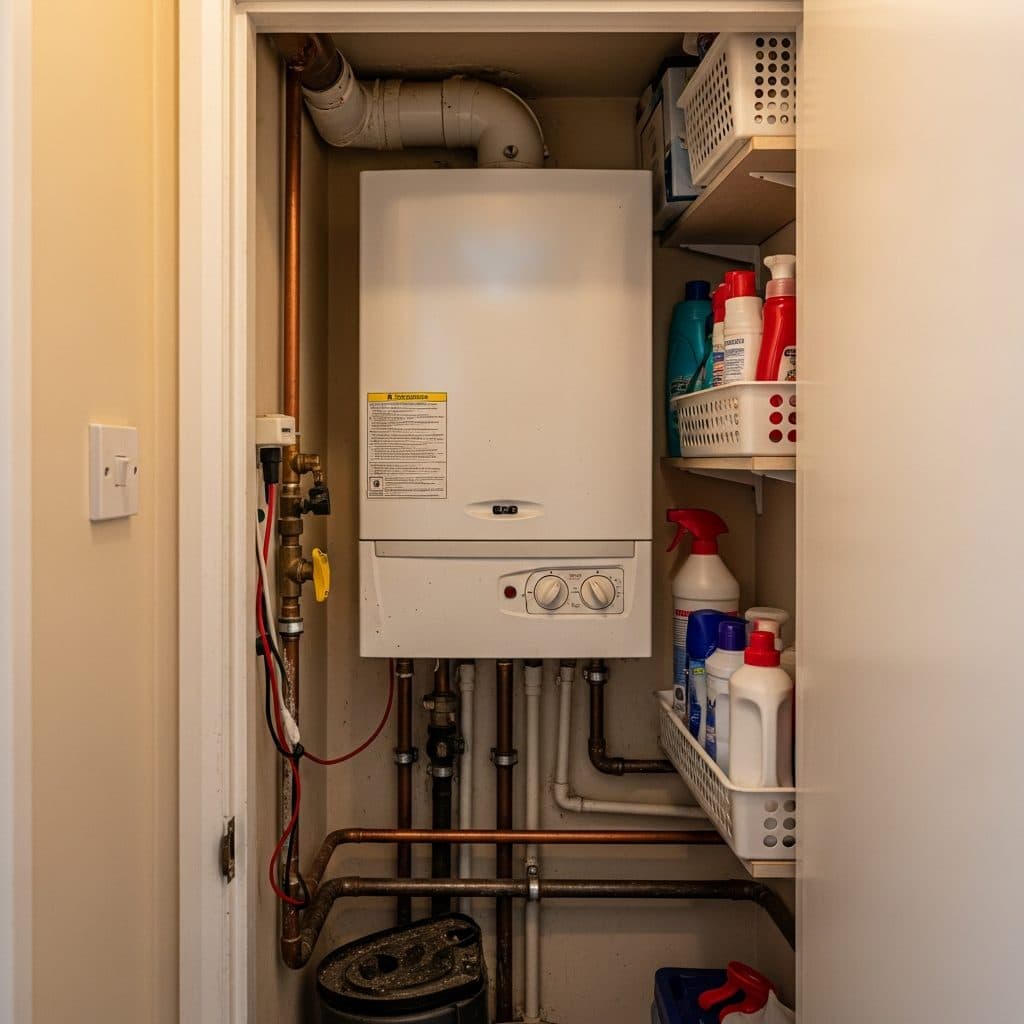
The headline comparison is often misleading. People see “£12,908 for a heat pump vs £3,000 for a gas boiler” and assume the boiler is the obvious choice. The BUS grant closes most, though not all, of that gap.
A typical installation for a 3-bed semi:
- Heat pump: £12,908 installed at the UK median. Minus the £7,500 BUS grant = £5,400 net — or £3,900 for an off-gas-grid oil or LPG home claiming £9,000
- Gas boiler: £2,500–£3,500 installed. No grant available = £2,500–£3,500 net
The cost difference is now just £0–£1,000 for many homes. When you factor in the heat pump's longer lifespan (20–25 years vs 12–15), you'd need to buy two gas boilers in the time one heat pump lasts. That's an additional £2,500–£3,500 that tips the lifetime cost firmly in the heat pump's favour.
Efficiency: No Contest
This is where the heat pump has an overwhelming advantage. A modern gas boiler is around 90–94% efficient — meaning it wastes 6–10% of the energy in gas as heat that goes up the flue. Even the best condensing gas boiler cannot exceed 100% efficiency.
A heat pump achieves 300–350% efficiency (COP 3.0–3.5). It produces 3 to 3.5 times more heat energy than the electrical energy it consumes. This isn't magic — it's because the heat pump moves existing heat from the air, rather than creating heat by burning fuel.
In practical terms, this efficiency advantage means a heat pump produces the same amount of heat as a gas boiler while using about a third of the energy (measured in kWh). Even though electricity costs more per kWh than gas, the 3x efficiency largely or fully compensates.
Lifespan and Reliability
A gas boiler typically lasts 12–15 years before needing replacement. Some last longer, but efficiency degrades over time, and spare parts for older models become harder to source.
An air source heat pump lasts 20–25 years. A ground source heat pump's indoor components last 25–30 years, and the ground loops last 50+ years. Heat pumps have fewer moving parts, no combustion, and no flue — all of which reduce wear and maintenance requirements.
Over 25 years, you'd typically need one heat pump but two gas boilers. The second boiler adds £2,500–£4,000 to the lifetime cost of gas heating.
Ready to take the next step?
Get free, no-obligation quotes from MCS-certified heat pump installers in your area. Takes 2 minutes.
Get free quotes from MCS-certified installersNo obligation. We are not installers. Independent advice.
Environmental Impact
A gas boiler produces approximately 2.7 tonnes of CO2 per year for a typical 3-bed semi. A heat pump produces approximately 1.0 tonne — about 63% less. As the UK electricity grid decarbonises (already over 50% renewable), heat pump emissions fall further each year.
By 2035, when the grid is targeted to be fully decarbonised, a heat pump will produce close to zero carbon emissions. A gas boiler will always produce CO2, regardless of how the grid changes. If reducing your household's carbon footprint matters to you, a heat pump is the clear choice.
The UK government has confirmed that gas boilers will be phased out of new-build homes and that existing properties will eventually need to transition to low-carbon heating. Installing a heat pump now means you're ahead of this regulatory curve.
When a Gas Boiler Still Makes Sense
We believe in honest advice. There are situations where a gas boiler replacement might be the more practical choice right now:
- Your current boiler has broken down urgently and you need heat within days, not weeks. A gas boiler can often be replaced in a day; a heat pump takes longer to plan and install.
- Your home has very poor insulation that you cannot afford to improve. A heat pump in a very poorly insulated home will have higher running costs.
- You have no outdoor space for the heat pump unit (upper-floor flat with no balcony, garden, or side access).
- You're selling the property imminently and want the lowest possible outlay.
Even in these cases, it's worth considering a heat pump. The BUS grant won't be available forever, and heat pumps will eventually become the standard heating system in UK homes. Better to make the switch when you get £7,500 towards it.
Common Concerns
The Hybrid Option
If you're not ready to go fully heat pump, a hybrid system combines a heat pump with your existing gas boiler. The heat pump handles most of the heating (and all the hot water in some setups), while the gas boiler kicks in on the very coldest days or during peak demand.
Hybrid systems can reduce gas consumption by 60–80% while keeping the gas boiler as a backup. They're a good transitional option, though they don't qualify for the full BUS grant. Check current eligibility, as the government has considered including hybrids in the scheme.
The Verdict
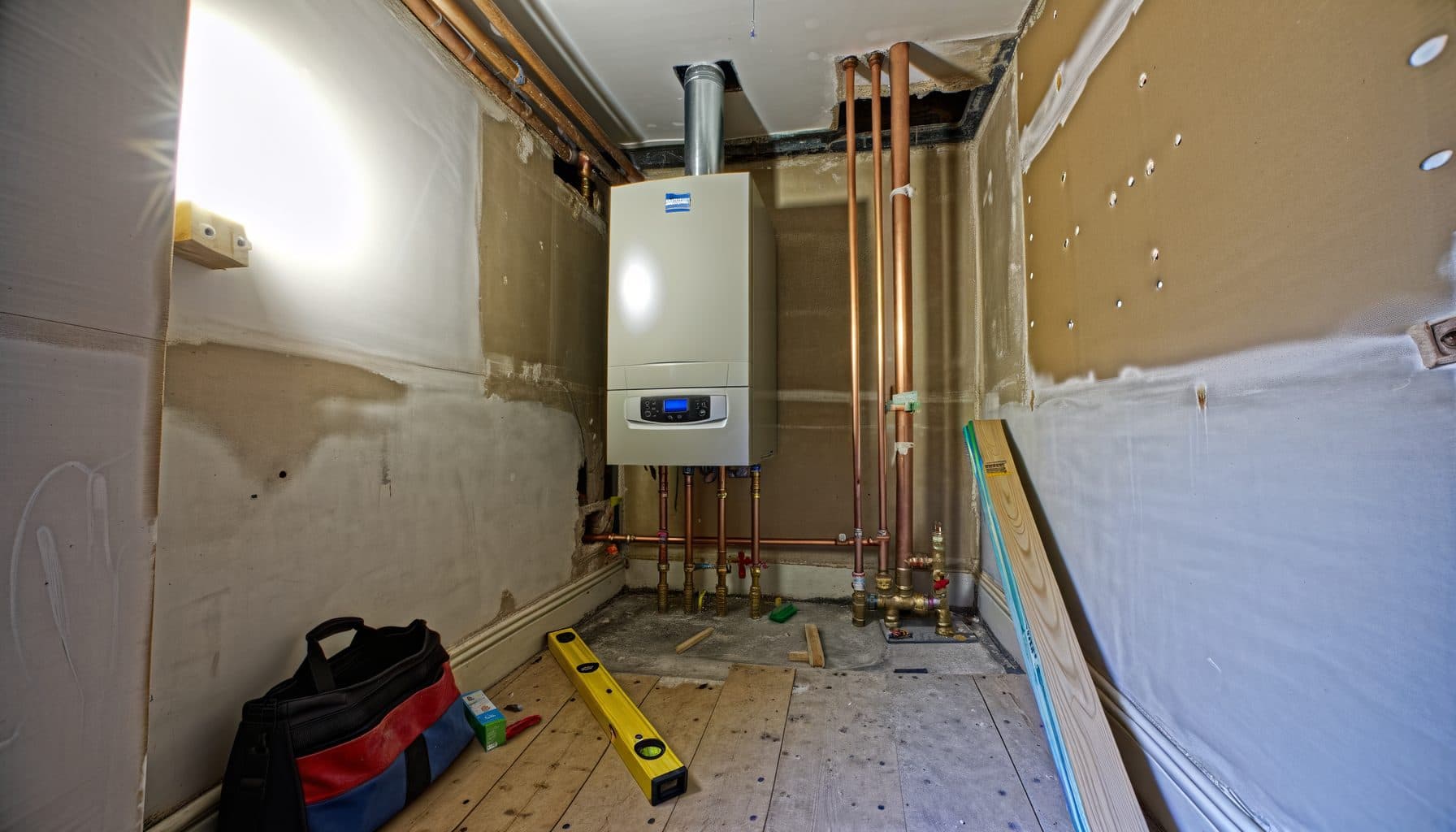
For most UK homeowners in 2026, a heat pump is the better choice. The BUS grant has closed the upfront cost gap. Running costs are comparable or lower. The heat pump lasts 8–13 years longer. Carbon emissions are 75% lower. And you future-proof your home against tightening regulations and rising gas prices.
The gas boiler's only advantages are simplicity, slightly lower cost in some scenarios without the grant, and faster emergency replacement. These are legitimate factors, but for a planned heating upgrade, the heat pump wins on almost every metric.
Our advice: if your boiler is over 10 years old, get a heat pump quote alongside your boiler quote. Compare the true lifetime costs, factor in the £7,500 grant, and make an informed decision. You might be surprised how close — or how favourable — the numbers are.
Ready to take the next step?
Get free, no-obligation quotes from MCS-certified heat pump installers in your area. Takes 2 minutes.
Get free quotes from MCS-certified installersNo obligation. We are not installers. Independent advice.