Heat Pump Grants UK 2026: BUS Grant & Other Funding
Every grant and funding scheme available for heat pumps in England, Scotland, and Wales — including the £9,000 rate for off-gas-grid oil and LPG homes.
The main heat pump grant in the UK is the Boiler Upgrade Scheme (BUS), which provides £7,500 towards an air source or ground source heat pump in England and Wales. If your home is heated by oil or LPG and has no mains gas connection, you get an additional £1,500 — a total of £9,000 until March 2027. There is also a separate £2,500 grant for air-to-air heat pumps, introduced in April 2026. Your MCS-certified installer applies on your behalf and must deduct the grant from your quote, so you never pay the full price upfront. Scotland runs a separate scheme through Home Energy Scotland.
£7,500
Air or ground source, England & Wales
Source: GOV.UK, verified 7 Aug 2026
£9,000
Off-gas-grid oil or LPG homes
Source: GOV.UK / Ofgem, to 31 Mar 2027
£2,500
Air-to-air heat pumps
Source: GOV.UK, new 28 Apr 2026
£7,500
Home Energy Scotland grant
Source: HES, verified 7 Aug 2026

The Boiler Upgrade Scheme (BUS) Grant
The BUS grant is the UK government's flagship scheme to encourage heat pump adoption. Originally launched in 2022 at £5,000 for air source and £6,000 for ground source, it was increased to £7,500 for both types in October 2023. The scheme is in its fifth year with a budget of £400 million for 2026/27, and the government confirmed funding for further years up to 2029/30 through the Warm Homes Plan in January 2026. Scheme objectives run from 2025/26 to 2029/30, targeting 390,000 homes and small non-domestic buildings.
How much is the grant?
- Air source (air-to-water) heat pump: £7,500
- Ground source heat pump: £7,500 — includes water source heat pumps and those on shared ground loops
- Air-to-air heat pump: £2,500 — introduced 28 April 2026, residential properties only
- Biomass boiler: £5,000 (limited circumstances — rural, off the gas grid)
- Off-gas-grid oil or LPG homes: £9,000 towards an air-to-water or ground source heat pump
Heated by oil or LPG? Your grant is £9,000, not £7,500
GOV.UK: “Until March 2027, you can get an additional £1,500 towards an air source heat pump or ground source heat pump if both: your property is heated by oil or LPG; you do not have a mains gas connection at the property.” Ofgem confirms the resulting £9,000 rate has been available since 21 July 2026 and runs to 31 March 2027. It does not apply to air-to-air heat pumps or biomass boilers. On the median UK air source installation (£12,908, DESNZ 2026 Q2) that is a net cost of about £3,900.
Eligibility criteria
GOV.UK lists two conditions. To qualify for the BUS grant, you must:
- Own your property — including a business, a second home, or a property you rent out to tenants
- Be replacing a fossil fuel heating system — oil, gas, electric or LPG
In practice you must also:
- Use an MCS-certified installer — since 28 April 2026, MCS is the sole certification scheme for BUS
- Be in England or Wales — Scotland and Northern Ireland have separate schemes
- Have the system installed and commissioned within 120 days of the grant application, or it will not be eligible
You do not need to buy an EPC to get the grant
GOV.UK's eligibility conditions do not mention an Energy Performance Certificate. The requirement to have no outstanding loft and cavity wall insulation recommendations on your EPC was removed on 8 May 2024, and DESNZ records the valid-EPC requirement as relaxed on 28 April 2026. If a website or an installer tells you to spend £60–£120 on a new EPC purely to qualify for the Boiler Upgrade Scheme, check it against GOV.UK first. An EPC is still worth having for other reasons — landlords need one to let a property, and it is useful for planning insulation work — but it is not a listed condition of this grant.
You cannot claim the BUS grant if:
- The property is a new build the developer is still building. There is no “two years old” test. If you move into a finished new build with a fossil fuel boiler you may be able to get a grant, and self-builds are eligible if you or the original owner built it and it has never been owned by a business.
- You are installing a hybrid heat pump system — GOV.UK: “You cannot get a grant for a hybrid heat pump system (for example a combination of gas boiler and air source heat pump).”
- You are replacing a low carbon heating system — the grant is for replacing fossil fuel heating, not an existing heat pump
- The property has already had government funding or support for a heat pump or biomass boiler
- The property is social housing
There is no means testing. The grant is available regardless of your income, savings, or property value. There is also no upper property value limit.
How we calculated this
Grant amounts and eligibility taken from GOV.UK — Boiler Upgrade Scheme: what you can get and check if you're eligible. Voucher validity, the funding horizon and the change log come from DESNZ, Boiler Upgrade Scheme Statistics: June 2026 (‘Scheme background’ worksheet, published 30 July 2026). The £9,000 rate is confirmed by Ofgem. All verified 7 August 2026.
How to Apply for the BUS Grant
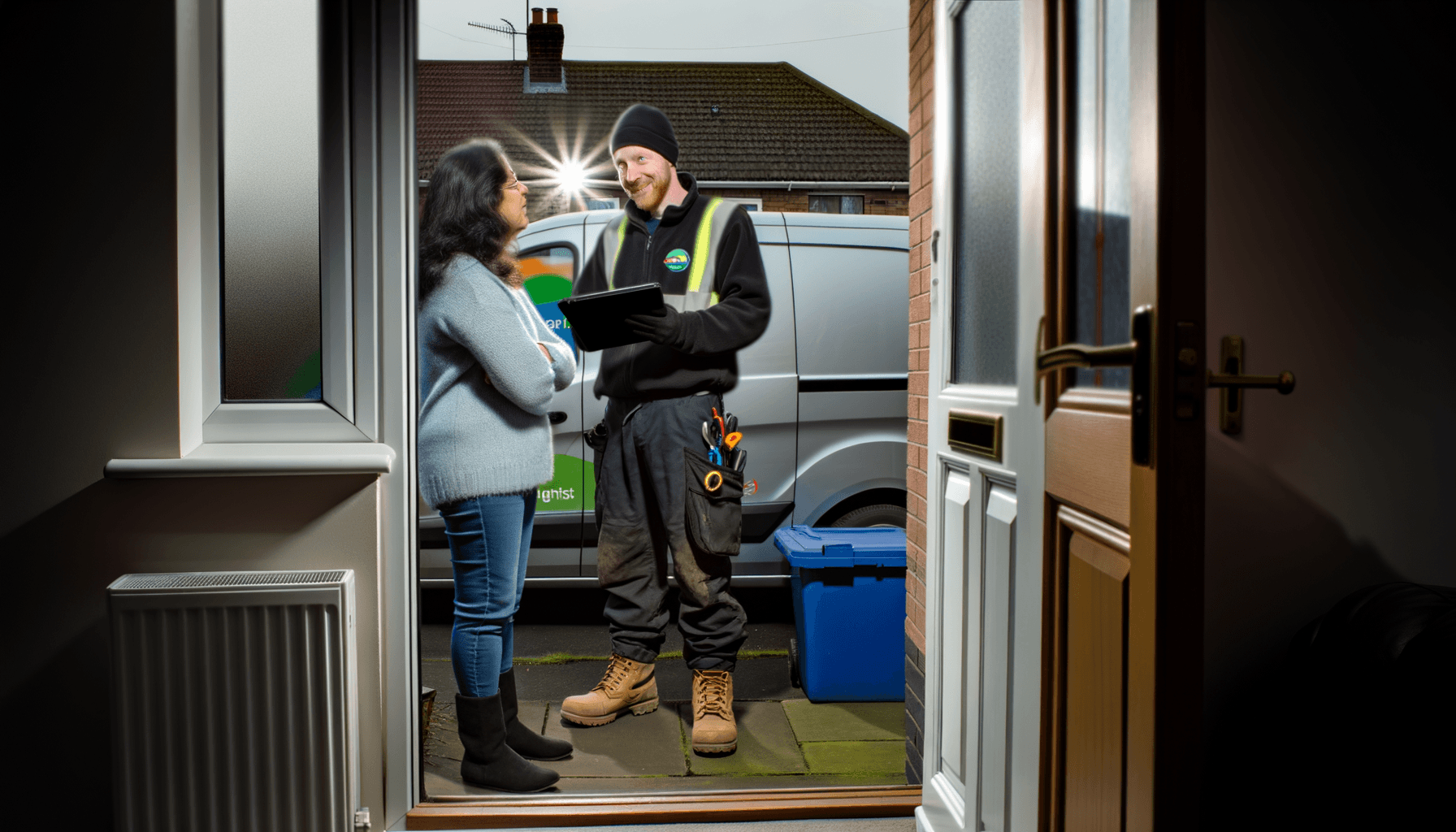
You don't apply for the BUS grant yourself — your installer does it for you. Here's how the process works:
- Get quotes from MCS-certified installers. You can use our free quote service to connect with installers in your area. Make sure they are MCS-certified.
- Choose an installer and agree a quote. The quote should show the full installation cost, with the £7,500 BUS grant deducted. You only pay the net amount.
- Your installer applies to Ofgem. They submit the application through the BUS portal, providing your property details and the proposed system specifications. Since 28 April 2026 they must also deduct the grant from your upfront costs.
- Ofgem issues a voucher. This is typically processed within 3–5 working days. Validity depends on the technology: 3 months for air-to-water, air-to-air and biomass, and 6 months for ground source, which needs longer for groundworks. Separately, GOV.UK requires the system to be installed and commissioned within 120 days of applying.
- Installation takes place. Your installer fits the heat pump and commissions the system, usually over 2–4 days.
- Installer claims the grant from Ofgem. After installation and commissioning, the installer submits the MCS certificate and claims the grant directly from Ofgem. You never handle the grant money.
How the BUS Grant Works
Get quote from installer
Installer applies for grant
Grant approved
Installation completed
Grant deducted from cost
You never pay the full price — the grant is deducted from your quote. Off-gas-grid oil and LPG homes get £9,000, not £7,500
Timeline: From your first enquiry to a working heat pump, the typical timeline is 4–8 weeks. This includes getting quotes (1–2 weeks), choosing an installer and processing the grant voucher (1–2 weeks), and the installation itself (2–4 days). Busier periods (autumn/winter) may take longer.
Ready to take the next step?
Get free, no-obligation quotes from MCS-certified heat pump installers in your area. Takes 2 minutes.
Get free quotes from MCS-certified installersNo obligation. We are not installers. Independent advice.
Scotland: Home Energy Scotland Grants
Scotland runs its own heat pump funding scheme through Home Energy Scotland (HES), funded by the Scottish Government. It's at least as generous as the BUS grant and includes an additional interest-free loan option.
What's available?
- Grant: Up to £7,500 towards an air, ground or water source heat pump (no repayment needed)
- Interest-free loan: Up to £7,500 additional funding, repaid over up to 10 years with no interest
- Rural and island uplift: £1,500 on top — and Home Energy Scotland applies the same £1,500 uplift to the separate energy-efficiency grant
- Maximum combined grant: up to £18,000 when the heating and energy-efficiency grants are stacked with the rural uplift, plus the optional loan on top
Two exclusions worth knowing before you plan around this. Home Energy Scotland states that hybrid heat pumps are not eligible for funding, and that replacement heat pumps are not eligible for grant funding — an interest-free loan of up to £7,500 is available for replacements instead. Verified against Home Energy Scotland on 7 August 2026.
How to apply in Scotland
The process is slightly different from England and Wales. You start by contacting Home Energy Scotland (a free, impartial advice service funded by the Scottish Government) who will assess your eligibility and guide you through the application. They can also help with energy efficiency advice and identify any insulation improvements you should make first.
- Contact Home Energy Scotland (freephone 0808 808 2282 or online)
- Complete a home assessment
- Receive your eligibility confirmation and funding offer
- Get quotes from MCS-certified installers
- Accept the funding and proceed with installation
Wales: Available Schemes
Wales is covered by the BUS grant (the same £7,500 as England). In addition, Welsh homeowners may be eligible for:
- Nest scheme: A Welsh Government scheme that provides free home energy improvements (including heating systems) to eligible homeowners on certain benefits or with specific health conditions. Heat pumps may be installed free of charge for qualifying households.
- ECO4 (Energy Company Obligation): A UK-wide scheme where energy companies fund improvements for low-income and vulnerable households. Heat pumps can be installed under ECO4, though availability varies by supplier and area.
Most Welsh homeowners will use the BUS grant, following the same process as in England.
Northern Ireland
Northern Ireland has its own energy efficiency schemes, though heat pump-specific grants have been more limited than in the rest of the UK. The Northern Ireland Sustainable Energy Programme (NISEP) and various fuel poverty schemes offer some support. Contact the NI Energy Advice Service for the latest information on available funding.
Note: The BUS grant does not apply in Northern Ireland.
Other Funding Options
ECO4 (Energy Company Obligation)
ECO4 requires large energy suppliers to fund energy efficiency improvements for low-income, fuel-poor, and vulnerable households. Heat pumps can be installed under ECO4, potentially covering the full cost for eligible households. Contact your energy supplier to check eligibility.
Local authority grants
Some local councils offer additional grants or interest-free loans for energy improvements, including heat pumps. These vary by area and change frequently. Check your local council's website or contact them directly.
Green finance and 0% loans
Several lenders now offer green home improvement loans specifically for heat pumps and other low-carbon technologies. These may offer preferential rates compared to standard personal loans. Some heat pump manufacturers also offer finance packages through their installer networks.
Can I combine funding?
In most cases, you can only claim one grant per installation. You cannot combine the BUS grant with ECO4 funding for the same heat pump. However, you can combine a heat pump grant with separate funding for insulation improvements (for example, using ECO4 for insulation and BUS for the heat pump).
Tips for Maximising Your Grant
- Check whether you qualify for £9,000, not £7,500. If your home runs on oil or LPG and has no mains gas connection, the grant is £9,000 until March 2027. Make sure your installer applies on that basis — it is the single most valuable thing on this page for an off-grid home.
- Don't buy an EPC just for the grant. An EPC is not one of GOV.UK's eligibility conditions, and DESNZ records the valid-EPC requirement as relaxed on 28 April 2026. Check the current position on GOV.UK before spending £60–£120 on a certificate you may not need for this purpose.
- Use MCS-certified installers only. Since 28 April 2026 MCS is the sole certification scheme for BUS. Using a non-MCS installer means you lose the grant entirely.
- The scheme is funded, but the annual budget is finite. Funding is confirmed up to 2029/30, with £400 million allocated for 2026/27. There is no March 2028 cliff edge. What can bite is the annual budget running down late in a financial year, so applying earlier in the year (from April) carries less risk.
- Get multiple quotes. The grant is a fixed amount, but installation costs vary widely: DESNZ reports a median of £12,908 for air source installations in 2026 Q2, with a quarter costing under £11,128 and a quarter over £15,627. Getting 2–3 quotes is where the real money is.
- Consider insulation first. If your insulation is poor, improving it before installing a heat pump means you can get a smaller, cheaper heat pump — stretching your grant further.
Heat Pump Cost Breakdown
DESNZ/MCS reported costs for air-to-water heat pumps, England and Wales, 2026 Q2: median £12,908, lower quartile £11,128, upper quartile £15,627. Net of the £7,500 grant that is a median of £5,400, with a quarter of homes paying under £3,600 and a quarter over £8,100. Off-gas-grid oil and LPG homes get £9,000, taking the median net cost to about £3,900.
Ready to take the next step?
Get free, no-obligation quotes from MCS-certified heat pump installers in your area. Takes 2 minutes.
Get free quotes from MCS-certified installersNo obligation. We are not installers. Independent advice.