Best Electricity Tariff for Heat Pumps UK 2026
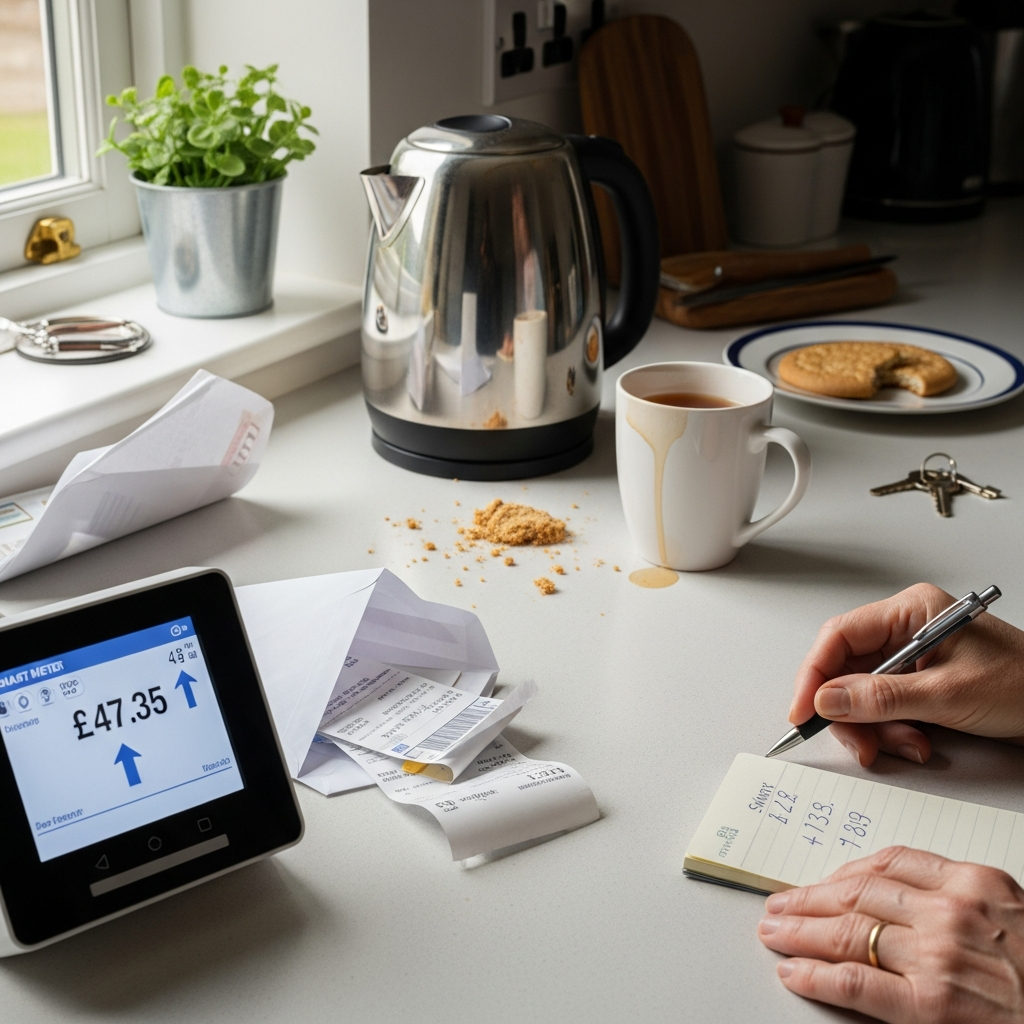
The wrong electricity tariff could be costing you £380 a year. Most heat pump owners stay on standard variable rates, paying 26.11p per kWh for every unit their system draws. Meanwhile, dedicated heat pump tariffs offer off-peak rates as low as 7p per kWh — slashing annual heating costs from £980 to around £600 for a typical home.
We have compared every major UK energy supplier's heat pump tariff for 2026. Below, you will find the real rates, eligibility requirements, and savings calculations you need to pick the right one for your home and your air source heat pump setup.
Find out what a heat pump would cost to run in your home
Use Our Free CalculatorInstant estimate based on your property size and insulation
Why Heat Pump Owners Need a Special Tariff
A heat pump typically uses between 3,000 and 5,000 kWh of electricity per year for an average UK home. At the standard electricity rate of around 26.11p per kWh (Ofgem price cap, Q1 2026), that translates to £735 to £1,306 annually just for heating.
Dedicated heat pump tariffs — and time-of-use tariffs designed for high-electricity households — can reduce this substantially. Some offer cheap overnight rates as low as 7-10p per kWh, meaning you can heat your home and hot water cylinder during off-peak hours for a fraction of the daytime cost.
The key is understanding which tariff suits your setup. Do you have a smart meter? Can you schedule your heating to run overnight? Is your home well-insulated enough to retain warmth through expensive peak periods? These factors determine which tariff will genuinely save you money.
The Best Heat Pump Tariffs Compared
| Supplier | Tariff Name | Off-Peak Rate | Peak Rate | Annual Cost (4,000 kWh) |
|---|---|---|---|---|
| Octopus Energy | Cosy Octopus | ~10p/kWh | ~33p/kWh | ~£600 |
| Scottish Power | SmartGen | 15-18p flat | N/A (flat) | ~£660 |
| EDF Energy | GoElectric | ~10-12p/kWh | ~25-28p/kWh | ~£640 |
| E.ON Next | Next Drive | ~9-11p/kWh | ~26-30p/kWh | ~£680 |
| OVO Energy | Standard/Fixed | 23-24p flat | N/A (flat) | ~£940 |
| British Gas | Flex/Fixed | 26.11p flat | N/A (flat) | ~£980 |
Rates approximate as of Q1 2026. Annual costs assume 4,000 kWh heat pump usage with 60% off-peak shifting where applicable.
1. Octopus Energy — Cosy Octopus
Octopus Energy has positioned itself as the go-to supplier for heat pump owners, and for good reason. Their Cosy Octopus tariff is specifically designed for homes with heat pumps, offering three off-peak windows throughout the day.
- Off-peak rate: Approximately 10p per kWh during cheap windows (typically 4am-7am, 1pm-4pm, and 10pm-midnight)
- Peak rate: Around 30-35p per kWh during peak periods (4pm-7pm)
- Standard rate: Roughly 22-24p per kWh outside peak and off-peak windows
- Requirements: Smart meter, registered heat pump
- Best for: Homes that can shift most heating to off-peak windows
Octopus also offers their Intelligent Octopus Go tariff, which provides a flat cheap rate from 11:30pm to 5:30am. This works brilliantly if you have a large hot water cylinder and good insulation. Read our full Octopus heat pump tariff review for more detail.
2. Scottish Power — SmartGen Heat Pump Tariff
Scottish Power has introduced a dedicated heat pump tariff that offers reduced rates for heat pump electricity consumption. Their approach is slightly different from Octopus — they offer a lower flat rate rather than time-of-use pricing.
- Rate: Reduced unit rate for heat pump electricity (typically 15-18p per kWh, depending on region)
- Standing charge: Standard standing charge applies
- Requirements: Registered heat pump, smart meter recommended
- Best for: Homeowners who want simplicity without scheduling heating around cheap windows
3. British Gas — Heat Pump Options
British Gas offers heat pump owners access to their flexible tariff range, though they do not currently have a bespoke heat pump-only product in the same way Octopus does. Their PeakSave offering provides some time-of-use flexibility.
- Rate: Standard variable or fixed rate (around 26.11p per kWh)
- PeakSave: Rewards for reducing usage during peak periods
- Requirements: Smart meter for PeakSave
- Best for: Existing British Gas customers who are not ready to switch

4. EDF Energy — GoElectric
EDF offers GoElectric tariffs that benefit heat pump owners, with cheaper overnight rates designed for high-electricity households including those with electric vehicles and heat pumps.
- Off-peak rate: Approximately 10-12p per kWh overnight
- Peak rate: Standard daytime rate
- Requirements: Smart meter
- Best for: Households with both a heat pump and an electric vehicle
5. OVO Energy
OVO does not currently offer a dedicated heat pump tariff, but their standard variable and fixed tariffs are competitively priced. They have been expanding their smart tariff offerings throughout 2025-2026.
- Rate: Competitive standard rate (around 23-24p per kWh)
- Smart features: OVO Greenlight provides half-hourly pricing signals
- Best for: Homeowners who want a competitive flat rate with green credentials
6. E.ON Next — Next Drive
E.ON Next has introduced their Next Drive tariff, which whilst primarily designed for EV owners, also benefits heat pump and EV households with cheaper overnight electricity.
- Off-peak rate: Approximately 9-11p per kWh (midnight to 7am)
- Daytime rate: Higher than standard to compensate
- Requirements: Smart meter, eligible postcode
- Best for: Heat pump owners in E.ON supply areas with good overnight scheduling capability
Not sure which tariff suits your home?
Get Free Heat Pump QuotesMCS-certified installers can advise on tariff optimisation during your survey
How to Choose the Right Tariff
Step 1: Check Your Annual Heat Pump Electricity Usage
Before comparing tariffs, you need to know how much electricity your heat pump actually uses. Check your smart meter data or your energy bills from the past 12 months. A typical air source heat pump uses 3,000-5,000 kWh per year, but this varies enormously depending on your home's insulation, size, and your preferred indoor temperature.
Step 2: Assess Your Flexibility
Time-of-use tariffs only save money if you can actually shift your electricity usage to cheap periods. Ask yourself:
- Can you schedule your heat pump to pre-heat the house overnight or during afternoon off-peak windows?
- Do you have a hot water cylinder that can be heated during cheap periods and store heat for later?
- Is your home well-insulated enough to retain heat through peak-rate periods without the heat pump running?
- Do you have a smart meter installed (most time-of-use tariffs require one)?
If the answer to most of these is yes, a time-of-use tariff like Octopus Cosy or EDF GoElectric will likely save you the most. If you cannot shift usage — perhaps because your home loses heat quickly — a flat reduced rate may be better.
Step 3: Calculate Real Savings
Do not just compare unit rates. A tariff with a 10p off-peak rate and a 35p peak rate could cost you more than a flat 22p rate if you cannot shift enough consumption to the cheap windows. Use your actual half-hourly usage data (available from your smart meter) to model what each tariff would cost. If you are also considering solar panels to reduce electricity costs, factor in daytime self-consumption too.
Smart Meter: Essential for Best Rates
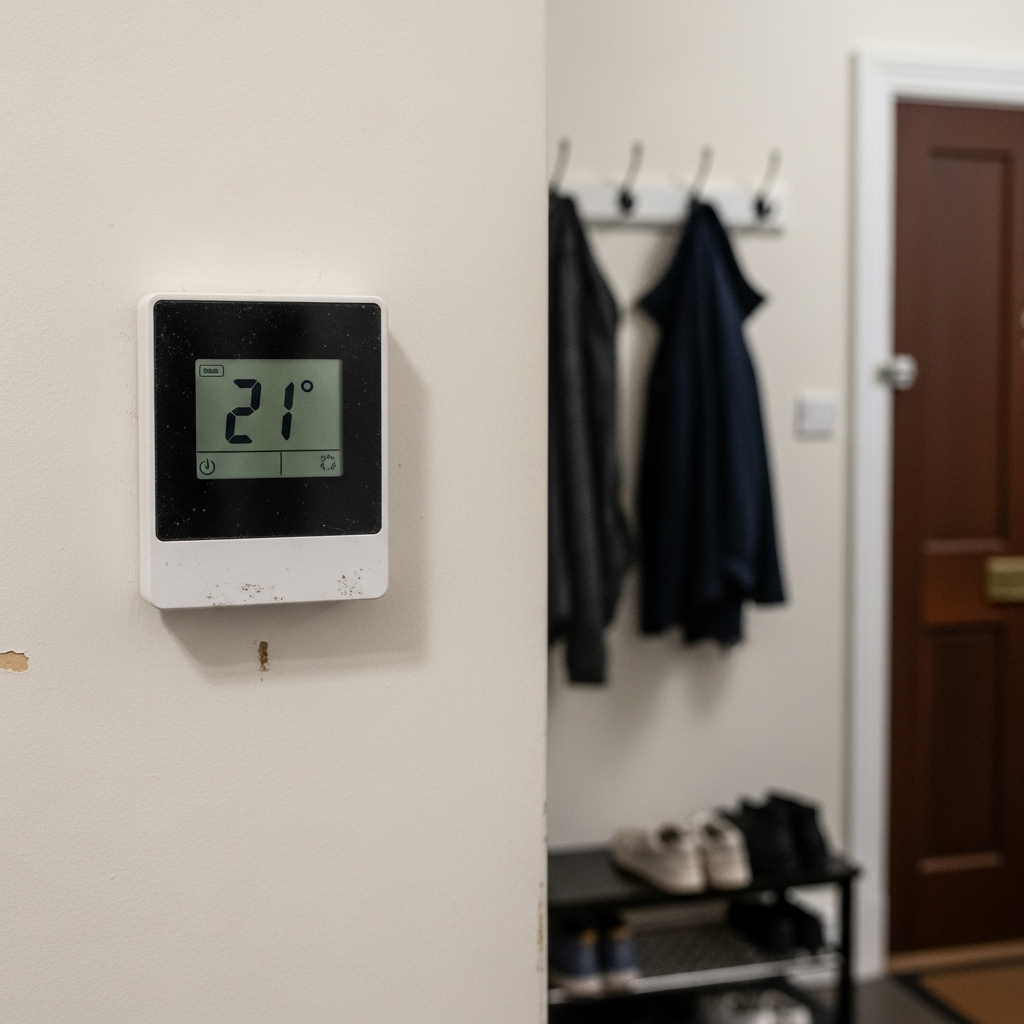
Almost every worthwhile heat pump tariff requires a smart meter. If you do not have one, contact your energy supplier to arrange a free installation — it is your legal right to request one.
A SMETS2 smart meter (the current standard) works with all suppliers, so you can switch freely. Older SMETS1 meters have largely been upgraded to work across suppliers too, but check with your current provider if you are unsure.
Smart meters enable half-hourly billing, which is the foundation of time-of-use tariffs. Without one, suppliers cannot verify when you used electricity, so they cannot offer you cheaper off-peak rates.
Scheduling Your Heat Pump for Maximum Savings
Once you are on a time-of-use tariff, the key to saving money is scheduling your heat pump to do the heavy lifting during cheap periods. Most modern heat pumps have built-in scheduling or can be controlled via apps.
Pre-Heating Strategy
The most effective approach is to pre-heat your home during off-peak hours. For example, on the Octopus Cosy tariff, you might:
- Run the heat pump at full capacity from 4am to 7am (off-peak) to warm the house before you wake up
- Let the house coast on stored heat through the morning with minimal top-up
- Boost again during the 1pm-4pm off-peak window
- Avoid running the heat pump during the 4pm-7pm peak period when rates are highest
- Heat your hot water cylinder during the 10pm-midnight off-peak window
This strategy works best in well-insulated homes with good thermal mass (solid walls, concrete floors). Lighter-construction homes may lose heat too quickly to coast through peak periods. If that describes your property, improving insulation first will unlock much bigger tariff savings.
What About Economy 7 and Economy 10?
Older two-rate tariffs like Economy 7 (seven hours of cheap overnight electricity) and Economy 10 (ten hours across day and night) still exist, but they are generally not the best option for heat pump owners in 2026.
The problem is that Economy 7's daytime rate is usually significantly higher than standard rates — often 28-32p per kWh. Unless you can genuinely shift 40-50% of your total electricity usage to the overnight window, you will end up paying more overall.
Modern time-of-use tariffs from suppliers like Octopus and EDF are far more sophisticated, with multiple cheap windows throughout the day and more reasonable daytime rates. They are almost always a better choice.
How Much Can You Actually Save?
That £380 annual saving is significant — equivalent to getting your heat pump running costs close to what you would pay with a gas boiler. Some households report even larger savings if they have good insulation and can shift a high proportion of usage to off-peak periods. Pairing a heat pump tariff with solar panels can reduce bills further still.

Our Recommendation
For most UK heat pump owners in 2026, Octopus Cosy is the best overall tariff. It offers the most off-peak windows, the lowest off-peak rates, and is specifically designed around heat pump usage patterns. The multiple cheap windows throughout the day give you more flexibility than tariffs with just a single overnight cheap period.
If you cannot get Octopus Cosy (or prefer a different supplier), EDF GoElectric and E.ON Next Drive are strong alternatives for overnight-heavy scheduling. Scottish Power SmartGen is worth considering if you prefer a simpler flat reduced rate without the complexity of scheduling.
Whatever you choose, do not stay on a standard variable tariff. The savings from switching to a heat pump-appropriate tariff are simply too large to ignore. See our full tariff comparison guide for detailed tables and our 10 tips for cutting heat pump electricity costs for more ways to save.
Check what you could save with a heat pump
Try the Free CalculatorSee running costs, savings, and payback for your property in under 2 minutes
Frequently Asked Questions
Do I need a special electricity meter for a heat pump tariff?
Most heat pump tariffs require a smart meter (SMETS2), which is installed free of charge by your energy supplier. You do not usually need a separate meter for the heat pump — the smart meter records your total household electricity use on a half-hourly basis, which enables time-of-use billing.
Can I switch energy supplier if I have a heat pump?
Yes, absolutely. Having a heat pump does not lock you into any particular supplier. You can switch freely, though you should check that the new supplier offers a tariff that benefits heat pump owners before moving.
Is it worth switching tariff if I only have a small heat pump?
Even a small heat pump using 2,500 kWh per year can save £200-250 annually on the right tariff. The savings scale with usage — the more electricity your heat pump consumes, the more you benefit from cheaper off-peak rates.
What happens if I use electricity during peak hours on a time-of-use tariff?
You pay the peak rate for that usage. Time-of-use tariffs have higher peak rates than standard tariffs, so you need to be disciplined about shifting usage to cheap windows. If you cannot do this, a flat-rate tariff may work out cheaper.
Will the government introduce a dedicated heat pump electricity rate?
There have been ongoing discussions about rebalancing electricity and gas levies to make heat pumps cheaper to run. As of early 2026, the government has committed to reviewing energy levies but no dedicated heat pump electricity rate has been legislated. The best option remains switching to a competitive time-of-use tariff from a commercial supplier.
Can I combine a heat pump tariff with solar panels?
Yes, and this is an excellent combination. Solar panels generate free electricity during the day, reducing what you draw from the grid. Combined with a cheap overnight tariff for heating, you can dramatically reduce your annual electricity bill. Some suppliers also offer export tariffs for surplus solar generation.
Understanding Heat Pump Tariffs in the UK Energy Landscape
Heat pump electricity tariffs sit at the intersection of several important energy policy areas. The UK government's push to decarbonise home heating through the Boiler Upgrade Scheme has driven rapid heat pump adoption, but high electricity prices relative to gas remain a barrier. Time-of-use tariffs help bridge this gap by enabling heat pump owners to access wholesale electricity prices during periods of high renewable generation. When combined with home solar panels, battery storage, and smart controls, heat pumps become part of an integrated home energy system that minimises both costs and carbon emissions. The total cost of heat pump ownership depends heavily on choosing the right tariff alongside proper installation and adequate home insulation.