EDF Heat Pump Tariff: Is GoElectric an Option?
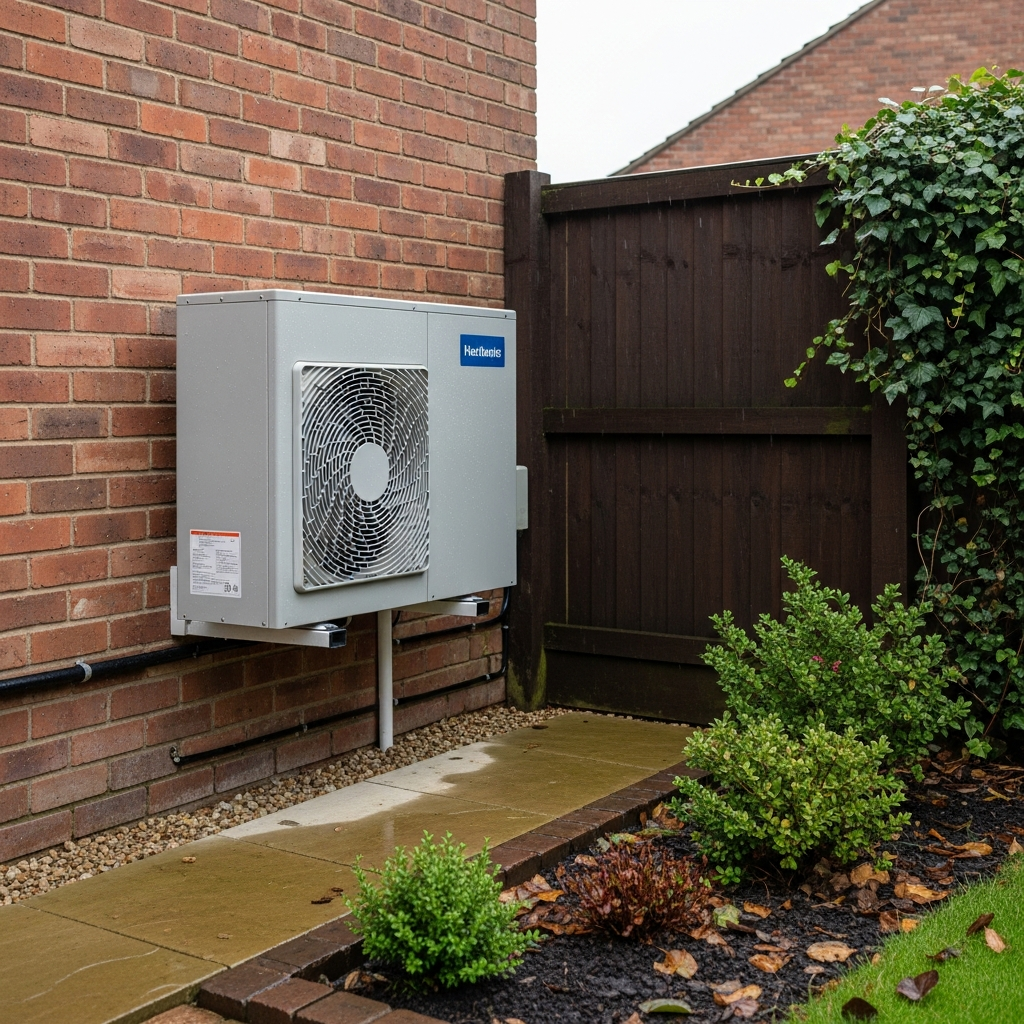
EDF GoElectric is an electric vehicle tariff, not a heat pump tariff. It offers a cheaper overnight rate, and eligibility usually requires an EV or charger. If your household has both an EV and a heat pump, you can schedule heating and hot water into the overnight window too, which suits homes with excellent insulation and large hot water cylinders that can store overnight heat.
In this review, we explain how GoElectric works, who it can suit, and how it compares with Octopus Cosy, a dedicated heat pump tariff. Earlier versions of this page quoted GoElectric unit rates and said no EV was needed; we could not verify those points, so we have removed them. Rates are regional and change often: check EDF's current rates and eligibility. Last reviewed October 2026.
Calculate your heat pump running costs on different tariffs
Use Our Free CalculatorInstant estimate based on your property size and insulation
EDF GoElectric Explained
EDF GoElectric is a two-rate time-of-use tariff aimed at electric vehicle drivers: a cheaper rate overnight and a day rate for everything else. If you are eligible, a heat pump can use the overnight rate as well.
Tariff type
EV tariff
Cheap window
Overnight
Usually requires
EV or charger + smart meter
Unlike Octopus Cosy with its three daily cheap windows, GoElectric offers a single overnight block. This makes it simpler but less flexible: you need to do most of your heat pump's heavy lifting overnight.
GoElectric Rates and Eligibility
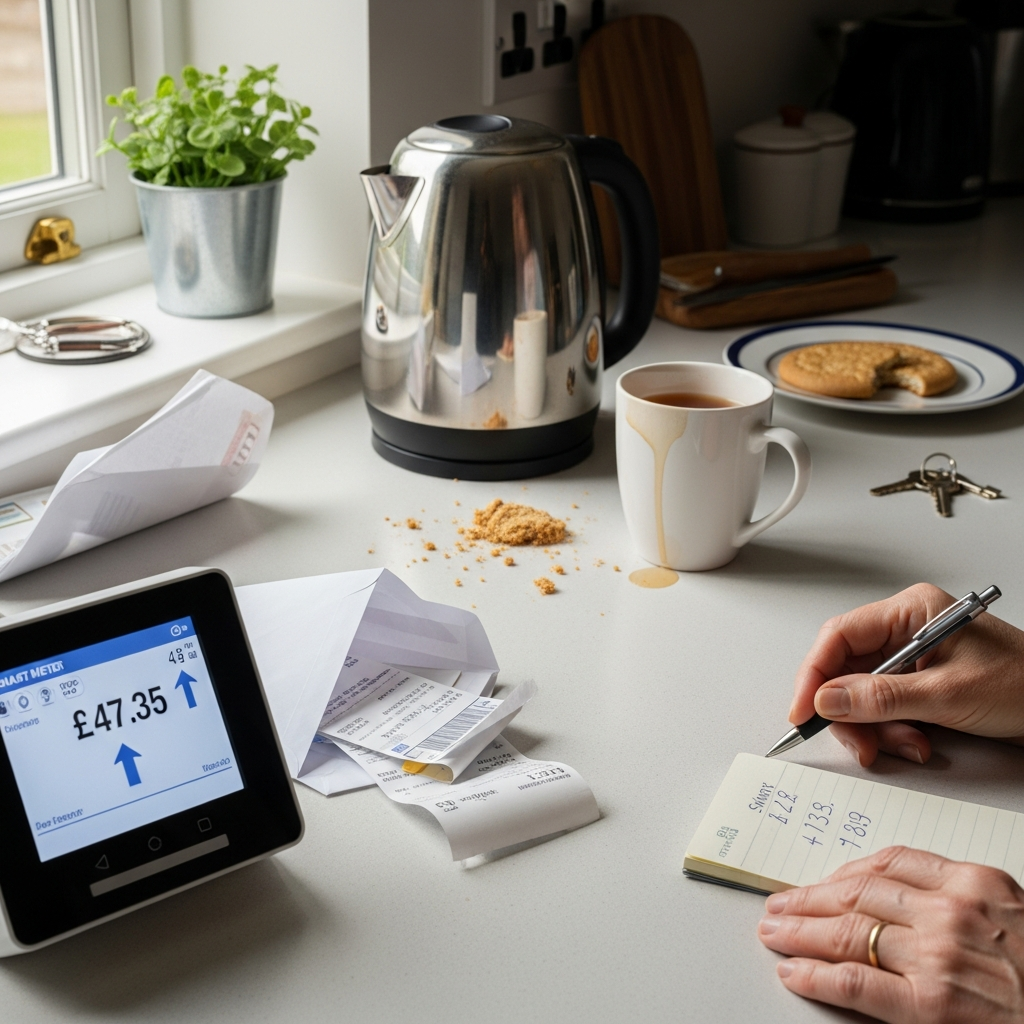
GoElectric rates vary by region and version and change often, so we do not quote point figures here. Check EDF's website for your postcode, including the overnight hours, the day rate and the eligibility rules. As a benchmark, the Ofgem price cap rate for standard variable electricity is 26.32p per kWh for 1 October 2026 to 31 December 2026 (GB average, Direct Debit).
On two-rate tariffs like this the day rate can be higher than the price cap rate, which is the trade-off for cheap overnight electricity. This means you need to shift a meaningful proportion of your usage overnight for the tariff to save money overall.
What Could It Save a Heat Pump Household?
In this illustration, shifting 55% of heat pump use overnight saves about £290 a year. Homes with excellent insulation that can shift more overnight save more; a higher day rate saves less. Use EDF's current rates for your postcode to work out your own figure.
EDF GoElectric vs Octopus Cosy
| Feature | EDF GoElectric | Octopus Cosy |
|---|---|---|
| Tariff type | EV tariff | Heat pump tariff |
| Cheap hours | Overnight only | 8 hours (3 windows) |
| Cheap rate | Check EDF's current rates | 51% below regional day rate |
| Peak rate | No separate peak (day rate) | 50% above day rate (4-7pm) |
| Flexibility | Lower: overnight only | Higher: three windows |
| Best for | EV households with good insulation | Most heat pump homes |
Cosy structure from Octopus Energy. Last reviewed October 2026.
For most heat pump owners, Octopus Cosy is the more flexible choice and does not need an EV. GoElectric can have the edge if you own an electric vehicle (cheap overnight charging as well as heating) and your home is well-insulated enough to store a full night's worth of heat.

Who Does GoElectric Suit?
- EV owners: GoElectric is an EV tariff, so you usually need an electric vehicle or charger; the overnight rate then benefits both your heat pump and your electric vehicle charging
- Homes with excellent insulation: If your home holds heat for 8+ hours after the heat pump switches off, overnight pre-heating can be enough
- Large hot water cylinders: A 250L+ cylinder heated overnight provides hot water all day without daytime reheating
- Homes with solar panels: Solar covers some daytime electricity and the overnight rate covers night-time use
Check if your home is suitable for a heat pump
Free Suitability CheckQuick assessment of your property's heat pump potential
How to Switch to EDF GoElectric
- Visit the EDF website, enter your postcode and check the GoElectric eligibility rules (usually an EV or charger)
- Select the GoElectric tariff if you qualify
- If you are with another supplier, EDF handles the switch
- Ensure you have a smart meter; if not, ask EDF to arrange installation
- Set up your heat pump schedule to maximise overnight operation
For a full comparison of UK heat pump tariffs, see our best heat pump tariff guide and detailed tariff comparison table.
See what a heat pump could save you
Calculate Your SavingsFree, instant results — no email required
Frequently Asked Questions
Is EDF GoElectric a heat pump tariff?
No. GoElectric is an electric vehicle tariff and eligibility usually requires an EV or charger. If you qualify, its cheaper overnight rate can also be used by a heat pump scheduled to run overnight. Check EDF's current eligibility rules.
How does EDF GoElectric compare to Octopus Cosy?
EDF GoElectric is an EV tariff with a single overnight cheap window, while Octopus Cosy is a dedicated heat pump tariff with three cheap windows a day at 51% below the regional day rate. Cosy is more flexible and does not need an EV; GoElectric may suit EV households with excellent insulation. Check each supplier's current rates.
Do I need an electric vehicle for EDF GoElectric?
Usually, yes. GoElectric is marketed as an electric vehicle tariff and eligibility usually requires an EV or charger, as well as a smart meter. Check EDF's current terms before applying.
What are EDF's off-peak hours for GoElectric?
GoElectric has an overnight cheap window. The exact hours can differ between versions of the tariff, so check EDF's current terms.
Can I combine EDF GoElectric with solar panels?
Yes, if you are eligible for GoElectric. Solar panels generate daytime electricity while the overnight rate covers night-time use. Check EDF's current export tariffs for surplus solar generation.
EDF and UK Electricity Decarbonisation
EDF's GoElectric tariff, an EV tariff, reflects the growing recognition that high-electricity households — those with EVs, heat pumps and solar panels — need pricing structures that reward flexible consumption. As the UK grid becomes increasingly powered by renewable energy, overnight electricity prices naturally fall when wind generation exceeds demand. Time-of-use tariffs pass these savings to consumers while encouraging consumption patterns that support grid stability. Combined with proper home insulation and smart heat pump installation, the right tariff can make electric heating genuinely cheaper than gas.