Octopus Energy Heat Pump Tariff Review 2026
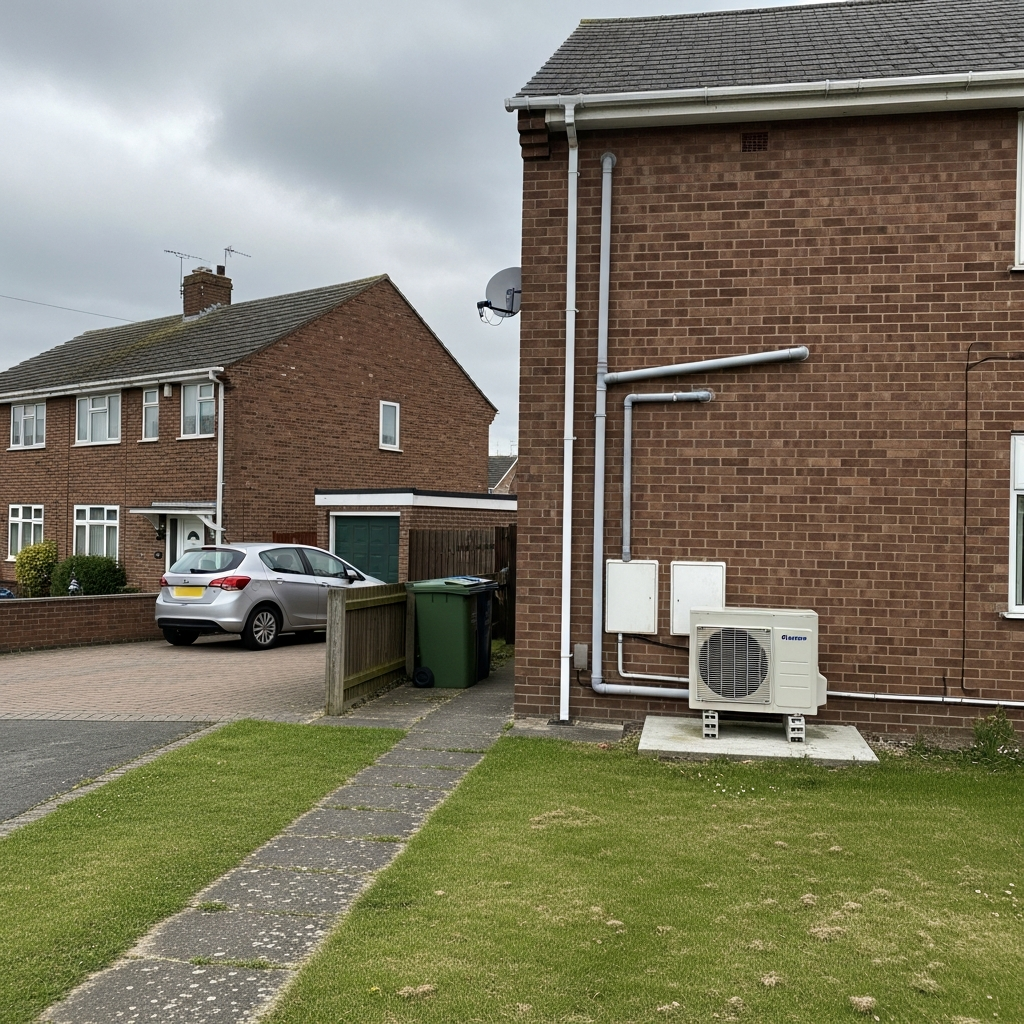
Octopus Energy customers with heat pumps save up to £450 a year compared to standard tariff rates. With three separate tariff products designed for high-electricity households, Octopus has become the default choice for heat pump owners across the UK. But the tariffs are not interchangeable — the wrong Octopus product could leave savings on the table.
We have analysed every Octopus tariff that benefits heat pump owners, calculated real-world savings, and spoken to homeowners using them. Here is our comprehensive review for 2026, covering Cosy Octopus, Intelligent Go, and Agile.
See how much you could save on your heat pump bills
Use Our Free CalculatorInstant estimate based on your property size and insulation level
Octopus Tariffs That Benefit Heat Pump Owners
Octopus does not offer just one heat pump tariff — they have several options, each suited to different situations. Understanding the differences is crucial to picking the right one.
| Tariff | Off-Peak Rate | Cheap Hours/Day | Best For |
|---|---|---|---|
| Cosy Octopus | ~10p/kWh | 9 hours (3 windows) | Most heat pump homes |
| Intelligent Go | ~7-10p/kWh | 6 hours (overnight) | Well-insulated + large cylinder |
| Agile | Variable (5-8p typical) | Varies daily | Technically engaged owners |
| Tracker | N/A (flat daily) | 0 (no off-peak) | Not recommended for heat pumps |
Cosy Octopus
Cosy Octopus is the flagship heat pump tariff and the one most owners should start with. It provides multiple cheap windows throughout the day, specifically timed to align with when heat pump owners typically need to heat their homes.
- Off-peak windows (approximately 10p/kWh): 4am-7am, 1pm-4pm, 10pm-midnight
- Peak window (approximately 30-35p/kWh): 4pm-7pm
- Standard rate (approximately 22-24p/kWh): All other times
- Standing charge: Standard daily standing charge applies
The genius of Cosy is the three off-peak windows. The early morning window lets you pre-heat the house before waking. The afternoon window gives you a mid-day boost. The late evening window is perfect for heating your hot water cylinder overnight. Together, they give you nine hours of cheap electricity per day.
Eligibility: You need a smart meter and a registered heat pump. Octopus will verify your heat pump installation — they usually accept MCS-certified installations or evidence of your heat pump system.
Intelligent Octopus Go
Originally designed for electric vehicle owners, Intelligent Go has become increasingly popular with heat pump households too. It provides a flat cheap rate overnight.
- Off-peak rate (approximately 7-10p/kWh): 11:30pm to 5:30am
- Peak rate (approximately 27-30p/kWh): All other times
The overnight rate is lower than Cosy's off-peak windows, but you only get six hours of cheap electricity instead of nine. This tariff works best if you have a large hot water cylinder (ideally 250 litres or more) and excellent insulation that can hold heat through the day.
Agile Octopus
Agile is for the technically minded. It provides half-hourly pricing that changes throughout the day based on wholesale electricity costs. Overnight rates regularly drop to 5-8p/kWh while peak rates can spike to 35-50p/kWh. Prices occasionally go negative — meaning you get paid to use electricity during periods of high renewable generation.
Agile can deliver the lowest annual costs of any Octopus tariff if you are willing to actively manage consumption. However, it carries more risk — a cold snap with high wholesale prices could mean expensive days.
Real-World Savings: Cosy Octopus vs Standard Tariff
Let us calculate actual savings for a typical UK heat pump household using 4,500 kWh per year for heating.
That saving of nearly £380 is achieved with a realistic 60% shift to off-peak windows. Homeowners with good insulation and thermal mass report shifting 70-80% of usage, pushing savings above £450 per year.
Over the typical 15-20 year lifespan of an air source heat pump, those savings add up to £5,600 to £9,000. That is a significant chunk of the installation cost recovered through smarter energy purchasing alone.

How to Get the Most from Octopus Cosy
Optimise Your Heating Schedule
The key to maximising savings on Cosy is aligning your heat pump schedule with the cheap windows:
- 4am-7am: Run at full capacity to pre-heat the house and hot water
- 7am-1pm: Reduce to minimum or turn off (house coasts on stored heat)
- 1pm-4pm: Boost back up during the afternoon off-peak window
- 4pm-7pm: Reduce to minimum — this is the expensive peak period
- 7pm-10pm: Light top-up at standard rate if needed
- 10pm-midnight: Heat hot water cylinder during final off-peak window
Invest in Insulation
The better your home retains heat, the longer it coasts between off-peak windows. Even modest improvements like loft insulation top-up or draught-proofing can make a meaningful difference to how much you shift away from peak rates.
Consider Solar to Complement Your Tariff
If you pair Octopus Cosy with solar panels, you generate free daytime electricity that covers standard-rate hours, while the heat pump runs on cheap off-peak electricity overnight. This combination can bring total heating electricity costs below £400 per year.
Cosy Octopus vs Intelligent Go: Which Is Better for Heat Pumps?
This is the question most heat pump owners wrestle with. Here is our honest assessment:
Choose Cosy If
Average insulation, want multiple cheap windows, smaller hot water cylinder, prefer lower risk
Choose Intelligent Go If
Excellent insulation, large cylinder (250L+), can do most heating overnight, also have an EV
For most heat pump owners, Cosy is the safer and more flexible choice. Intelligent Go can deliver slightly larger savings in the right circumstances, but Cosy's three daily off-peak windows give you much more room to manoeuvre.
Drawbacks of Octopus Heat Pump Tariffs
No tariff is perfect. Here are the honest downsides:
- Peak rates are high: Cosy's peak rate (30-35p/kWh) is above a standard tariff. If you run your heat pump during peak hours, you pay more than you would on a flat rate
- Requires discipline: You need to actively manage your heating schedule to maximise savings
- Rates change: Octopus adjusts tariff rates periodically with wholesale price movements
- Whole-house tariff: The rates apply to all your electricity, not just the heat pump. If you use lots of electricity during peak hours for cooking or laundry, those costs increase too
- Smart meter essential: No smart meter, no access to time-of-use tariffs
How to Switch to Octopus
Switching to Octopus is straightforward:
- Visit the Octopus Energy website or use a referral link (typically gives you £50 credit)
- Enter your postcode and current energy usage
- Choose your tariff — select Cosy Octopus if you have a heat pump
- Provide your heat pump details when prompted (make, model, MCS certificate number)
- Octopus handles the switch from your existing supplier — typically takes 2-3 weeks
- If you do not have a smart meter, Octopus will arrange installation
There are no exit fees with Octopus (they are a variable-rate supplier on most tariffs), and your supply will not be interrupted during the switch.
Want to compare all UK heat pump tariffs?
Get Free Installer QuotesMCS-certified installers can advise on the best tariff for your setup
Our Verdict
Octopus Energy is the best energy supplier for heat pump owners in 2026. Cosy Octopus strikes the right balance between low off-peak rates and manageable peak rates, with enough cheap windows to suit most households. The potential savings of £350-450 per year make switching a clear decision if you are currently on a standard tariff.
Check our full tariff comparison to see how other suppliers like EDF, Scottish Power, and British Gas stack up, and use our running costs guide to model your specific savings.
Ready to see what a heat pump could save you?
Calculate Your SavingsFree, instant results — no email required
Frequently Asked Questions
Is Octopus Cosy available in my area?
Cosy Octopus is available across Great Britain (England, Scotland, and Wales) wherever Octopus supplies electricity. Enter your postcode on their website to confirm availability and see the exact rates for your region, as they vary slightly by area.
Can I switch between Octopus tariffs easily?
Yes, you can switch between Octopus tariffs without penalty. If you try Cosy and find it does not suit your lifestyle, you can move to Intelligent Go, Agile, or their standard Flexible tariff. Changes typically take effect within a few days.
Does Octopus work with all heat pump brands?
The tariff works with any heat pump — Cosy Octopus does not integrate directly with your heat pump system. You simply schedule your heat pump's timer to align with the cheap windows. Some newer heat pump models from brands like Vaillant and Samsung have Octopus integration features, but they are not required.
What if my smart meter does not work properly?
If your smart meter loses connection or is not sending half-hourly data, Octopus may bill you on estimated usage at the standard rate until the issue is resolved. Contact them to arrange a meter check or replacement if this happens.
Can I use Cosy Octopus without a heat pump?
Cosy is specifically for heat pump owners and you need to provide evidence of your installation. If you do not have a heat pump, consider Intelligent Go or Agile instead, which are open to all customers with a smart meter.
How do Octopus rates compare to the Ofgem price cap?
Octopus's standard rate on Cosy is generally at or slightly below the Ofgem price cap. The off-peak rates are significantly below the cap. The peak rate exceeds the cap, but since it only applies for three hours per day, most customers pay less overall than they would on a capped flat-rate tariff.
Octopus Energy and the UK Heat Pump Market
Octopus Energy has become a key enabler of the UK's heat pump transition, offering tariff products that directly address the electricity-to-gas price disparity that makes some homeowners hesitant. Through their partnership with heat pump manufacturers and the Boiler Upgrade Scheme, they are creating integrated packages that combine installation with optimised energy purchasing. Combined with solar panel systems and smart home controls, Octopus tariffs form part of a broader whole-home decarbonisation strategy that reduces both running costs and carbon emissions.