Home Heat Pump Guide

Heat Pump and Economy 7: Is It Compatible?
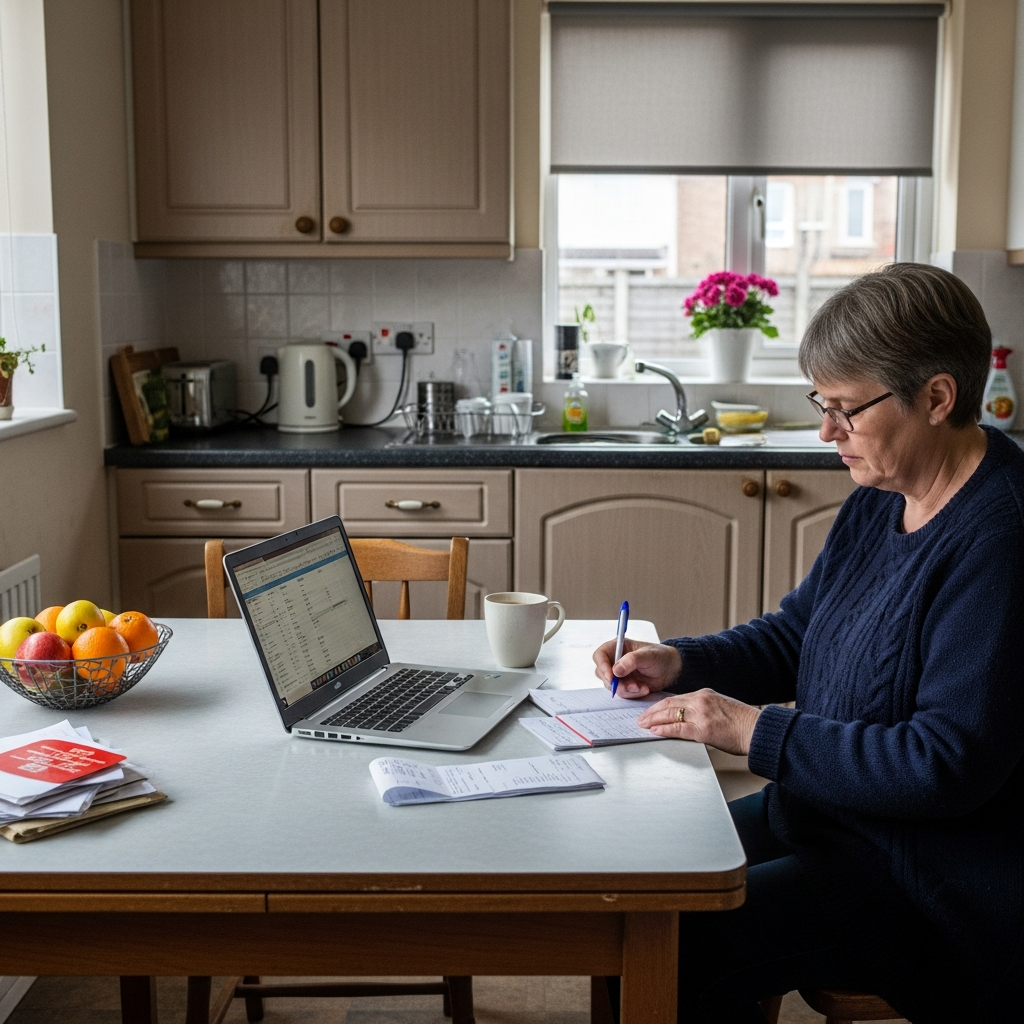
If your home is currently on an Economy 7 tariff — or you are considering switching to one — you might wonder whether it makes sense to pair it with a heat pump. After all, cheap overnight electricity sounds like a perfect match for a system that runs on electricity rather than gas.

The short answer is yes, you can run a heat pump on Economy 7. But in most cases, it is not the ideal tariff for a heat pump. Modern time-of-use tariffs offer a smarter, more flexible alternative. Here is the full picture so you can make the right choice for your household.

What Is Economy 7?

Economy 7 is a two-rate electricity tariff that has been available in the UK since the 1970s. It gives you seven hours of cheaper electricity overnight — typically between midnight and 7am, although the exact hours vary by region and supplier.

The off-peak rate is significantly cheaper than the daytime rate. As of early 2026, typical Economy 7 rates look something like this:

  • Off-peak rate (overnight): 10p to 14p per kWh
  • Peak rate (daytime): 28p to 35p per kWh
  • Standard flat rate (for comparison): 24p per kWh

Economy 7 was originally designed for storage heaters — big, heavy units that charge up with cheap overnight electricity and release heat gradually during the day. The tariff structure made perfect sense for that technology.

Can a Heat Pump Run on Economy 7?

Technically, yes. A heat pump does not care which tariff you are on — it draws electricity from the mains in the same way regardless. The question is whether Economy 7's pricing structure actually benefits you.

The Problem: Heat Pumps Need Daytime Electricity Too

Unlike storage heaters, a heat pump typically runs during the day as well as overnight. Most heat pump systems are designed to maintain a steady indoor temperature by running at low output for extended periods. This is how they achieve their best efficiency — running gently rather than blasting on and off.

On Economy 7, any electricity your heat pump uses during daytime hours is charged at the peak rate — which is typically 15% to 45% more expensive than a standard flat-rate tariff. If your heat pump runs for 16 hours a day in winter and only 7 of those hours fall within the off-peak window, a significant chunk of your consumption is being charged at the higher rate.

When Economy 7 Could Work

There are some scenarios where Economy 7 might still make sense with a heat pump:

  • Large thermal mass homes: If your property has underfloor heating in a concrete slab, you can pre-heat the slab overnight using cheap electricity. The thermal mass releases heat slowly throughout the day, reducing how hard the heat pump needs to work during peak hours.
  • Hot water heating overnight: You can programme the heat pump to heat your cylinder overnight during off-peak hours. Since hot water heating requires higher flow temperatures and uses more electricity, shifting this to the cheap rate makes a meaningful difference.
  • Well-insulated homes: In a highly insulated property, you can raise the temperature overnight and the house holds its warmth well into the day, reducing daytime electricity consumption.
  • Combined with solar panels: If you have solar panels, daytime electricity from the sun offsets the expensive peak rate, while overnight heating uses the cheap off-peak rate.

Why Time-of-Use Tariffs Are Usually Better

Economy 7 is a relic of the 1970s. Modern time-of-use tariffs are far more sophisticated and better suited to heat pumps. Here are the main options available in 2026:

Octopus Agile

This tariff changes price every 30 minutes based on wholesale electricity costs. Prices are published the evening before, so you can programme your heat pump to run harder when electricity is cheapest. During windy nights, prices can drop below 5p per kWh — and occasionally go negative, meaning you are paid to use electricity.

Octopus Cosy

Specifically designed for heat pump households, Cosy offers cheap rates during three periods per day — typically early morning, early afternoon, and late evening. This aligns well with typical heat pump operation patterns and avoids the Economy 7 problem of expensive daytime electricity.

Octopus Go / Intelligent Go

Originally aimed at EV owners, these tariffs offer very cheap overnight rates (often 7p to 9p per kWh) with a more reasonable daytime rate than Economy 7. If you also have an electric vehicle, these can be excellent.

British Gas PeakSave

This offers credits for reducing electricity usage during peak demand periods, which can complement any base tariff.

You Will Need a Smart Meter

Whichever tariff you choose, you will almost certainly need a smart meter to get the best deal. Here is why:

  • Time-of-use tariffs require one: Tariffs like Octopus Agile and Cosy need half-hourly consumption data, which only a smart meter (specifically SMETS2) can provide.
  • Economy 7 traditionally uses a dual-rate meter: The old-style Economy 7 meters are being phased out. A smart meter can replicate Economy 7 pricing while also giving you the flexibility to switch to a better tariff later.
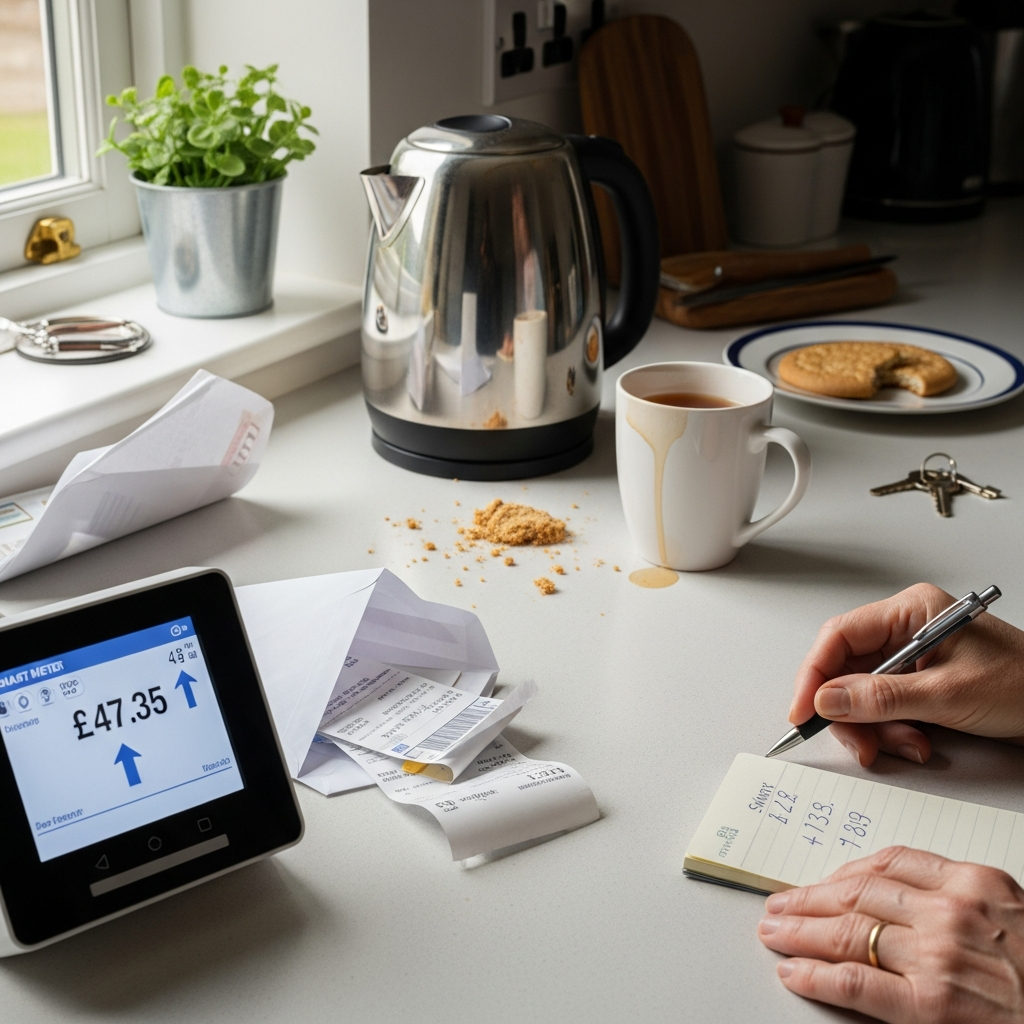
  • Monitoring and optimisation: A smart meter lets you track exactly how much your heat pump is using at different times, which is essential for optimising your heating schedule to match your tariff.

If you do not already have a smart meter, your energy supplier must install one for free on request. The process typically takes two to four weeks from booking.

How to Optimise a Heat Pump on Any Tariff

Regardless of which tariff you choose, these strategies help you minimise electricity costs:

1. Use Weather Compensation

Most modern heat pumps have a weather compensation feature that adjusts the flow temperature based on outside air temperature. This means the system works harder (and uses more electricity) when it is cold and backs off when it is milder. Combined with a time-of-use tariff, you can let the system do most of its heavy lifting during cheaper periods.

2. Pre-heat With a Buffer

If your system includes a buffer tank or you have underfloor heating with significant thermal mass, programme the heat pump to raise the temperature during off-peak hours. The stored heat carries you through the more expensive periods with less electricity needed.

3. Set Back, Don't Switch Off

Dropping the target temperature by 1°C to 2°C during peak-rate hours is more efficient than switching the heat pump off entirely. Reheating a cold house from scratch uses far more electricity than maintaining a slightly lower temperature.

4. Heat Water Overnight

Programme your hot water cylinder to heat during off-peak hours. A well-insulated cylinder loses only 1°C to 2°C over 24 hours, so heating once overnight can provide hot water all day without touching the expensive daytime rate.

Running the Numbers: Economy 7 vs Modern Tariffs

Let us compare the annual electricity cost for a typical 3-bedroom semi-detached house with an air source heat pump using approximately 4,500 kWh per year for heating and hot water.

Economy 7

  • Estimated 40% off-peak usage (1,800 kWh at 12p): £216
  • Estimated 60% peak usage (2,700 kWh at 32p): £864
  • Total: approximately £1,080

Flat-Rate Tariff

  • 4,500 kWh at 24p: approximately £1,080

Octopus Cosy (Heat Pump Tariff)

  • Estimated 55% cheap-rate usage (2,475 kWh at 10p): £248
  • Estimated 45% standard-rate usage (2,025 kWh at 27p): £547
  • Total: approximately £795

The difference is stark. A dedicated heat pump tariff could save you around £285 per year compared to Economy 7 or a flat rate. Over the 20-year lifespan of a heat pump, that adds up to over £5,000.

What If You Already Have Economy 7?

If you are currently on Economy 7 — perhaps because you have storage heaters that are being replaced by a heat pump — here is what to do:

  1. Get a smart meter installed before or shortly after your heat pump installation.
  2. Compare time-of-use tariffs using a tool like the Octopus Energy comparison or Energy Helpline.
  3. Switch tariffs — this is usually free and takes only a few days with a smart meter in place.
  4. Monitor and adjust — use your smart meter data to see when your heat pump uses the most electricity and adjust your heating schedule accordingly.

There is no penalty for leaving Economy 7, and the switch can usually be done without any physical changes to your meter if you already have a SMETS2 smart meter.

Frequently Asked Questions

Can I use Economy 7 off-peak hours to heat my house with a heat pump?

Yes, you can programme your heat pump to do most of its heating overnight during off-peak hours. However, in most homes the heat pump will also need to run during the day, especially in winter, and those hours will be charged at the higher daytime rate. Modern time-of-use tariffs like Octopus Cosy usually work out cheaper overall.

Do I need to change my meter to switch from Economy 7?

If you have a SMETS2 smart meter, your supplier can switch you to a different tariff remotely without changing the meter. If you have an older dual-rate meter, you may need a smart meter installed first — which is free from all suppliers.

Is Economy 10 better than Economy 7 for a heat pump?

Economy 10 gives you 10 hours of off-peak electricity split across three periods (typically overnight, an afternoon block, and an evening block). The extra off-peak hours during the day make it slightly better for heat pumps than Economy 7, but dedicated heat pump tariffs are still usually the best option.

Will my heat pump installer advise on the best tariff?

Some installers offer tariff advice, but it is not a standard part of the service. It is worth asking during your initial consultation, but you may want to do your own research using your smart meter data once the system is running.

Can I use Economy 7 with a heat pump and solar panels together?

You can, and the combination can work reasonably well — solar covers daytime electricity while Economy 7 covers the overnight heating. However, an export tariff like the Smart Export Guarantee combined with a time-of-use import tariff often gives even better economics.

The Bottom Line

Economy 7 is compatible with a heat pump, but it is rarely the best tariff choice. The expensive daytime rate can cancel out any savings from cheap overnight electricity, particularly in winter when your heat pump is running for most of the day.

For most UK heat pump owners in 2026, a dedicated time-of-use tariff — particularly one designed for heat pumps — will deliver significantly lower running costs. The key enabler is a smart meter, which you will want regardless of which tariff you choose.

If you are planning a heat pump installation, factor your electricity tariff into the overall economics. The right tariff can save you hundreds of pounds a year — making the difference between a heat pump that is marginally cheaper than gas and one that is dramatically cheaper.