Can a Heat Pump Work in a Poorly Insulated Home?

This is one of the most common questions we receive, and the answer is important to get right. Yes, a heat pump can absolutely work in a poorly insulated home. Thousands of UK homes with mediocre or poor insulation are running heat pumps successfully right now. But — and this is a significant but — the system will be less efficient, potentially larger, and more expensive to run than in a well-insulated property.
The question is not really "can it work?" but rather "should you insulate first, and if so, what?" This guide gives you the honest picture of what to expect and what to prioritise, so you can make informed decisions about your home and your budget.
What Counts as "Poorly Insulated"?
Before diving in, let us define what we mean. A poorly insulated home typically has some or all of these characteristics:
- Thin or no loft insulation: Less than 100mm, or none at all
- Unfilled cavity walls: Post-1920s construction with empty wall cavities
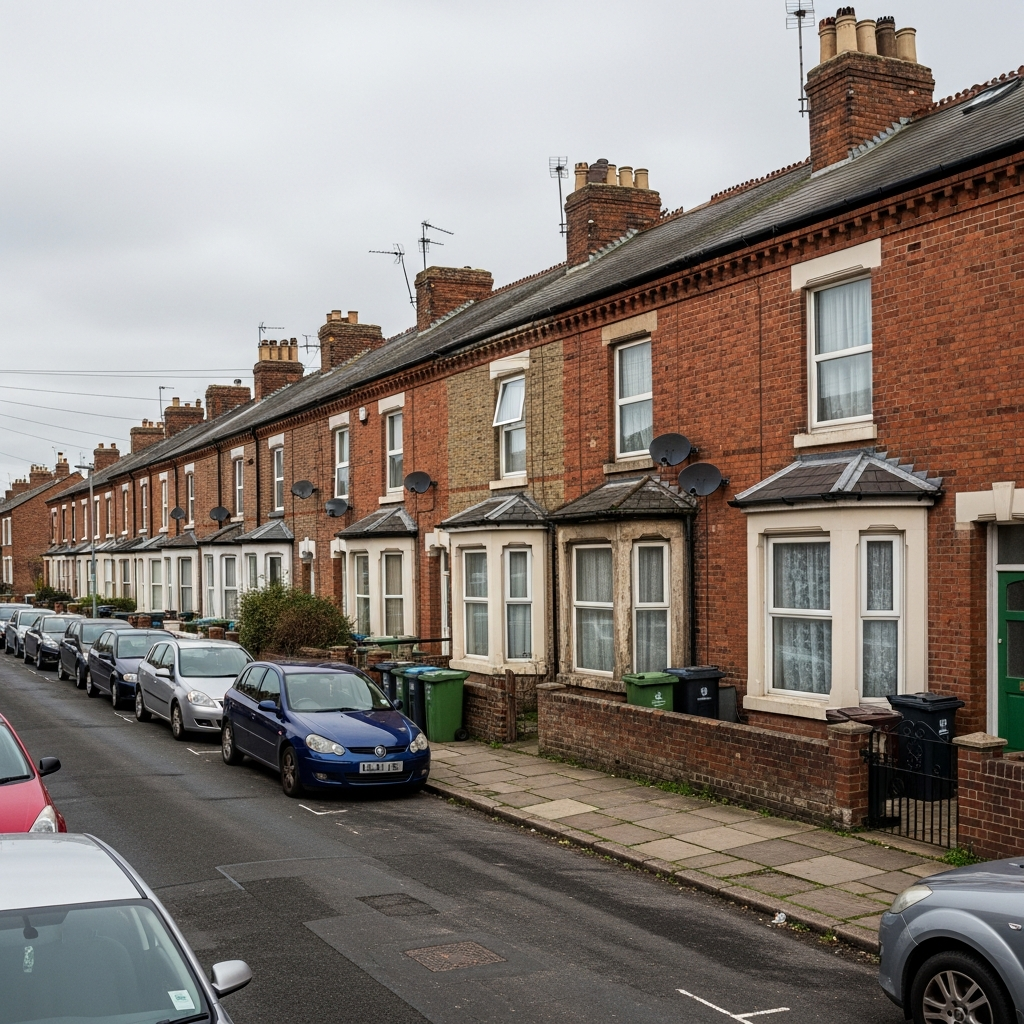
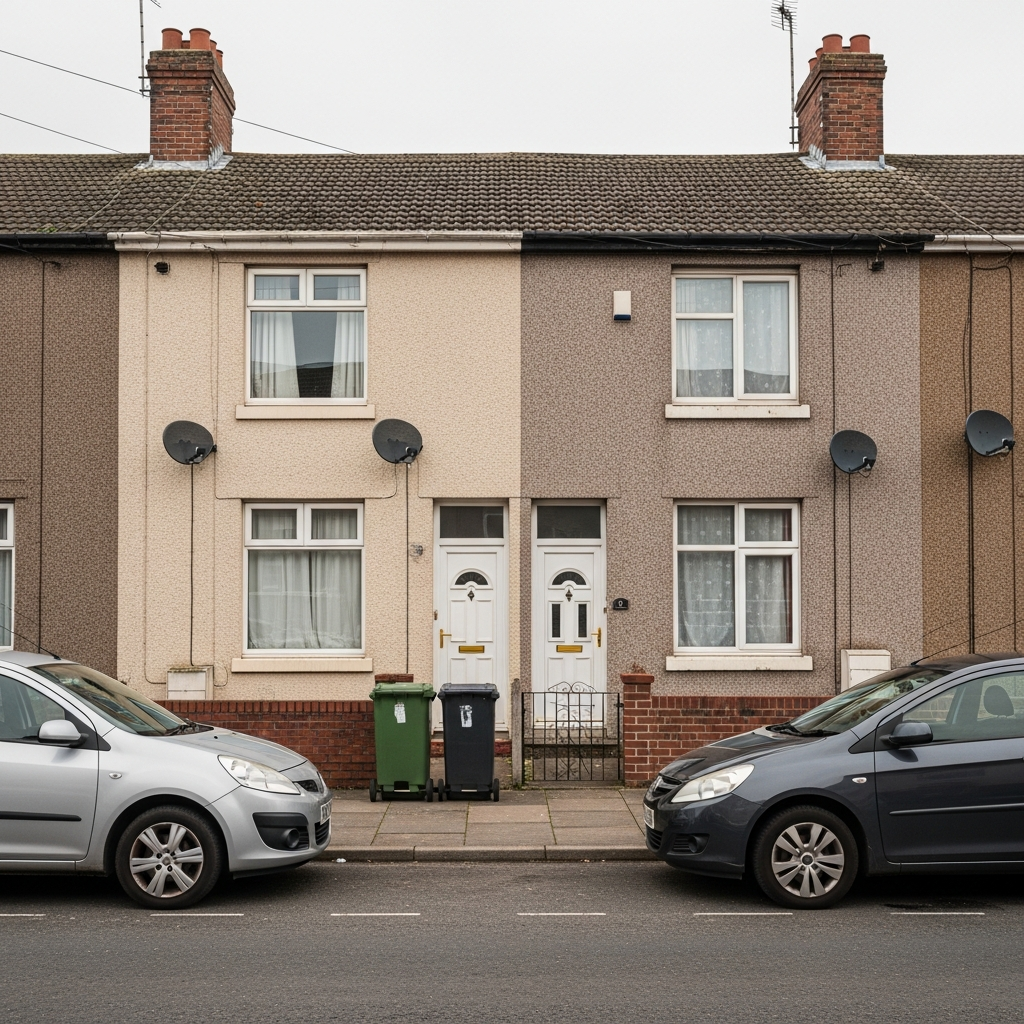
- Solid walls with no insulation: Pre-1920s construction (Victorian, Edwardian, or older)
- Single glazing: Original windows without double or triple glazing
- Draughty doors and windows: Air infiltration through gaps, cracks, and poor seals
- Uninsulated floors: Suspended timber or bare concrete with no insulation
A home with all of these issues would have an EPC rating of F or G. Most poorly insulated homes fall into the D-E range, with some but not all of these problems. The more issues present, the harder the heat pump has to work — but even the worst cases are not necessarily deal-breakers.
How Poor Insulation Affects Heat Pump Performance
Higher heat demand
A well-insulated three-bedroom semi might have a peak heat demand of 5-6 kW. The same house with poor insulation could have a peak demand of 10-14 kW. This higher demand means you need a larger heat pump, which costs more to buy and more to run.
Higher flow temperatures needed
With greater heat loss, the heat pump may need to run at higher flow temperatures (45-55°C instead of 30-40°C) to maintain comfortable room temperatures. Higher flow temperatures mean lower COP — typically 2.5-3.0 instead of 3.5-4.0. This directly translates to higher electricity bills.
Larger or upgraded radiators
To deliver more heat, you may need larger radiators or additional radiators in key rooms. This adds to installation cost. Alternatively, upgrading to double-panel convector radiators can increase heat output significantly without changing every radiator in the house.
Running cost impact
Let us put numbers on this. For the same three-bedroom semi:
- Well insulated (COP 3.8): 8,000 kWh heat demand, 2,105 kWh electricity, £505/year
- Moderately insulated (COP 3.2): 12,000 kWh heat demand, 3,750 kWh electricity, £900/year
- Poorly insulated (COP 2.7): 16,000 kWh heat demand, 5,926 kWh electricity, £1,422/year
The difference between well and poorly insulated is nearly £920 per year in running costs. That is a compelling argument for improving insulation, even if you cannot achieve perfect levels.
What to Improve First: The Priority List
If your home is poorly insulated and you want a heat pump, here is the most cost-effective upgrade sequence. You do not need to do everything — each step delivers genuine improvement.
Priority 1: Draught-proofing (£100-600)
The cheapest and often most impactful single upgrade. Seal gaps around windows, doors, letterboxes, loft hatches, and where pipes penetrate walls. Professional draught-proofing costs £300-600; DIY with weatherstripping tape, brushes, and sealant costs £100-200. Draughts can account for 15-25% of heat loss, and eliminating them makes the house feel warmer immediately.
Priority 2: Loft insulation (£300-600)
If you have less than 270mm, top up. If you have nothing, install it. Heat rises, and an uninsulated loft can account for 25% of your total heat loss. Topping up from 100mm to 270mm costs £300-500 for a typical semi and can reduce overall heat demand by 10-15%. This is a no-brainer upgrade. See our loft insulation guide for full details.
Priority 3: Cavity wall insulation (£500-1,500)
If your home has unfilled cavity walls, this is the single most impactful upgrade. Walls account for roughly 35% of heat loss in a typical home, and filling the cavities reduces that by 60-70%. The process takes a day, causes minimal disruption, and often qualifies for grants through ECO4 or the Great British Insulation Scheme. Full details in our cavity wall insulation guide.
Priority 4: Hot water cylinder and pipe insulation (£50-200)
If your hot water cylinder lacks a jacket or has a thin one, upgrading to a proper insulating jacket or replacing with a factory-insulated cylinder reduces heat loss significantly. Lagging exposed heating pipes costs very little and prevents wasted heat.
Priority 5: Window improvements (£200-10,000)
If you still have single glazing, replacing with double or triple glazing makes a substantial difference. However, windows are expensive — £5,000-10,000 for a whole house. If budget is tight, prioritise the worst-performing windows (typically large north-facing ones) and consider secondary glazing (£100-200 per window) as a cheaper alternative.
Priority 6: Solid wall insulation (£5,000-15,000)
For pre-1920s solid-wall homes, this is the big one. Internal or external wall insulation dramatically reduces heat loss but involves significant cost and disruption. See our solid wall insulation guide for full details on options, costs, and whether it is right for your situation.
The "Good Enough" Approach
Here is a pragmatic truth that often gets lost in the insulation debate: you do not need to fully insulate your home before installing a heat pump. What you need is "good enough" insulation to make the heat pump work reasonably efficiently.
For most homes, "good enough" means:
- Loft insulation topped up to at least 200mm (ideally 270mm)
- Cavity walls filled (if applicable)
- Major draughts sealed
- Double glazing throughout (or at minimum in main living spaces)
These upgrades can typically be completed for £1,000-3,000 and will bring a poorly insulated home to a level where a heat pump operates well. You may not achieve the theoretical maximum COP of 4.0, but a COP of 3.0-3.5 is realistic and delivers reasonable running costs.
Solid wall insulation, floor insulation, and triple glazing are desirable but not essential. They fall into the "nice to have" category that you can address over time, potentially as grants become available or when other renovation work is planned.
Real-World Examples: Heat Pumps in Poorly Insulated UK Homes
Case study 1: 1930s semi with unfilled cavities
A three-bedroom 1930s semi in the Midlands with unfilled cavity walls, 100mm loft insulation, and original double glazing. The owners installed cavity wall insulation (£800) and topped up the loft to 300mm (£400) before fitting an 8.5 kW air source heat pump. Result: COP of 3.3, annual heating cost of £850, and comfortable temperatures throughout. Without the insulation upgrades, the installer estimated they would have needed a 12 kW unit at higher running costs.
Case study 2: Victorian terrace with solid walls
A two-bedroom Victorian terrace in Yorkshire with solid brick walls, 150mm loft insulation, and replacement double glazing. No wall insulation was fitted due to cost. The installer specified a 10 kW heat pump with upgraded radiators in the living room and main bedroom. Result: COP of 2.8, annual heating cost of £1,100. Not as efficient as a well-insulated home, but the owners previously paid £1,400 for gas heating plus £200 for boiler maintenance, so they are slightly better off financially and significantly better for carbon emissions.
Case study 3: 1960s detached with partial improvements
A four-bedroom 1960s detached in Surrey. Cavity walls already filled, loft insulation topped up to 270mm, but original single-glazed windows in three bedrooms. The owners replaced the worst windows (north-facing bedrooms, £3,500) and added secondary glazing to the others (£600). An 11 kW air source heat pump was installed with weather compensation. Result: COP of 3.4, annual heating cost of £780, with plans to replace remaining windows over the next few years.
What Your Installer Should Tell You
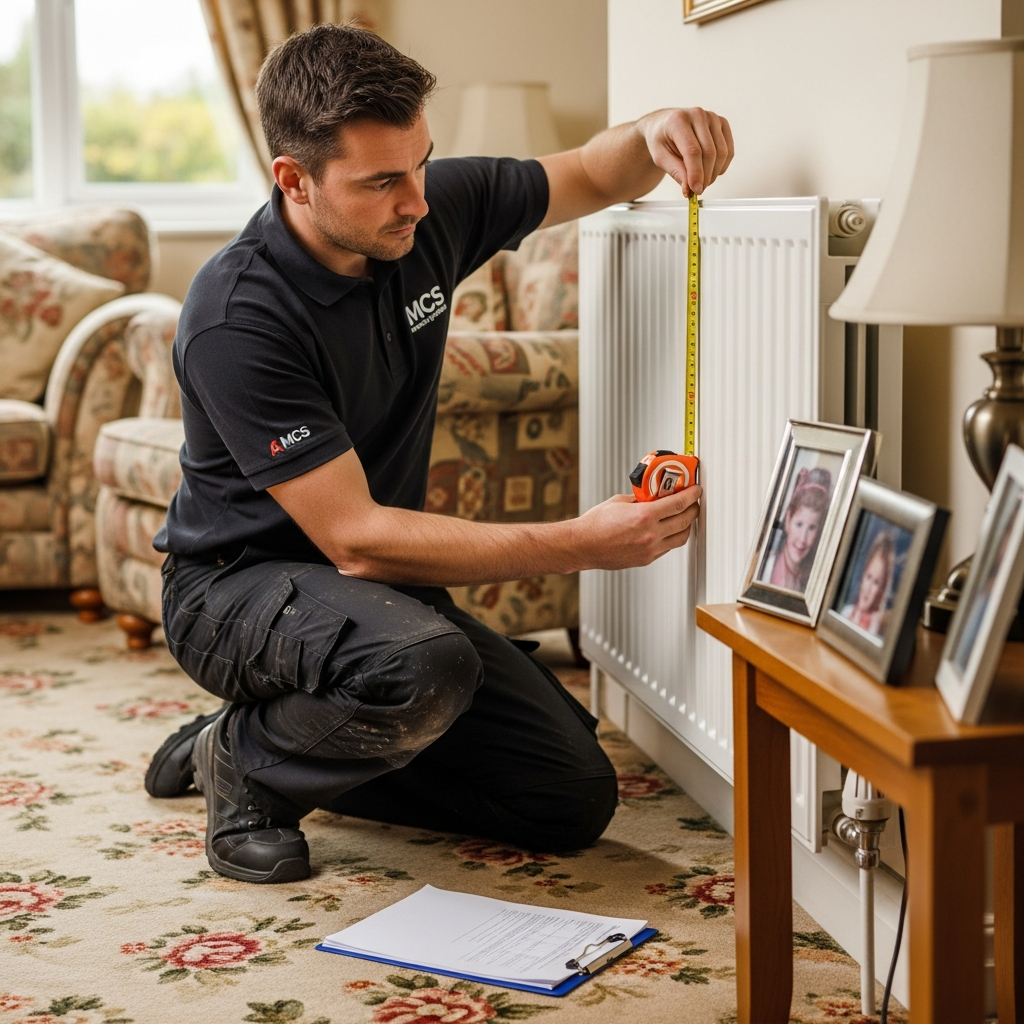
A good MCS-certified installer will:
- Conduct a thorough heat loss survey: Measuring actual insulation levels in every room
- Recommend specific insulation upgrades: With cost estimates and impact on system sizing
- Size the heat pump for your actual home: Not an idealised version with upgrades you have not yet done
- Discuss the trade-offs: Between insulating now versus installing a larger heat pump
- Design for future improvements: Selecting a system that can be optimised as insulation is added later
Be wary of any installer who does not discuss insulation at all, or who dismisses your home as "unsuitable" without explaining what improvements would make it work. Almost every home can accommodate a heat pump — the question is whether the economics make sense at your current insulation level or whether some upgrades should come first.
Use our suitability checker for an initial assessment, then get quotes from at least three MCS-certified installers who will survey your home in person.
The Financial Argument for Insulating Before Installing
Consider this comparison for a poorly insulated three-bedroom semi:
Option A: Install heat pump without insulation upgrades
- Heat pump cost: £12,000 (larger unit needed)
- BUS grant: -£7,500
- Your cost: £4,500
- Annual running cost: £1,422
Option B: Insulate first, then install heat pump
- Insulation cost: £1,800 (loft, cavity, draught-proofing)
- Heat pump cost: £10,000 (smaller unit sufficient)
- BUS grant: -£7,500
- Your cost: £4,300
- Annual running cost: £900
Option B costs £200 less upfront and saves £522 per year in running costs. Over 10 years, that is £5,220 in savings. The insulation pays for itself in under four years and continues delivering savings for decades. This is why the fabric-first approach is so strongly recommended.
Frequently Asked Questions
Can a heat pump heat a draughty house?
A heat pump can heat a draughty house, but it will use more electricity to do so. Draughts let warm air escape and cold air enter, forcing the heat pump to work harder. Draught-proofing is the cheapest and most effective first step — £100-600 to seal gaps around doors, windows, and other penetrations. This single upgrade can reduce heat demand by 10-20%.
Will a heat pump work with single glazing?
Yes, but single glazing loses roughly twice as much heat as double glazing. If only a few windows are single-glazed, the heat pump can cope — the installer will account for this in the design. If most windows are single-glazed, consider at least secondary glazing (£100-200 per window) to reduce heat loss before installation.
Do I need to insulate my solid walls before getting a heat pump?
No, but it helps enormously. Solid wall insulation is expensive (£5,000-15,000) and many homeowners choose to install a heat pump without it, accepting higher running costs. If budget allows, even partial solid wall insulation (e.g., insulating the worst-performing walls or main living spaces) delivers significant benefit. Grants may be available through ECO4 or HUG2.
What COP can I expect in a poorly insulated home?
In a poorly insulated home, the heat pump typically runs at higher flow temperatures (45-55°C), resulting in a seasonal COP of 2.5-3.0. This compares to 3.5-4.0 in a well-insulated home. While lower, even a COP of 2.5 means you are getting 2.5 kWh of heat for every 1 kWh of electricity — still far more efficient than any direct electric heater.
Should I wait to insulate before getting a heat pump?
If affordable insulation upgrades (loft, cavity walls, draught-proofing) are practical, doing them before or alongside the heat pump installation is ideal. However, do not delay indefinitely waiting for perfect insulation — the BUS grant is available now and has a finite budget. A pragmatic approach is to do the quick wins, install the heat pump, and plan further insulation improvements over time.
Can I improve insulation after the heat pump is installed?
Absolutely. Adding insulation after installation is straightforward and the heat pump will automatically benefit — reduced heat demand means it runs less, uses less electricity, and can potentially operate at lower flow temperatures. Some owners add loft insulation or cavity wall insulation in the first year of heat pump ownership after seeing their actual energy consumption.