Smart Meter and Heat Pump: How to Monitor Usage
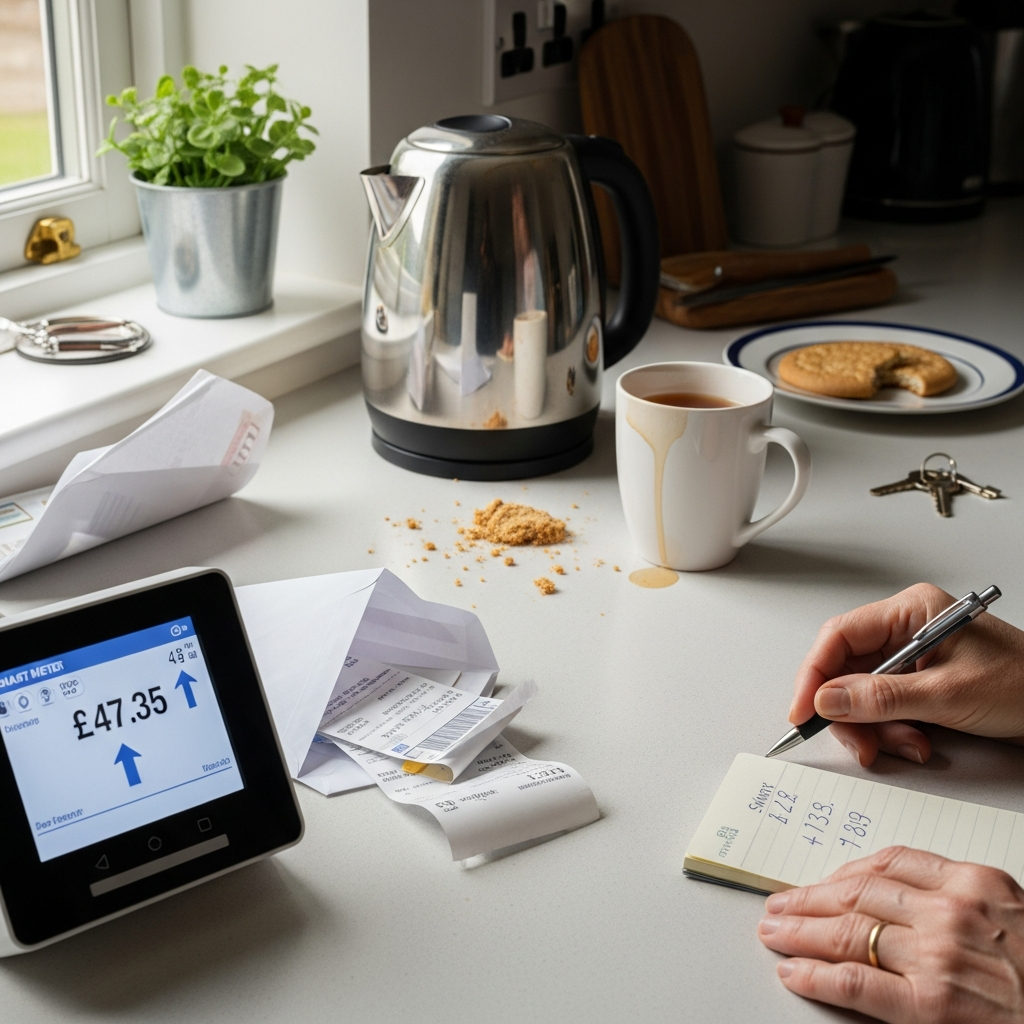
A smart meter unlocks £300-450 in annual savings on heat pump electricity — and gives you the data to save even more. Without one, you cannot access time-of-use tariffs with cheap off-peak rates, and you have no visibility into when your heat pump is drawing expensive electricity.
This guide shows you how to use your smart meter to monitor your heat pump electricity usage, identify waste, and optimise your heating schedule for the lowest possible bills.
See what your heat pump should cost to run
Use Our Free CalculatorEstimates include tariff-optimised costs based on your property
Why a Smart Meter Is Essential
Tariff Access
Unlocks Octopus Cosy and other time-of-use tariffs
Half-Hourly Data
See exactly when your heat pump draws power
Savings Potential
£300-450/year from tariff switch alone
Installation Cost
Free — your legal right
How to Monitor Your Heat Pump Usage
- In-home display (IHD): Shows real-time electricity consumption in kW and daily totals in kWh and pounds
- Supplier app: Octopus, EDF, E.ON and others provide apps showing half-hourly consumption data, cost breakdowns by rate band, and historical trends
- Heat pump app: Many heat pumps (Vaillant, Daikin, Samsung) have their own monitoring apps showing heat output, electricity input, and calculated COP
- Third-party monitors: Devices like the Sense energy monitor or Loop can provide deeper insights into household energy consumption
Using Data to Optimise Your Schedule
Review your half-hourly data weekly for the first few months after installing your heat pump or switching to a time-of-use tariff. Look for:
- Peak-hour usage spikes: Is your heat pump running during 4-7pm on Cosy? Adjust your schedule to avoid this
- Hot water reheating at wrong times: Is the cylinder reheating during expensive periods? Schedule it for 10pm-midnight off-peak
- Overnight standby consumption: Standby power of 20-50W is normal — anything higher suggests an issue
- Defrost cycle patterns: Winter defrost cycles use extra electricity — understanding when they occur helps you schedule around them
Many heat pump owners find they can reduce consumption by 10-15% simply by identifying and fixing scheduling inefficiencies revealed by their smart meter data.
Getting a Smart Meter Installed
- Contact your energy supplier by phone, app, or online
- Request a SMETS2 smart meter installation (it is your legal right)
- The supplier schedules an appointment — typically 2-6 weeks wait
- Installation takes 30-60 minutes for a straightforward meter swap
- Once installed, you can access time-of-use tariffs immediately
With your smart meter active, switch to Octopus Cosy or another heat pump tariff to start saving immediately.
Ready to optimise your heat pump setup?
Get Free Installer QuotesMCS installers can review your smart meter data for optimisation opportunities
Calculate your heat pump running costs
Try the Free CalculatorSee costs on different tariffs for your property
Frequently Asked Questions
Do I need a smart meter for a heat pump?
A smart meter is not required to operate a heat pump, but it is essential for accessing time-of-use tariffs that save £300-450 per year. It also provides half-hourly data that helps optimise your schedule.
How can I see how much electricity my heat pump uses?
Your smart meter's in-home display shows real-time and daily usage. Your energy supplier's app shows half-hourly consumption. Some heat pumps also have built-in monitoring via their own apps.
What type of smart meter do I need?
A SMETS2 smart meter is the current standard and works with all UK suppliers. Older SMETS1 meters have largely been remotely upgraded to work across suppliers.
Can a smart meter help me save money with a heat pump?
Yes. It unlocks time-of-use tariffs and provides data to identify scheduling inefficiencies. Combined with solar panels, the data helps maximise self-consumption too.
How long does smart meter installation take?
Installation takes 30-60 minutes. From request to appointment typically takes 2-6 weeks.
Smart Meters and the Intelligent Home Energy System
Smart meters are the foundation of intelligent home energy management. They enable time-of-use tariffs, provide data for system optimisation, and connect with solar panels, batteries, and smart controls to create a coordinated home energy system. As the Boiler Upgrade Scheme drives heat pump adoption and insulation standards improve, smart meters become the hub that links all these technologies — ensuring your running costs stay as low as possible.