Home Heat Pump Guide

Heat Pump and Existing Heating System: Compatibility
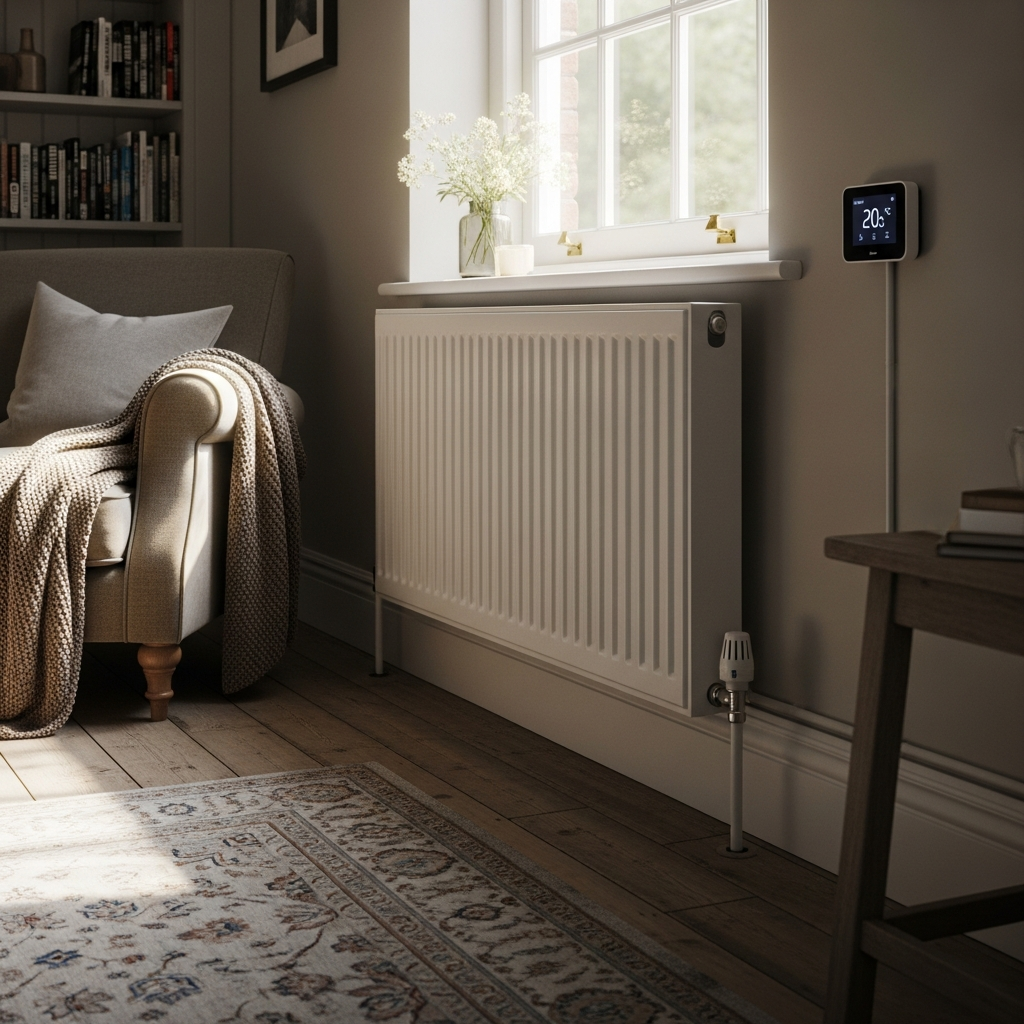
One of the biggest questions homeowners ask before switching to a heat pump is: "Can I keep my existing radiators and pipes?" The short answer is usually yes — most of the time, the bulk of your existing heating system can stay. But some components may need upgrading, and understanding what changes is essential for realistic budgeting and expectations.

This guide walks through every part of your existing heating system and explains what is likely to stay, what might need changing, and why.

The Big Picture: What Changes and What Stays

When you switch from a gas or oil boiler to a heat pump, here is a summary of what typically happens to each component:

  • Boiler: Removed entirely
  • Gas supply: Capped off (can be decommissioned later)
  • Flue: Removed or sealed
  • Radiators: Most stay — some may need upgrading
  • Pipework: Usually stays
  • Underfloor heating: Stays — ideal for heat pumps
  • Thermostat/controls: Usually replaced
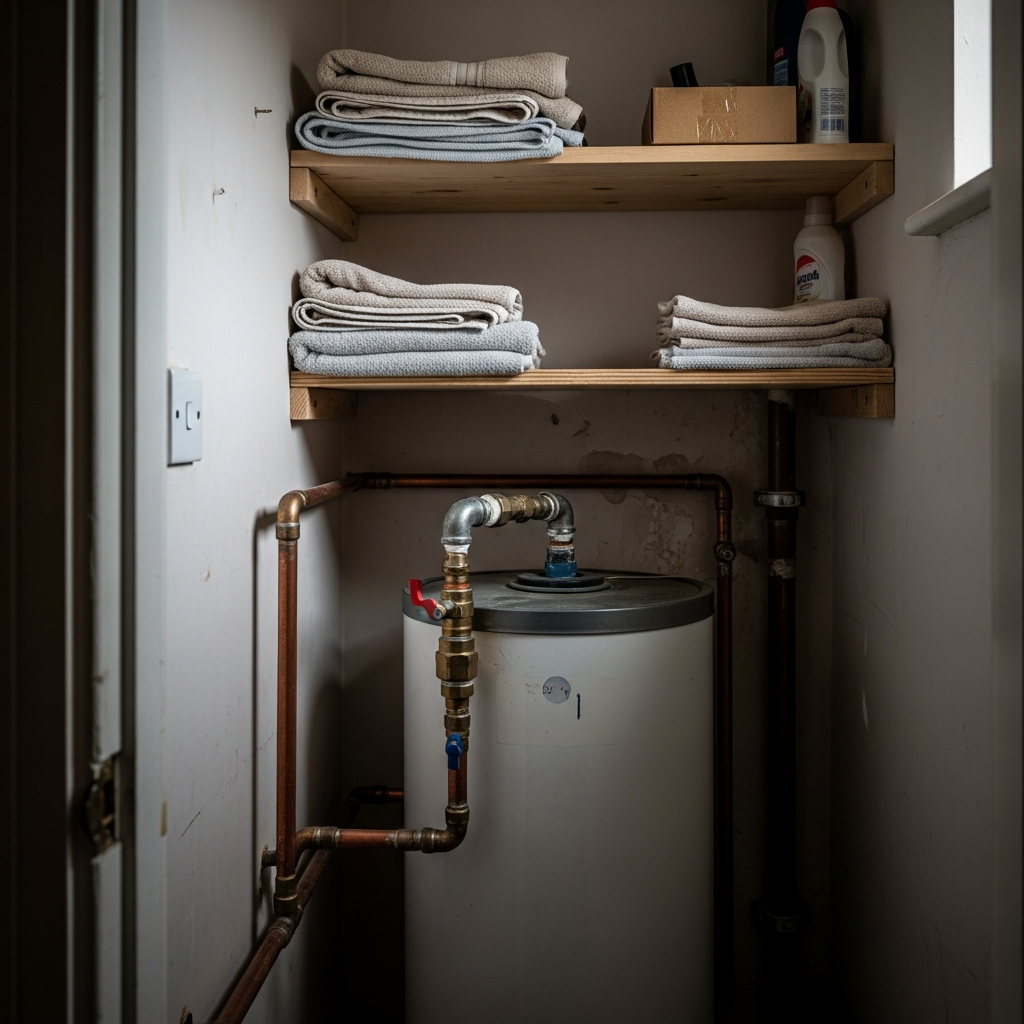
  • Hot water cylinder: Replaced or added if not present
  • Expansion vessel: Replaced
  • Circulating pump: Usually replaced

The overall message is reassuring: the most disruptive and expensive parts of the heating system — the pipework running through walls and floors, and most of the radiators — typically stay in place. The changes are concentrated around the heat source itself and the controls.

Radiators: The Key Compatibility Question

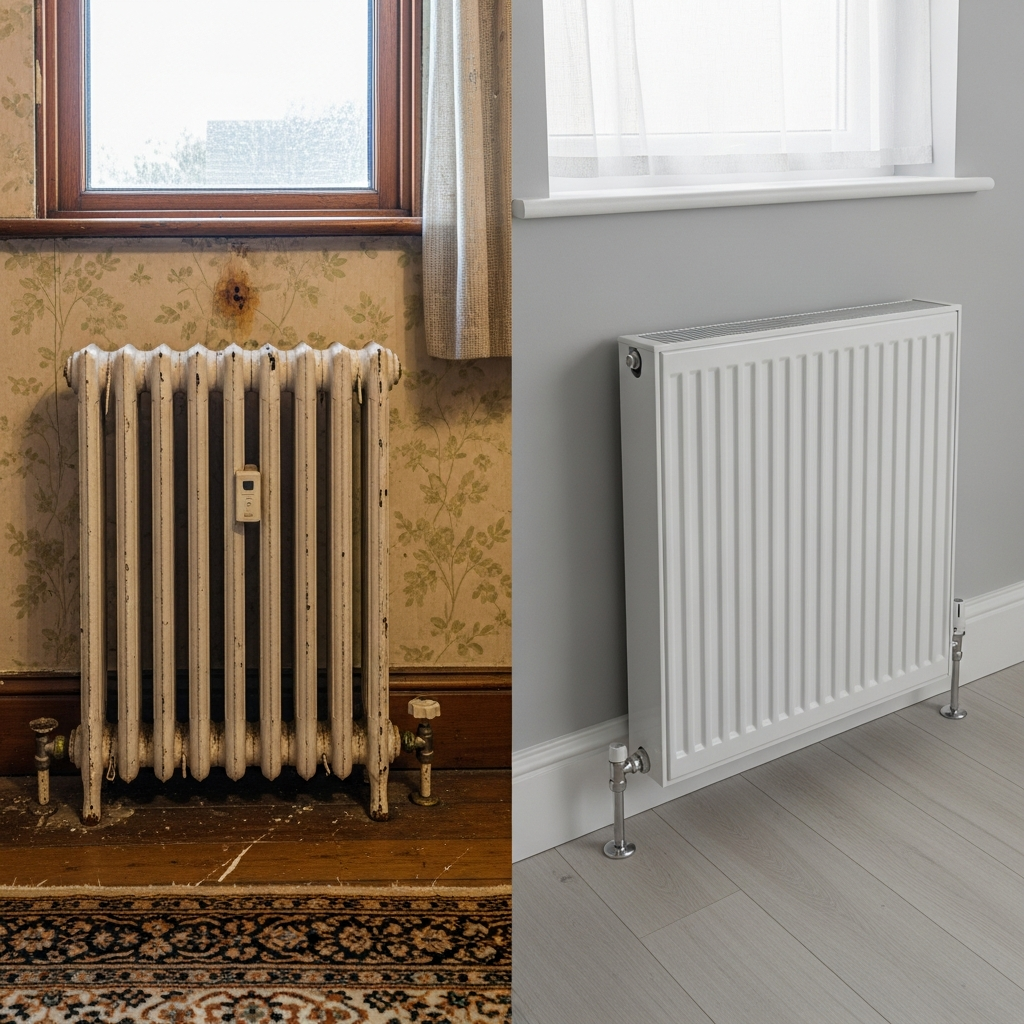
Radiators are the most talked-about compatibility issue, and rightly so. Because a heat pump operates at lower flow temperatures than a boiler (35-50°C vs 60-80°C), radiators need to emit the same amount of heat from cooler water. This means they may need to be larger.

How to Assess Your Radiators

Your installer will carry out a room-by-room heat loss calculation and compare the heat required for each room against the heat output of each radiator at the planned flow temperature. This calculation typically shows one of three results:

  • Radiator is adequate: It can deliver enough heat at the lower flow temperature. No change needed.
  • Radiator is marginal: It can just about cope but has little spare capacity. May be fine or may need upgrading depending on the room's insulation.
  • Radiator is undersized: It cannot deliver enough heat at the lower flow temperature. Needs replacing with a larger one.

What Percentage of Radiators Typically Need Upgrading?

In a typical UK home switching from a gas boiler to a heat pump, roughly 20-40% of radiators may need upgrading. Many homes find that bedrooms and hallways are fine (because they have lower heat demands), while the living room, kitchen-diner, or bathroom might need bigger radiators.

The cost of upgrading a radiator is typically £200-£400 per unit including labour. For most homes, this means £600-£1,600 for radiator upgrades — which is included in the overall installation quote and covered by the BUS grant.

Alternatives to Replacing Radiators

  • Add a second radiator: If wall space allows, adding a second radiator to a room increases the total heat output without removing the existing one.
  • Fan-assisted radiators: These have a built-in fan that forces air over the radiator surface, dramatically increasing heat output from the same-sized unit. They can double or triple the output of a standard radiator.
  • Run at a slightly higher flow temperature: If only one or two rooms are problematic, you might accept a slightly higher flow temperature. This reduces efficiency somewhat but avoids the cost and disruption of radiator changes.

Pipework

The good news: existing pipework almost always stays. The pipes running through your walls and under floors to connect radiators are the most disruptive and expensive part of a heating system to replace, and there is rarely any need to do so.

Pipe Sizes

Most UK homes have 15mm microbore or 22mm copper pipes connecting radiators. Both are generally adequate for a heat pump, although 15mm microbore can restrict flow rates in some configurations. Your installer will assess this during the design phase.

If your home has particularly long pipe runs or many radiators on microbore pipework, the installer may need to replace the main distribution pipes (typically running from the plant room to the first-floor manifold) with larger bore pipes. This is uncommon and your installer will identify it during the survey.

System Flushing

Even though the pipes stay, the system should be thoroughly flushed before the heat pump is connected. Old heating systems can contain sludge, rust, and debris that can damage the heat pump's internal components. A powerflush typically costs £300-£500 and is a standard part of the installation process.

After flushing, corrosion inhibitor is added to protect both the existing pipework and the heat pump's heat exchanger.

Underfloor Heating

If you already have underfloor heating (UFH), you are in an excellent position. Underfloor heating is the ideal heat emitter for a heat pump because:

  • It has a very large surface area, so it emits plenty of heat at low water temperatures
  • It works perfectly at flow temperatures of 25-35°C
  • It provides even, comfortable heat distribution

Existing wet underfloor heating systems are fully compatible with heat pumps. The only change needed is connecting the UFH manifold to the heat pump instead of the boiler, and possibly adjusting the mixing valve settings for the slightly different flow temperatures.

Electric underfloor heating is a separate system entirely and does not connect to a heat pump — it remains independent.

Controls and Thermostats

Your existing boiler thermostat and programmer will not work with a heat pump. Heat pumps require different control logic — specifically, they need to support weather compensation, modulation, and longer run cycles rather than simple on/off switching.

Your installer will fit new controls as part of the installation. This typically includes:

  • Heat pump controller: The manufacturer's own controller, usually included with the heat pump
  • Room thermostat: Either the manufacturer's thermostat or a compatible smart thermostat
  • Outdoor temperature sensor: Mounted on a north-facing wall for weather compensation
  • Zone controls: Motorised valves and additional thermostats if your system has multiple heating zones

The cost of new controls is included in the installation price. If you want a premium third-party smart thermostat, you may need to pay extra for that specific unit.

Hot Water System

Your hot water setup will change depending on what you currently have:

If You Have a Combi Boiler

You will need to add a hot water cylinder. A combi boiler heats water on demand, but a heat pump needs a stored volume of pre-heated water. This is the most significant change for homes with combi boilers and requires finding space for a 200-300 litre cylinder.

If You Have a System Boiler with Cylinder

Your existing cylinder may be usable, but most installers recommend replacing it with a heat pump-specific cylinder that has a larger internal coil and better insulation. The cost difference is modest and the performance improvement is worthwhile.

If You Have a Regular Boiler with Cylinder and Loft Tank

The cylinder will likely be replaced with a modern unvented model. The cold water tank in the loft can be removed, freeing up loft space. The feed and expansion tank can also go.

Electrical Supply

Your existing electrical supply may need upgrading. A heat pump typically requires:

  • A dedicated circuit from the consumer unit (fuse board)
  • Appropriate cable size for the heat pump's electrical load
  • Potentially a new MCB (miniature circuit breaker) and RCD protection
  • In some cases, an upgrade to the main fuse or meter

Most UK homes on a single-phase supply can accommodate a standard air source heat pump (up to about 14-16kW heating capacity) without any supply upgrade. Larger homes or ground source heat pumps may need a three-phase supply.

Gas Supply

Once your heat pump is installed and the gas boiler removed, you have the option to decommission your gas supply entirely. This removes the standing charge from your gas bill (typically £80-£100 per year), which is a worthwhile saving.

However, you may want to keep the gas supply if you use gas for cooking. Alternatively, this could be the opportunity to switch to an induction hob and eliminate gas entirely.

Insulation and Fabric Improvements

While not strictly part of the heating system, your home's insulation directly affects heat pump compatibility. A well-insulated home needs less heat, which means:

  • A smaller (cheaper) heat pump can be used
  • Lower flow temperatures are sufficient
  • Fewer radiators need upgrading
  • Running costs are lower

Your installer will assess insulation as part of the survey. The BUS grant requires an EPC, and any recommended insulation measures should ideally be completed before or alongside the heat pump installation.

System Design: Full Replacement vs Hybrid

Full Replacement

The most common approach is a complete replacement of the boiler with a heat pump. The heat pump handles all space heating and hot water. This is the most efficient option and qualifies for the full BUS grant.

Hybrid System

A hybrid system keeps the existing boiler alongside a heat pump. The heat pump handles heating most of the year, and the boiler kicks in during the coldest weather or for quick hot water recovery. This can work well for poorly insulated homes or properties where radiator upgrades are impractical.

However, hybrid systems do not qualify for the BUS grant, so you lose the £7,500 contribution. For most homes, a full heat pump replacement with targeted radiator upgrades is more cost-effective.

What Your Installer Should Check During the Survey

A thorough pre-installation survey should assess all of the following:

  • Room-by-room heat loss calculations
  • Radiator output at the planned flow temperature
  • Pipe sizes and condition
  • Existing cylinder size and type
  • Electrical supply capacity
  • Space for the outdoor unit and base requirements
  • Space for a hot water cylinder (if not already present)
  • Insulation levels and EPC rating
  • Planning considerations including distance from boundaries

This survey should take at least 2-3 hours for a thorough assessment. If an installer offers a quote after a 30-minute visit, they are unlikely to have done the necessary calculations.

Frequently Asked Questions

Can I keep all my existing radiators with a heat pump?

Possibly, but it depends on their size relative to each room's heat demand. Typically 60-80% of radiators can stay, with 20-40% needing upgrading. Your installer's heat loss calculation will identify exactly which ones need changing.

Do I need to change all my pipework?

No. Existing pipework almost always stays. The installer will add new pipework to connect the heat pump and possibly a new hot water cylinder, but the distribution pipes to radiators remain.

Will a heat pump work with microbore pipework?

Usually yes, though 15mm microbore can restrict flow rates in some configurations. Your installer will check flow rates during the design phase and advise if any sections need upgrading.

Can I use my existing underfloor heating with a heat pump?

Yes — existing wet underfloor heating is ideal for heat pumps. It simply connects to the heat pump instead of the boiler. Electric underfloor heating is separate and unaffected.

What happens to my old boiler?

The boiler is removed by the installer. Gas connections are capped, and the flue is removed or sealed. The installer handles disposal. You can then choose to decommission the gas supply to save on standing charges.

How much does it cost to make my existing system compatible?

Radiator upgrades typically cost £200-£400 per unit. A system flush costs £300-£500. New controls are included with the heat pump. Adding a hot water cylinder costs £700-£1,500. All of these are typically included in the overall installation quote and covered by the BUS grant.

Want to know if your existing system is compatible? Get free quotes from MCS-certified installers who will carry out a full compatibility assessment. Use our suitability checker for an initial assessment, or read our cost guide for realistic installation prices.