What EPC Rating Do You Need for a Heat Pump?
There is no minimum EPC rating to install a heat pump or claim the £7,500 grant — but every EPC band you improve saves you £200 to £400 a year in running costs. Your EPC tells a story about how well your home holds heat, and that story directly determines how big a heat pump you need, how efficiently it runs, and how much you pay each month. Here is how to read that story and act on it.

Check your home's heat pump readiness
Take the free suitability checkInstant result — no EPC minimum required.
EPC Ratings Explained
An Energy Performance Certificate rates your home's energy efficiency on a scale from A (most efficient) to G (least efficient), with a numerical score from 1 to 100. The rating is based on the fabric of your home — insulation, glazing, construction type — along with your heating system and any renewable energy generation.
No Minimum EPC for the Boiler Upgrade Scheme
The Boiler Upgrade Scheme (BUS), which provides a £7,500 grant towards heat pump installation, does not require a minimum EPC rating. This was a deliberate policy decision — requiring a minimum rating would have excluded many of the homes that stand to benefit most from decarbonising their heating.
While there is no EPC minimum, the BUS grant does require a valid EPC for the property, MCS-certified installation, an MCS-certified heat pump, and a property currently using fossil fuel heating (gas, oil, LPG, or coal). The previous requirement to address EPC insulation recommendations was removed in April 2024 to simplify the process and encourage more uptake.

Why a Better EPC Still Matters
Just because there is no minimum EPC requirement does not mean the rating is irrelevant. Your EPC rating has a major impact on heat pump performance.
| EPC band | Heat demand (3-bed semi) | Heat pump size | Annual running cost |
|---|---|---|---|
| E (poorly insulated) | 10 to 14 kW | 10-12 kW | £950 - £1,200 |
| D (average) | 7 to 10 kW | 7-9 kW | £700 - £900 |
| C (well insulated) | 5 to 7 kW | 5-7 kW | £500 - £700 |
The difference between EPC E and C could be £2,000-£3,000 less to buy and £200-£400 less per year to run.
Heat pumps achieve their best efficiency when delivering heat at lower flow temperatures — 35 to 45 degrees Celsius. But this only works if your home retains heat well. A poorly insulated home may need higher flow temperatures, which reduces the COP from a potential 3.5 to 4.0 down to 2.5 to 3.0 — translating directly to higher electricity bills. Homeowners who also install solar panels to generate their own electricity get the biggest benefit when their heat pump is running at peak efficiency.
EPC Ratings by Property Type
- New build (post-2015): Usually B or C. Already well-suited for heat pumps.
- Modern build (1990-2015): Usually C or D. Often need minor improvements only.
- 1960s-1980s house: Usually D or E. Cavity wall insulation and loft top-up make the biggest difference.
- 1930s semi: Usually D or E. Cavity walls (if unfilled) and loft insulation are key improvements.
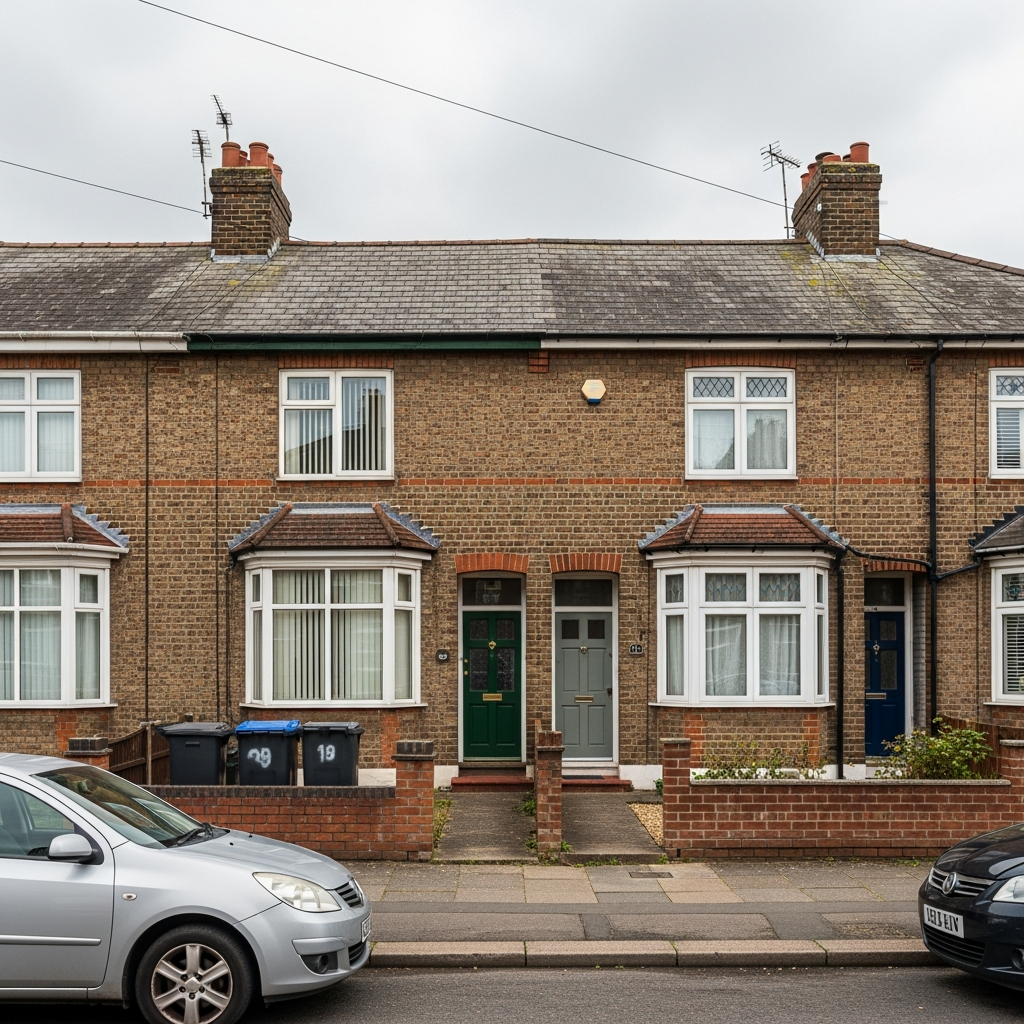
- Victorian/Edwardian house: Usually E or F. Solid walls and single glazing are the main challenges.
The EPC and Heat Pump Paradox
Here is an interesting wrinkle: installing a heat pump itself significantly improves your EPC rating. A home rated D with a gas boiler can jump to C or even B after switching to a heat pump, because the EPC calculation credits low-carbon heating systems. But the underlying fabric of your home still determines how efficiently the heat pump operates in practice.
What EPC Rating Should You Aim For?
If you are planning a heat pump installation and want to maximise performance, aim to get your home's fabric to EPC band C or above before the heat pump goes in. The most cost-effective improvements are:
- Loft insulation top-up: £300 to £500 DIY. Aim for 270mm depth.
- Cavity wall insulation: £400 to £800 for a typical semi.
- Double glazing: Significant difference if you still have single glazing.
- Draught-proofing: Cheap and effective at sealing gaps.
- Floor insulation: Particularly worthwhile for suspended timber floors.
Our guide on improving your EPC before installing a heat pump covers these steps in detail.
See how your EPC affects heat pump costs
Use the free calculatorCompare costs at different insulation levels for your property type.
Getting an EPC Assessment
If you do not have a valid EPC, or yours is more than 10 years old, you will need a new one before applying for the BUS grant. An EPC assessment costs £60 to £120 and takes about 45 minutes to an hour. The certificate is then lodged on the government register and is valid for 10 years.
EPC Limitations to Be Aware Of
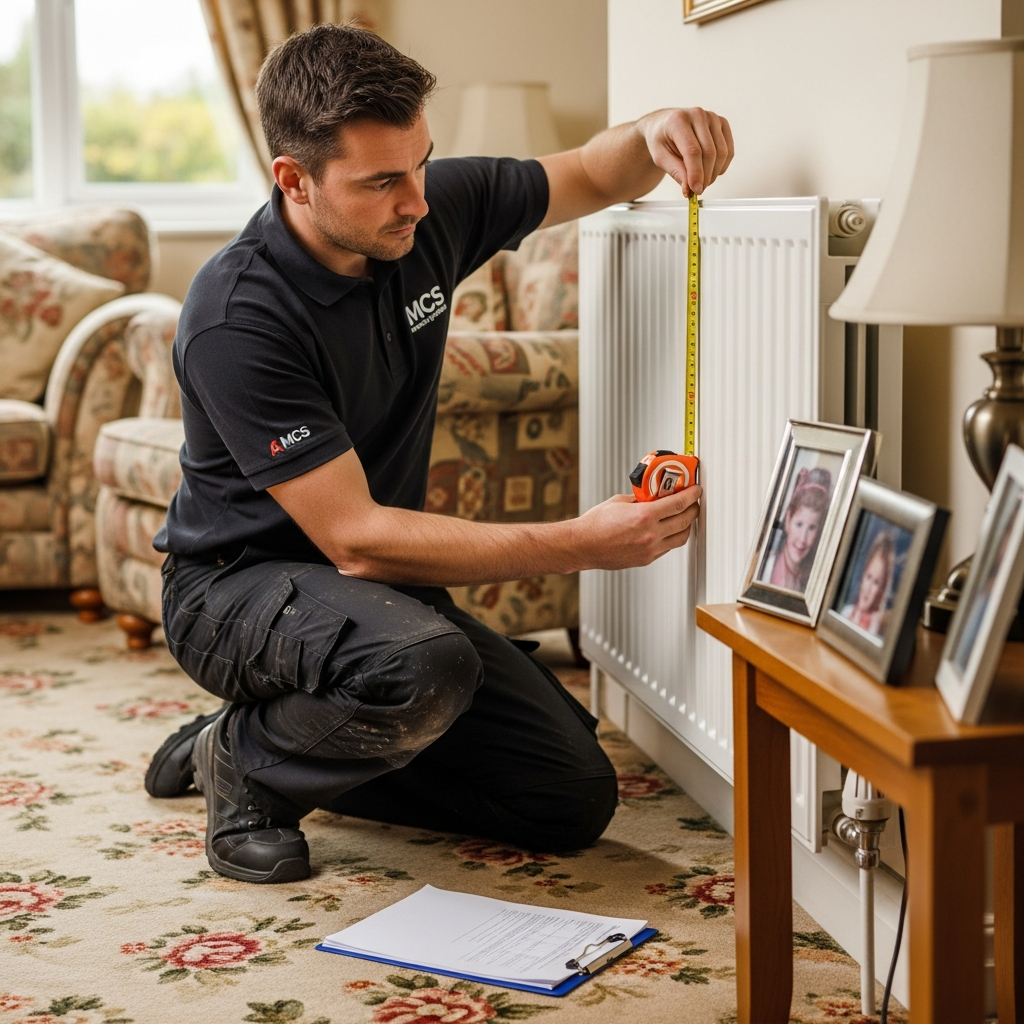
The EPC system is not perfect. It is based on assumptions rather than measurements, can undervalue some improvements like secondary glazing, and the heating system skews the rating. For heat pump sizing and design, the MCS heat loss survey that your installer conducts is far more detailed and accurate than an EPC assessment. Use our heat pump calculator for an initial estimate.
Get a proper heat loss survey from qualified installers
Request free quotes todayMCS-certified installers include a full home assessment at no cost.
Frequently Asked Questions
Do I need a minimum EPC rating to get a heat pump?
No. There is no minimum EPC requirement for installing a heat pump or claiming the £7,500 BUS grant. You do need a valid EPC certificate for the property, but the rating itself can be any band.
Will installing a heat pump improve my EPC rating?
Yes, typically by one to two bands. The EPC calculation credits low-carbon heating systems, so switching from a gas boiler to a heat pump usually improves the score significantly — often enough to move from D to C or even B.
Should I improve my EPC before or after installing a heat pump?
Ideally before, at least for the most cost-effective measures (loft insulation, cavity wall insulation, draught-proofing). These improvements reduce heat demand, allowing a smaller heat pump and lower running costs. However, do not delay indefinitely — even a D-rated home benefits from switching.
What EPC rating do most heat pump homes have?
Most UK homes installing heat pumps are rated C or D before installation. After the heat pump is fitted, many move up to B or C. Homes rated E or below can still have heat pumps successfully, but may benefit from insulation improvements first.
Is the EPC assessment the same as a heat pump survey?
No. An EPC assessment is a standardised energy rating. A heat pump survey (heat loss assessment) is a much more detailed, room-by-room analysis that determines exactly what size heat pump you need. Both are useful, but the heat pump survey is far more important for system design.
Can I check my EPC rating online?
Yes. Visit the government's Energy Performance of Buildings Register to look up your property's EPC for free. If your home has been sold or rented in the last 10 years, a certificate should be on file.
EPC ratings reflect the thermal efficiency of UK homes and directly influence heat pump sizing and performance. The Boiler Upgrade Scheme provides £7,500 towards installation regardless of EPC band. Improving insulation before installation reduces the cost of the heat pump system and ongoing bills. Homeowners combining improved insulation with solar energy generation achieve the lowest overall energy costs.