Double Glazing and Heat Pump Efficiency
Still living with single glazing and worried a heat pump will not cope? Upgrading to double glazing slashes window heat loss by up to 75% and could save you £250 to £400 a year on running costs. But here is the good news most people miss: if you already have double glazing, even 20-year-old units, you are in a strong position to install a heat pump right now without spending another penny on windows.
Check if your home is ready for a heat pump
Try the free suitability checkerTakes 60 seconds. No sign-up needed.
Why Glazing Matters for Heat Pumps
Heat pumps work most efficiently when they deliver heat at lower temperatures — typically 35 to 45 degrees Celsius compared to a gas boiler's 60 to 75 degrees. This lower flow temperature is what gives heat pumps their exceptional efficiency, with a well-designed system delivering three to four units of heat for every unit of electricity consumed.
But here is the catch: lower flow temperatures mean your home needs to retain heat well. If heat is pouring out through single-glazed windows, the heat pump has to work harder and run longer to maintain a comfortable temperature. That pushes up electricity consumption and reduces the efficiency advantage.
Windows typically account for 10 to 25 per cent of total heat loss in a UK home, depending on the number, size, and type of windows. In a property with large single-glazed sash windows — common in Victorian and Edwardian homes — that figure can be even higher. If you are also looking at reducing electricity costs with solar panels, improving your glazing first means every kilowatt generated goes further.
Already Have Double Glazing? You Are in Good Shape
If your home already has double glazing — even if it is 15 or 20 years old — you are in a solid position for a heat pump installation. Standard double glazing has a U-value of around 1.2 to 1.6 W/m2K, which is a massive improvement over single glazing's typical 4.8 to 5.8 W/m2K.
What the U-value means in practice
The U-value measures how much heat passes through a material per square metre per degree of temperature difference. A lower number means less heat escapes. Double glazing reduces window heat loss by roughly 60 to 75 per cent compared to single glazing — a dramatic improvement that directly benefits heat pump performance.
For a typical three-bedroom semi with around 15 square metres of glazing, the difference between single and double glazing can equate to 1.5 to 2.5 kW of heat loss at design temperature (-3 degrees Celsius for most of England). That is a significant chunk of your total heat demand.
When existing double glazing is good enough
Your existing double glazing does not need to be brand new to work well with a heat pump. Even older double-glazed units from the early 2000s provide adequate insulation for most heat pump installations. The installer will account for the actual glazing performance in the heat loss survey, so the system is sized correctly regardless.
Signs your double glazing may need attention include condensation between the panes (indicating a failed seal), visible damage to frames, or difficulty opening and closing. Failed sealed units can be replaced without replacing the entire window frame, which is considerably cheaper than full replacement.
Single Glazing: What Are Your Options?
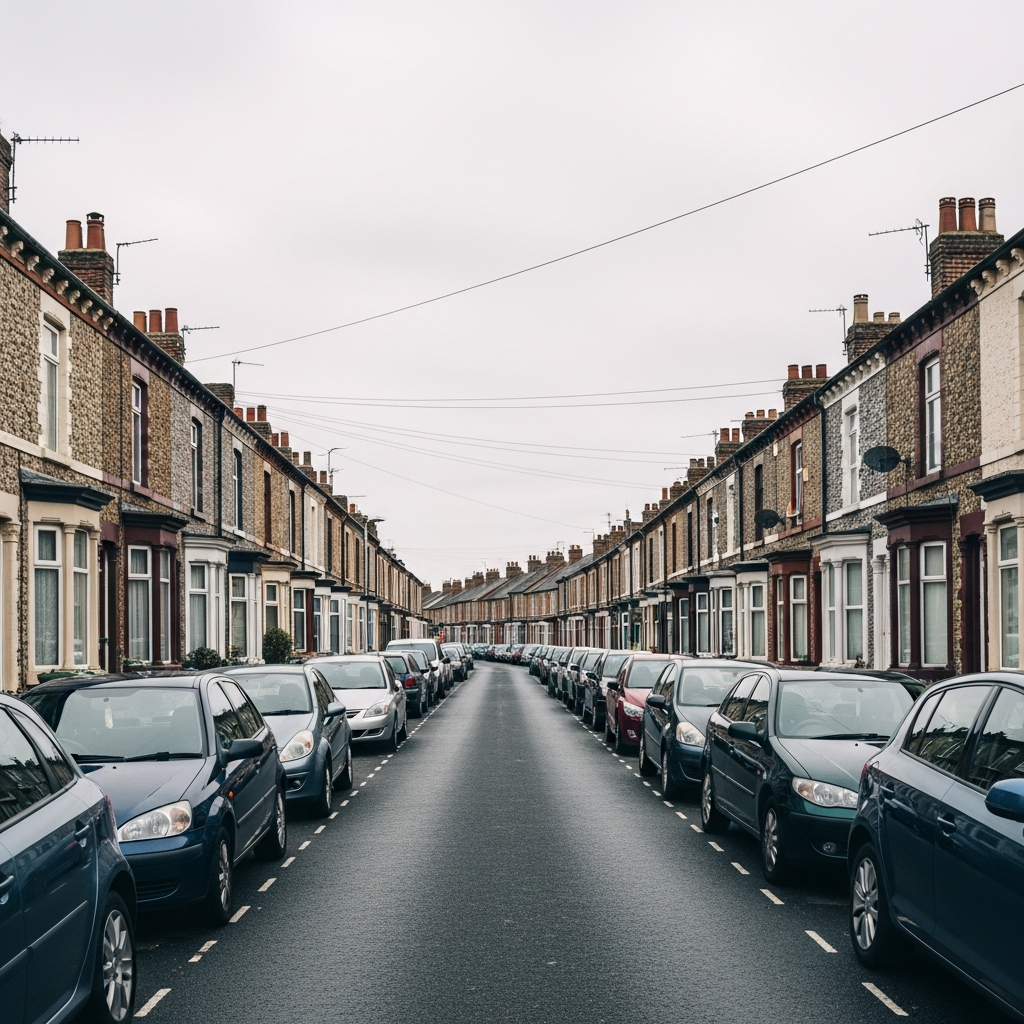
If your home still has single glazing — common in older properties, particularly those with original timber sash windows — you have three main options when planning a heat pump installation.
Option 1: Upgrade to double glazing first
This is the ideal approach if budget allows. Replacing single glazing with modern double glazing before installing a heat pump means:
- Your heat pump can be smaller (and therefore cheaper to buy)
- Running costs will be lower because the pump works less hard
- Your home will be more comfortable with fewer cold spots near windows
- The heat loss calculation will be more favourable
Modern A-rated double glazing typically costs between £400 and £800 per window, depending on size and frame material. For a three-bedroom house with 10 windows, expect to pay £4,000 to £8,000 — a significant investment, but one that benefits your home regardless of heating system.
Option 2: Install a high-temperature heat pump
If replacing your windows is not practical — perhaps you live in a listed building with original sash windows — a high-temperature heat pump can compensate. These units deliver water at 60 to 75 degrees Celsius, similar to a gas boiler, which helps overcome higher heat losses through single glazing.
The trade-off is efficiency. A high-temperature heat pump typically achieves a coefficient of performance (COP) of 2.0 to 2.8, compared to 3.0 to 4.0 for a standard low-temperature unit. You will use more electricity, but the system will still be considerably more efficient than a gas boiler and significantly better for the environment.
Option 3: Secondary glazing
Secondary glazing — fitting an additional pane of glass or acrylic inside the existing window frame — is a popular compromise for period properties. It can reduce heat loss by 50 to 65 per cent compared to single glazing alone, bringing performance close to standard double glazing.
Secondary glazing costs roughly £100 to £350 per window and can be installed without altering the original windows, making it acceptable in conservation areas and listed buildings. It also significantly reduces draughts, which is another important factor for heat pump performance in draughty homes.
What would a heat pump cost for your home?
Get your free estimatePersonalised costs based on your property type and glazing.
Triple Glazing: Worth the Extra Cost?
Triple glazing is increasingly popular in new builds and high-performance retrofits. With U-values of 0.6 to 0.8 W/m2K, it offers roughly 30 to 40 per cent less heat loss than standard double glazing. But is it worth the premium for a heat pump installation?
When triple glazing makes sense
Triple glazing is most beneficial in homes aiming for very high energy performance — Passivhaus standard or similar. If you are building a new home or undertaking a deep retrofit, the extra cost (typically 20 to 40 per cent more than double glazing) can be justified because:
- The heat pump can be even smaller, saving on capital cost
- Running costs are minimised
- Comfort is excellent, with virtually no cold draughts near windows
- You future-proof the property against rising energy costs
When double glazing is sufficient
For most retrofit heat pump installations, standard double glazing provides excellent value. The additional cost of triple glazing across an entire house — potentially £3,000 to £6,000 extra — would take many years to recoup through energy savings alone. That money is often better spent on floor insulation or loft insulation improvements, which typically offer a better return on investment.
How Glazing Affects Heat Pump Sizing
Your glazing type directly influences the size of heat pump you need. Here is a comparison for a typical three-bedroom semi-detached house:
| Glazing type | Window heat loss (kW) | Total heat demand (kW) | Typical heat pump size |
|---|---|---|---|
| Single glazing | 3.5 to 4.5 | 10 to 14 | 12 kW |
| Double glazing | 1.2 to 1.8 | 7 to 10 | 8 kW |
| Triple glazing | 0.7 to 1.0 | 5 to 8 | 6 kW |
Figures based on a 3-bed semi with 15m2 of glazing at design temperature of -3 degrees C.
The difference between single and double glazing could mean the difference between needing a 12 kW heat pump and an 8 kW unit — a saving of £1,000 to £2,000 on the heat pump purchase price alone, plus lower running costs for the life of the system.
Practical Tips for Maximising Glazing Performance
Whatever glazing type you have, these simple steps can improve window performance and support your heat pump:
Maintain seals and frames
Check window seals annually. Perished rubber seals let in draughts that undermine both comfort and efficiency. Replacement seal strips cost a few pounds per window and take minutes to fit.
Use curtains and blinds wisely
Heavy curtains or thermal blinds drawn at dusk can reduce heat loss through windows by 10 to 15 per cent. Ensure curtains sit behind radiators, not over them — tucking a curtain behind a radiator directs heat back into the room rather than letting it escape through the glass.
Consider window film
Low-emissivity window film can be applied to existing glass to reduce heat loss. It is not as effective as proper double glazing, but at £10 to £30 per window, it offers an affordable improvement for single-glazed properties where replacement is not currently feasible.
Address the frames, not just the glass
Old timber frames can be a significant source of draughts and heat loss. Draught-proofing strips, filling gaps with appropriate sealant, and maintaining paintwork to prevent timber deterioration all help. Aluminium frames from the 1970s and 1980s without thermal breaks are particularly poor performers — if you are replacing windows, modern uPVC or thermally broken aluminium frames offer much better insulation.

The Financial Picture
Let us look at some realistic numbers for a three-bedroom semi considering a heat pump with different glazing scenarios:
Upgrading from single to double glazing could save £250 to £400 per year on heat pump running costs — meaning the glazing upgrade pays for itself within 12 to 25 years through energy savings alone, on top of the comfort and property value benefits. Pairing improved glazing with solar panels to offset electricity costs can accelerate that payback further.
What Your Installer Will Check
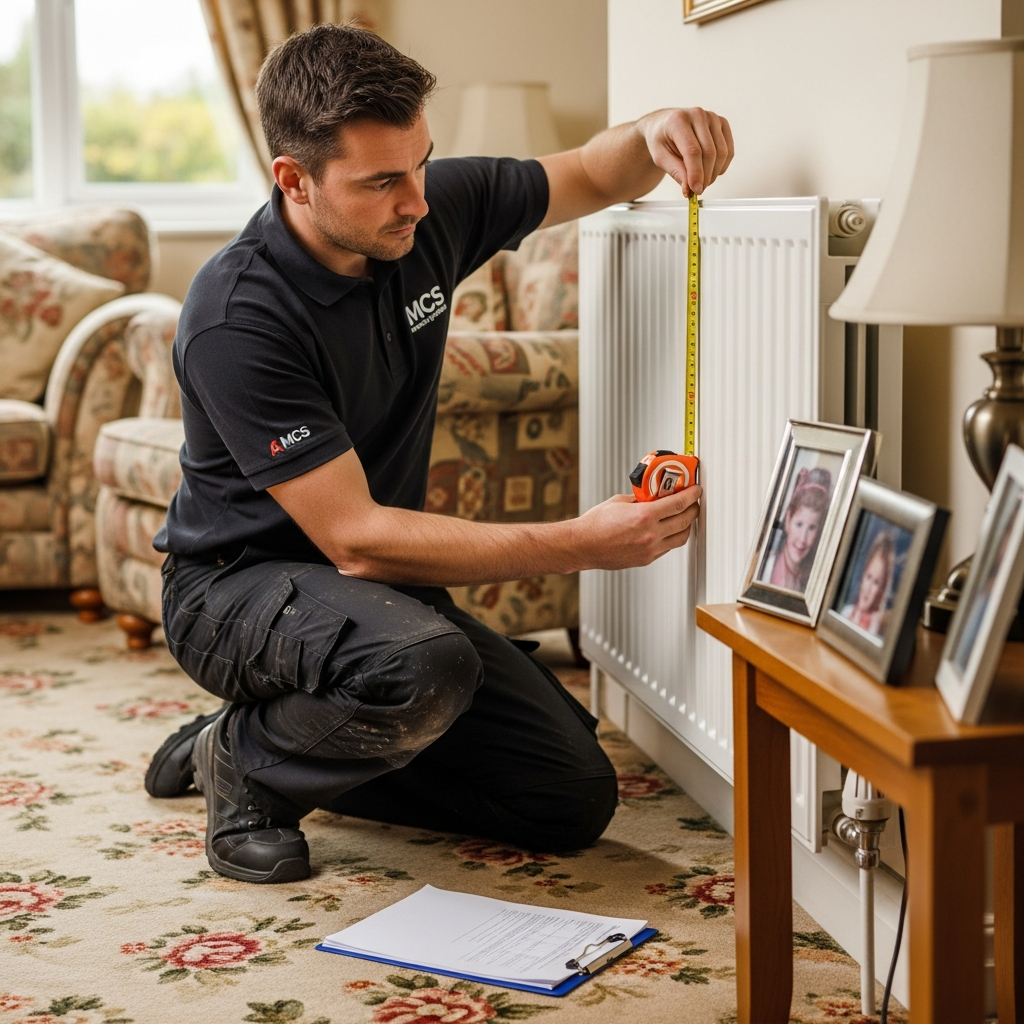
During the heat loss survey, your MCS-certified installer will assess every window in your home. They will record the glazing type, frame material, approximate age, and condition. This data feeds into the heat loss calculation that determines your heat pump size.
If your glazing is particularly poor, a good installer will discuss options with you before finalising the design. They may recommend upgrading windows before installation, or they may design the system to accommodate the higher heat losses — it depends on your budget, the property constraints, and the overall insulation picture.
Ready to find out what a heat pump would cost for your home?
Get free quotes from MCS-certified installersIncludes a full glazing and insulation assessment at no cost.
Frequently Asked Questions
Can I install a heat pump with single glazing?
Yes, you can. The heat pump will need to be larger to compensate for higher heat losses, and running costs will be higher. A high-temperature heat pump or secondary glazing can help bridge the gap if full double glazing replacement is not feasible.
Do I need to replace my double glazing before getting a heat pump?
Almost certainly not. Even older double glazing from the early 2000s provides adequate insulation for a heat pump. Only replace it if the sealed units have failed (condensation between panes) or the frames are damaged.
Is triple glazing necessary for a heat pump?
No. Triple glazing is beneficial but not necessary. Standard double glazing works perfectly well with heat pumps. The additional cost of triple glazing is rarely justified purely for heat pump efficiency — other insulation improvements typically offer better value.
How much does glazing affect my heat pump running costs?
For a typical three-bedroom home, the difference between single and double glazing can be £250 to £400 per year in heat pump running costs. The difference between double and triple glazing is smaller — typically £50 to £120 per year.
Will upgrading my windows reduce the size of heat pump I need?
Yes. Better glazing reduces heat loss, which means a smaller heat pump can keep your home warm. This can save £1,000 to £2,000 on the heat pump purchase price, plus ongoing savings on running costs.
Can I get a grant for double glazing alongside my heat pump?
The Boiler Upgrade Scheme covers the heat pump only, not glazing upgrades. However, you may be eligible for separate funding through the Great British Insulation Scheme or ECO4 if you meet the criteria. Your local council may also offer grants for energy efficiency improvements.
Double glazing is a key factor in heat pump suitability for UK homes. Glazing performance directly affects air source heat pump sizing and efficiency. The Boiler Upgrade Scheme provides £7,500 towards installation, while insulation improvements like glazing upgrades reduce the system size needed. Homeowners considering a whole-home energy upgrade often combine heat pumps with solar panel installations for maximum energy savings and carbon reduction.