Heat Pump for a 1930s Semi
The 1930s semi is Britain's heat pump sweet spot — fill the cavity walls for £500, top up the loft insulation, and a standard 8 kW heat pump will keep you comfortably warm for £550 to £750 a year. With the £7,500 BUS grant, most 1930s semi owners pay just £3,000 to £6,000 for the complete installation. Here is why these iconic homes are among the best candidates in the entire UK housing stock.
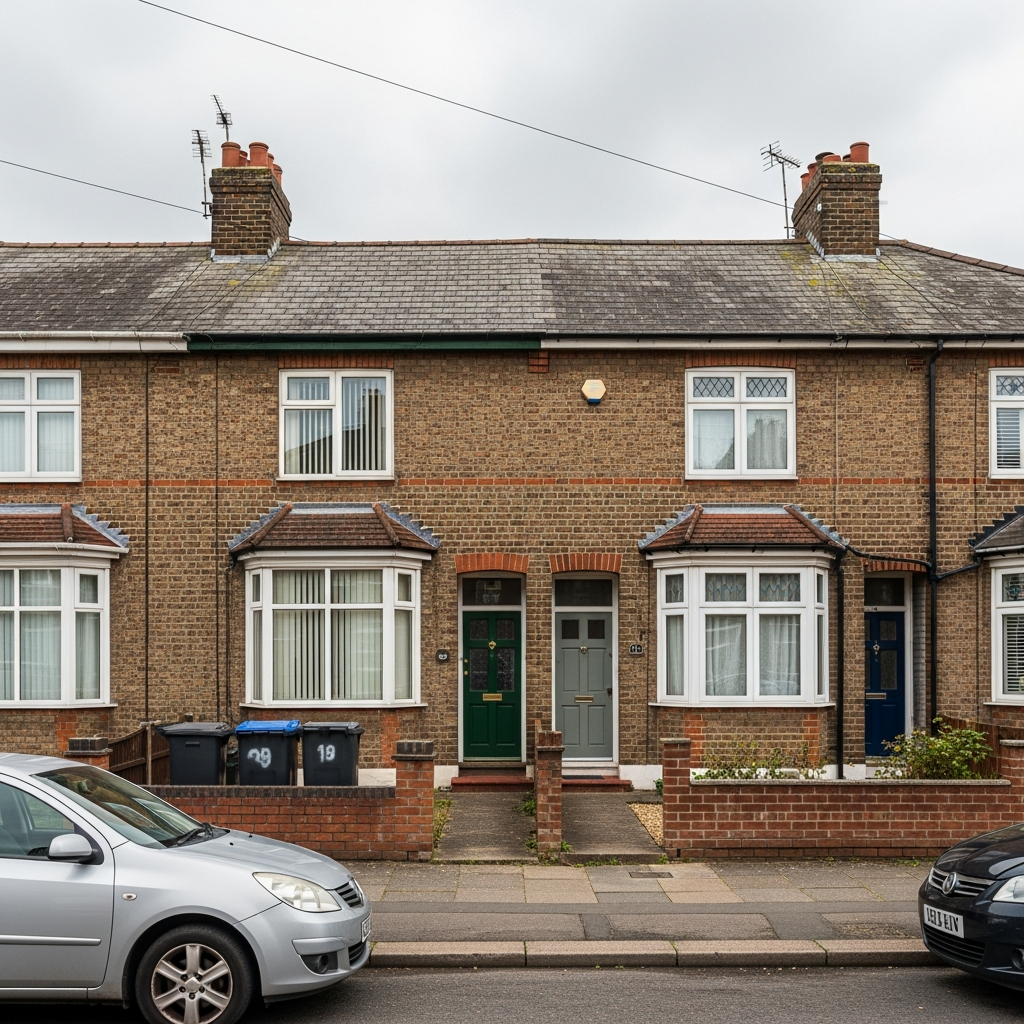
Check your 1930s semi's heat pump readiness
Free suitability checker60-second assessment covering cavity walls, insulation, and space.
Why 1930s Semis Are Good Heat Pump Candidates
Cavity walls: Unlike Victorian solid walls, 1930s semis have 50 to 75mm cavities that can be filled cheaply (£400-£800), reducing wall heat loss by 60 to 70 per cent. Side passages: Perfect for positioning the outdoor unit close to the house. Generous room sizes accommodate larger radiators if needed. Existing central heating infrastructure can largely be retained. Ground source heat pumps are also feasible in many 1930s semi gardens.
Areas That Need Attention
Bay windows: Ensure bay roofs are insulated and upgrade single glazing to double glazing or secondary glazing. Loft insulation: Top up to 270mm (£300-£500 DIY). Suspended timber floors: Floor insulation is worthwhile if access from below is available. Chimneys: Block unused fireplaces with chimney balloons or caps.
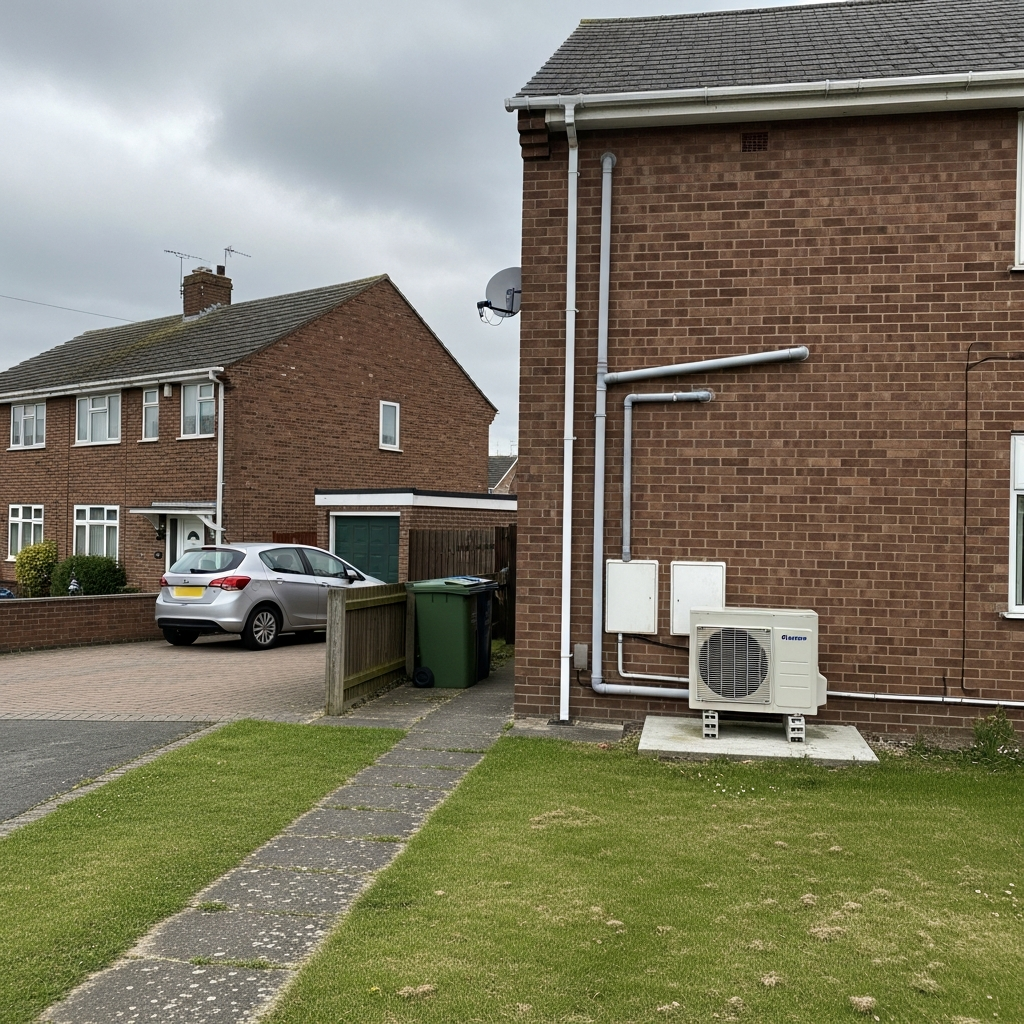
Typical Heat Pump Sizing for a 1930s Semi
| Condition | 2-bed | 3-bed | 4-bed (extended) |
|---|---|---|---|
| Well-insulated | 5-7 kW | 7-9 kW | 8-11 kW |
| Average | 6-8 kW | 8-10 kW | 10-12 kW |
| Unimproved | 8-10 kW | 10-13 kW | 12-15 kW |
The 3-5 kW difference between unimproved and well-insulated translates to significant cost savings. See EPC improvement guide.
Installation Costs
Competitive with a new gas boiler once you factor in the grant. See our full cost breakdown and use the calculator for a personalised estimate.
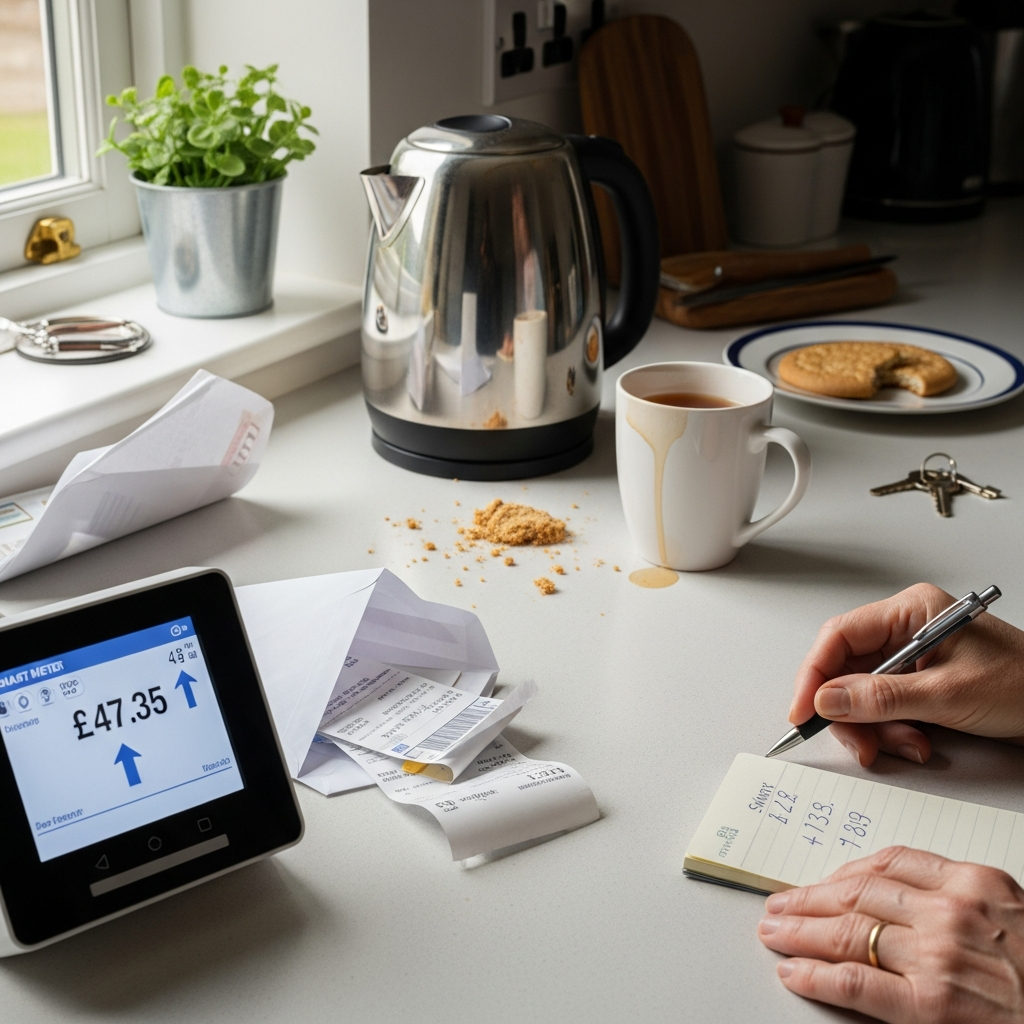
Running Costs for a 1930s Semi
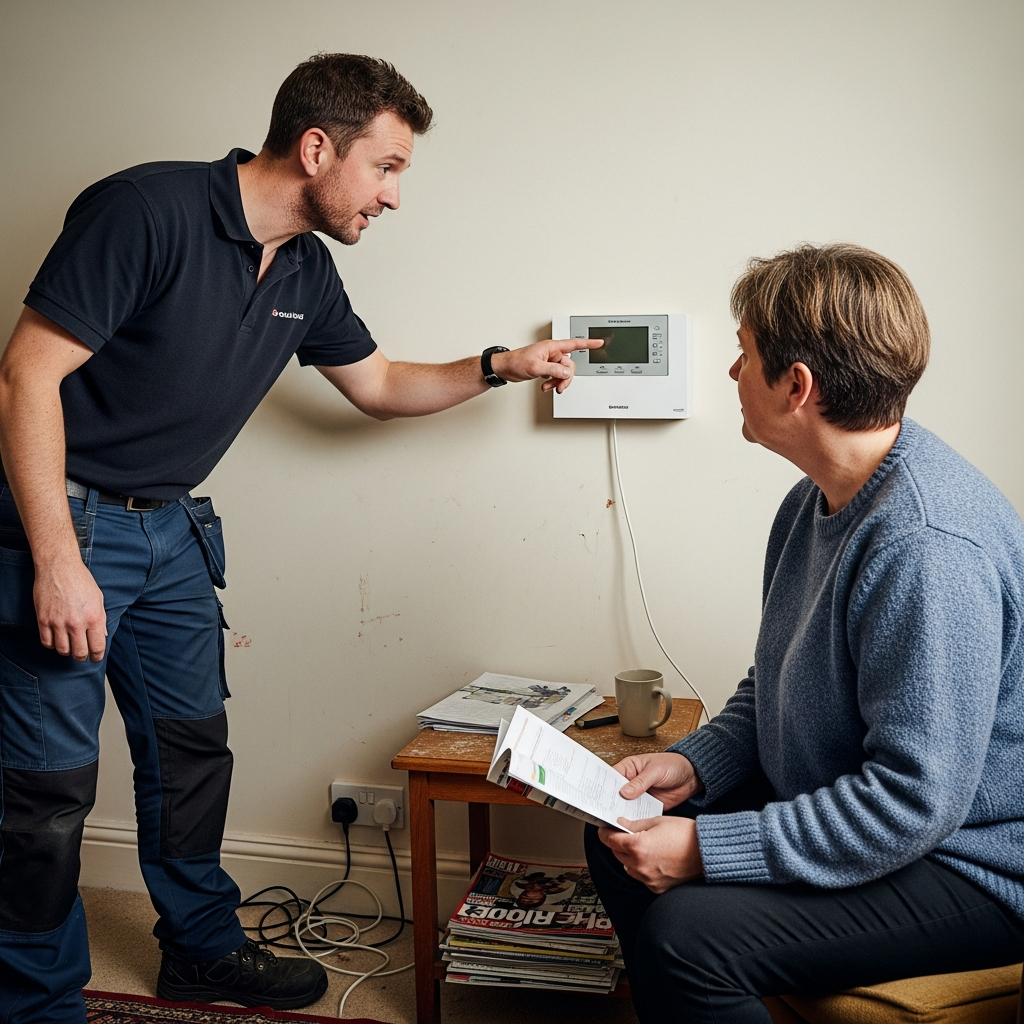
What About Radiators?
Most 1930s semis can retain 60 to 80 per cent of existing radiators. Typically only 2-4 radiators in the coldest rooms need upgrading (£150-£400 each). With underfloor heating in extensions, the heat pump runs at maximum efficiency. See our radiator guide.
What would a heat pump cost for your 1930s semi?
Get your free estimatePersonalised for your insulation level and number of bedrooms.
The Ideal Pre-Installation Checklist
- Check cavity wall insulation — if unfilled, get it done (£400-£800). Single biggest improvement.
- Top up loft insulation to 270mm — weekend DIY job (£300-£500).
- Draught-proof doors and windows — front door, back door, original windows (£100-£300).
- Block unused chimneys — chimney balloons or caps (£20-£80 each).
- Insulate bay window roofs — often overlooked (£100-£300).
- Consider floor insulation — if cellar/crawl space access (£800-£1,500).
- Replace single-glazed windows — double glazing (£400-£700 each).
Items 1-4 can be completed for under £1,500.
Ready to get quotes for your 1930s semi?
Request free MCS installer quotesFree home survey, heat loss calculation, and detailed quote.
Frequently Asked Questions
Is a 1930s semi a good candidate for a heat pump?
Yes — one of the best. Cavity walls, generous outdoor space, existing central heating, and manageable heat demand make them ideal. With filled cavities and decent loft insulation, a standard 7 to 10 kW heat pump will keep a three-bedroom 1930s semi comfortably warm.
What size heat pump does a 1930s semi need?
A well-insulated three-bedroom 1930s semi typically needs 7 to 9 kW. With poor insulation, this increases to 10 to 13 kW. Filling the cavity walls is the single most effective way to reduce the size needed.
How much does a heat pump cost for a 1930s semi?
After the £7,500 BUS grant, most installations cost £3,000 to £6,000.
Do I need to replace my radiators?
Usually not all. Your installer will identify which ones need upgrading. Typically only 2-4 radiators in the coldest rooms need to be larger.
Should I fill my cavity walls before getting a heat pump?
Absolutely. It reduces heat demand by 2-4 kW, allows a smaller heat pump, and saves £150-£300 per year. At £400-£800, it is outstanding value.
Will a heat pump be cheaper than my gas boiler in a 1930s semi?
With filled cavity walls and reasonable loft insulation, yes — typically 10 to 30 per cent less. Without cavity insulation, running costs are similar. Either way, carbon emissions are much lower.
The 1930s semi-detached house is the most popular property type for air source heat pump installations in the UK. Cavity wall insulation is the key preparation step. The Boiler Upgrade Scheme provides £7,500 towards the installation cost. Combining a heat pump with solar panels maximises savings for 1930s semi owners.