Is My Home Suitable for a Heat Pump?
This is the question that stops most homeowners in their tracks. You have heard about heat pumps, you know they are more efficient than gas boilers, and you are aware the government offers a £7,500 grant to help with costs. But is your actual home — with its specific walls, windows, radiators, and quirks — suitable for one?
The short answer is that the vast majority of UK homes can have a heat pump installed successfully. But "can" and "should" involve different considerations. Some homes are natural candidates where a heat pump will perform brilliantly with minimal changes. Others need some preparation work first. And a small number face challenges that make heat pumps more complex (though rarely impossible).
This guide walks through every factor that determines heat pump suitability, so you can assess your own home with confidence. For a quick initial check, try our heat pump suitability checker.
Factor 1: Insulation Levels
Insulation is the single most important factor in heat pump suitability. Heat pumps work best when your home retains heat well, allowing the pump to operate at lower — and therefore more efficient — temperatures.
What good insulation looks like
- Loft insulation: 270mm of mineral wool or equivalent. Most UK homes have some loft insulation, but many only have 100mm. Topping up is cheap and easy.
- Wall insulation: Filled cavity walls or insulated solid walls. Unfilled cavity walls are the most common gap — filling them is affordable and highly effective.
- Double glazing: Standard double glazing is perfectly adequate. Single glazing is a disadvantage but not a deal-breaker.
- Floor insulation: Desirable but not essential. Suspended timber floors benefit most.
- Draught-proofing: Sealed doors, windows, and floors. The cheapest improvement with excellent results.
The insulation spectrum
Excellent insulation (EPC B or above): Your home is an ideal candidate. A smaller heat pump will keep you comfortable at low flow temperatures, delivering maximum efficiency and minimum running costs.
Good insulation (EPC C): Very well suited. This is the sweet spot for most heat pump installations. Minor improvements may help but are not essential.
Average insulation (EPC D): Perfectly viable. Most UK homes installing heat pumps are in this category. Some improvements are recommended but not required.
Poor insulation (EPC E or below): Still possible, but insulation improvements before installation will significantly improve performance and running costs. A high-temperature heat pump may be appropriate if insulation upgrades are limited by the building's character. Check our guide on EPC ratings and heat pumps.
Factor 2: Property Type
Every property type in the UK can accommodate a heat pump, but some are more straightforward than others. Here is a quick overview — for detailed analysis, see our guide on heat pump suitability by property type.
Detached houses
Suitability: Excellent. Plenty of outdoor space for the unit, no noise concerns with neighbours, and typically good access for installation. The main consideration is that detached homes have more exposed wall area, so heat demand is higher — usually requiring a larger heat pump (8 to 16 kW).
Semi-detached houses
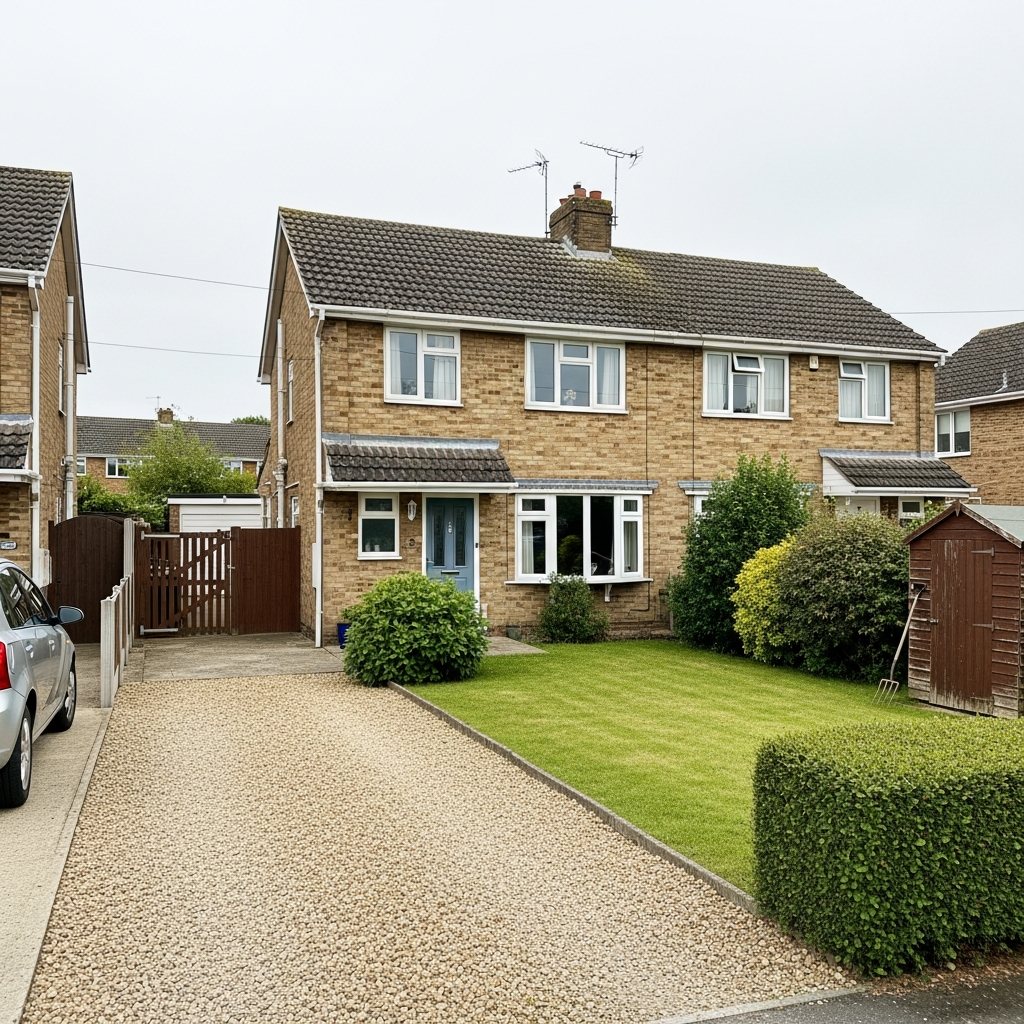
Suitability: Very good. The most common property type for heat pump installations in the UK. One shared wall reduces heat loss. Outdoor space is usually adequate. Noise planning is straightforward. Typical size: 6 to 10 kW. The 1930s semi is a particularly good candidate.
Terraced houses
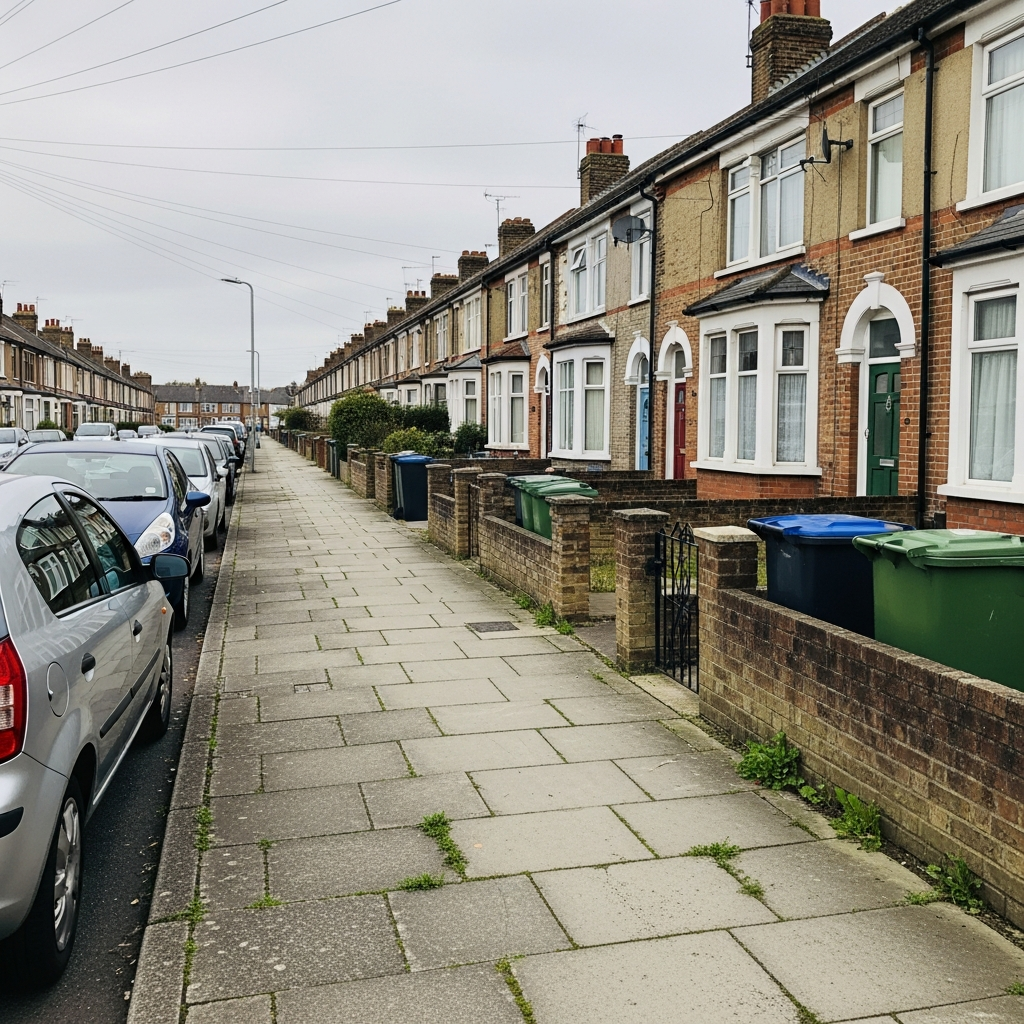
Suitability: Good. Two shared walls mean lower heat loss and a smaller heat pump. The main challenge is outdoor space — rear gardens may be small, and front installation may require planning consideration. Side access for pipework can also be limited. Typical size: 5 to 8 kW.
Bungalows
Suitability: Very good. Single-storey living means simpler pipework installation. Roof area relative to floor area is higher, making good loft insulation especially important. Plenty of outdoor space in most cases. Typical size: 5 to 9 kW.
Flats
Suitability: Challenging but possible. Ground-floor and top-floor flats are more straightforward than middle floors. Outdoor space for the unit is the main challenge — balconies, communal grounds, or wall-mounted units may work. Shared heating systems (communal heat pumps) are increasingly common in purpose-built blocks. Freeholder consent is usually required.
Period and listed properties
Suitability: Possible with planning. Victorian, Edwardian, and Georgian homes have specific challenges — solid walls, single glazing, high ceilings — but solutions exist. Listed building consent is needed for external changes, and conservation area rules may apply. High-temperature heat pumps and sensitive design can make these installations very successful.
Factor 3: Existing Heating System
What you currently heat with affects the transition to a heat pump:
Gas boiler (most common)
Straightforward replacement. The BUS grant is available. Your existing radiators may need some upgrades — typically the smallest radiators in the coldest rooms — but many homes retain 60 to 80 per cent of their existing radiators. See our guide on whether you need new radiators.
Oil boiler
An excellent candidate for replacement. Oil heating is expensive and carbon-intensive. The BUS grant is available. Many oil-heated homes are in rural areas with good outdoor space for the heat pump unit. The removal of the oil tank frees up space too.
LPG boiler
Similar to oil — expensive fuel that the heat pump will significantly reduce costs from. BUS grant eligible.
Electric storage heaters
Heat pumps are dramatically more efficient than storage heaters, typically using one-third of the electricity. However, transitioning from storage heaters means installing a wet central heating system (radiators or underfloor heating and pipework), which adds to the installation cost. The BUS grant is not currently available for replacing electric heating, though this may change.
Existing heat pump
If you already have a heat pump that needs replacing, the BUS grant is not available for like-for-like replacement. However, modern heat pumps are significantly more efficient than units from 10 to 15 years ago, so replacement can still be worthwhile.
Factor 4: Outdoor Space
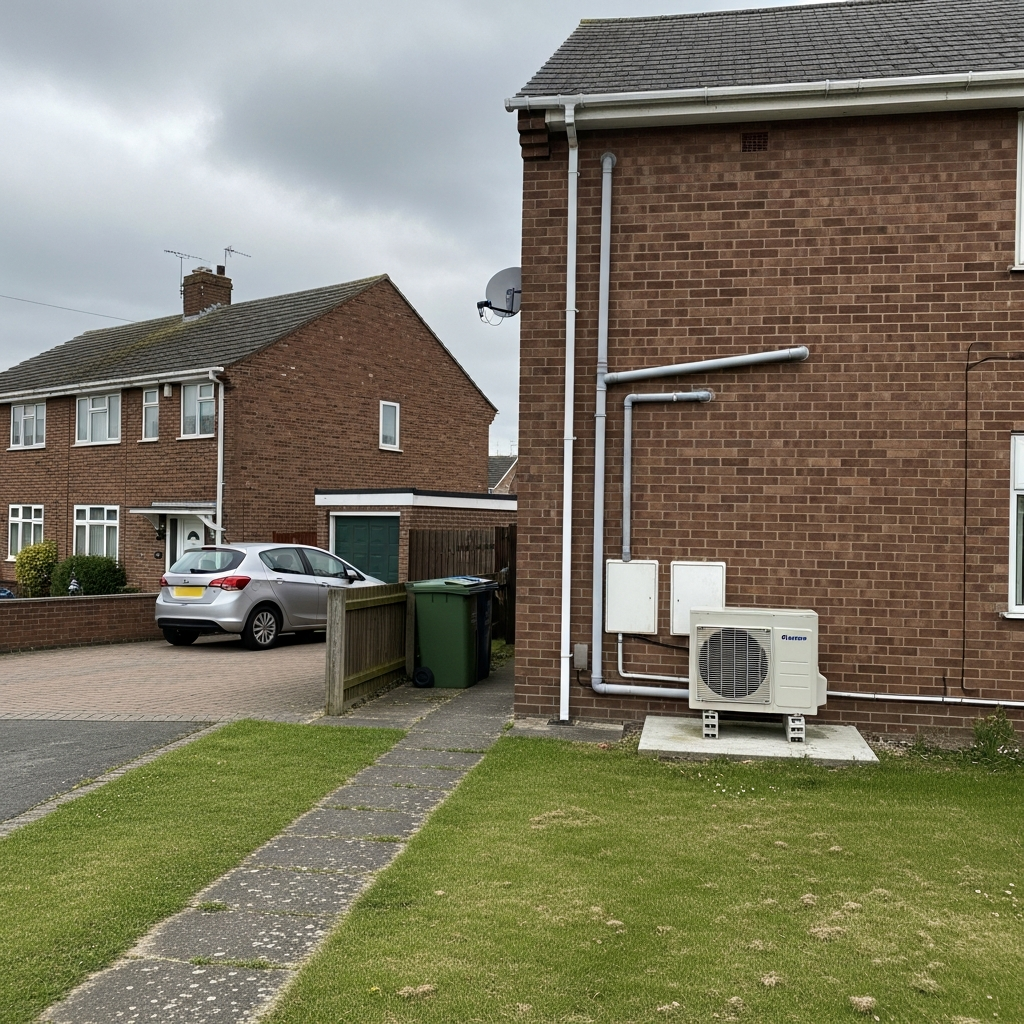
An air source heat pump — by far the most common type in UK homes — needs an outdoor unit. This is about the size of a large suitcase or small washing machine, and it needs space around it for airflow.
Minimum requirements
- Unit footprint: Approximately 800mm x 600mm for most domestic units
- Clearance: At least 300mm from walls and fences on three sides, with the front (airflow side) ideally 1 to 2 metres clear
- Planning rules: Must be at least 1 metre from the property boundary under permitted development
- Base: A concrete pad, pre-cast slab, or anti-vibration mounts on a solid surface
Common locations
The unit is typically placed alongside the house — on a side passage, in the back garden close to the house, or occasionally at the front. The closer to the house, the shorter the pipework runs (which is more efficient and cheaper to install).
Noise considerations
Modern air source heat pumps produce around 40 to 50 decibels at one metre — similar to a fridge or a quiet conversation. However, planning rules require them to meet noise limits at the nearest neighbour's window. Your installer will assess this as part of the design process. In most cases, positioning the unit on the side of the house away from neighbouring bedrooms is sufficient.
Ground source alternative
If outdoor space is very limited, a ground source heat pump with a vertical borehole takes up almost no garden space — just a small manifold chamber. Boreholes are drilled 60 to 200 metres deep, making them suitable even for homes with small gardens. The trade-off is higher installation cost.
Factor 5: Electrical Supply
Heat pumps run on electricity, and your home's electrical supply needs to be adequate. Most domestic air source heat pumps draw 2 to 5 kW of electrical power — well within the capacity of a standard UK domestic supply.
What your installer will check
- Consumer unit capacity: The heat pump needs a dedicated circuit with its own MCB (miniature circuit breaker). If your consumer unit is full, it may need upgrading or extending.
- Supply capacity: Standard UK homes have a 60 to 100 amp supply. A heat pump typically uses 10 to 20 amps, which is well within this limit even alongside normal household loads.
- Three-phase supply: Only needed for larger heat pumps (above 12 to 16 kW). Most domestic installations work on single-phase supply.
Electrical upgrades, if needed, are typically modest — a new consumer unit costs £200 to £500. Your installer handles this as part of the overall installation.
Factor 6: Hot Water Requirements
Heat pumps heat domestic hot water as well as your home, but they do it differently from a gas boiler. Instead of heating water on demand (as a combi boiler does), a heat pump heats a stored cylinder of water. This means you need space for a hot water cylinder — typically 150 to 250 litres.
If you already have a cylinder
If you have a system boiler with an existing hot water cylinder, the transition is straightforward. The new cylinder replaces the old one, usually in the same location (airing cupboard or utility room). You may need a slightly larger cylinder — heat pump cylinders are typically taller and wider than traditional ones.
If you have a combi boiler
Switching from a combi boiler to a heat pump means finding space for a hot water cylinder. Common locations include an airing cupboard, utility room, kitchen corner, or under the stairs. The cylinder typically measures around 600mm diameter and 1,400 to 1,800mm tall. This is one of the most common practical challenges, but most homes can accommodate it.
Factor 7: Climate and Location
Heat pumps work across the entire UK, from the south coast to the Scottish Highlands. However, local climate does affect sizing and performance:
- Southern England: Design temperature typically -3°C. Heat pumps perform at their best here due to milder winters.
- Midlands and Wales: Design temperature -4°C to -5°C. Still excellent performance.
- Northern England: Design temperature -4°C to -5°C. Very well suited.
- Scotland: Design temperature -5°C to -7°C for most areas, colder in the Highlands. Heat pumps work very well — many Scandinavian countries use heat pumps in far colder climates.
The design temperature is the coldest temperature your system is designed to handle. Your installer uses local weather data to determine the correct figure for your specific location. Air source heat pumps can operate down to -20°C or below, so even the coldest UK winters are well within their capability.
The Suitability Assessment: A Simple Self-Check
Run through these questions to get a quick sense of your home's suitability:
- Do you have double glazing? Yes = good. No = consider upgrading or secondary glazing.
- Is your loft insulated to at least 200mm? Yes = good. No = top it up (cheap and easy).
- Do you have cavity walls? Are they insulated? Filled cavities = good. Unfilled = get them filled. Solid walls = may need additional insulation.
- Is your home very draughty? No = good. Yes = fix the draughts first (cheap and effective).
- Do you have outdoor space for a unit? Side passage or garden space = good. No outdoor space = consider ground source or communal options.
- What do you currently heat with? Gas, oil, or LPG = BUS grant eligible. Electric = still beneficial but no BUS grant currently.
- Do you have space for a hot water cylinder? Existing cylinder = easy. Need to find space = usually manageable.

If you answered "good" to most of these, your home is well suited. If several need attention, focus on the cheapest improvements first (draught-proofing, loft insulation) and get a professional assessment.
What If My Home Is Not "Perfect"?
Very few homes are perfect candidates without any work. The key point is that most challenges have solutions:
- Poor insulation? Improve what you can affordably, and use a larger or high-temperature heat pump for the rest.
- Small radiators? Upgrade the ones that need it — often only two or three in the whole house.
- Limited outdoor space? Compact units, wall-mounted options, or ground source boreholes can work.
- Solid walls? High-temperature heat pumps compensate. Internal or external insulation can transform performance if budget allows.
- Listed building? Ground source heat pumps and careful positioning of air source units can satisfy conservation requirements.
The best next step is to get quotes from MCS-certified installers who will visit your home and give you a detailed, property-specific assessment. Use our heat pump calculator for an initial cost estimate, and try the suitability checker for a quick online assessment.
Frequently Asked Questions
Is my home suitable for a heat pump?
Most UK homes are suitable for a heat pump, with or without some preparation work. The key factors are insulation levels, outdoor space for the unit, and whether your electrical supply is adequate. An MCS-certified installer can give you a definitive answer after a home visit.
Do I need to insulate my home before getting a heat pump?
It is recommended but not required. Better insulation means a smaller heat pump, lower running costs, and better comfort. Focus on the cheapest wins first: loft insulation, cavity wall insulation, and draught-proofing.
Can a terraced house have a heat pump?
Yes. Terraced houses actually need smaller heat pumps because they lose less heat through shared walls. The main consideration is finding space for the outdoor unit, which can usually be accommodated in a rear garden or front area.
Can a flat have a heat pump?
It is possible but more complex. Ground-floor and top-floor flats are more straightforward. Outdoor space for the unit and freeholder consent are the main hurdles. Communal heat pump systems serving entire blocks are an increasingly popular alternative.
What if my home has solid walls?
Solid-walled homes can have heat pumps. A high-temperature heat pump compensates for higher heat losses. If budget allows, internal or external wall insulation dramatically improves performance. Many Victorian and Edwardian homes have had heat pumps installed successfully.
How do I get a proper suitability assessment?
Contact two or three MCS-certified heat pump installers and request a survey. A proper assessment involves a home visit, room-by-room heat loss calculation, and a detailed quote. Most installers offer free surveys. You can request quotes here.