Heat Pump and Draughty House: What to Fix First
A complete DIY draught-proofing job costs £200 to £500, pays for itself in one to three years, and can cut your heat pump running costs by £150 to £300 every single year. If your home feels draughty — cold air sneaking in around doors and windows, floors that chill your feet — tackling it before your heat pump goes in will pay dividends for decades. It is the single best return-on-investment improvement you can make.
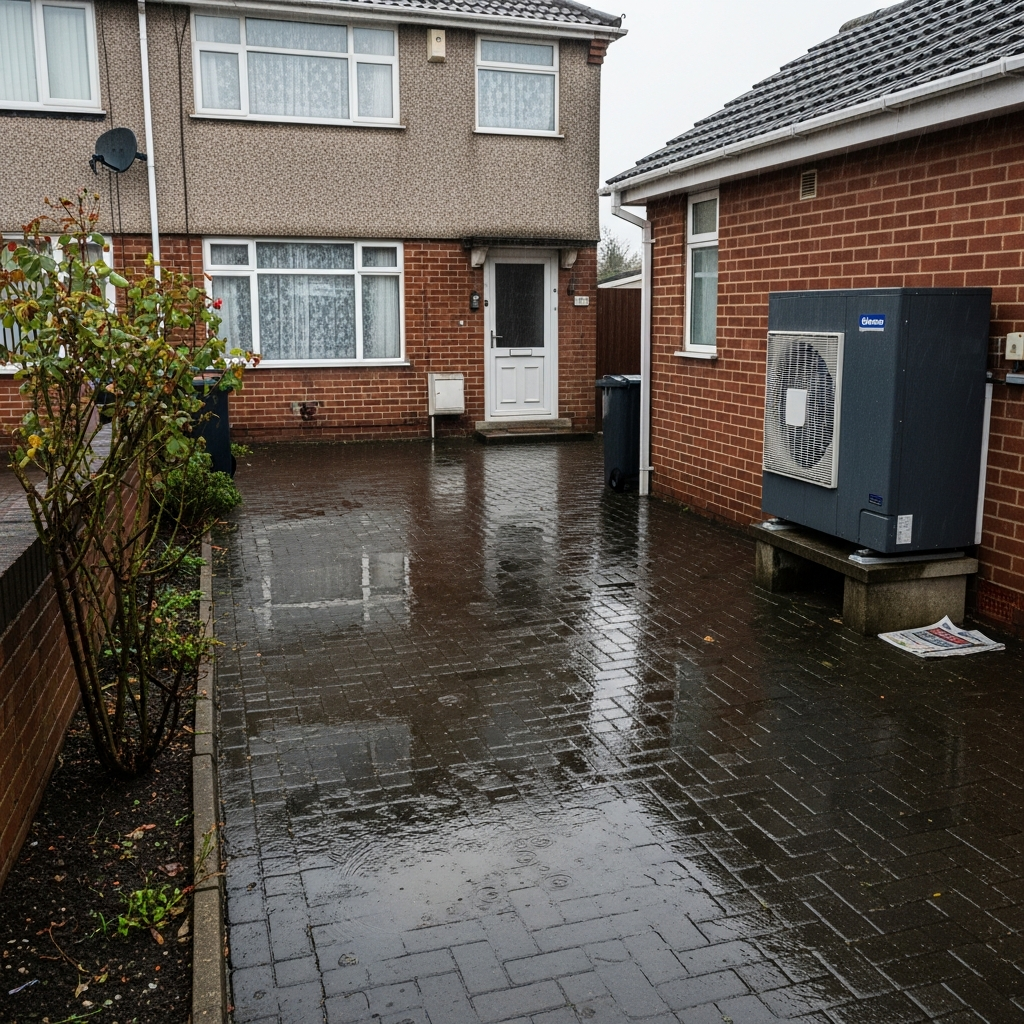
Is your home too draughty for a heat pump?
Check suitability in 60 secondsFree assessment — covers draughts, insulation, and property type.
How Draughts Undermine Heat Pump Performance
Heat pumps deliver heat gently and steadily, typically running for longer periods at lower output compared to the sharp bursts of heat from a gas boiler. This approach is highly efficient — but it depends on your home being reasonably airtight. When cold air pours in through gaps and cracks, uncontrolled ventilation heat loss can account for 30 to 40 per cent of total heat demand.
Draughts also force higher flow temperatures (reducing COP from 3.5 to about 2.8 — a 20 per cent efficiency loss) and create cold spots that make you turn up the thermostat. For a typical three-bedroom semi, reducing air infiltration from a draughty 15 ach@50Pa to a reasonable 7 ach@50Pa can reduce heat demand by 1.5 to 2.5 kW and save £150 to £300 per year.
The Biggest Draught Culprits (and How to Fix Them)
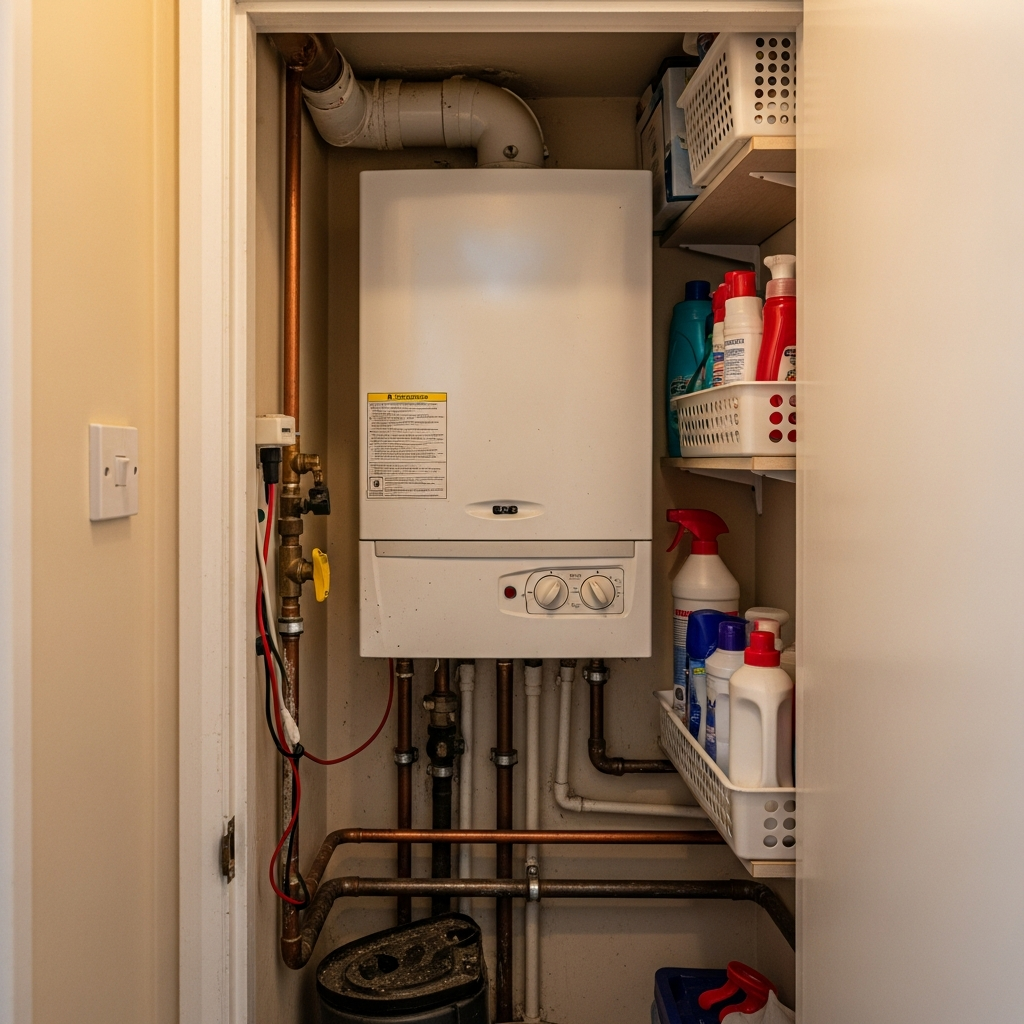
1. External doors
Front and back doors are typically the single biggest source of draughts. Fit draught strips around the frame (£5-£10), brush strips under the door (£8-£15), letterbox covers (£5-£12), and keyhole covers (£3-£5). Total per door: £25 to £50, taking 30 minutes to an hour.
2. Windows
Self-adhesive draught strips (£3-£8 per window), brush strips for sash windows (£15-£30 per window professionally), and exterior sealant for frame-to-wall gaps. Total for 10 windows: £50 to £150 DIY. Read more about glazing and heat pump efficiency.
3. Suspended timber floors
Fill gaps between floorboards with flexible filler (£20-£50 per room), seal skirting board junctions with caulk (£5-£10 per room), and seal around pipes. Total for ground floor: £50 to £150. For more on floor heat loss, see our guide to floor insulation.
4. Loft hatch
Draught strip around the frame, insulate the hatch itself, and add latches. Total cost: £15 to £30. Twenty minutes to fit.
5. Chimneys and fireplaces
An open chimney is essentially a hole in your roof. Chimney balloons (£20-£35), chimney sheep (£25-£45), or chimney caps (£30-£80) for unused fireplaces make an immediate difference.
6. Pipework and cable penetrations
Every pipe, cable, and vent through an external wall creates a draught path. Expanding foam (£5 per can) and silicone sealant (£3-£5 per tube) seal these quickly.
What size heat pump does your home need?
Get a personalised estimateSee how draught-proofing reduces the system size and cost.
The Complete Draught-Proofing Checklist
Work through this list before your heat pump installation:
- Front door — frame strips, brush strip, letterbox cover, keyhole cover
- Back door — frame strips, brush strip, threshold seal
- All opening windows — draught strips or seal replacement
- Gaps between window frames and walls — exterior sealant
- Floorboard gaps — flexible filler
- Skirting board gaps — decorator's caulk
- Pipe and cable penetrations — foam or sealant
- Loft hatch — strip, insulation, latches
- Chimneys — balloon, sheep, or cap
- Extractor fan outlets — draft-proof covers
What Not to Block
Some ventilation is essential for health and building safety. Do not block: air bricks below suspended floors, trickle vents in windows, extractor fans in kitchens and bathrooms, or boiler flue and combustion air vents (until you switch to a heat pump). If you make your home significantly more airtight, consider mechanical ventilation with heat recovery (MVHR) which recovers 85 to 95 per cent of outgoing heat.
Cost Summary: The Full DIY Draught-Proofing Job
| Area | Cost |
|---|---|
| Two external doors | £50 to £100 |
| Ten windows | £30 to £80 |
| Floorboards and skirting | £50 to £150 |
| Loft hatch | £15 to £30 |
| One chimney | £20 to £45 |
| Pipe and cable gaps | £10 to £20 |
| Extractor fan covers | £20 to £40 |
| Total | £195 to £465 |
Expected annual saving: £150-£300. Payback: 1-3 years.
Professional Draught-Proofing Services
Professional draught-proofing services cost £300 to £700 for a typical house. Some specialists use blower door tests to measure air leakage before and after. Your heat pump installer may recommend a specialist, or find one through the Draught Proofing Advisory Association. Check your home's overall readiness with our suitability checker, and see our full guide on improving your EPC before installation.

Get expert advice on preparing your home for a heat pump
Request free installer quotesMCS-certified installers will identify draught issues and recommend solutions.
Frequently Asked Questions
Can a heat pump heat a draughty house?
Yes, but it will cost more to run. A heat pump sized for a draughty home will be larger (and more expensive to buy), and it will consume more electricity. Draught-proofing before installation is strongly recommended.
How much does draught-proofing save on heat pump running costs?
Typically £150 to £300 per year for a draughty three-bedroom semi. With a total investment of £200 to £500, the payback is very fast.
Should I draught-proof before or after installing a heat pump?
Before, ideally. This allows the installer to size the heat pump for your improved home. If you draught-proof afterwards, the heat pump may be slightly oversized.
Will draught-proofing make my home stuffy?
Not if you maintain adequate ventilation. Keep trickle vents open, ensure extractor fans work, and do not block air bricks. If your home becomes very airtight, consider MVHR for controlled ventilation with heat recovery.
Is draught-proofing worth it even without a heat pump?
Absolutely. Draught-proofing reduces heating costs with any system. It also improves comfort immediately. There is no downside to reducing unwanted draughts.
Can I claim any grants for draught-proofing?
Draught-proofing is sometimes included in ECO4 and local authority energy efficiency schemes. Check with your local energy advice service for what is available in your area.
Draught-proofing is a core part of the fabric-first approach to heat pump preparation. Reducing uncontrolled ventilation allows a smaller air source heat pump and lower running costs. The Boiler Upgrade Scheme covers the heat pump itself, while draught-proofing is an affordable DIY improvement. Homeowners who combine airtightness improvements with solar energy generation achieve the lowest overall energy bills.