Home Heat Pump Guide

Loft Insulation: How Much Do You Need for a Heat Pump?
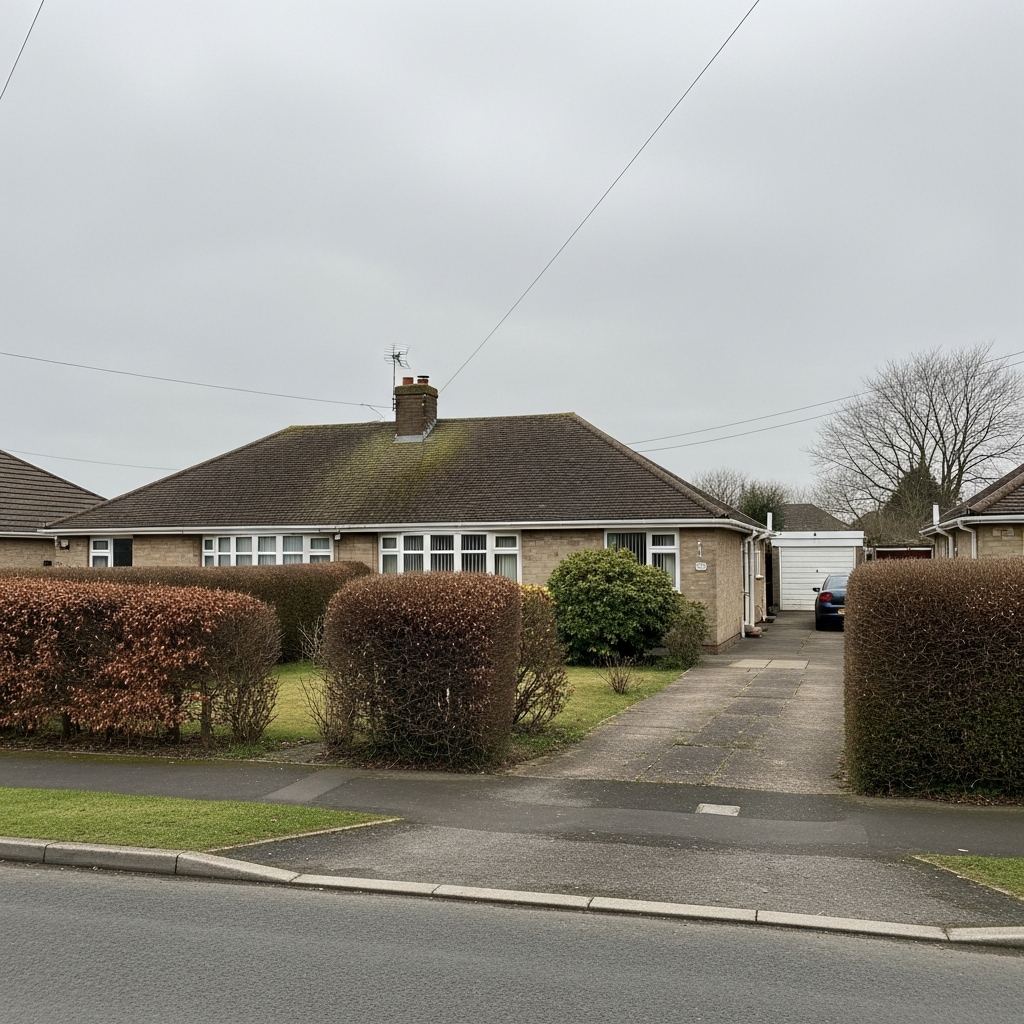
Loft insulation is the quick win of the heat pump world. It is cheap, fast to install, requires no specialist skills, and delivers one of the best returns on investment of any home improvement. If your loft insulation is less than 270mm deep — and in most UK homes, it is — topping it up before or alongside your heat pump installation is one of the smartest things you can do.

This guide covers exactly how much loft insulation you need, what it costs, how it affects your heat pump's performance, and whether you should tackle it yourself or get a professional. It is part of our wider insulation requirements guide for heat pump homes.

How Much Loft Insulation Do You Need?

The short answer

270mm of mineral wool (glass wool or rock wool) is the recommended minimum. This is the current building regulations standard for new builds in England and Wales, and it represents the cost-effective optimum for existing homes too.

The longer answer

The "right" depth depends on what you are measuring against:

  • 100mm: Common in homes insulated in the 1970s-1980s. Better than nothing, but roughly half as effective as current standards
  • 150mm: The standard from the late 1980s to early 2000s. Decent but worth topping up
  • 200mm: A reasonable level that many homes already have. Worth topping up to 270mm if practical
  • 270mm: Current building regulations minimum. The recommended standard for heat pump homes
  • 300-400mm: Provides marginal additional benefit over 270mm. Worth doing if you are laying new insulation anyway
  • 400mm+: Diminishing returns. The additional benefit over 300mm is minimal

The law of diminishing returns

Insulation effectiveness follows a curve of diminishing returns. The first 100mm makes the biggest difference (reducing loft heat loss by roughly 75%). Going from 100mm to 270mm reduces it by another 15-20%. Going beyond 270mm delivers only marginal further improvement. This is why 270mm is considered the cost-effective sweet spot — more insulation always helps, but the savings per pound spent drop off rapidly above this depth.

What Is Your Current Loft Insulation Depth?

Before deciding what to do, check what you already have. This takes five minutes:

  1. Open your loft hatch and climb carefully into the loft (use a torch and step only on joists, never between them)
  2. Look at the insulation between the joists. Measure its depth with a ruler or tape measure
  3. Check whether insulation is also laid over the joists (a second layer on top)
  4. Look for gaps, compressed areas, or missing sections
  5. Note the material type: most UK loft insulation is yellow, pink, or brown mineral wool rolls

Common findings

  • No insulation: Rare but possible in very old homes. Full installation needed
  • 50-100mm between joists only: Very common in older homes. Top up to 270mm
  • 100-150mm between joists: Common in 1980s-2000s homes. Top up with a second layer over joists
  • 200mm+ between and over joists: Good level already. Top-up is beneficial but not urgent
  • Patchy or compressed: Insulation that has been walked on, stored boxes on top of, or has gaps needs attention regardless of depth

How Loft Insulation Affects Heat Pump Performance

Heat rises, and an uninsulated or poorly insulated loft allows a significant proportion of your heating to escape through the ceiling. For a typical three-bedroom semi:

  • No loft insulation: Approximately 2.5 kW lost through the ceiling at design conditions
  • 100mm insulation: Approximately 0.6 kW lost
  • 270mm insulation: Approximately 0.3 kW lost

Impact on heat pump sizing and COP

Topping up from 100mm to 270mm reduces heat loss through the ceiling by roughly 0.3 kW. While this is smaller than the impact of cavity wall insulation, it contributes to the cumulative effect that determines your heat pump size and efficiency.

When combined with other insulation improvements, loft insulation helps keep total heat demand low enough for the heat pump to run at lower flow temperatures — improving COP and reducing running costs. Every marginal improvement matters in the cumulative calculation.

The comfort factor

Beyond energy savings, good loft insulation makes upstairs rooms noticeably more comfortable. Bedrooms stay warmer in winter (the ceiling is not radiating cold) and cooler in summer (the insulation blocks solar heat gain through the roof). This is particularly noticeable in rooms directly below the loft.

Costs: What Does Loft Insulation Top-Up Cost?

DIY costs

  • Mineral wool rolls (100mm x 1140mm x 8m): £8-12 per roll
  • Rolls needed for a three-bedroom semi (to top up): 8-12 rolls
  • Total material cost: £80-150
  • Additional materials: Loft legs, boarding (if needed), dust mask, gloves: £50-100
  • Total DIY cost: £130-250

Professional installation costs

  • Top-up from 100mm to 270mm (semi-detached): £300-500
  • Full installation from zero (semi-detached): £400-600
  • Top-up for a detached house: £400-700
  • Including loft clearance (if stored items need moving): Add £100-300

Free options

Loft insulation is covered by the same grant schemes as cavity wall insulation:

  • ECO4: Free for qualifying households (on certain benefits)
  • Great British Insulation Scheme: Free or subsidised for eligible homes
  • Local authority grants: Various local schemes available

Even at full price, loft insulation top-up is one of the cheapest home improvements available and pays for itself within 1-3 years through reduced heating costs.

How to Top Up Loft Insulation (DIY Guide)

Topping up loft insulation is a straightforward DIY job. Here is how to do it properly:

What you need

  • Mineral wool rolls (enough to cover your loft area to 270mm total depth)
  • Dust mask (FFP2 or better — mineral wool fibres irritate lungs)
  • Gloves (long-sleeved, the fibres irritate skin)
  • Safety goggles
  • Long-sleeved shirt and trousers (cover up)
  • Torch or head torch
  • Tape measure
  • Knife or large scissors (for cutting rolls to size)

Step-by-step process

  1. Clear the loft: Remove stored items from the area you are insulating. Consider loft legs and boarding for a walkway if you need future access
  2. Check existing insulation: Measure the current depth. If it is between the joists only, you will be laying a second layer perpendicular across the top of the joists
  3. Lay the new insulation: Unroll mineral wool across the top of the joists at right angles to the existing insulation. Butt each roll tightly against the previous one with no gaps
  4. Work around obstacles: Cut insulation to fit around pipes, cables, and junction boxes. Do not compress it — the air pockets within the wool are what provides insulation
  5. Avoid blocking ventilation: Leave a gap at the eaves to allow airflow. Blocking ventilation can cause condensation problems in the loft space
  6. Insulate the loft hatch: Fix a piece of insulation to the top of the loft hatch and add draught strips around the frame. The hatch is often a major heat loss point
  7. Do not insulate under water tanks: If you have a cold water tank in the loft, leave insulation out from underneath it (so rising heat keeps it from freezing) but insulate around and over it

Common Mistakes to Avoid

Compressing the insulation

Mineral wool works by trapping air in its fibres. If you compress it (by stacking boxes on top or walking on it), you squeeze out the air and dramatically reduce its effectiveness. 270mm of compressed mineral wool may perform no better than 100mm of uncompressed. If you need storage space in the loft, install loft legs that raise boarding above the insulation, allowing it to remain at full depth.

Leaving gaps

Even small gaps in insulation allow heat to escape. A 5% gap in coverage can reduce overall effectiveness by 25% or more. Ensure rolls are butted tightly together and cut to fit snugly around pipes and cables.

Blocking eaves ventilation

Your loft needs ventilation to prevent condensation. Do not push insulation right to the edges where the roof meets the walls. Leave a 25-50mm gap or install proprietary eaves ventilation trays that allow airflow while keeping insulation in place.

Insulating over electrical cables

Old wiring can overheat if buried under thick insulation. If your wiring is not modern twin-and-earth cable, have an electrician check it before insulating. Modern cables are designed to cope with being insulated, but it is worth checking if your wiring is elderly.

Forgetting the loft hatch

An uninsulated loft hatch is a significant heat loss point — effectively a hole in your insulation. Insulate the top of the hatch with a piece of rigid insulation board and fit draught strips around the frame. Loft hatch insulation kits are available for under £30.

Loft Insulation and Loft Conversions

If your loft is converted (used as a living space), the insulation approach is different. You cannot lay insulation on the floor because the floor is a ceiling. Instead, insulation needs to be between or under the rafters, typically using rigid insulation board or spray foam.

Loft conversions with inadequate insulation between the rafters can be significant sources of heat loss. If your converted loft feels cold in winter, the rafter insulation may be thin or missing. This is a more complex job than standard loft insulation and usually requires a professional, but the impact on heat pump performance can be substantial — especially since the loft rooms are often the hardest to heat.

The Bottom Line: Is Loft Insulation Worth It for a Heat Pump?

Unequivocally, yes. Loft insulation top-up is:

  • Cheap: £130-600 depending on DIY versus professional and property size
  • Quick: Half a day for DIY, 2-3 hours for a professional
  • Effective: Reduces heat loss through the ceiling by up to 90%
  • Long-lasting: Effectively permanent with no maintenance
  • Compatible: Works alongside all other insulation measures
  • Payback: 1-3 years, faster with a heat pump due to higher electricity costs

If you are planning a heat pump installation, topping up your loft insulation to 270mm+ should be on your checklist alongside cavity wall insulation and draught-proofing. Together, these three measures form the affordable foundation of the fabric-first approach that makes heat pumps work at their best.

And if you are already running a heat pump and your loft is under-insulated, topping up now will reduce your running costs immediately. It is genuinely one of the easiest and most cost-effective improvements any homeowner can make.

Frequently Asked Questions

Is 270mm of loft insulation enough for a heat pump?

Yes, 270mm is the recommended standard and provides excellent thermal performance. Going beyond 270mm delivers diminishing returns — the improvement from 270mm to 400mm is much smaller than from 100mm to 270mm. Unless you are pursuing Passivhaus standards, 270mm is entirely adequate for a well-performing heat pump system.

Can I lay new insulation on top of old insulation?

Yes, this is the standard approach. Lay the new rolls perpendicular to the existing insulation, across the top of the joists. There is no need to remove the old insulation unless it is damp, contaminated, or a material that is no longer recommended (such as vermiculite, which should be tested for asbestos).

How much does loft insulation save per year?

The Energy Saving Trust estimates loft insulation top-up (from 120mm to 270mm) saves £35-55 per year for a typical home on gas central heating. With a heat pump, the saving is higher because electricity is more expensive per kWh — typically £50-100 per year. Combined with improved COP from lower heat demand, the total benefit can reach £80-150 annually.

Should I use mineral wool or rigid board for loft insulation?

For standard lofts (not converted), mineral wool rolls are the best choice. They are cheaper, easier to install, and conform to uneven surfaces. Rigid board is better for converted lofts where insulation goes between or under rafters, and for insulating the loft hatch itself. Spray foam is an option but is more expensive and harder to reverse.

Does loft insulation affect my loft's ventilation?

It should not, as long as you do not block the eaves ventilation. A properly insulated loft still needs airflow above the insulation to prevent condensation. Leave gaps at the eaves or install ventilation trays. If your loft currently has no ventilation, adding insulation without addressing this can cause condensation problems — a professional installer will check and advise.

Can I insulate my loft myself or do I need a professional?

Loft insulation top-up is one of the few home improvement jobs that is genuinely suitable for DIY. The material is inexpensive, the technique is simple (unroll and lay), and no specialist tools are needed. Wear protective equipment (mask, gloves, goggles, long sleeves) and take care moving around the loft. If you are not confident moving in the loft space, or if there are access issues, a professional can complete the job in 2-3 hours for £300-500.