Home Heat Pump Guide

How Much Electricity Does a Heat Pump Use Per Day?
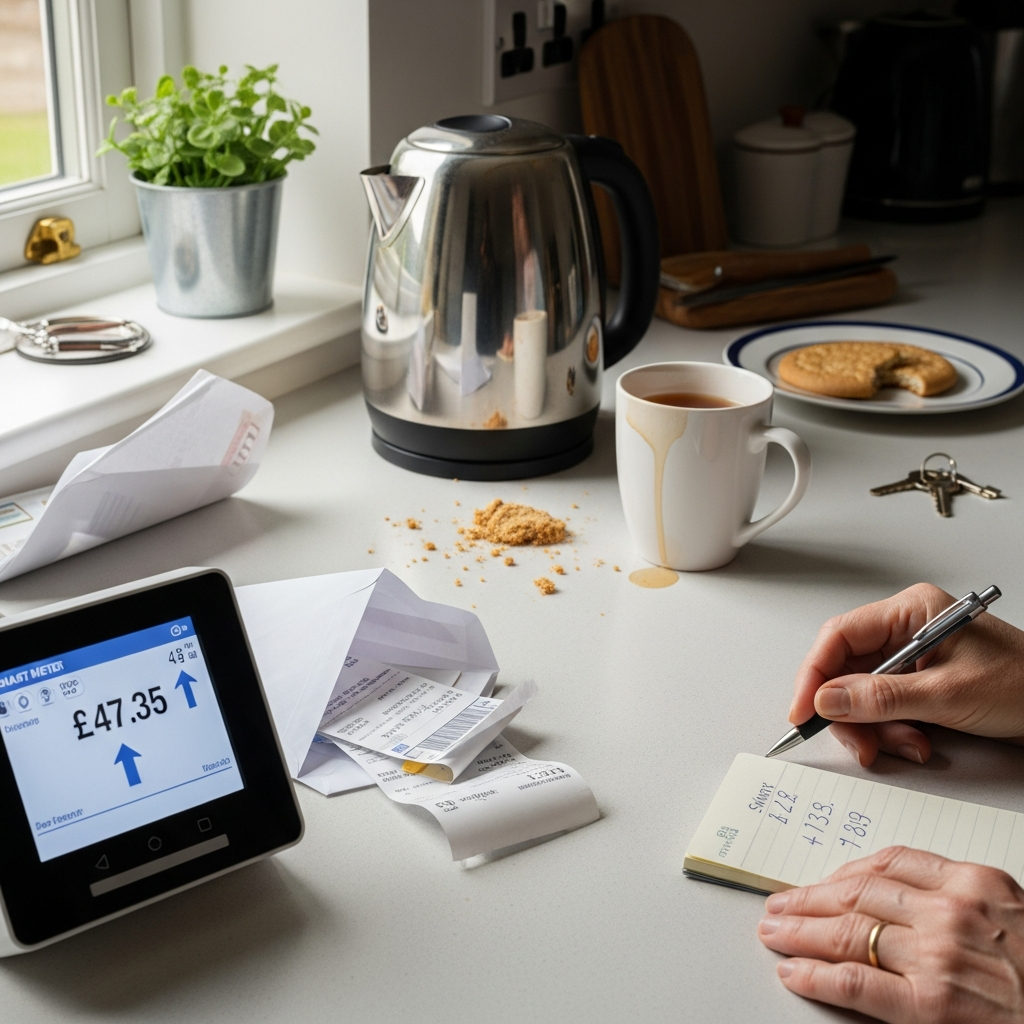
One of the most common questions from homeowners considering a heat pump is straightforward: how much electricity will it actually use each day? It is a fair question — after all, your electricity bill is where the running costs show up, and you need realistic numbers to work out whether a heat pump makes financial sense.

The honest answer is that daily electricity usage varies enormously depending on the time of year, the size and insulation of your home, and how efficiently the system is installed. But we can give you solid, real-world ranges based on data from thousands of UK heat pump installations.

Daily Electricity Usage at a Glance

Here are typical daily electricity consumption figures for an air source heat pump providing both space heating and hot water in a UK home:

Winter (December to February)

  • Small home (1-2 bed flat or terrace): 10 to 18 kWh per day
  • Medium home (3-bed semi): 15 to 25 kWh per day
  • Large home (4-5 bed detached): 22 to 35 kWh per day

Spring and Autumn (March to May, September to November)

  • Small home: 5 to 10 kWh per day
  • Medium home: 8 to 15 kWh per day
  • Large home: 12 to 22 kWh per day

Summer (June to August)

  • Small home: 2 to 4 kWh per day
  • Medium home: 3 to 5 kWh per day
  • Large home: 4 to 7 kWh per day

In summer, the heat pump is typically only heating your hot water cylinder, which explains the dramatically lower figures. The heating circuit is usually off from May to September in most UK homes.

What Determines Daily Usage?

Those ranges are quite broad, so let us break down the factors that push you towards the lower or higher end.

1. Property Size and Heat Loss

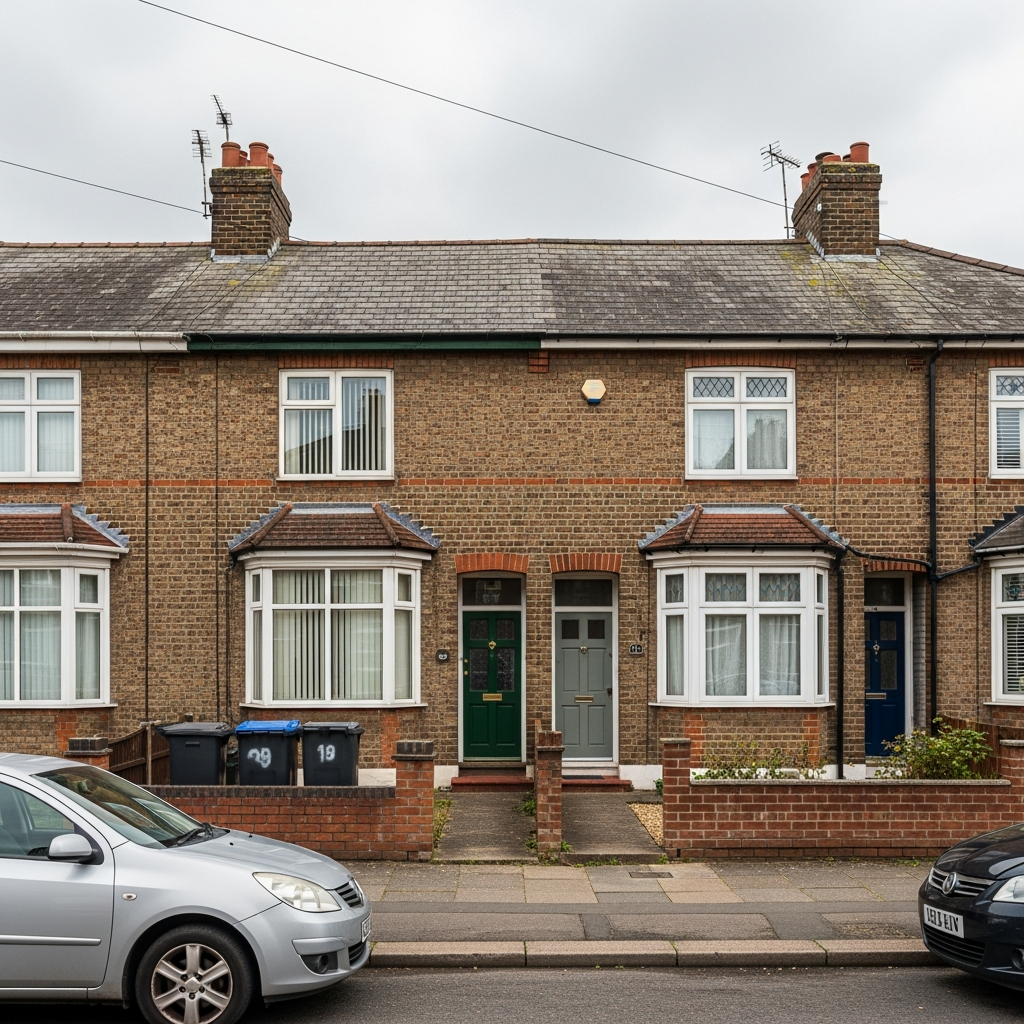
This is the single biggest factor. A larger home with more external walls, windows, and roof area loses more heat and therefore needs more energy to stay warm. But size alone does not tell the full story — a compact, well-insulated 3-bed house can use less electricity than a draughty 2-bed cottage.

Your installer should carry out a detailed heat loss calculation before specifying your system. This gives you a far more accurate picture than general estimates. A typical 3-bed semi with reasonable insulation might have a heat loss of 6 to 8 kW at design temperature (-3°C), while a poorly insulated Victorian terrace of the same size could be 10 to 12 kW.

2. Insulation Quality

Insulation has a massive impact on daily electricity usage. Consider the difference:

  • Well-insulated home (cavity wall insulation, 270mm+ loft insulation, double or triple glazing): Heat pump might use 15 kWh per day in January.
  • Poorly insulated home (solid walls, minimal loft insulation, single glazing): The same heat pump could use 30 kWh per day or more to maintain the same temperature.

This is why energy efficiency improvements are so strongly recommended before or alongside heat pump installation. Every pound spent on insulation reduces your daily electricity consumption for the life of the system.

3. Target Temperature

Every degree Celsius you raise your thermostat increases electricity usage by roughly 8% to 10%. A household maintaining 21°C will use noticeably more electricity than one comfortable at 19°C. Heat pumps work best when set to a consistent, moderate temperature rather than being cranked up high.

4. Coefficient of Performance (COP)

The COP of your heat pump directly affects how much electricity it needs. A system running at an average COP of 3.5 uses 30% less electricity than one running at a COP of 2.5 to deliver the same amount of heat. COP is influenced by:

  • Flow temperature — lower is better (35°C to 45°C ideal)
  • Outside air temperature — milder weather means higher COP
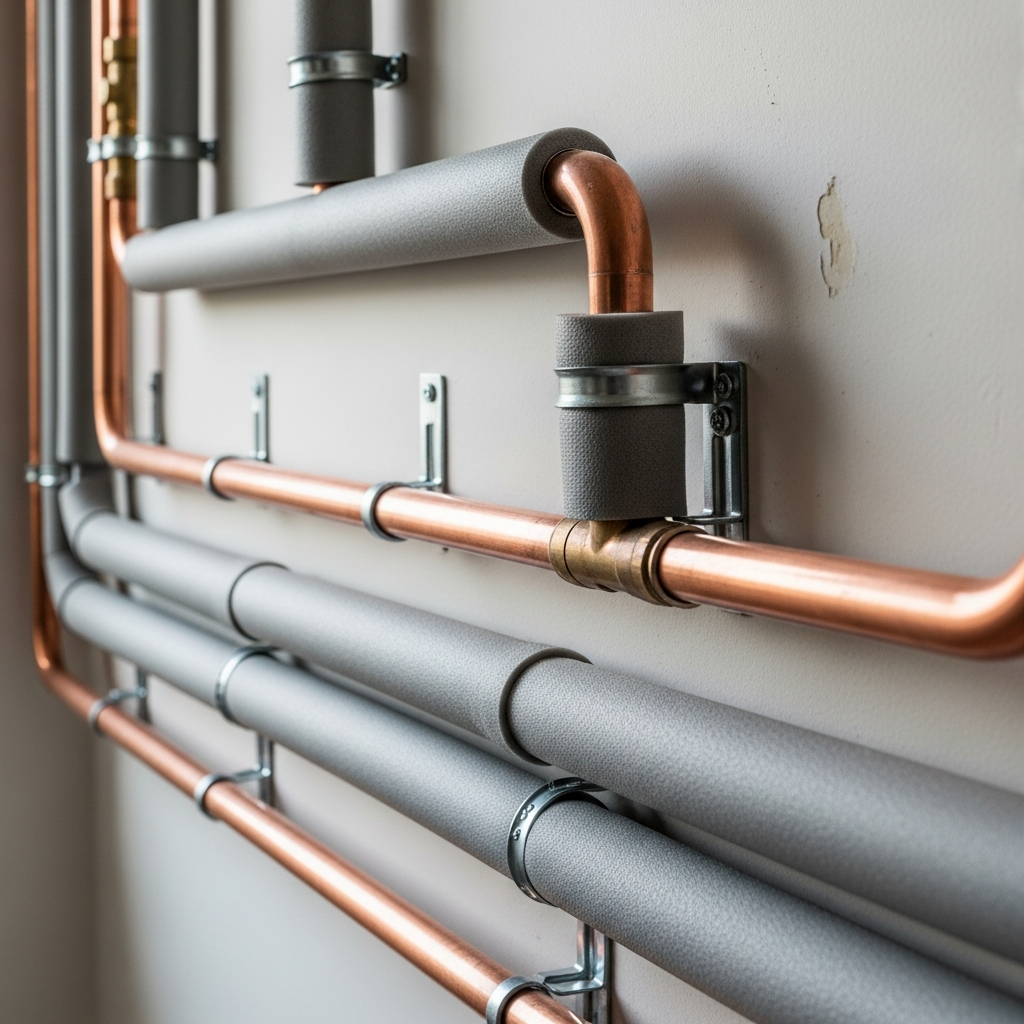
  • System design quality — correct sizing, good pipework, weather compensation

5. Hot Water Demand

Heating a 200-litre hot water cylinder from cold typically uses 4 to 6 kWh of electricity. If your household uses a lot of hot water (long showers, baths, lots of washing), the heat pump may need to reheat the cylinder more than once a day, adding to daily consumption. In summer, hot water heating accounts for virtually all of the heat pump's electricity usage.

6. Defrost Cycles

When outside temperatures drop below about 5°C and humidity is high, ice can form on the outdoor unit's evaporator. The heat pump periodically reverses its cycle to melt this ice, which uses additional electricity without producing useful heat. On cold, damp days, defrost cycles can add 5% to 15% to your daily electricity consumption.

Real-World Data: What Actual UK Homes Use

The Energy Saving Trust and the Electrification of Heat Demonstration Project have published extensive data from real UK heat pump installations. Here are some representative examples:

Case Study 1: 3-Bed 1930s Semi, West Midlands

  • Cavity wall insulation, 250mm loft insulation, double glazing
  • 8 kW air source heat pump
  • Annual electricity for heating and hot water: 4,200 kWh
  • Average daily usage: 11.5 kWh (ranging from 3 kWh in July to 24 kWh in January)

Case Study 2: 4-Bed Detached, Yorkshire

  • Solid walls (externally insulated), 300mm loft insulation, triple glazing
  • 12 kW air source heat pump with underfloor heating
  • Annual electricity for heating and hot water: 5,800 kWh
  • Average daily usage: 15.9 kWh (ranging from 4 kWh in August to 30 kWh in January)

Case Study 3: 2-Bed Terrace, South East

  • Cavity walls, 200mm loft insulation, double glazing
  • 5 kW air source heat pump
  • Annual electricity for heating and hot water: 2,800 kWh
  • Average daily usage: 7.7 kWh (ranging from 2 kWh in July to 16 kWh in December)

How This Translates to Cost

To convert daily kWh usage into cost, multiply by your electricity rate. At the 2026 average of approximately 24p per kWh on a flat-rate tariff:

  • 10 kWh per day: £2.40 per day / £72 per month
  • 20 kWh per day: £4.80 per day / £144 per month
  • 30 kWh per day: £7.20 per day / £216 per month

On a time-of-use tariff like Octopus Cosy, you could reduce these figures by 20% to 30% by shifting consumption to cheaper periods.

How to Check Your Own Daily Usage

Once your heat pump is installed, the best way to track daily electricity usage is through:

  • Your smart meter in-home display: Shows real-time and daily consumption for the whole house.
  • A dedicated energy monitor: Devices like the myenergi harvi or Sense can isolate the heat pump's consumption from the rest of your household.
  • The heat pump's own app: Most modern heat pumps (Vaillant, Daikin, Samsung, Mitsubishi) have smartphone apps that show daily and monthly electricity consumption and COP figures.
  • Your energy supplier's app: With a smart meter, most suppliers show half-hourly consumption data.

Monitoring is especially valuable in the first winter — it lets you spot if consumption is higher than expected and adjust settings before the bill shock hits.

Comparing Heat Pump Usage to Other Heating Systems

For context, here is how heat pump electricity usage compares to the energy consumption of other heating systems in a typical 3-bed semi:

  • Gas boiler: 40 to 60 kWh of gas per day in winter (but gas is cheaper per kWh)
  • Oil boiler: 35 to 50 kWh of oil per day in winter
  • Electric storage heaters: 25 to 45 kWh of electricity per day in winter
  • Air source heat pump: 15 to 25 kWh of electricity per day in winter

The heat pump uses significantly less electricity than storage heaters because of its COP — it delivers 3 to 4 times more heat per unit of electricity consumed. This is the fundamental advantage that makes heat pumps viable despite electricity being more expensive than gas.

Tips to Reduce Daily Electricity Usage

If your heat pump is using more electricity than you expected, there are several things you can do. Our full guide covers 10 practical ways to cut costs, but the key actions are:

  • Lower the flow temperature: Dropping from 50°C to 40°C can reduce electricity usage by 15% to 25%.
  • Enable weather compensation: Let the system automatically adjust based on outside temperature.
  • Improve insulation: Even small improvements like draught-proofing and loft insulation top-ups make a difference.
  • Check the heating curve: Your installer can adjust this to better match your home's heat loss profile.
  • Switch to a better tariff: A time-of-use tariff reduces costs without changing how much electricity you use.

Frequently Asked Questions

Does a heat pump use electricity 24 hours a day?

In winter, a well-designed heat pump system may run for 12 to 18 hours per day, cycling on and off as needed. It does not typically run continuously for 24 hours. In summer, it may only run for 1 to 3 hours to heat your hot water.

How much electricity does a heat pump use just for hot water?

Heating a 200-litre hot water cylinder once per day typically uses 4 to 6 kWh. For a family of four with moderate hot water usage, expect 5 to 8 kWh per day year-round for hot water alone.

Is 30 kWh per day too much for a heat pump?

For a large, poorly insulated home on the coldest days of winter, 30 kWh per day is within the expected range. However, for a medium-sized, well-insulated home, 30 kWh per day would suggest the system is not performing optimally. Check your flow temperature, ensure weather compensation is enabled, and contact your installer if usage seems excessive.

Will my electricity usage go up if I switch from gas to a heat pump?

Yes, your electricity usage will increase because you are replacing gas with electricity. However, your gas bill will disappear entirely. The total energy cost (electricity minus gas savings) is typically similar to or lower than what you were paying for gas, depending on your property and insulation.

How does a ground source heat pump compare?

Ground source heat pumps typically use 10% to 20% less electricity per day than air source heat pumps because they benefit from a more stable underground temperature. However, the difference is most pronounced in the coldest months.

The Bottom Line

A typical UK home with a heat pump will use between 10 and 25 kWh of electricity per day in winter, dropping to 2 to 5 kWh in summer. Annually, that works out to roughly 3,000 to 6,000 kWh for heating and hot water — well within the range where heat pumps are cost-competitive with gas boilers.

The key to keeping daily usage at the lower end of the range is good insulation, correct system design, low flow temperatures, and understanding the seasonal pattern of your energy consumption. With the right setup and tariff, a heat pump can heat your home comfortably while keeping electricity costs firmly under control.