Heat Pump Electricity Usage in Winter vs Summer
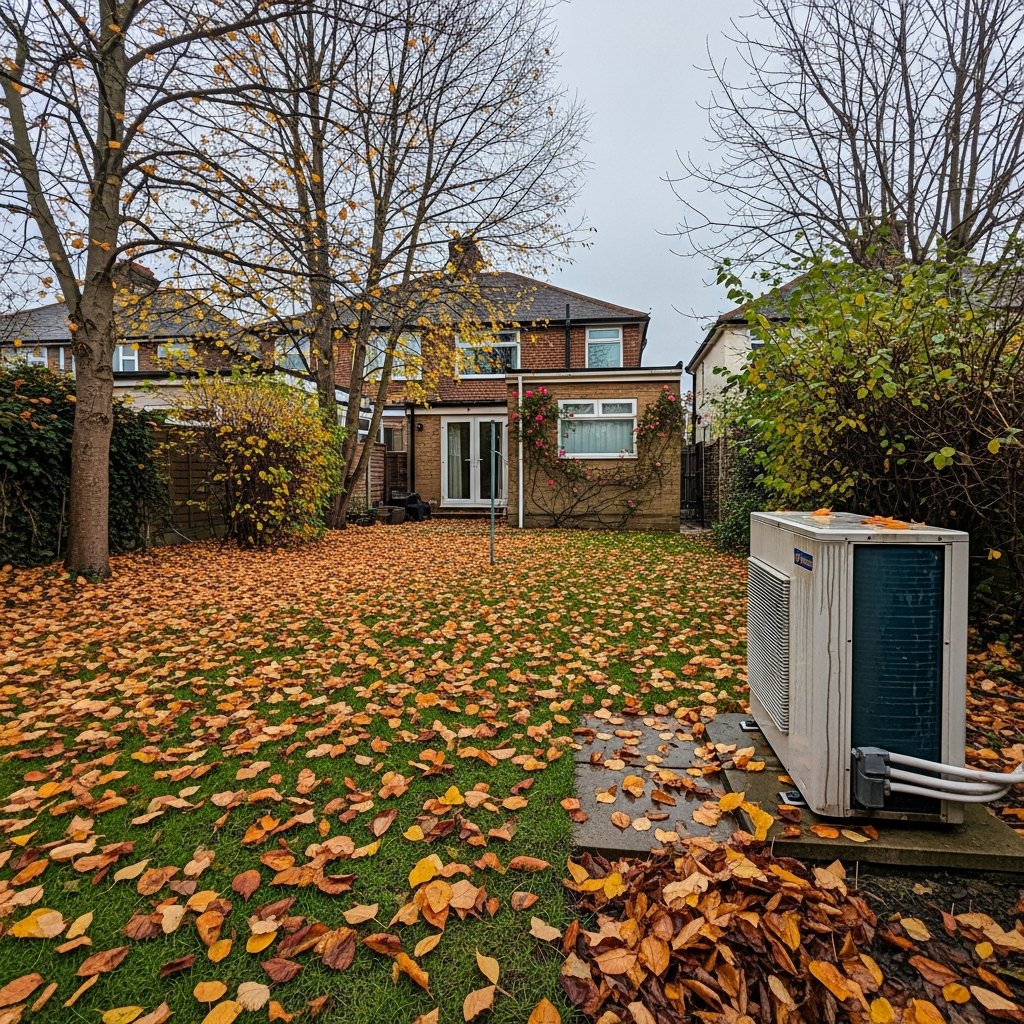
Your heat pump will use 5-7 times more electricity in January than July. Understanding this seasonal swing is essential for budgeting, choosing the right tariff, and deciding whether solar panels make sense alongside your system.
This guide breaks down monthly electricity usage for a typical UK heat pump, explains why winter costs spike, and shows how to budget effectively for the variation.
Get a personalised heat pump running cost estimate
Use Our Free CalculatorIncludes seasonal cost breakdown for your property
Monthly Electricity Breakdown
Why Usage Varies So Much
Three factors drive the seasonal swing:
- Heat demand: A UK home needs 5-10 times more heat in January (outdoor temps around 3-5 degrees) than in June (15-20 degrees)
- COP variation: Your heat pump's efficiency drops from COP 4.0+ in mild weather to COP 2.5-3.0 in freezing conditions, requiring more electricity per unit of heat
- Hot water vs space heating: Summer usage is hot water only (2-5 kWh/day). Winter adds 15-25 kWh/day for space heating
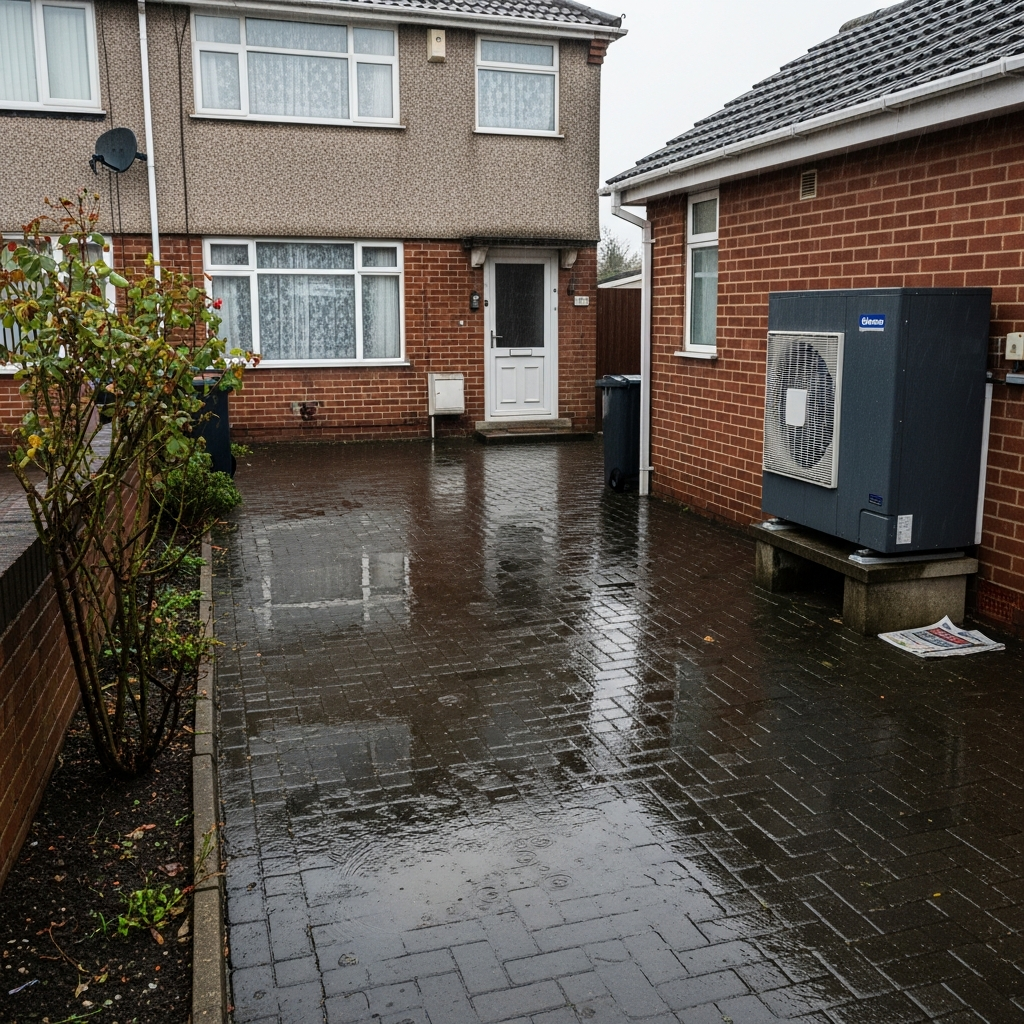
Winter Costs and How to Reduce Them
January Cost (Standard)
£162 (620 kWh × 26.11p)
January Cost (Cosy)
£93 (60% off-peak)
Saving
£59 per month
The biggest lever is your electricity tariff. Octopus Cosy cuts winter costs by 35-40%. Beyond tariff choice, improving insulation reduces the heat demand itself, delivering permanent savings.
Summer: Where Solar Shines
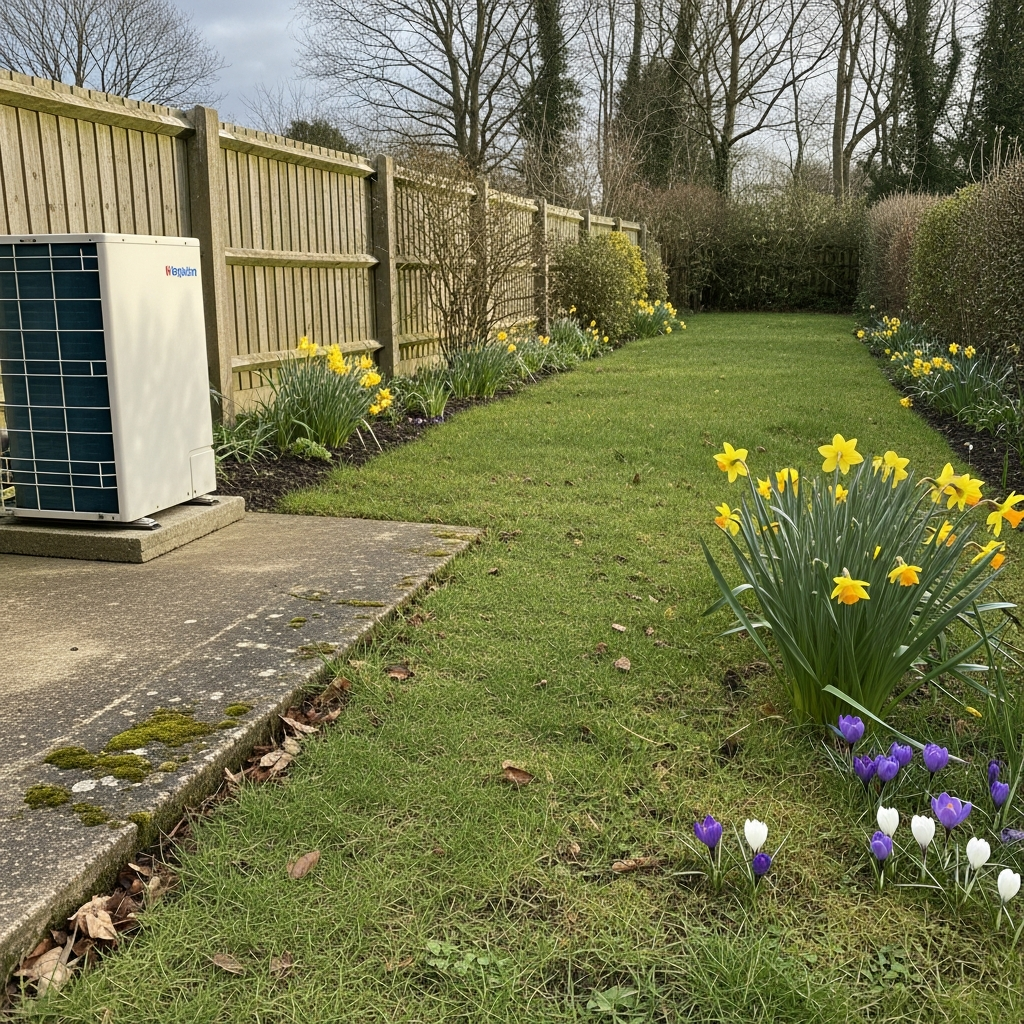
Summer heat pump usage of 80-120 kWh per month is easily covered by even a modest solar panel system. A typical 4 kW solar array generates 400-500 kWh per month in summer — far more than your heat pump needs. This means your heat pump runs almost for free from May to September, with surplus solar exported for additional income.
How to Budget for Seasonal Variation
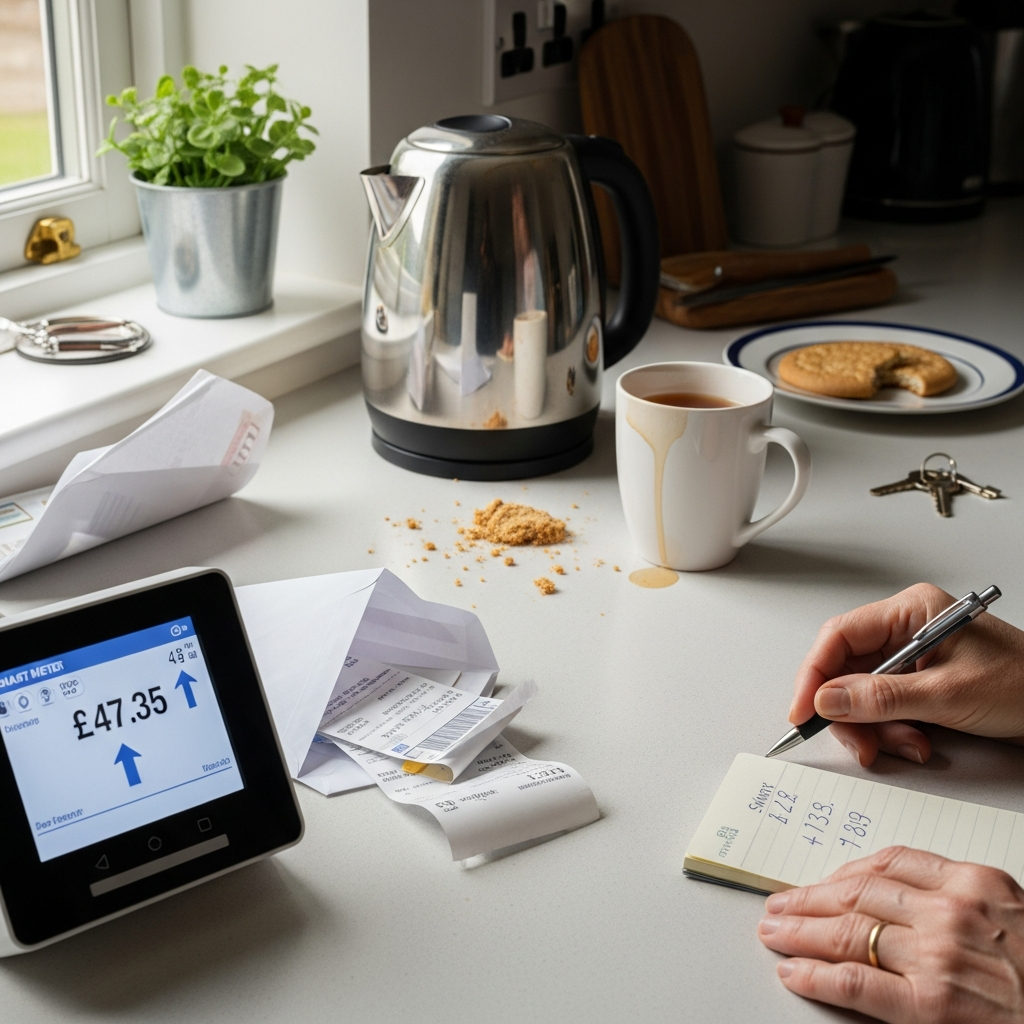
- Monthly direct debit: Most suppliers average your annual cost across 12 equal payments, smoothing the seasonal variation
- Budget using annual total: Divide your expected annual heat pump cost (e.g., £600 on Cosy) by 12 for a monthly figure (£50)
- Build a winter buffer: If paying on receipt, expect January-February bills to be 3-5 times your July-August bills
Use our heat pump calculator for a personalised annual estimate, then divide by 12 for your monthly budget.
Compare tariffs to minimise your winter bills
Get Free QuotesMCS installers advise on tariff optimisation alongside installation
Calculate your annual heat pump running costs
Try the Free CalculatorIncludes seasonal breakdown and tariff comparison
Frequently Asked Questions
How much more electricity does a heat pump use in winter than summer?
A typical heat pump uses 5-7 times more electricity in winter than summer. January usage of 500-700 kWh compares to July usage of just 80-120 kWh (hot water only). See our daily usage guide for more detail.
Does a heat pump work in winter UK temperatures?
Yes. Modern air source heat pumps work efficiently down to -15 degrees or lower. UK winter temperatures rarely fall below -5 degrees, well within their operating range.
Should I set my heat pump differently in summer?
Yes. Most heat pumps have a hot-water-only mode for summer that switches off space heating entirely, reducing usage to just 2-5 kWh per day.
Can solar panels offset summer heat pump usage?
Yes, and very effectively. Summer solar generation typically exceeds heat pump hot water demand, meaning your heat pump can run almost entirely on free solar electricity from May to September. See our solar and heat pump guide.
How should I budget for seasonal electricity variation?
Expect winter bills 3-5 times higher than summer. Many suppliers offer monthly direct debit that averages costs across the year. Use your annual total divided by 12 for budgeting.
Seasonal Heat Pump Economics in the UK
Understanding seasonal electricity variation is crucial for evaluating the overall value of a heat pump. While winter costs can seem high in isolation, the annual average — especially on a dedicated heat pump tariff — is competitive with gas heating. The Boiler Upgrade Scheme reduces upfront costs, proper insulation reduces winter demand, and solar panels eliminate summer costs entirely — making the full-year picture increasingly attractive.