Cavity Wall Insulation and Heat Pumps: The Most Impactful Upgrade
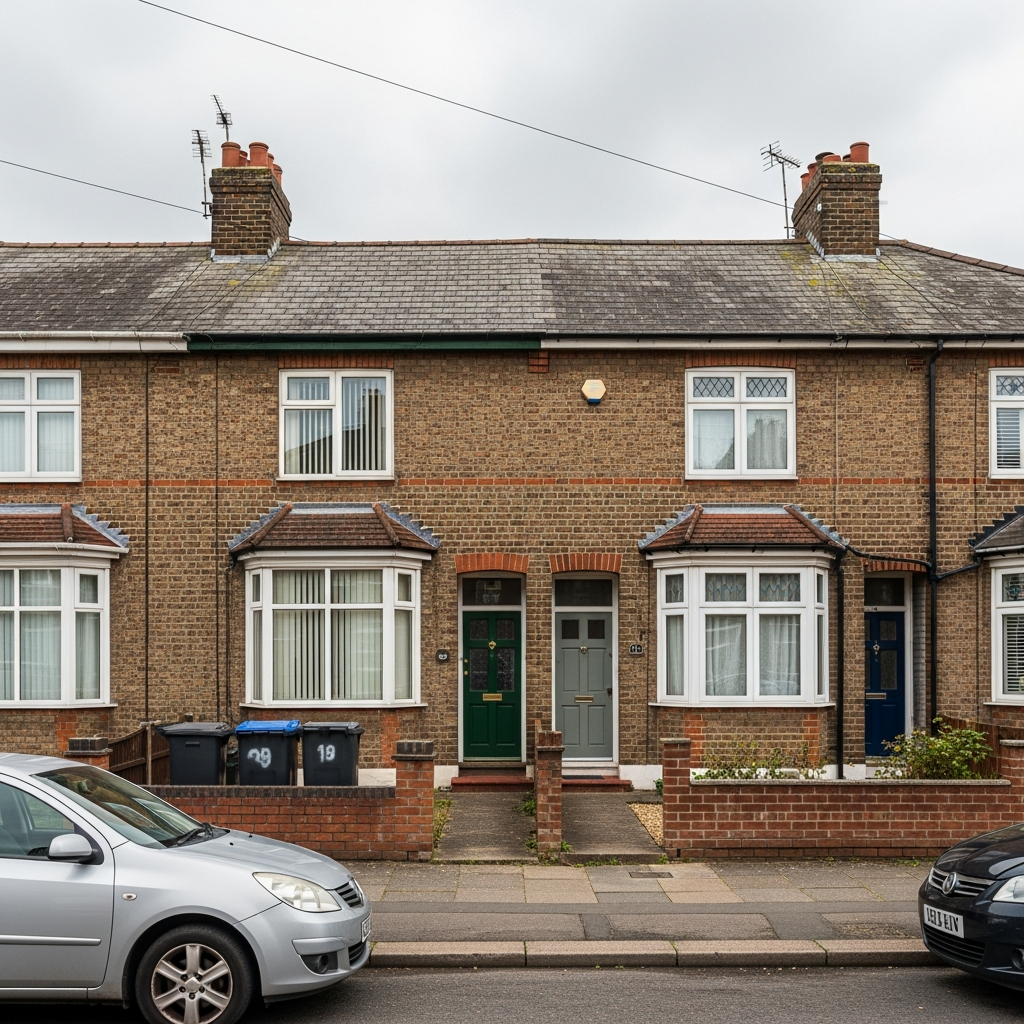
An estimated 5 million UK homes still have unfilled cavity walls — losing 35% of their heat through the walls alone. For heat pump owners, filling this cavity is the single most impactful upgrade available: it costs £500-1,500, takes half a day, and reduces heat demand by 15-25%. That translates to a smaller heat pump, lower flow temperatures, better COP, and annual savings of £90-150 on your electricity tariff.
Check if your home needs insulation upgrades
Free Suitability CheckIncludes insulation assessment for your property type
Impact on Heat Pump Performance
Wall U-Value Before
1.5 W/m2K
Wall U-Value After
0.5 W/m2K
Heat Demand Reduction
15-25%
Annual Saving
£90-150
The U-value improvement from 1.5 to 0.5 W/m2K means walls lose two-thirds less heat. This enables lower flow temperatures, improving COP and reducing electricity consumption. The insulation also helps with time-of-use tariffs because the home retains heat longer between off-peak windows.
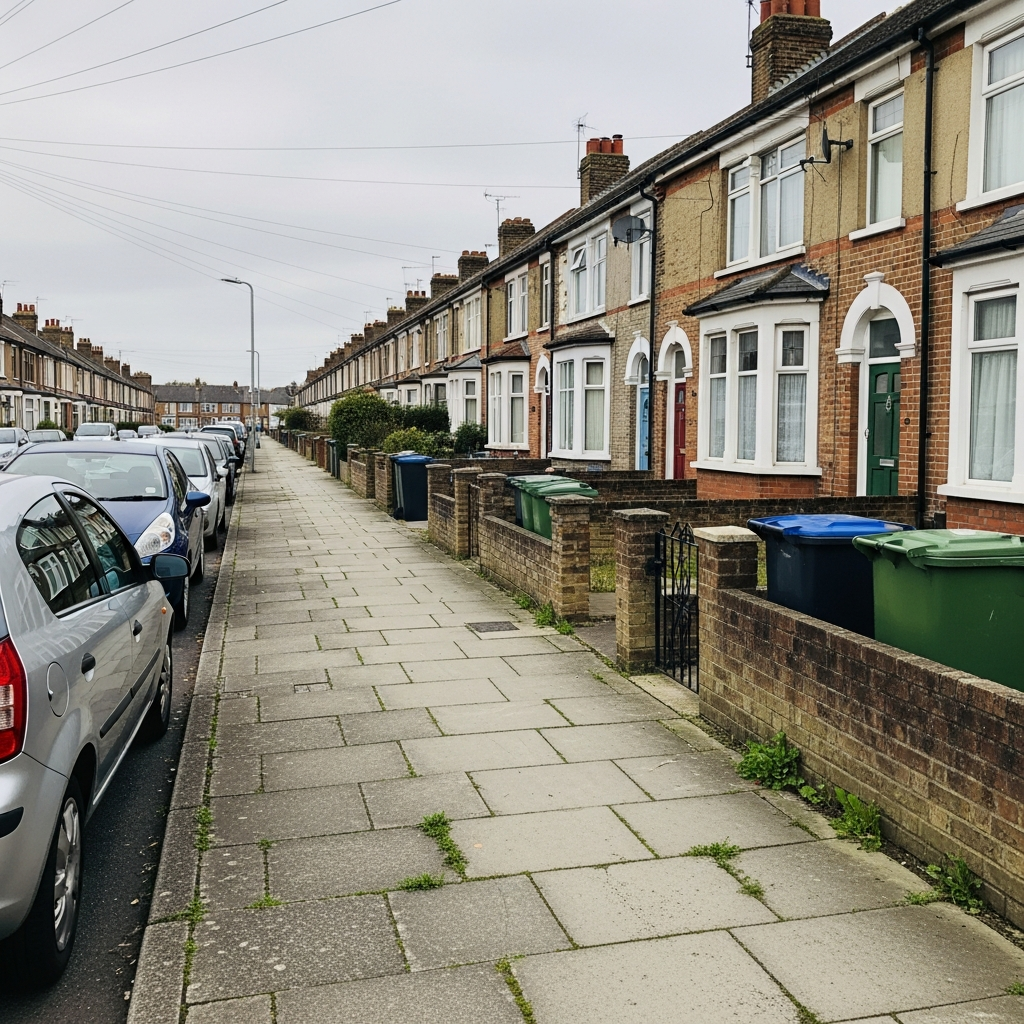
Cost and Payback
| Property Type | Cost | Annual Saving | Payback |
|---|---|---|---|
| Mid-terrace | £400-700 | £60-100 | 4-7 years |
| Semi-detached | £600-1,000 | £90-130 | 5-8 years |
| Detached | £800-1,500 | £120-180 | 5-8 years |
Many households qualify for free installation through government schemes.
The Installation Process
- Surveyor inspects your walls (often free from insulation companies)
- Small holes drilled in external mortar joints (approximately every 1m)
- Insulation material injected through holes (typically mineral wool or polystyrene beads)
- Holes patched with mortar to match existing pointing
- Total time: 2-4 hours. No internal disruption
Grants Available
- ECO4: Free for qualifying low-income households
- Great British Insulation Scheme: Council tax bands A-D in England and Scotland
- HUG2: Off-gas-grid homes with EPC D or below
Combine with the BUS grant for a whole-home upgrade at minimal cost. See our insulation pillar guide for full details.
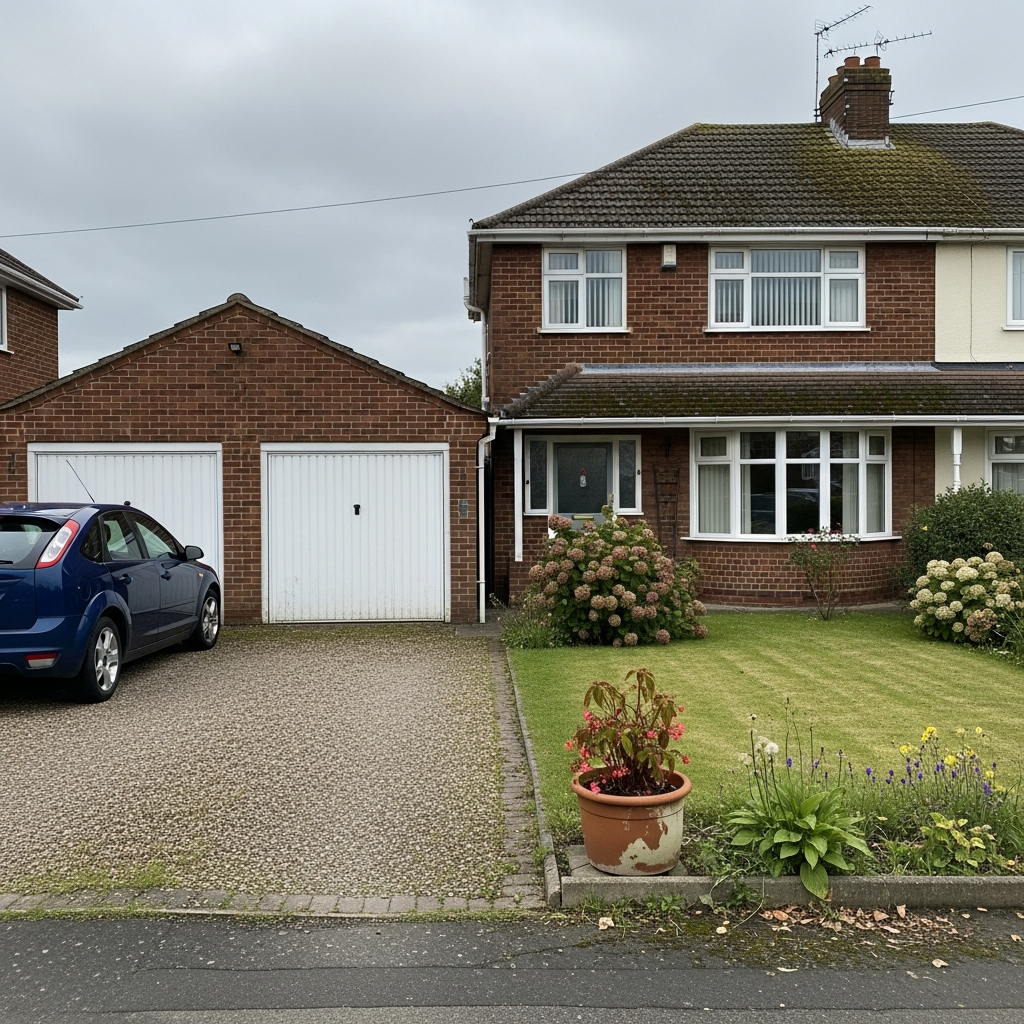
Get quotes for cavity wall insulation + heat pump
Get Free Installer QuotesMCS installers can coordinate insulation and heat pump installation together
Calculate your savings with insulated walls
Try the Free CalculatorSee how cavity wall fill changes your running costs
Frequently Asked Questions
How much does cavity wall insulation cost?
Typically £500-1,500. Many qualify for free installation through ECO4 or the Great British Insulation Scheme.
How much will cavity wall insulation save on my heat pump bills?
£90-150 per year on heat pump electricity. Payback is 3-10 years depending on grant availability.
How do I know if my walls are unfilled cavities?
Homes built 1920s-1990s likely have cavities. Check for regular stretcher bond brickwork. A free borescope inspection confirms.
Can cavity wall insulation cause damp?
Rarely in suitable properties. A surveyor assesses exposure before installation. See our insulation guide for more detail.
How long does cavity wall insulation take to install?
2-4 hours for a standard home. Minimal disruption — small external holes drilled, insulation injected, holes patched.
Cavity Wall Insulation and UK Housing Stock
Filling empty cavities is one of the most cost-effective interventions available for UK housing decarbonisation. Combined with a heat pump, the right electricity tariff, and solar panels, cavity wall insulation forms part of a comprehensive whole-home approach. The Boiler Upgrade Scheme and insulation grant programmes make the combined upgrade increasingly affordable for UK homeowners.