Home Heat Pump Guide

Heat Pump Suitability by Property Type

One of the first questions homeowners ask about heat pumps is whether their particular type of property is suitable. The answer depends on several factors — how much heat the building loses, how much outdoor space is available, what insulation improvements are practical, and how complex the installation is likely to be.

This guide rates heat pump suitability for every common UK property type, gives typical heat pump sizes needed, identifies the main challenges for each, and explains what solutions are available. Whether you live in a detached house, a terraced cottage, or a top-floor flat, there is useful information here for you.

Property Type Suitability at a Glance

Here is a quick reference showing how each property type rates for heat pump installation:

  • Detached house: Suitability 5/5 — Excellent. Ideal candidate with plenty of space and no neighbour constraints.
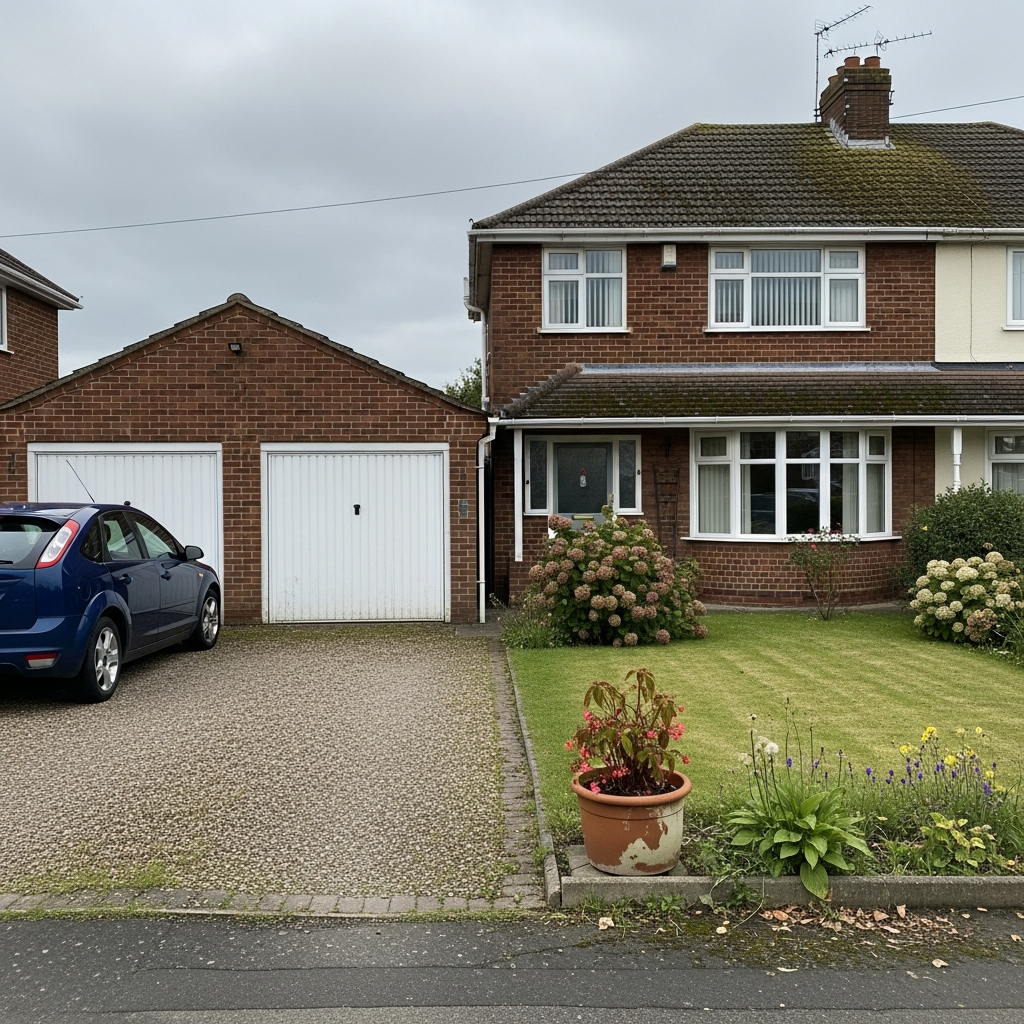
  • Semi-detached house: Suitability 5/5 — Excellent. The most common UK heat pump installation. Straightforward in almost all cases.
  • End terrace: Suitability 4/5 — Very good. Similar to a semi with good outdoor access on one side.
  • Mid terrace: Suitability 3/5 — Good. Viable but outdoor unit placement needs more thought.
  • Bungalow: Suitability 5/5 — Excellent. Single-storey simplicity and typically generous outdoor space.
  • Detached bungalow: Suitability 5/5 — Excellent. Often the easiest installations of all.
  • Ground-floor flat: Suitability 3/5 — Good. Usually feasible with garden or patio space for the unit.
  • Upper-floor flat: Suitability 2/5 — Possible. Requires creative solutions for unit placement. Communal systems often better.
  • Converted flat: Suitability 2/5 — Possible. Depends heavily on outdoor space and building permissions.

Detached Houses

Why they are excellent candidates

Detached houses are the easiest properties to fit with a heat pump. You have complete control over the outdoor unit placement with no shared walls or party wall concerns. There is typically ample space on any side of the property, and noise regulations are easiest to meet because neighbours are further away.

Typical sizing

  • 3-bedroom detached: 8 to 12 kW
  • 4-bedroom detached: 10 to 14 kW
  • 5-bedroom detached: 12 to 16 kW

Detached homes need larger heat pumps because all four external walls are exposed to the elements. Good insulation makes a bigger difference here than in any other property type — the gap between a well-insulated and poorly insulated detached house can be 4 to 6 kW of heat demand.

Main considerations

  • Higher heat demand means a larger (and slightly more expensive) heat pump
  • More radiators may need upgrading to work at lower flow temperatures
  • Larger homes may benefit from zoning the heating system
  • Ground source heat pumps are particularly well suited if garden space is generous

Typical installation cost after the £7,500 BUS grant: £3,000 to £8,000.

Semi-Detached Houses

The UK's heat pump sweet spot

Semi-detached houses account for the largest share of heat pump installations in the UK, and for good reason. One shared party wall significantly reduces heat loss compared to a detached home, while the remaining three exposed walls and roof are straightforward to insulate. Outdoor space is usually adequate, with side passages and rear gardens providing convenient locations for the unit.

Typical sizing

  • 2-bedroom semi: 5 to 7 kW
  • 3-bedroom semi: 7 to 10 kW
  • 4-bedroom semi: 9 to 12 kW

Main considerations

  • Unit placement on the side passage is the most common approach — close to the house for short pipework runs
  • Noise should be directed away from neighbours where possible
  • The party wall provides natural insulation — focus improvements on the three exposed walls
  • 1930s semis are particularly good candidates due to their cavity wall construction

Typical installation cost after BUS grant: £2,500 to £6,000.
Terraced Houses

End terraces

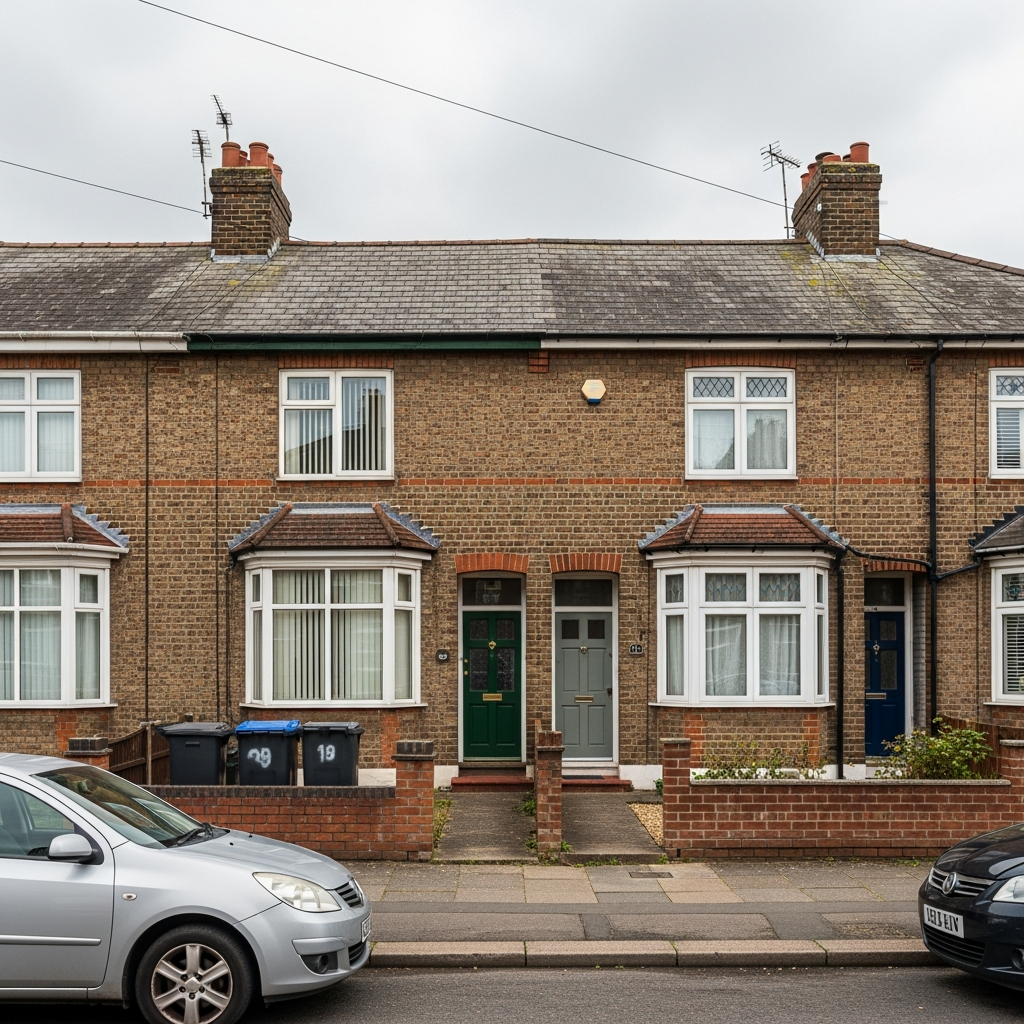
End terraces behave very similarly to semi-detached houses. One shared wall, with good access for the outdoor unit on the exposed side or in the rear garden. Heat demand is moderate, and installations are generally straightforward.

Mid terraces

Mid-terrace houses have two shared walls, which is actually an advantage for heat loss — they need the smallest heat pumps of any house type. The challenge is practical: where does the outdoor unit go?

Common solutions for mid-terrace unit placement:

  • Rear garden: The most common location. The unit sits close to the back wall of the house, with pipework running through the rear wall.
  • Front garden or yard: Possible but may need planning consideration in conservation areas. Acoustic screening may be needed.
  • Alleyway access: Some terraces have a rear alley — the unit can be placed close to the back wall with access from the alley for maintenance.
  • Roof-mounted: Flat-roofed extensions can sometimes accommodate a wall-mounted unit, though structural assessment is needed.

Typical sizing

  • 2-bedroom mid-terrace: 4 to 6 kW
  • 3-bedroom mid-terrace: 5 to 8 kW
  • 2-bedroom end-terrace: 5 to 7 kW
  • 3-bedroom end-terrace: 6 to 9 kW

Typical installation cost after BUS grant: £2,000 to £5,500.

Bungalows

Simple installations with excellent results

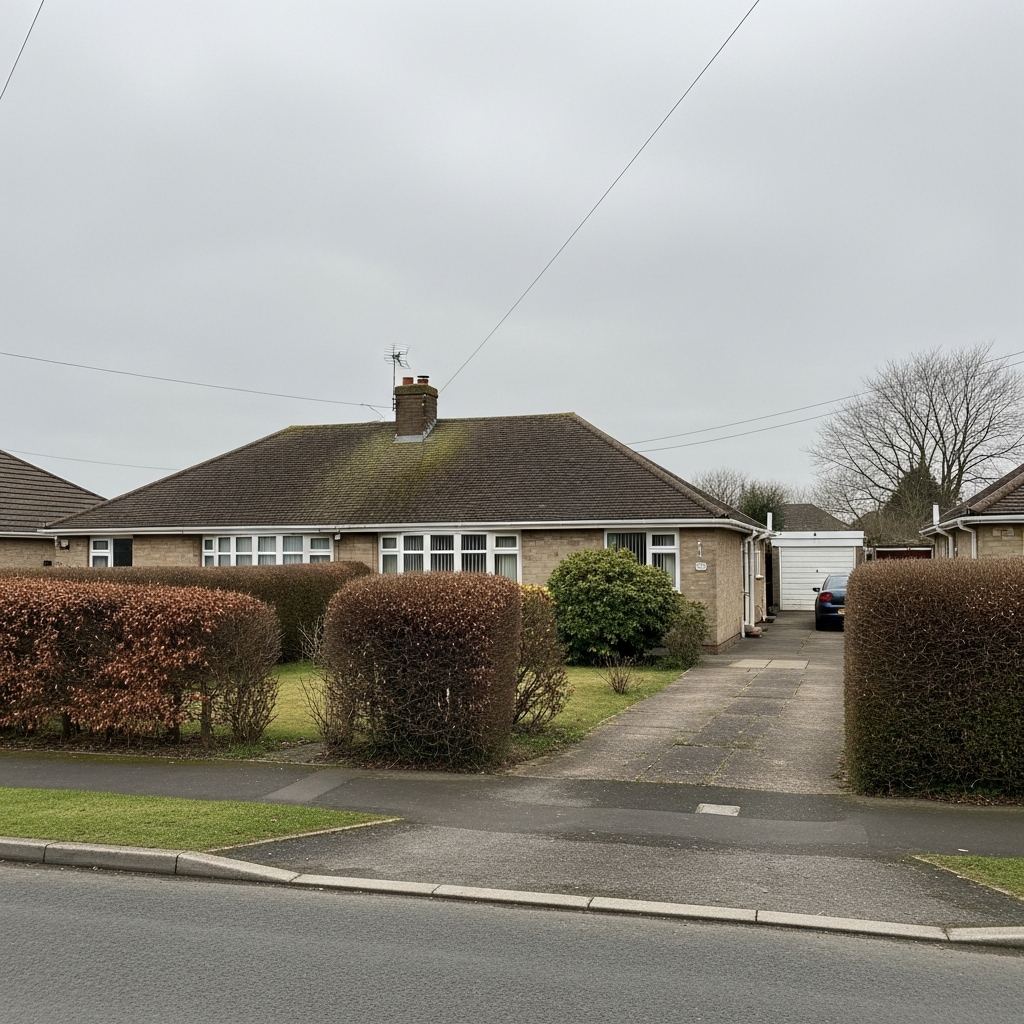
Bungalows are often the easiest and most cost-effective properties to fit with a heat pump. Single-storey construction means simpler pipework routing — no need to run pipes between floors. Outdoor space is usually generous, and the unit can be positioned close to the heating system for efficient pipework runs.

Specific considerations for bungalows

  • Roof heat loss: Bungalows have a higher roof-to-floor ratio than two-storey homes, so loft insulation is especially important. Ensure at least 270mm throughout.
  • Compact heating systems: Fewer rooms and shorter pipework runs make the heating design simpler and cheaper.
  • Accessibility: Many bungalow owners are older and value the consistent, gentle warmth that heat pumps provide — no more waiting for the boiler to fire up.
  • Ground source potential: Bungalow plots often have enough garden for horizontal ground loops, which are cheaper than boreholes.

Typical sizing

  • 2-bedroom bungalow: 4 to 7 kW
  • 3-bedroom bungalow: 6 to 9 kW
  • 4-bedroom bungalow: 8 to 11 kW

Typical installation cost after BUS grant: £2,000 to £5,500.

Flats and Apartments

Ground-floor flats

Ground-floor flats with private garden or patio space can often accommodate an individual air source heat pump. The unit sits outside at ground level, similar to a house installation. The main requirements are freeholder consent and adequate space for the outdoor unit.

Heat demand is typically low — 3 to 6 kW — because flats have fewer exposed walls than houses. A smaller heat pump unit is quieter and takes up less space.

Upper-floor flats

Upper-floor flats present more challenges. The outdoor unit needs to be at ground level (unless wall-mounted on a balcony), which means long pipework runs from the unit up to the flat. This adds cost and complexity. Communal consent and management company approval are usually required.

Options for upper-floor flats:

  • Balcony-mounted unit: Possible if the balcony is structurally adequate and noise limits can be met
  • Ground-level unit with vertical pipework: Pipework runs up the exterior of the building to the flat — requires freeholder consent
  • Communal heat pump system: A shared heat pump (or multiple units) serving the whole building, with individual metering. Increasingly common in new developments and retrofits

Purpose-built blocks

For purpose-built blocks of flats, communal heat pump systems are often the most practical solution. A large commercial heat pump (or ground source system) serves the entire building through a communal heating network. Each flat has a heat interface unit (HIU) instead of a boiler, and residents pay for the heat they use.
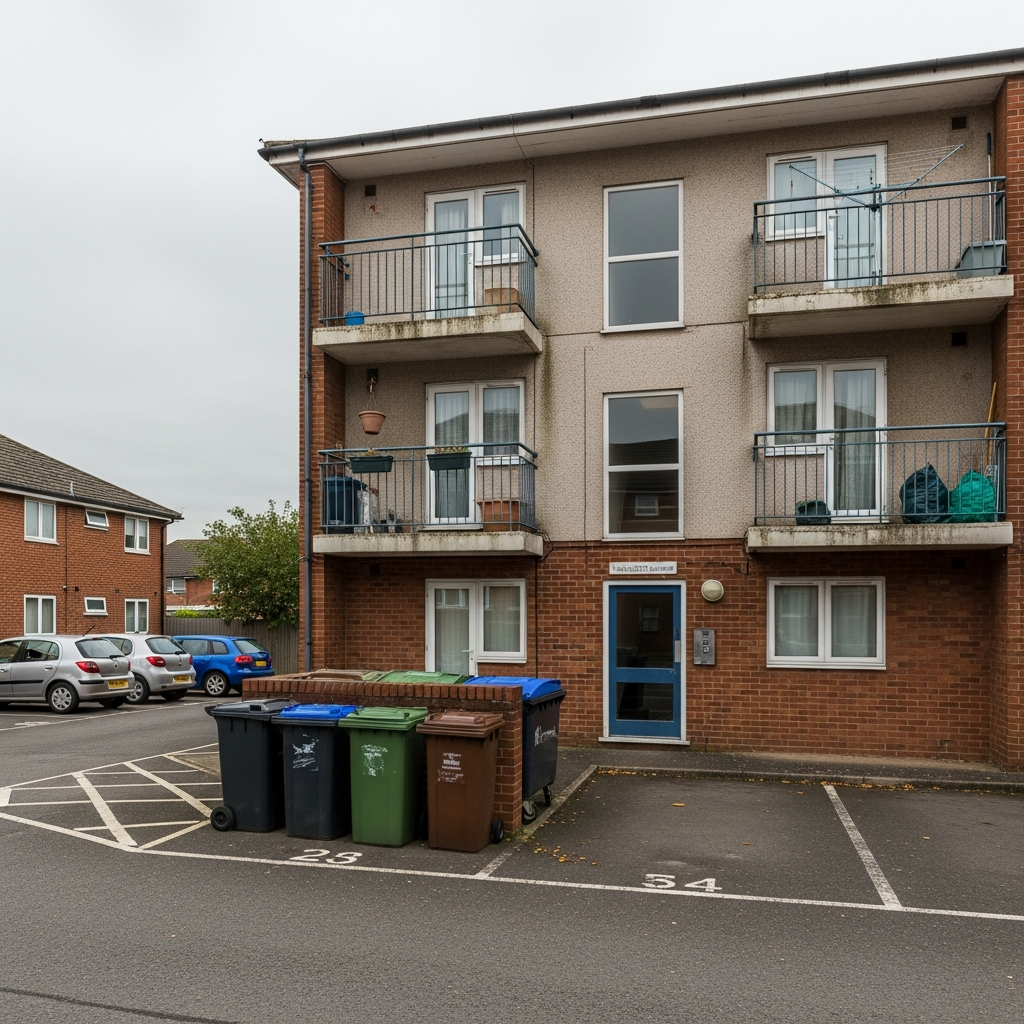
If you live in a block and are interested in heat pumps, the best approach is to engage with your management company or residents' association to explore a communal scheme.

Period Properties: Special Considerations

Older and period properties have unique characteristics that affect heat pump suitability:

Victorian houses (1837-1901)

Solid brick walls, high ceilings, original sash windows, and ornate features. Heat loss is higher, requiring larger heat pumps (often 10 to 14 kW for a three-bedroom). High-temperature heat pumps at 60 to 65 degrees work well without requiring complete re-insulation. Listed or conservation area status may affect outdoor unit placement.

1920s-1930s houses

Often have cavity walls (excellent for insulation), but may still have original single glazing, bay windows, and suspended timber floors. Cavity wall insulation transforms these homes into excellent heat pump candidates. Typical sizing: 7 to 10 kW.

1950s-1960s houses

Cavity walls (often already insulated), concrete floors, and generally straightforward construction. These are among the most cost-effective homes to convert to heat pumps. Typical sizing: 6 to 10 kW.

Georgian and Regency properties (pre-1837)

Thick solid walls, tall rooms, and often listed status. Similar challenges to Victorian homes but walls may be thicker (which provides some natural insulation). Ground source heat pumps are often preferred for listed properties as they have no visible external equipment.

Rural vs Urban Properties

Rural homes

Rural properties are often excellent candidates for heat pumps. They typically have generous outdoor space, fewer noise constraints, and many are on oil or LPG heating (which is expensive and carbon-intensive). The BUS grant makes the financial case particularly strong for replacing oil and LPG.

Urban homes

Urban properties may have less outdoor space and closer neighbours, but noise levels of modern heat pumps (40 to 50 dB at one metre) are well within permitted development limits for most urban settings. Terrace houses in urban areas benefit from shared walls and lower heat demand.
Getting a Property-Specific Assessment

While this guide gives general guidance by property type, every home is unique. The only way to get a definitive answer about your home's suitability is to have an MCS-certified installer conduct a heat loss survey.

Start with our heat pump suitability checker for an instant online assessment, then request quotes from local MCS-certified installers who will visit your property and provide a detailed, tailored recommendation. Use the heat pump calculator to estimate costs for your specific home.

Frequently Asked Questions

Which property type is best for a heat pump?

Detached houses, semi-detached houses, and bungalows are the most straightforward. They offer good outdoor space, adequate insulation potential, and simple installation logistics. However, all property types can have heat pumps with the right design.

Can a terraced house have a heat pump?

Yes. Terraced houses actually need smaller heat pumps due to shared walls. The main challenge is finding space for the outdoor unit — rear gardens, front yards, and alleyway access are common solutions.

Is my flat suitable for a heat pump?

Ground-floor flats with outdoor space are well suited. Upper-floor flats are more challenging but not impossible — balcony-mounted units or communal heat pump systems are the main options. Speak to your freeholder or management company.

Do older houses need more work before a heat pump?

Generally, yes. Older properties typically have poorer insulation, which means either improving the insulation or choosing a larger/high-temperature heat pump. The most impactful improvements — loft insulation, cavity wall insulation, and draught-proofing — are often affordable.

What size heat pump does my property type need?

It depends on size, insulation, and location, but typical ranges are: mid-terrace 4-8 kW, semi-detached 6-10 kW, detached 8-16 kW, bungalow 4-11 kW. An MCS installer will calculate the exact size needed after a heat loss survey.

Does property age affect heat pump suitability?

Property age is a proxy for insulation levels and construction type, which do affect suitability. But age alone does not determine whether a heat pump will work — a well-insulated 1920s semi can be a better candidate than a poorly built 1990s house. The heat loss survey is what matters.