Heat Pump for a Detached House: What to Know
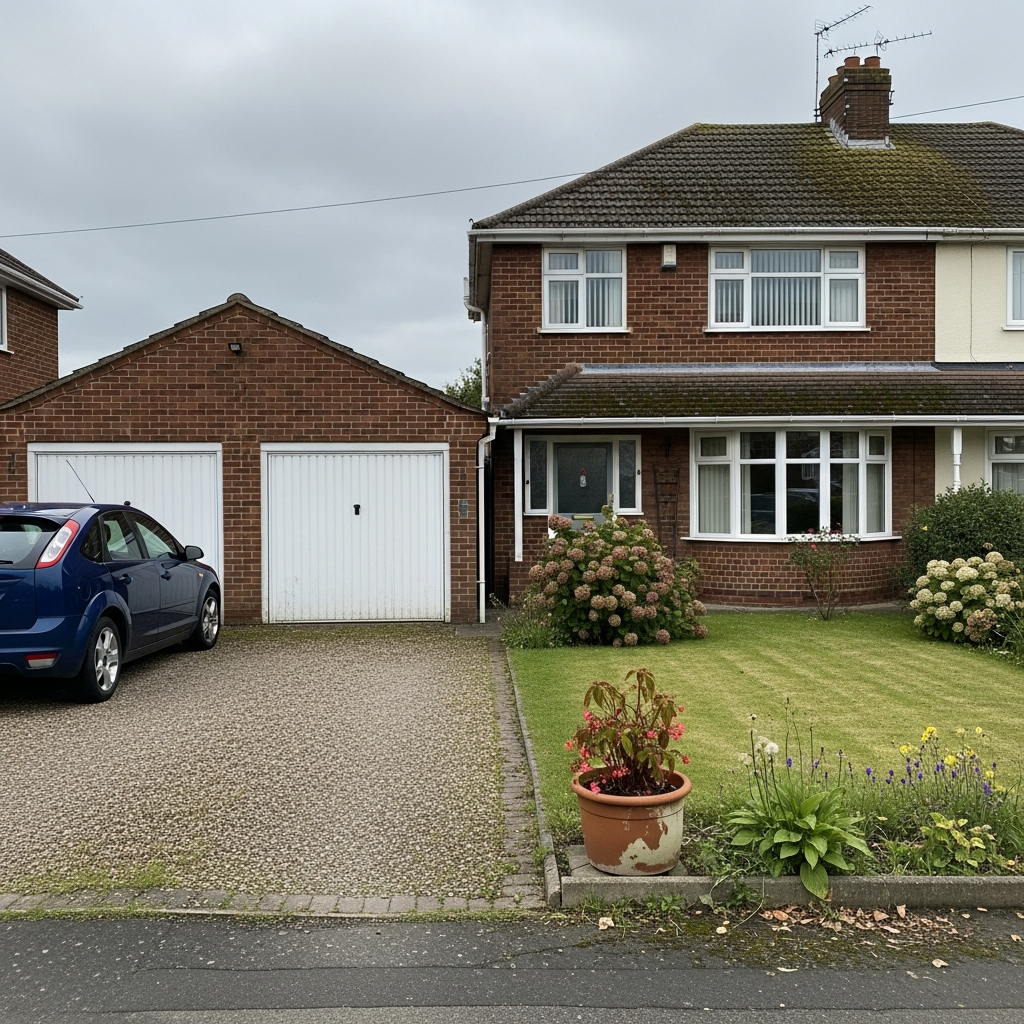
If you live in a detached house, you are sitting on one of the best candidates for a heat pump installation in the UK. Detached properties offer more space for outdoor units, no shared walls to complicate noise considerations, and typically enough garden for even a ground source system. There are more exposed walls losing heat, which means a slightly larger system — but the installation itself is usually simpler and more flexible than in any other property type.
This guide covers everything detached homeowners need to know: sizing, placement, costs, and the specific advantages and considerations that come with heating an entirely standalone home.
Why Detached Houses Are Ideal for Heat Pumps
Detached houses have several natural advantages when it comes to heat pump installations. Understanding these will help you appreciate why installers tend to find detached properties the most straightforward projects.
Placement flexibility
An air source heat pump outdoor unit needs to be placed where it has good airflow, reasonable access for maintenance, and ideally away from bedroom windows. With a detached house, you have access to all four sides of the property. This gives your installer maximum flexibility to find the optimal position — typically a side passage or rear garden area where the unit is out of sight but easy to reach.
Compare this with a mid-terrace house where the only option might be a cramped backyard, or a flat where you need permission from the freeholder. Detached homeowners rarely face placement constraints at all.
No neighbour noise issues
Modern air source heat pumps are remarkably quiet — typically 40 to 50 decibels at one metre, which is about the same as a fridge. But noise regulations still apply, and the unit must not cause a nuisance to neighbours. With a detached house, the nearest neighbouring property is usually several metres away from any potential unit position. This makes it almost impossible to have a noise issue, and it means you can place the unit wherever works best for your system design rather than being constrained by proximity to a shared boundary.
Pipework routing options
The refrigerant pipes connecting the outdoor unit to the indoor system need a route into the house. With a detached property, you can choose the shortest, most direct route without worrying about party walls or shared services. This keeps installation costs down and reduces heat losses from pipe runs.
The Heat Loss Challenge
The one disadvantage of a detached house is that it has more exposed surface area than a semi-detached or terraced property of the same size. All four walls, plus the roof and floor, are losing heat to the outside. A semi-detached house of the same size shares one entire wall with a neighbour, effectively halving the heat loss from that side of the building.
What this means in practice
A detached three-bedroom house typically has a peak heat demand of 8 to 12 kW, compared with 6 to 9 kW for an equivalent semi-detached. A four-bedroom detached house might need 10 to 14 kW, and a large five-bedroom property could require 14 to 18 kW or more.
This does not mean a heat pump cannot cope — far from it. Standard air source heat pumps are available in sizes from 5 kW right up to 16 kW or beyond, and for very large homes, two units can be paired together. It simply means your system may be slightly larger (and therefore slightly more expensive) than one for a similarly sized attached property.
Insulation makes the difference
The gap between a well-insulated and poorly insulated detached house is enormous. A draughty detached house with single glazing and unfilled cavities might have a peak heat demand of 16 kW or more. The same house with filled cavities, 270mm of loft insulation, and double glazing might drop to 9 kW. That is the difference between a large, expensive heat pump and a standard, affordable one.
Before committing to a heat pump, address any insulation gaps. Cavity wall insulation, loft insulation, and double glazing are the three big wins. Each one reduces the size and cost of the heat pump you need, and they pay for themselves many times over through reduced running costs. See our guide for 1970s houses for more detail on insulation improvements.
Sizing a Heat Pump for a Detached House
Getting the size right is critical. An undersized heat pump will struggle on the coldest days, while an oversized one wastes money and may cycle inefficiently. Here is a rough guide to heat pump sizing for detached houses:
- 2-bedroom detached bungalow: 5 to 8 kW
- 3-bedroom detached house: 8 to 12 kW
- 4-bedroom detached house: 10 to 14 kW
- 5-bedroom detached house: 14 to 18 kW
- Large country house (6+ bedrooms): 18 kW+ (possibly two units)
These are indicative ranges only. The actual figure depends on insulation levels, window areas, ceiling heights, exposure to wind, and your local climate. A proper room-by-room heat loss calculation by an MCS-certified installer is essential — and it is the law for any installation that claims the BUS grant.
Single unit or twin system?
Most detached houses up to four bedrooms can be heated by a single air source heat pump unit. For larger properties — particularly those with 200 square metres of floor area or more — your installer may recommend two smaller units rather than one large one. This approach has several advantages: better part-load efficiency, built-in redundancy (if one unit needs servicing, the other keeps running), and more flexible zoning.
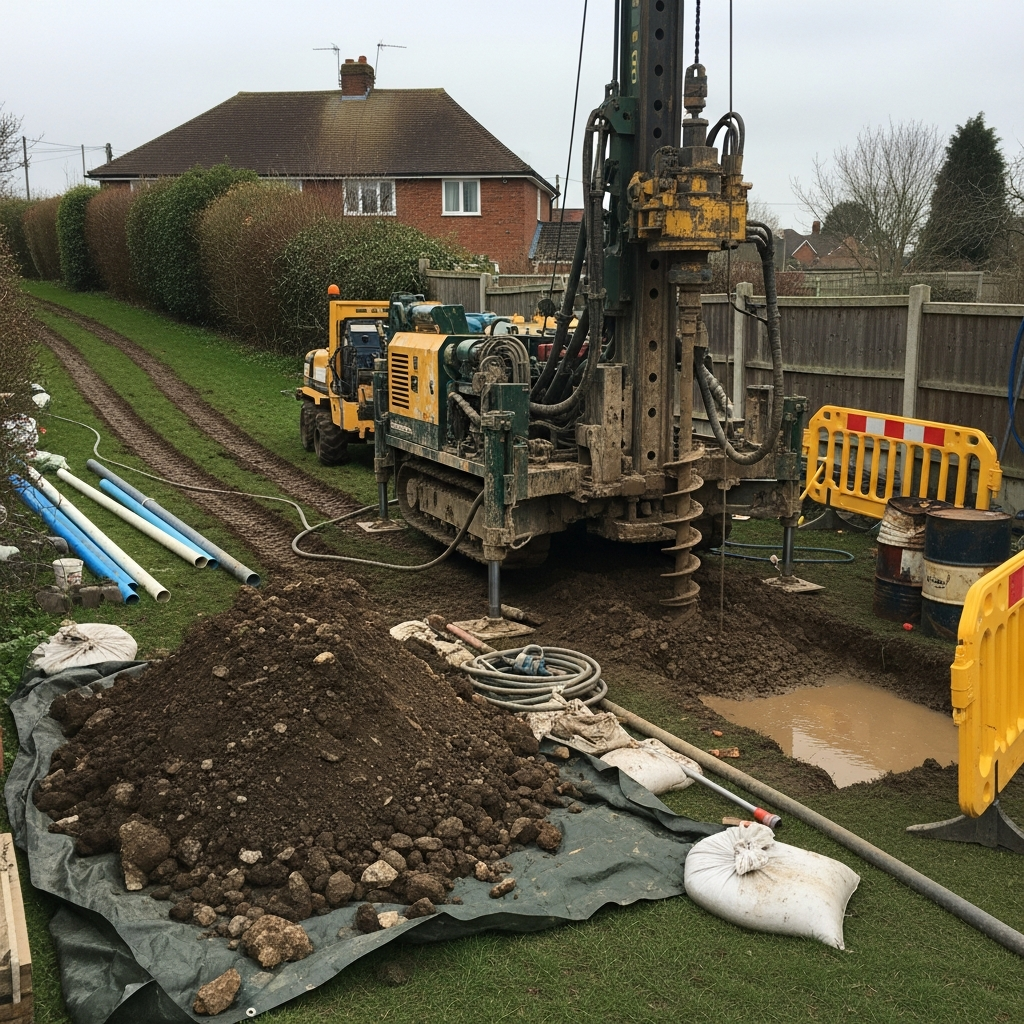
A ground source heat pump can also be a superb choice for a detached house with a large garden. The borehole or ground loop system is invisible once installed, the running costs are lower than air source, and there is no outdoor unit generating any noise at all. The higher upfront cost (typically £15,000 to £30,000 before the grant) needs to be weighed against the lower running costs over 25 to 30 years of operation.
Air Source vs Ground Source for Detached Houses
Detached houses are uniquely well placed to choose between air source and ground source heat pumps. Here is a comparison specific to detached properties:
Air source heat pump
- Lower upfront cost: £10,000 to £16,000 installed
- Quick installation: typically 2 to 4 days
- Minimal garden disruption
- SCOP of 2.8 to 3.5 typically
- Outdoor unit produces some noise (40-50 dB)
- Lifespan: 15 to 20 years for the outdoor unit
Ground source heat pump
- Higher upfront cost: £20,000 to £35,000 installed
- Longer installation: 1 to 3 weeks including groundworks
- Significant garden disruption during installation (for horizontal loops) or need for borehole drilling
- SCOP of 3.5 to 4.5 typically
- Completely silent in operation
- Lifespan: 20 to 25 years for the pump, 50+ years for the ground loop
For most detached homeowners, an air source heat pump offers the best balance of cost, performance, and simplicity. Ground source becomes increasingly attractive for larger properties, those in exposed locations, homes in conservation areas where an outdoor unit might be problematic, and anyone who prioritises long-term efficiency over upfront cost.
Installation Process for a Detached House
A typical air source heat pump installation in a detached house follows these stages:
Day 1: Outdoor unit and pipework
The installer sets a concrete plinth or anti-vibration feet, positions the outdoor unit, and runs refrigerant and electrical cables into the house. With a detached property, this is usually the simplest part of the job — no party wall agreements, no restricted access, and plenty of room to work.
Day 2: Indoor works
The hot water cylinder is installed (usually replacing the existing one), connections are made to the heating system, and any radiator upgrades are completed. Controls, thermostats, and zone valves are fitted.
Day 3: Commissioning
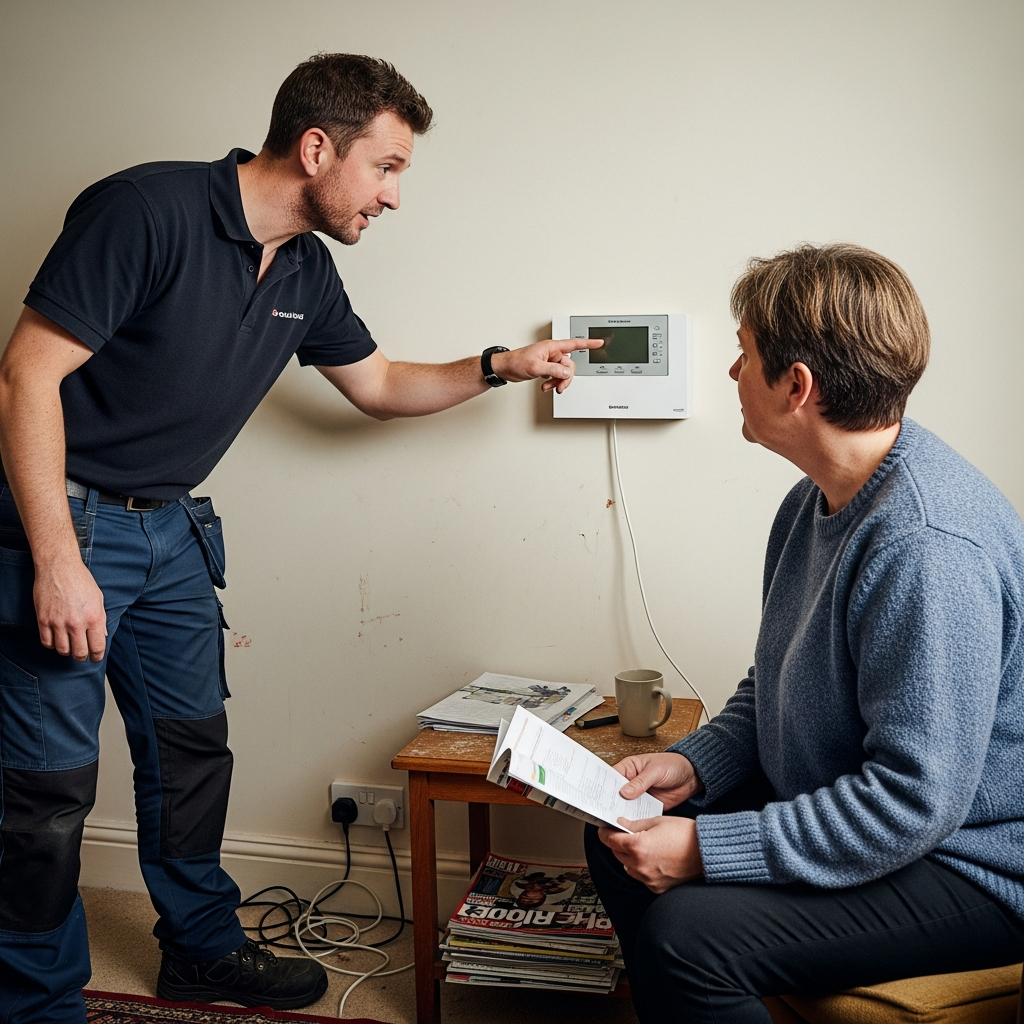
The system is pressure-tested, charged with refrigerant, powered up, and fine-tuned. Weather compensation curves are set, flow temperatures are adjusted, and the installer walks you through the controls. For a detailed walkthrough, see our complete installation guide.
Some installations take two days, some take four — it depends on the complexity. Radiator changes, pipework modifications, and electrical upgrades all add time.
Costs for a Detached House Heat Pump
Detached houses tend to sit at the higher end of the cost range because the systems are slightly larger. Here are typical figures:
- Air source heat pump (3-bed detached): £10,000 to £14,000 installed
- Air source heat pump (4-bed detached): £12,000 to £16,000 installed
- Ground source heat pump (any size): £20,000 to £35,000 installed
- Radiator upgrades: £500 to £2,000
- BUS grant deduction: -£7,500
After the BUS grant, a typical detached house owner pays £4,500 to £10,000 for a complete air source heat pump system including radiator changes and a new hot water cylinder. For a full cost breakdown, see our dedicated guide.
Planning Permission and Permitted Development
Air source heat pumps in detached houses almost always fall under permitted development rights, meaning you do not need planning permission. The conditions are straightforward:
- Only one air source heat pump on the property
- The unit must comply with MCS planning standards (noise and appearance)
- Not in a conservation area or on a listed building (additional restrictions may apply)
- The unit must be at least one metre from the property boundary
With a detached house, meeting the one-metre boundary rule is rarely a problem. You have garden or driveway space on all sides, so positioning the unit at least a metre from the boundary is almost always achievable.
If your home is listed or in a conservation area, you will need to apply for planning permission. This adds time but is rarely refused for a well-designed installation where the unit is discreetly positioned.
Frequently Asked Questions
Is a detached house more expensive to heat with a heat pump than a semi?
Yes, slightly. A detached house loses more heat due to having four exposed walls, so the heat pump works a little harder. The difference is typically 10 to 20% higher running costs compared with a similarly sized semi-detached. Good insulation narrows this gap significantly.
What size heat pump do I need for a four-bedroom detached house?
Typically 10 to 14 kW, depending on insulation levels. A well-insulated four-bedroom detached house might only need 10 kW, while a poorly insulated one could require 14 kW or more. Only a proper heat loss calculation can determine the exact figure.
Can I have a heat pump and solar panels?
Absolutely — and a detached house is the ideal property for combining both. Solar panels generate electricity during the day which can power the heat pump directly, reducing your running costs further. Many homeowners also add a battery to store excess solar generation for evening use. A detached house with a south-facing roof can generate enough solar electricity to cover a significant proportion of the heat pump's annual consumption.
Where should the outdoor unit go?
Ideally on a side passage or rear garden wall where it has good airflow, is easy to access for annual servicing, and is not directly outside bedroom windows. Your installer will recommend the best position based on pipework routes, noise considerations, and aesthetic preferences.
Will my electricity supply cope?
Most detached houses already have a sufficient electricity supply for a heat pump. A typical air source unit draws 3 to 5 kW of electricity — less than an electric shower or oven. However, if your property has an older or smaller supply (60 amp rather than 100 amp), your installer may recommend an upgrade. This is a straightforward job for your electricity distributor and is usually free or low cost.
Do I need underfloor heating?
No. Heat pumps work perfectly well with radiators, provided they are correctly sized. However, if you are renovating a detached house, underfloor heating is an excellent investment as it allows the heat pump to run at maximum efficiency. Many detached homeowners choose a combination — underfloor heating downstairs and radiators upstairs.