Do I Need New Radiators for a Heat Pump?
The answer is reassuring: not always. Many UK homes can keep some or all of their existing radiators when switching to a heat pump. Whether yours are adequate depends on three things — how well your home is insulated, how large your current radiators are, and what flow temperature the system will run at.
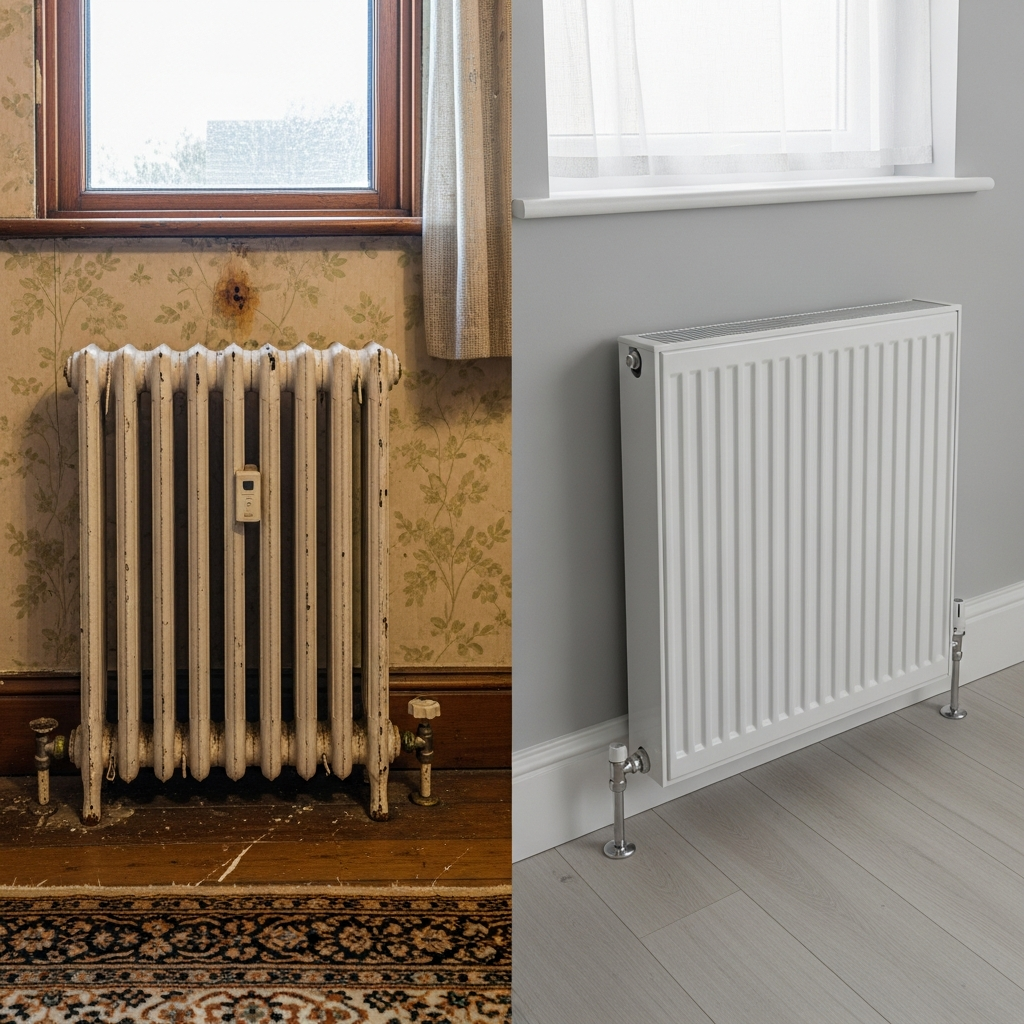
This pillar guide covers everything about radiators and heat pumps, from the basic science to practical assessment. Your installer's survey will confirm exactly what is needed for your property through a detailed heat loss calculation.
Find out what a heat pump would cost for your home
Use the free calculatorIncludes radiator upgrade estimates. Instant results, no email.
Why Radiators Matter More with a Heat Pump
A gas boiler heats water to 60-75°C. A heat pump operates most efficiently at 35-45°C. At these lower temperatures, a radiator produces significantly less heat output. If the radiator cannot deliver enough heat to compensate for the room's heat loss, the room will not reach a comfortable temperature.
Understanding Flow Temperatures
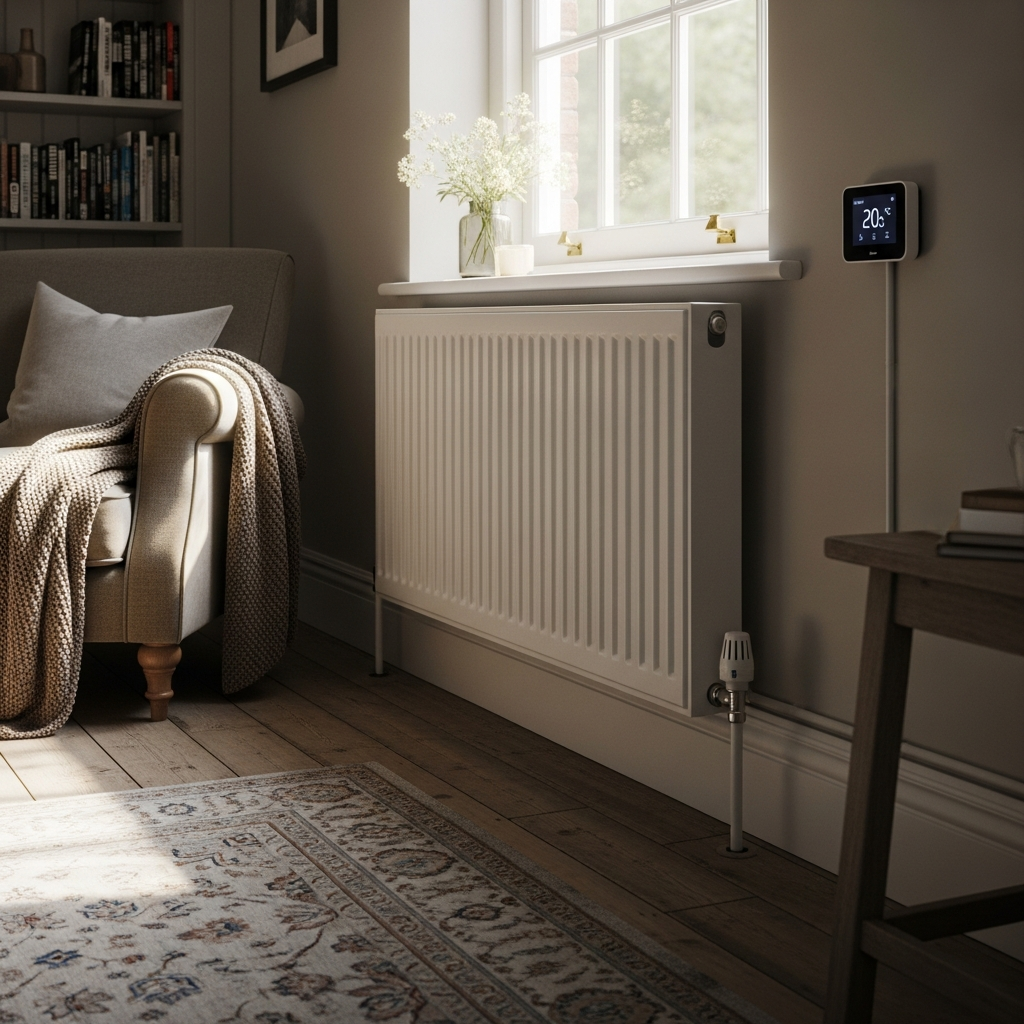
Flow temperature is the temperature of the water leaving the heat pump. Every 5°C reduction in flow temperature improves the heat pump's coefficient of performance (COP) by approximately 0.3-0.5 points. Running at 35°C instead of 55°C could save 20-30% on electricity bills. This is why getting radiators right is so important.
Radiator Output at Lower Temperatures
Which Rooms Typically Need Upgrades
| Room | Typical Situation | Likely Outcome |
|---|---|---|
| Living room | Highest heat loss, often small radiator | Often needs upgrading |
| Kitchen | Moderate heat loss, appliance heat helps | Often adequate |
| Main bedroom | Lower target temp (18°C), moderate radiator | Usually adequate |
| Bathroom | Small radiator, higher heat loss from tiles | May need towel rail upgrade |
| Hallway | Small radiator, ventilation losses from front door | Sometimes needs upgrading |
Typically only 2 to 4 radiators need replacing in an average UK home, not all of them. The survey identifies exactly which ones.
Get quotes that include radiator assessment and upgrades
Get free quotesMCS installers assess every radiator during the survey.
Best Radiator Types for Heat Pumps
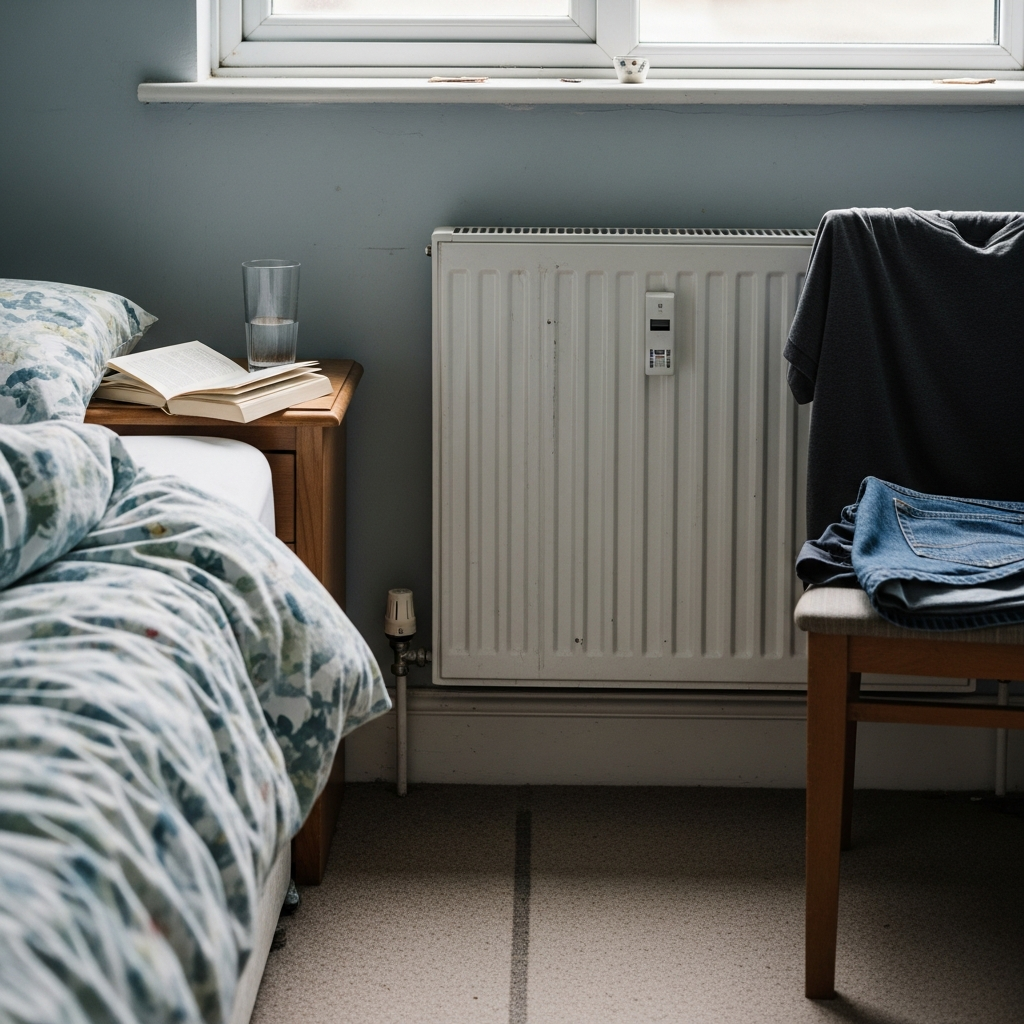
- Double-panel double-convector (Type 22): The standard choice for heat pump upgrades. Delivers roughly twice the output of a single-panel radiator
- Fan convectors: Built-in fans boost output by 2-3x, allowing compact sizes. Ideal where wall space is limited
- Aluminium radiators: Faster heat-up, lighter weight, but typically more expensive
- Underfloor heating: The ideal emitter for heat pumps — operates at even lower temperatures
For a detailed comparison, see our guides on the best radiators for heat pumps and underfloor heating vs radiators.
Radiator Upgrade Costs
These costs are usually included in the overall installation quote rather than charged separately.
Alternatives to Radiators
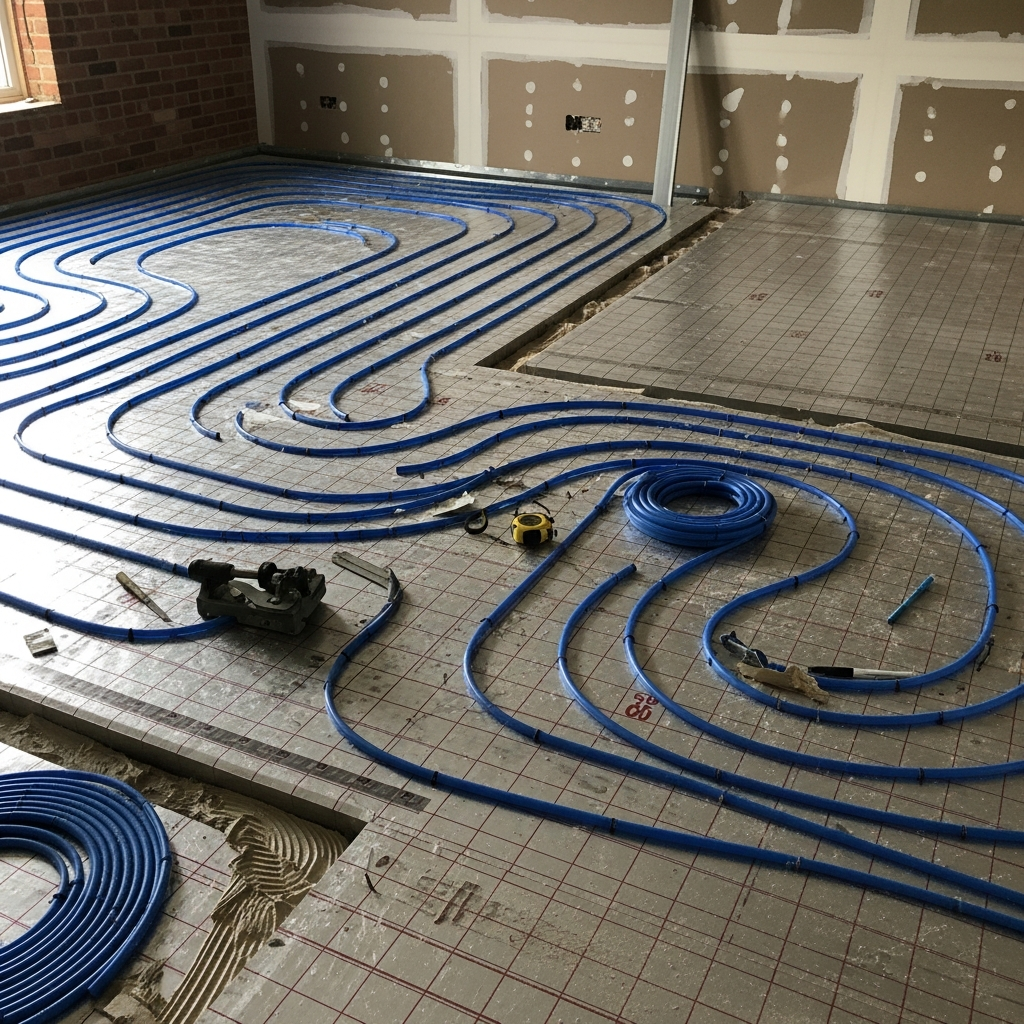
Mixing radiators with underfloor heating is common — underfloor on the ground floor and radiators upstairs. Skirting board heating is another option for period properties where wall-mounted radiators are impractical.
Regardless of the emitter type, powering your heat pump with solar-generated electricity further reduces running costs, making the whole system even more affordable.
See the total cost including any radiator upgrades
Calculate your costsInstant estimate. Includes the £7,500 BUS grant deduction.
Frequently Asked Questions
Can I keep my existing radiators with a heat pump?
Often yes. In well-insulated homes with already-oversized radiators, many or all can be kept. The survey determines which, if any, need upgrading.
How much bigger do heat pump radiators need to be?
Typically 1.5 to 2 times larger than a boiler system would need, because heat pumps run at lower flow temperatures. See our detailed sizing guide.
How much does it cost to replace radiators for a heat pump?
Budget £200-£500 per radiator. Most homes only need 2-4 replaced, totalling £400-£2,000.
Do I need radiators at all or should I use underfloor heating?
Underfloor heating is ideal but not always practical to retrofit. Radiators work perfectly well when correctly sized. Many homes use both.
Will heat pump radiators feel warm enough?
They feel warm rather than hot. The room reaches the same temperature via a larger surface area at a lower water temperature. The result is more even, comfortable warmth.
Radiator sizing for heat pumps is one of the most important aspects of a successful installation. It connects to installation planning, heat loss calculations, overall costs, and running efficiency. Homeowners maximising savings combine correctly sized radiators with solar panels to power their heat pump.