Heat Pump Flow Temperature and Radiator Output
Every 5°C reduction in flow temperature improves your heat pump's COP by 0.3-0.5 points — that is 10-15% less electricity for the same warmth. Understanding the relationship between flow temperature, radiator output, and efficiency is the key to getting the most from your system.
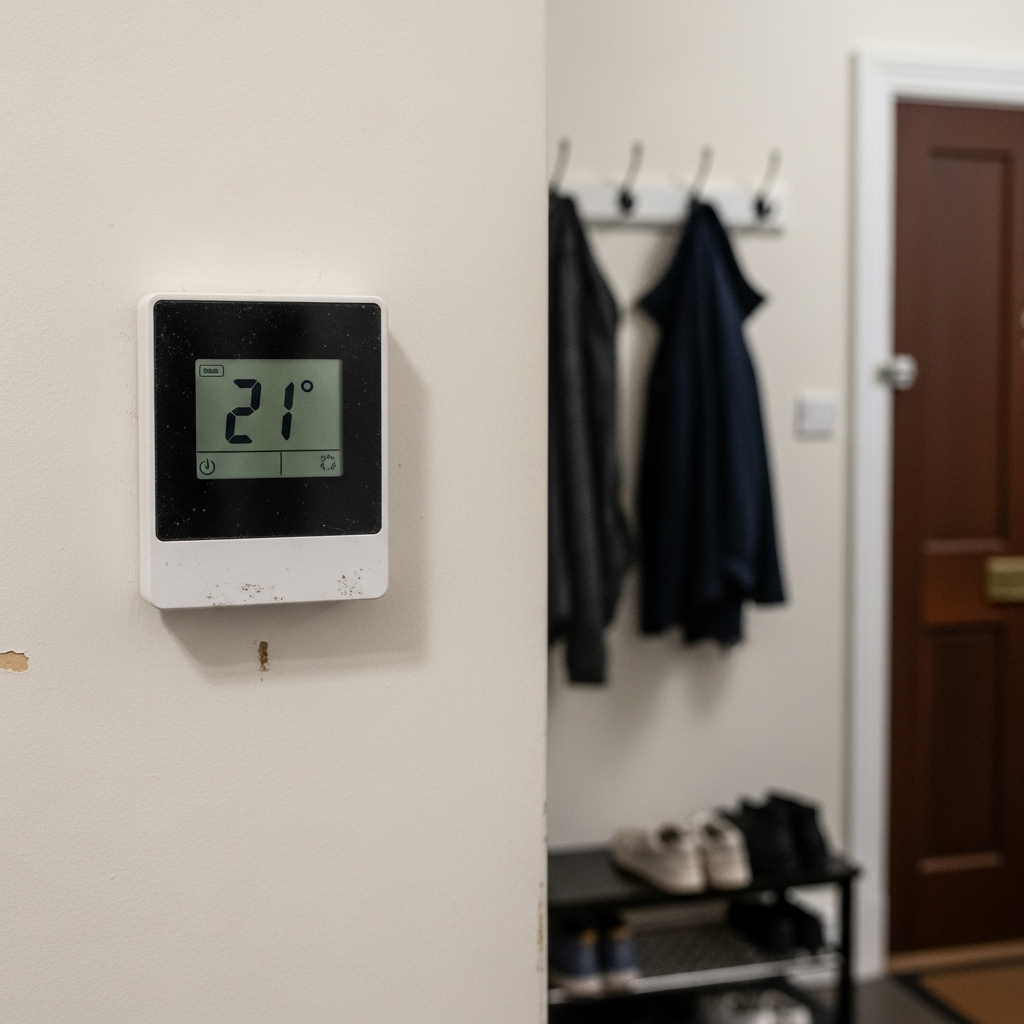
Flow temperature is the single most important setting on your heat pump system. Getting it right balances comfort with efficiency. See our pillar: do I need new radiators?
The Temperature-Efficiency Relationship
This is why correctly sized radiators are so important — they allow lower flow temperatures.
Correction Factors

| Flow Temp | Correction Factor | 1,000W Rated Delivers |
|---|---|---|
| 55°C | 0.67 | 670W |
| 50°C | 0.57 | 570W |
| 45°C | 0.47 | 470W |
| 40°C | 0.38 | 380W |
| 35°C | 0.29 | 290W |
Based on Delta T 50 rated output. Room temperature 20°C.
Weather Compensation
Weather compensation automatically adjusts flow temperature based on outdoor temperature. Colder outside means higher flow; milder outside means lower flow. This ensures the heat pump always runs at the lowest effective temperature, maximising efficiency. Most modern heat pumps include this feature — it should always be enabled.
Optimising Your Settings

After installation, work with your installer to set the lowest flow temperature that maintains comfort. Start at 45°C and reduce by 2°C every few days until you find the sweet spot. Combined with solar panels, optimised flow temperatures mean the lowest possible running costs.
Get expert quotes from efficiency-focused installers
Get free quotesMCS-certified installers who optimise your system.
Frequently Asked Questions
What is the ideal flow temperature?
As low as possible while maintaining comfort — typically 35-45°C with radiators, or 25-35°C with underfloor heating.
What is weather compensation?
An automatic control that adjusts flow temperature based on outdoor temperature, keeping the heat pump at maximum efficiency at all times.
Flow temperature is the single most important factor in heat pump efficiency. It connects to radiator sizing, sizing calculations, and running costs. Solar panels complement optimised flow temperatures for maximum savings.