Aluminium vs Steel Radiators for Heat Pumps
Aluminium radiators heat up 5 times faster than steel and weigh half as much — but they cost 50-100% more and need a specific corrosion inhibitor. Here is when the premium is justified and when standard steel is the smarter choice for your heat pump system.
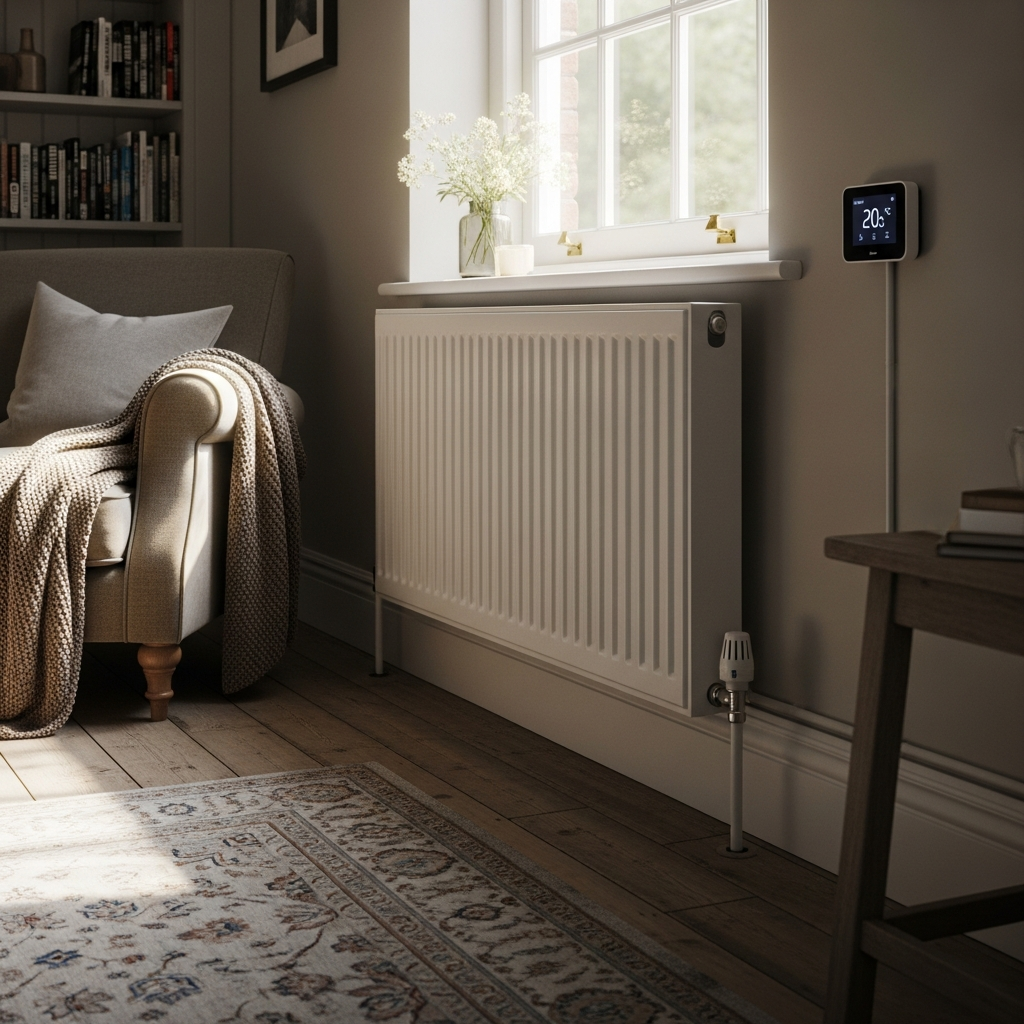
Both materials work well with heat pumps when correctly sized. See our pillar: do I need new radiators?
Get a cost estimate for your preferred radiator type
Calculate costsInstant results. No email required.
Head-to-Head Comparison
| Factor | Aluminium | Steel |
|---|---|---|
| Heat-up speed | Very fast (minutes) | Moderate (15-30 min) |
| Weight | Light | Heavy |
| Cost | £200-£500 | £120-£300 |
| Availability | Good | Excellent |
| Corrosion inhibitor | Specific type needed | Standard |
| Aesthetic options | Modern | Wide range |
When to Choose Aluminium

- You want the fastest possible response to temperature changes
- Weather compensation benefits from rapid radiator response
- You prefer a modern, lightweight aesthetic
- Budget allows for the premium
When to Choose Steel
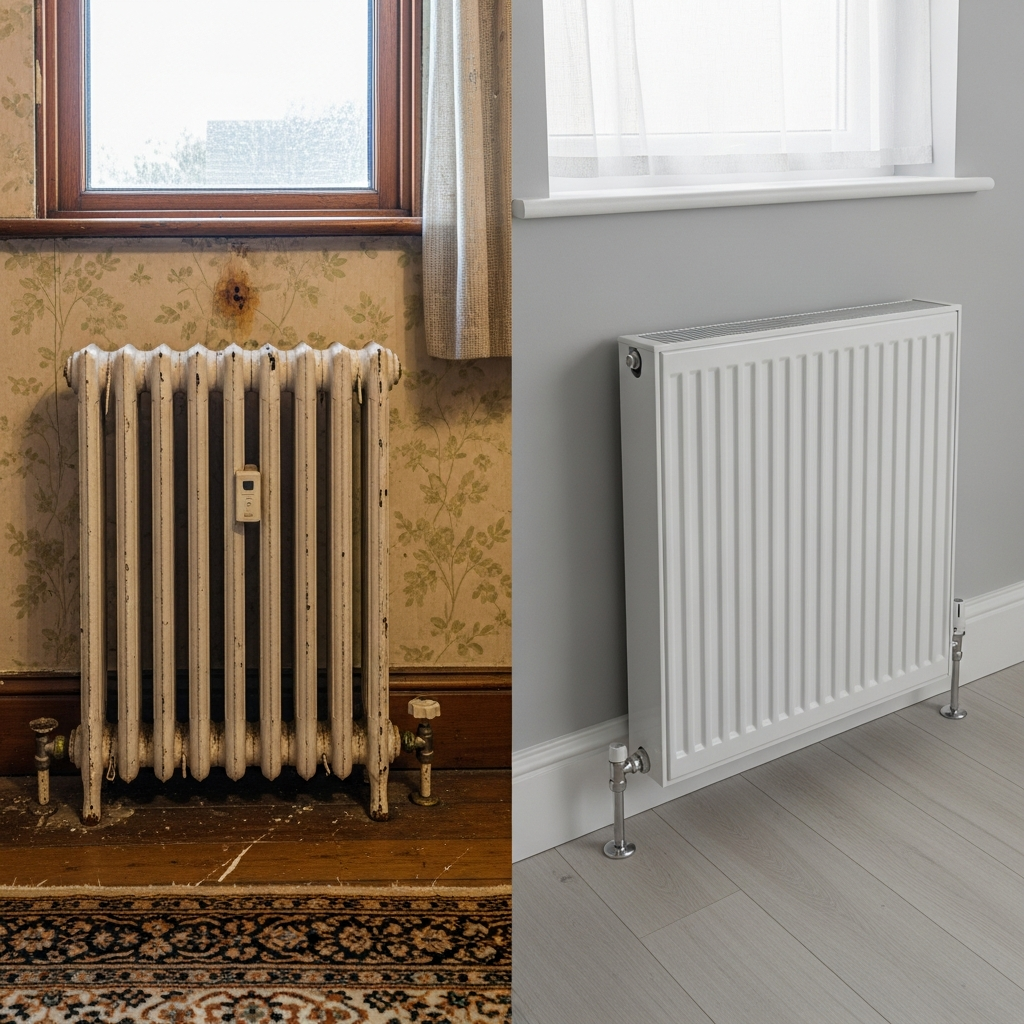
- Budget is a priority — steel Type 22s are the standard recommendation from our guide
- You need the widest range of sizes and styles
- Simpler maintenance with standard inhibitors
Whichever material you choose, powering the system with solar panels reduces running costs.
Get quotes including radiator recommendations
Get free quotesInstallers recommend the best option for each room.
Frequently Asked Questions
Is aluminium better than steel for heat pumps?
Aluminium heats up faster but costs more. Both work well when correctly sized. Steel is the standard choice.
Do aluminium radiators need special inhibitor?
Yes. They require a specific corrosion inhibitor compatible with aluminium. Your installer should use the correct product.
Aluminium vs steel radiators is a common choice for heat pump owners. Both work well when correctly sized. Connects to radiator assessment and cost planning. Solar panels reduce costs regardless of material choice.