Heat Loss Calculation for Heat Pumps Explained
A 3-bed semi might have a 24kW boiler but only 7kW of actual heat loss. That difference is why heat loss calculations are non-negotiable for heat pumps — get the sizing wrong and you waste thousands on a system that either cannot keep you warm or short-cycles itself to an early grave.
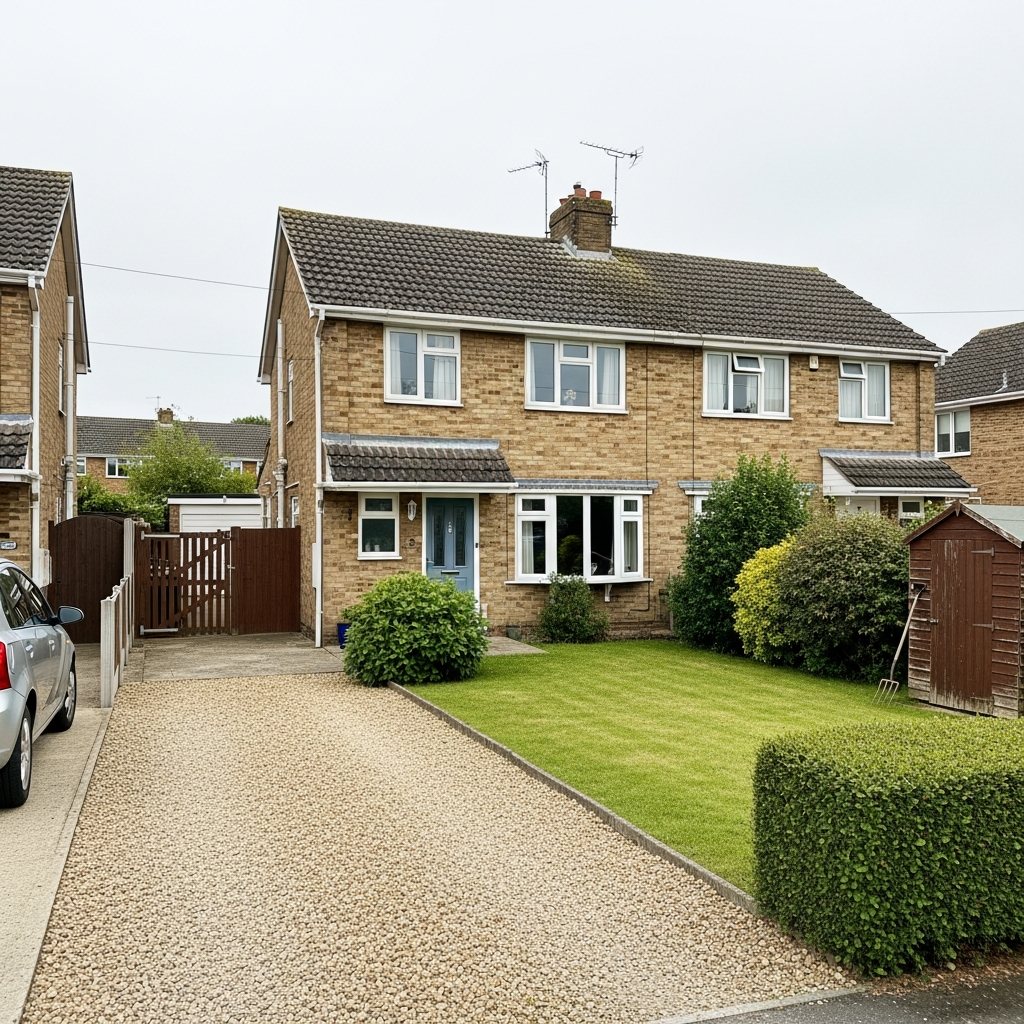
A heat loss calculation is the single most important technical step in designing a heat pump system. It determines how much heat your property loses on the coldest days, which dictates the system size, whether your radiators are adequate, and how well the system performs.
Get a quick estimate of your heat pump needs
Use the free calculatorApproximate sizing and costs in 30 seconds. No email required.
What Is a Heat Loss Calculation?
A heat loss calculation quantifies the rate at which your home loses thermal energy. Heat escapes through five main routes:
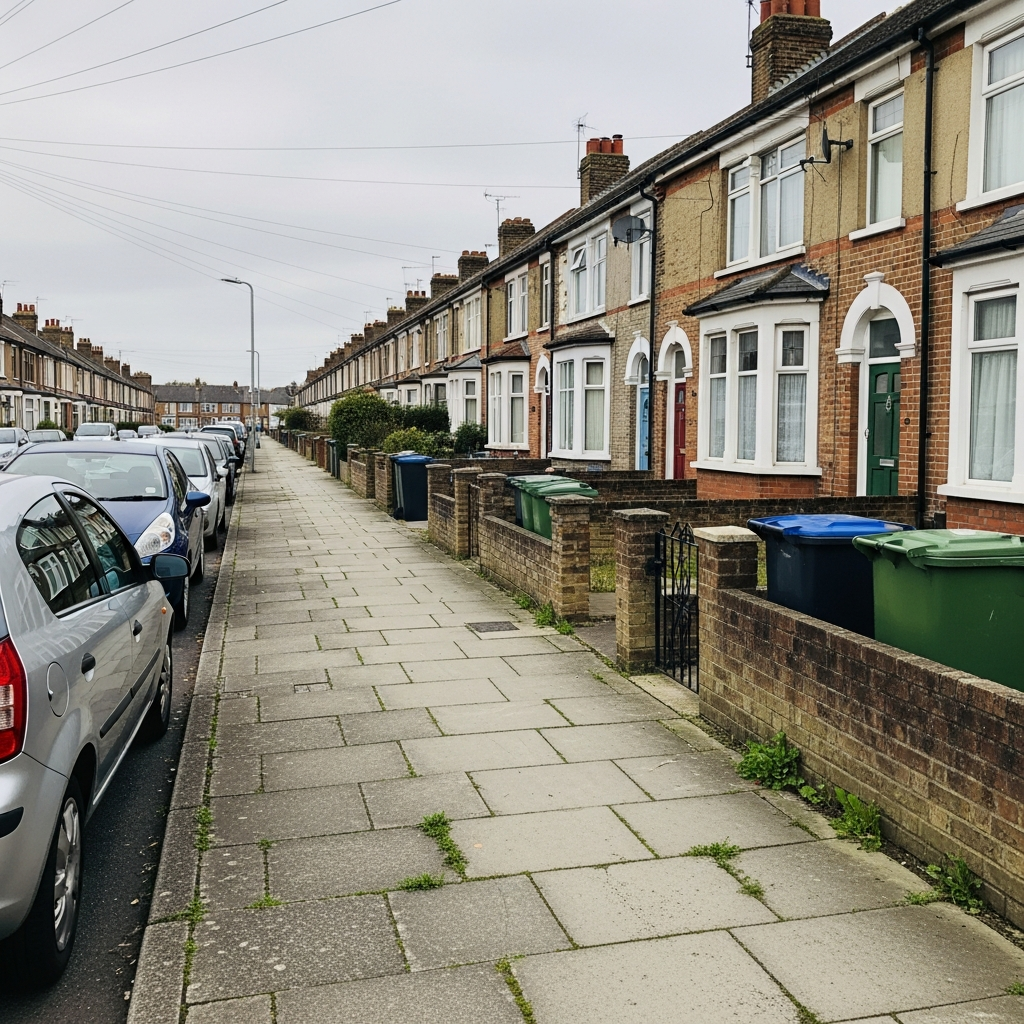
- Walls: Typically the largest source, especially in solid-walled properties
- Roof: Significant without adequate loft insulation
- Windows and doors: Single glazing loses roughly twice as much as double
- Floor: Suspended timber floors lose more than solid concrete
- Ventilation: Air changes through draughts, extractor fans, and trickle vents
Why Heat Pumps Need Accurate Heat Loss Calculations
Gas boilers have been routinely oversized for decades — a home with 7kW heat loss might have a 24kW boiler. Heat pumps are fundamentally different:
- Oversizing leads to short-cycling, reduced efficiency, and accelerated component wear
- Undersizing means the system cannot keep the house warm without expensive backup electric heating
The MCS Requirement
MCS standard MIS 3005 requires a room-by-room heat loss calculation with measured dimensions for every installation that qualifies for the Boiler Upgrade Scheme grant. An installer who skips this is not meeting MCS requirements.
How the Calculation Works: Room by Room
During the property survey, the installer measures every room and assigns U-values to each building element:
| Building Element | U-Value (W/m²K) | Heat Loss Rating |
|---|---|---|
| Solid brick wall (uninsulated) | 2.0 – 2.1 | Very high |
| Cavity wall (unfilled) | 1.0 – 1.5 | High |
| Cavity wall (insulated) | 0.3 – 0.5 | Good |
| Single-glazed window | 4.8 – 5.0 | Very high |
| Double-glazed window | 1.2 – 2.8 | Moderate |
| Loft with 270mm insulation | 0.13 – 0.16 | Excellent |
| Uninsulated loft | 2.0+ | Very high |
Lower U-values indicate better insulation. Values based on typical UK construction.
The formula for each element: Heat loss (watts) = U-value x Area x Temperature difference
Typical Whole-House Heat Loss
What the Results Tell Your Installer

The results determine heat pump sizing (closely matched to heat demand, not double or triple), radiator adequacy (can each radiator deliver enough heat at 40°C flow?), and optimal flow temperature (lower flow = higher efficiency).
Ready for a professional heat loss calculation?
Get free installer quotesEvery quote includes a room-by-room calculation. Compare at least 3.
Common Misconceptions
- "My boiler is 24kW so I need a 24kW heat pump" — Your boiler's rating bears little relation to actual heat loss. A 24kW boiler home typically has 6-10kW heat loss.
- "You can estimate from floor area" — Quick estimates based on floor area are too crude. Two identical-sized homes can have very different heat losses.
- "The EPC tells you your heat loss" — EPCs use standardised assumptions and are not accurate enough for heat pump sizing.
What If Your Heat Loss Is Very High?
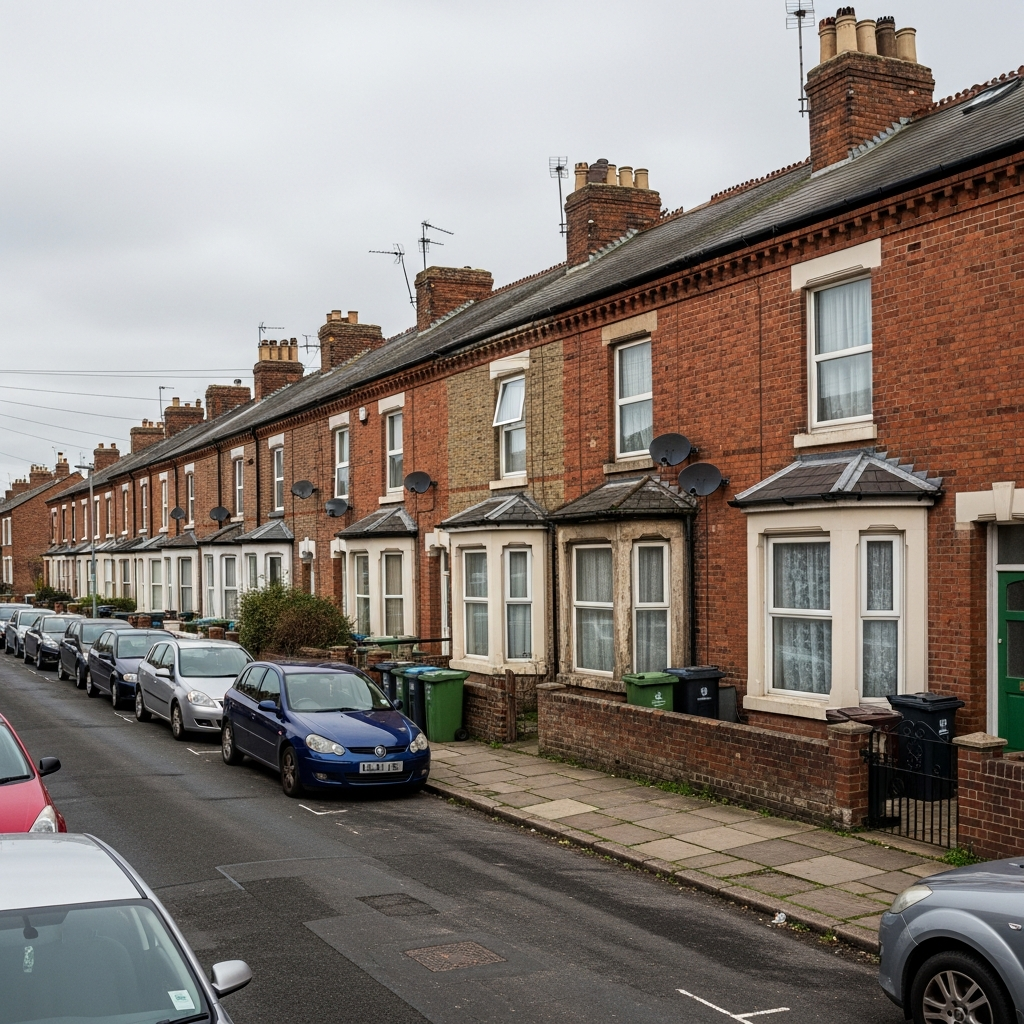
If heat loss exceeds 15-20kW for a standard house, your installer may recommend a "fabric first" approach — adding insulation before installing the heat pump. This means a smaller, less expensive heat pump that runs more efficiently. Combining insulation improvements with solar panels and a correctly sized heat pump creates the most energy-efficient home possible.
Find out your estimated heat pump size and cost
Calculate nowInstant results based on your property details.
Frequently Asked Questions
Do I have to have a heat loss calculation?
Yes, if you want an MCS-certified installation, which is required for the BUS grant. Even without the grant, it is essential for correct system design.
How much does a heat loss calculation cost?
Most MCS installers include it as part of their survey at no extra charge. Independent assessors charge £200 to £400.
Can I do my own heat loss calculation?
You can produce a rough estimate, but the calculation for system design must be done by a qualified professional using MCS-approved software.
Should the heat pump match the heat loss exactly?
Closely, with a small 10-20% margin. Significantly oversizing is counterproductive. Modern inverter-driven heat pumps can modulate down to about 30% of maximum capacity.
Does the heat loss calculation account for hot water?
The room-by-room calculation covers space heating only. Hot water demand is calculated separately and added to the overall system design.
Heat loss calculations are the foundation of every properly designed heat pump installation in the UK. They connect to the installation process, system costs, and radiator sizing. Properties with high heat loss benefit from a "fabric first" approach, and homeowners adding solar panels alongside insulation and a heat pump achieve the lowest possible energy bills.