Home Heat Pump Guide

Heat Pump Warranty: What's Covered?

A heat pump is a significant investment — typically £10,000-£15,000 before the BUS grant — so understanding what warranty protection you get is important. The good news is that heat pump warranties are generally more generous than boiler warranties, reflecting both the quality of the equipment and manufacturers' confidence in their products.

This guide explains what standard warranties cover, how long they last, what can void them, and whether extended warranty options are worth considering.

Standard Manufacturer Warranty Periods

Heat pump warranty periods vary by manufacturer, but most offer between 5 and 12 years as standard. Here is what the major brands typically provide for domestic installations in the UK:

  • Daikin: 5 years standard (extendable to 7 or 10 years)
  • Mitsubishi Electric: 5 years standard (extendable to 7 years)
  • Vaillant: 5 years standard (extendable to 7 or 10 years with registration)
  • Samsung: 5 years standard
  • Grant: 5 years standard (extendable to 7 years)
  • Bosch: 5 years standard (extendable to 7 years)
  • NIBE: 5 years standard (extendable to 7 years)
  • Kensa (ground source): Up to 10 years

Some manufacturers offer longer warranties (up to 10 or 12 years) as promotional offers or when the heat pump is installed by an accredited installer from their own installer network. Ask your installer what warranty period is available for your specific heat pump model.

How This Compares to Boilers

Gas boiler warranties typically range from 2 to 10 years, with most mid-range models offering 5-7 years. Heat pump warranties are broadly comparable, though the expected lifespan of a heat pump (20-25 years) is significantly longer than a gas boiler (12-15 years), making the warranty period a smaller fraction of the total life.

What the Warranty Covers

A standard manufacturer warranty typically covers:

Parts

  • Compressor: The most expensive single component — typically covered for the full warranty period
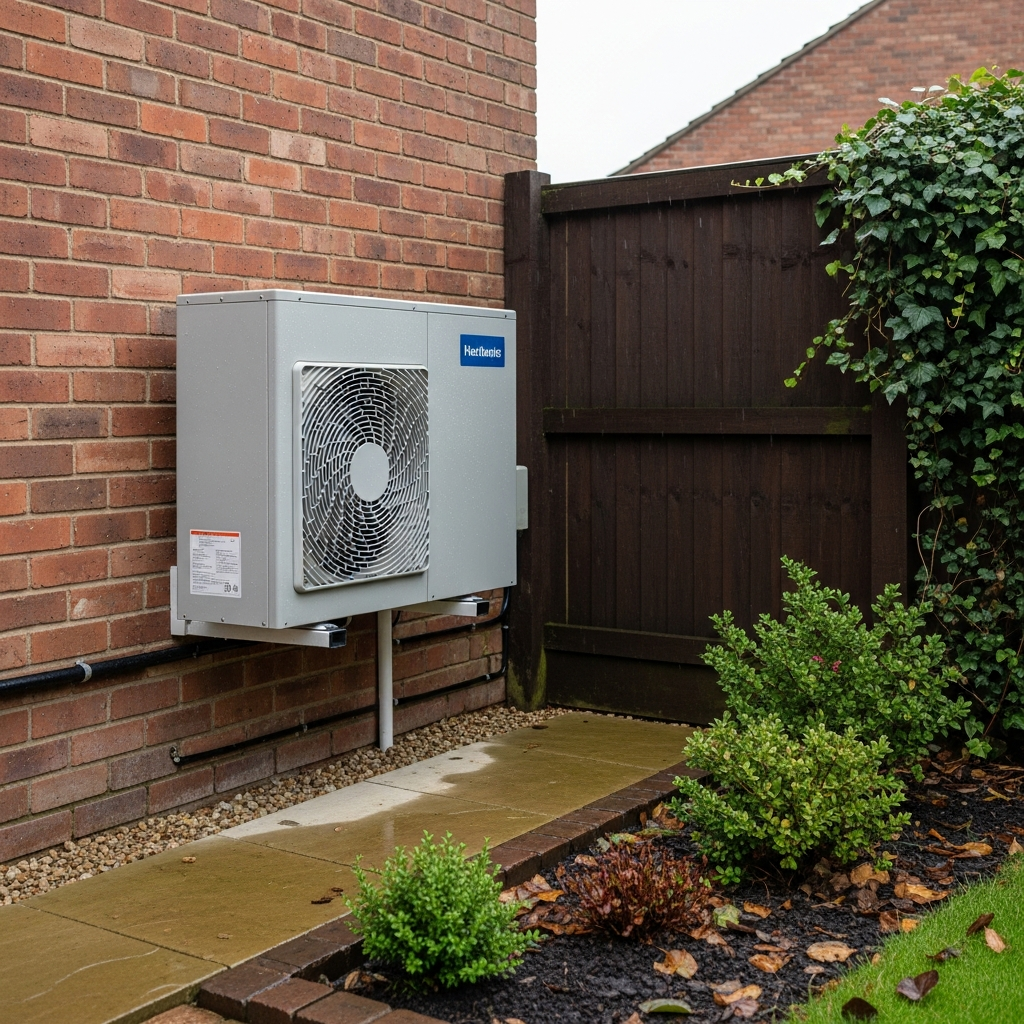
  • Heat exchanger: Both the evaporator (outdoor) and condenser (indoor) heat exchangers
  • Control board: The electronic controller and PCB
  • Fan motor: The fan in the outdoor unit
  • Expansion valve: The refrigerant metering device
  • Circulation pump: If integrated into the indoor unit
  • Sensors and switches: Temperature sensors, pressure switches, and safety devices

Labour

Most manufacturer warranties cover parts only, with labour charged separately for warranty repairs. However, some manufacturers include labour for the first 2-3 years, and some installer warranties (see below) cover labour for the full period.

A typical warranty repair call-out costs £80-£150 for labour even when parts are covered under warranty. This is worth factoring into your expectations.

What Is NOT Covered

Standard warranties typically exclude:

  • Consumables: Filters, inhibitor, glycol top-ups
  • Cosmetic damage: Scratches, dents, discolouration of the casing
  • Damage from external causes: Storm damage, flooding, vandalism, animal damage
  • Damage from poor water quality: If the heating system has not been properly flushed and treated with inhibitor
  • Damage from incorrect electrical supply: Voltage spikes, incorrect wiring, inadequate electrical protection
  • Installation defects: These fall under the installer's warranty, not the manufacturer's
  • Ancillary components: The hot water cylinder, buffer tank, external pipework, and controls may have their own separate warranties

Installer Warranty vs Manufacturer Warranty

There are two separate warranties to be aware of:

Manufacturer Warranty

This covers the heat pump unit itself — the hardware and its components. It is provided by the manufacturer (e.g., Daikin, Vaillant, Mitsubishi) and is typically 5-12 years. If the compressor fails due to a manufacturing defect, this is a manufacturer warranty claim.

Installer Warranty (Workmanship Guarantee)

This covers the installation work — pipework, wiring, connections, and the overall system design. It is provided by your MCS-certified installer and typically lasts 2-5 years. If a pipe joint leaks or the wiring is faulty, this is an installer warranty claim.

Under the MCS Consumer Code, your installer must provide a minimum workmanship guarantee. The MCS scheme also provides an Insurance Backed Guarantee (IBG) that protects you if the installation company goes out of business during the guarantee period.

MCS Insurance Backed Guarantee

When you get a heat pump installed through an MCS-certified installer (which is required for the BUS grant), you automatically receive an Insurance Backed Guarantee. This means:

  • If your installer ceases trading, the IBG provider will arrange for another installer to honour the workmanship guarantee
  • Coverage typically lasts for the duration of the installer's guarantee period (usually 2-5 years)
  • This is included in the installation cost — you do not pay extra for it

What Voids a Heat Pump Warranty?

Understanding what can void your warranty is just as important as knowing what it covers. Common reasons for warranty rejection include:

1. Failure to Service Annually

Most manufacturer warranties require annual servicing by a qualified engineer. If you skip services and then make a warranty claim, the manufacturer may reject it. Annual servicing typically costs £100-£200 and is a small price for maintaining warranty protection on equipment worth several thousand pounds.

2. Installation by a Non-Accredited Installer

Some manufacturers require the heat pump to be installed by an installer from their own accredited network (in addition to MCS certification). If installed by a non-accredited installer, the standard warranty may be reduced or voided.

Always check with the manufacturer and your installer before the work begins. Ask specifically: "Will the full manufacturer warranty apply with your installation?"

3. Poor Water Quality

If the heating system has not been properly flushed and treated with corrosion inhibitor, debris can damage the heat pump's heat exchanger. Manufacturers can test the water quality during a warranty visit, and if inhibitor levels are inadequate or the water is dirty, the claim may be rejected.

This is one reason why system flushing during commissioning is so important — it is not just about performance, it protects your warranty.

4. Incorrect Electrical Supply

Damage caused by incorrect wiring, missing RCD protection, or voltage spikes is not covered. Ensure the electrical installation is done correctly and to the manufacturer's specifications.

5. Tampering or DIY Repairs

Opening the heat pump, adjusting refrigerant, or attempting DIY repairs will void the warranty. Heat pumps contain pressurised refrigerant that must only be handled by F-Gas certified engineers.

6. Failure to Register the Warranty

Many manufacturers require the warranty to be registered within a certain period after installation (typically 30-90 days). Your installer should do this as part of the commissioning process, but check that they have. You should receive confirmation from the manufacturer.

Extended Warranty Options

Some manufacturers and third-party providers offer extended warranties beyond the standard period:

Manufacturer Extended Warranties

  • Typically extend coverage from 5 to 7 or 10 years
  • Cost: £200-£600 depending on the manufacturer and length
  • Must usually be purchased at the time of installation or within the first year
  • Cover the same components as the standard warranty

Third-Party Extended Warranties

  • Available from specialist home heating warranty providers
  • Can cover both parts and labour
  • Cost: £150-£300 per year
  • Read the terms carefully — some have exclusions, excess charges, or claim limits

Is Extended Warranty Worth It?

Heat pumps are generally very reliable. The compressor — the most expensive component — rarely fails within the first 10-15 years if the system is properly installed and maintained. Common repairs during the warranty period tend to be relatively inexpensive (sensors, PCBs, fans — typically £200-£500 including labour).

An extended warranty from the manufacturer is usually good value if the cost is modest (under £400 for 5 extra years). Third-party warranties require more scrutiny — check the reputation of the provider, the terms and conditions, and any excess charges.

The best warranty of all is proper installation and annual servicing. A well-maintained heat pump should run reliably for 20-25 years, well beyond any warranty period.

What Happens When the Warranty Expires?

When the warranty period ends, you are responsible for repair costs. Here is what typical repairs cost for context:

  • Sensor replacement: £100-£200
  • PCB/control board: £300-£600
  • Fan motor: £200-£400
  • Expansion valve: £200-£400
  • Compressor replacement: £1,500-£3,000 (rare)
  • Call-out and diagnostic fee: £80-£150

Most repairs fall in the £200-£600 range. Compressor failure is the only very expensive repair, and it is uncommon if the system has been properly installed and maintained. Many homeowners set aside £100-£200 per year after the warranty expires as a maintenance fund.

How to Protect Your Warranty

Follow these steps to ensure your warranty remains valid:

  1. Keep all documentation: Store the warranty certificate, commissioning record, and service records safely. Digital copies are fine.
  2. Service annually: Book an annual service with a qualified engineer. Keep proof of each service (receipts, service reports).
  3. Check warranty registration: Confirm with the manufacturer that the warranty has been registered within the required timeframe.
  4. Maintain water quality: Ensure the heating system has adequate inhibitor levels. Your annual service should include a water quality check.
  5. Do not tamper: Never open the heat pump, adjust refrigerant settings, or attempt DIY repairs on the unit itself.
  6. Report issues promptly: If you notice unusual noises, error codes, or reduced performance, report them to your installer or manufacturer before they cause further damage.
  7. Use qualified engineers: For any repair work, use engineers who are F-Gas certified and ideally accredited by the heat pump manufacturer.

Consumer Rights Beyond the Warranty

Even after the manufacturer warranty expires, you may still have legal protection under consumer rights legislation:

  • Consumer Rights Act 2015: Products must be of satisfactory quality, fit for purpose, and as described. If a heat pump develops a fault due to poor manufacturing quality within a reasonable time (up to 6 years from purchase in England), you may have a legal claim even if the warranty has expired.
  • Building regulations: The installation must comply with building regulations. If non-compliant installation causes problems, the installer may be liable regardless of the warranty period.
  • MCS Consumer Code: The MCS scheme has its own complaint and dispute resolution process that can be accessed even after the standard warranty period.

Frequently Asked Questions

How long is a typical heat pump warranty?

Most major manufacturers offer 5 years as standard, with options to extend to 7 or 10 years. Some promotional offers and premium models come with longer standard warranties.

Does the warranty cover labour?

Most manufacturer warranties cover parts only. Labour for warranty repairs is usually charged separately at £80-£150 per visit. Some extended warranties and installer warranties include labour.

Do I need to service my heat pump to keep the warranty valid?

Yes. Almost all manufacturer warranties require annual servicing by a qualified engineer. Failure to service can result in warranty claims being rejected.

What if my installer goes out of business?

If you used an MCS-certified installer, you are protected by an Insurance Backed Guarantee (IBG). This ensures that another installer will honour the workmanship guarantee if the original company ceases trading. The manufacturer warranty remains valid regardless of the installer's status.

Can I transfer the warranty if I sell the house?

Most manufacturer warranties are transferable to a new homeowner. Check the specific terms with the manufacturer — some require notification of the transfer.

Is the hot water cylinder covered by the heat pump warranty?

No. The hot water cylinder has its own separate warranty from the cylinder manufacturer — typically 10-25 years for the vessel itself (against leaking), with 1-2 years for immersion heaters and other components.

Want peace of mind with your heat pump investment? Get free quotes from MCS-certified installers who offer comprehensive warranty coverage and aftercare. Check our cost guide for realistic installation prices, or use the suitability checker to see if a heat pump is right for your home.