MCS Certification: What It Means for Heat Pumps

MCS certification is the line between a professional heat pump installation and a gamble. It is the UK's quality assurance standard for renewable energy installations, and without it, you cannot claim the £7,500 Boiler Upgrade Scheme grant. But MCS is about far more than grant paperwork — it is a genuine quality framework that protects you as a homeowner.
This guide explains what MCS actually covers, how it protects you, what the certification process involves for installers, and why you should insist on it even if the grant did not exist.
Find MCS-certified installers in your area
Get free quotes nowEvery installer in our network holds current MCS certification.
What Is MCS?
MCS stands for Microgeneration Certification Scheme. It is an industry-led quality assurance scheme that certifies both renewable energy products (including heat pumps) and the companies that install them. MCS is recognised by the UK government as the standard required for access to financial incentives like the Boiler Upgrade Scheme.
The scheme has been operating since 2008 and has certified thousands of installation companies across the UK. It covers heat pumps, solar panels, solar thermal systems, biomass, and other small-scale renewable technologies.
What MCS Certification Covers
Technical Competence
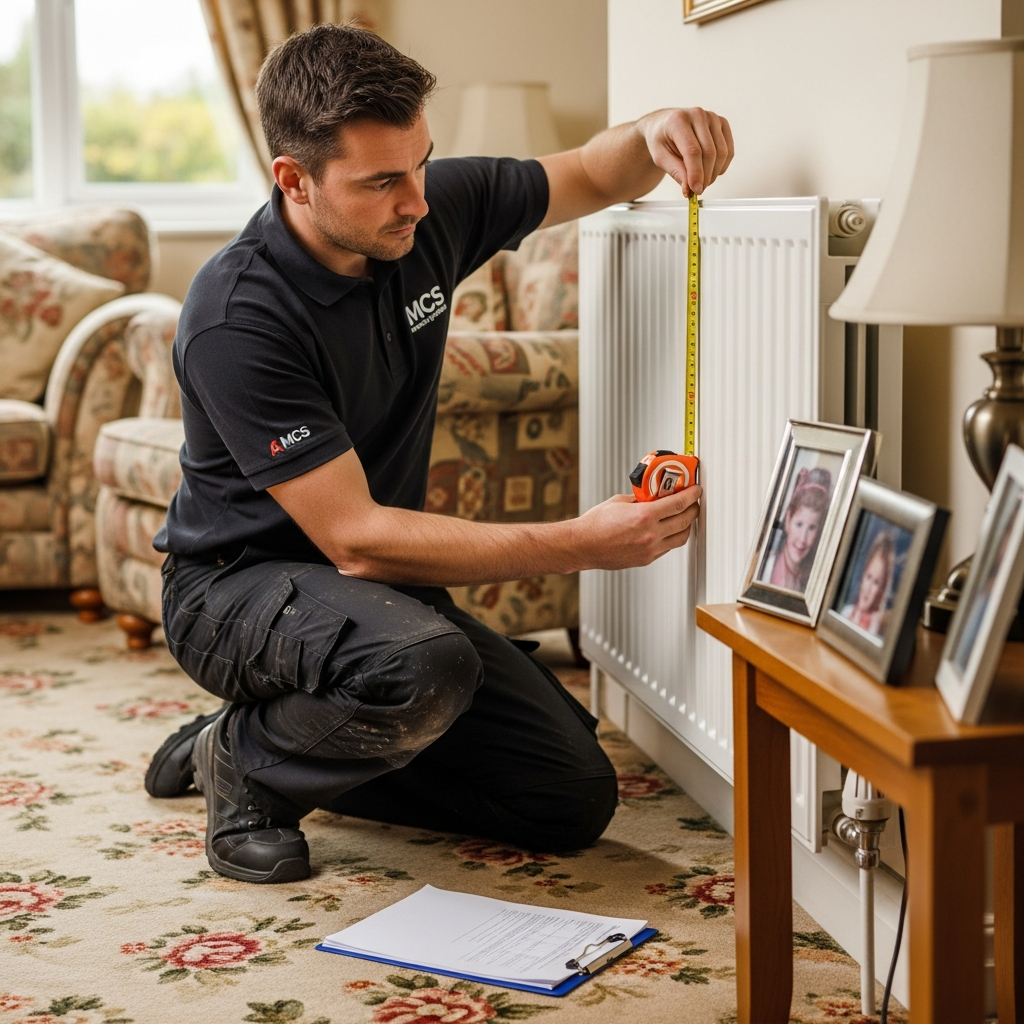
Proper heat loss calculations, system sizing, and installation techniques
Business Standards
Insurance, contracts, complaint handling, and record keeping
Ongoing Audits
Regular inspections of completed installations to verify quality
MCS certification requires installers to demonstrate competence across several areas:
- System design: Proper room-by-room heat loss calculations using approved software, correct heat pump sizing, and appropriate emitter selection
- Installation quality: Compliance with manufacturer instructions, building regulations, and MCS installation standards
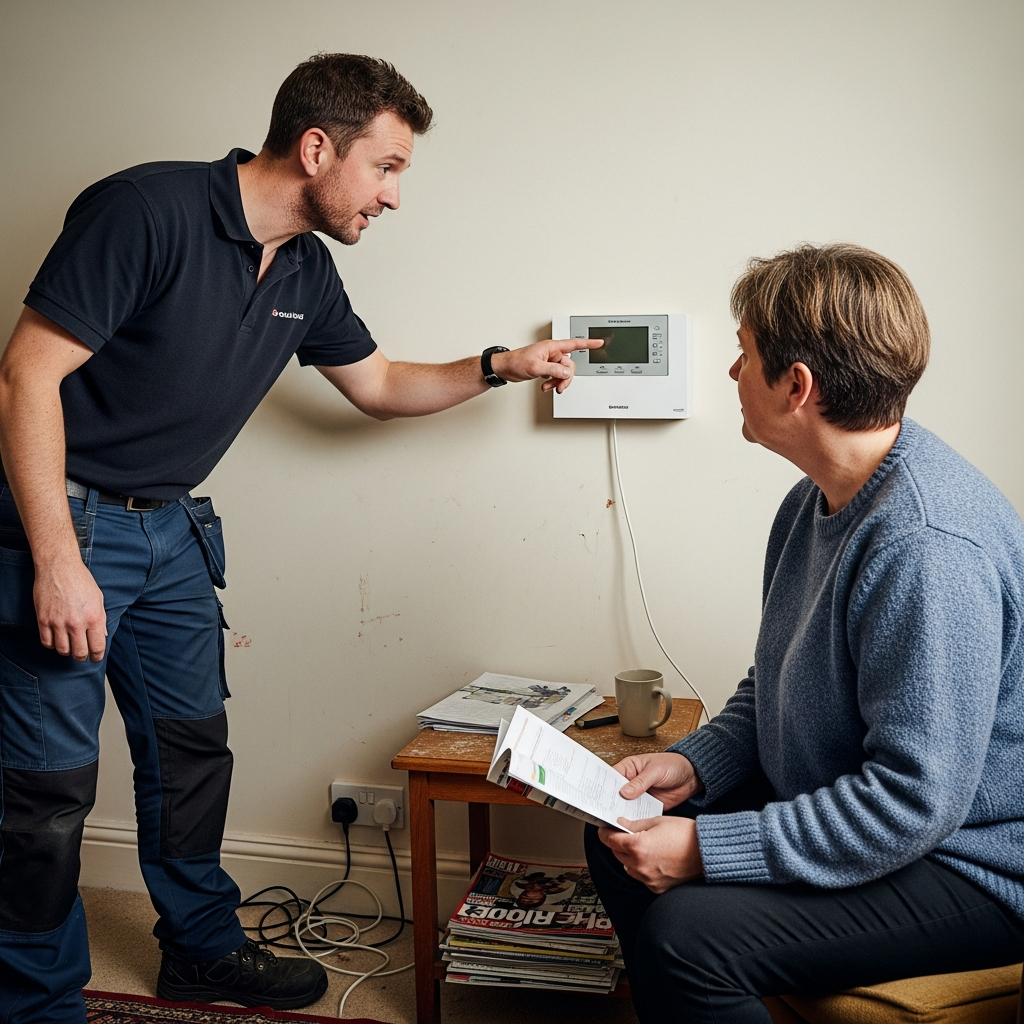
- Commissioning: Formal verification that the installed system performs as designed
- Documentation: Complete records of design, installation, and commissioning for every job
- Customer service: Written contracts, clear quotations, and a formal complaints procedure
MCS and the BUS Grant
The connection between MCS certification and the Boiler Upgrade Scheme is straightforward: no MCS, no grant. The £7,500 voucher can only be applied through an MCS-certified installer, and only for MCS-certified heat pump products.
| Requirement | Detail |
|---|---|
| Installer certification | Must hold current MCS certification for heat pumps |
| Product certification | Heat pump model must be MCS-certified |
| Design standard | System must be designed to MCS heat pump standard (MIS 3005) |
| Commissioning | Must be commissioned and documented to MCS requirements |
| Grant value | £7,500 for air source or ground source heat pumps |
Consumer Protection Under MCS
All MCS-certified installers must be members of a consumer code — typically RECC (Renewable Energy Consumer Code) or HIES (Home Insulation and Energy Systems). This provides:
- Written contracts: Clear terms covering price, timeline, specifications, and what happens if things go wrong
- Deposit protection: Limits on upfront payments and protection if the company goes into administration
- Complaint resolution: A formal process for resolving disputes, including independent mediation if needed
- Warranty backing: Insurance-backed guarantees that survive even if the installation company ceases trading
Want to check what the £7,500 grant means for your costs?
Calculate your costsSee how the BUS grant reduces your net installation cost.
How to Check an Installer's Certification
- Visit mcscertified.com
- Use the installer search function
- Enter the company name or postcode
- Verify that their certification is current (not expired or suspended)
- Check that the certification covers heat pumps (not just solar or another technology)
- Note the certification number — this should match what the company provides on their quotes
If an installer cannot provide their MCS certification number or if it does not appear on the database, do not proceed. This is non-negotiable if you want the grant, and strongly advisable even if you do not. For more guidance, see our article on finding MCS-certified installers.
MCS Product Certification
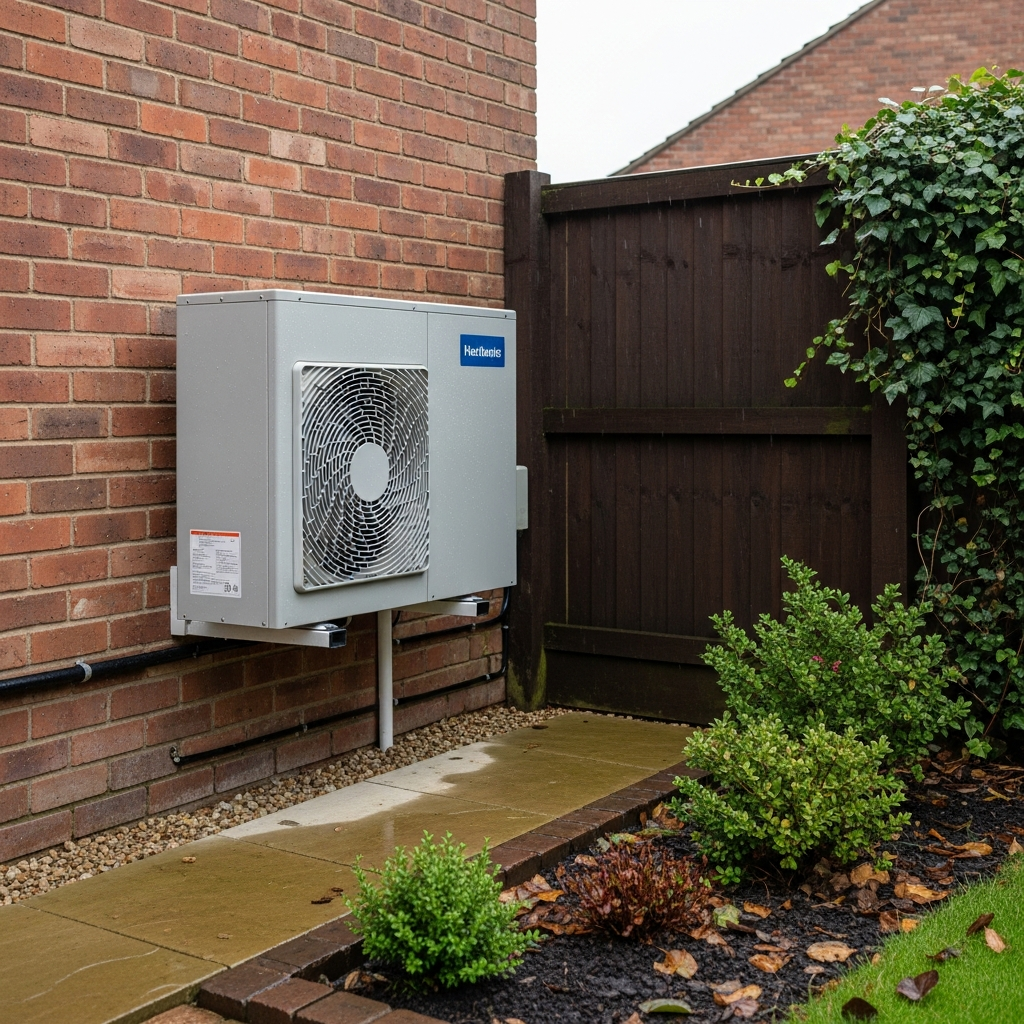
MCS certifies heat pump products as well as installers. An MCS-certified heat pump has been independently tested and verified to perform as claimed. This covers:
- Heating output at rated conditions
- Coefficient of performance (COP) at standard test points
- Noise levels
- Safety compliance
- Build quality and durability
All major heat pump brands sold in the UK hold MCS product certification. Your installer should only specify MCS-certified products — this is a requirement for both the BUS grant and MCS installation standards.
Frequently Asked Questions
Is MCS certification mandatory for heat pump installation?
It is not legally mandatory to have an MCS-certified installer, but it is mandatory if you want to claim the £7,500 BUS grant. Given that the grant covers a significant portion of the installation cost, the vast majority of homeowners choose MCS-certified installers.
How long does MCS certification take for an installer?
The MCS certification process typically takes 3-6 months, including application, document submission, technical assessment, and a site audit. Installers must also demonstrate ongoing competence through regular audits.
Can MCS certification be revoked?
Yes. MCS can suspend or revoke certification if an installer fails to meet standards, receives unresolved complaints, or fails an audit. Always check that an installer's certification is current before proceeding.
Does MCS certification apply to solar panels too?
Yes. MCS certifies installers for multiple renewable technologies including heat pumps, solar PV, solar thermal, and biomass. Some installers hold certification for both heat pumps and solar panels, which can be convenient if you are considering both.
Find MCS-certified installers you can trust
Get free quotes from vetted installersAll installers in our network hold verified, current MCS certification.
About MCS and Renewable Energy Quality Standards
The Microgeneration Certification Scheme (MCS) is the UK's primary quality standard for small-scale renewable energy installations. It covers heat pumps, solar PV, solar thermal, biomass, and wind turbines. MCS certification is recognised by the UK government as the benchmark for the Boiler Upgrade Scheme, and is the same standard used for solar panel installations under the Smart Export Guarantee. The scheme ensures consistent quality across the rapidly growing renewable energy sector.