Heat Pump Installation Mistakes to Avoid
A well-installed heat pump will heat your home efficiently for 20 years or more. A poorly installed one will leave you cold, frustrated, and facing unexpectedly high electricity bills. The difference almost always comes down to the quality of the installation, not the technology itself.
This guide covers the most common mistakes made during heat pump installations in the UK — and how to make sure none of them happen to you.
Mistake 1: Choosing the Wrong Size Heat Pump
Sizing is the single most critical decision in any heat pump installation. Get it wrong and everything else suffers.
Oversizing
An oversized heat pump costs more to buy, cycles on and off frequently (short-cycling), and runs less efficiently. Short-cycling puts unnecessary wear on the compressor and can reduce the system's lifespan. It also means you have paid for capacity you never use.
Oversizing often happens when an installer does not carry out a proper heat loss calculation and simply matches the heat pump to the old boiler's output — which was probably oversized itself.
Undersizing
An undersized heat pump cannot maintain comfortable temperatures on the coldest days. It will run flat out, consume more electricity, and rely heavily on backup immersion heaters or auxiliary electric heating — which is extremely expensive.
How to Avoid It
Insist on a room-by-room heat loss calculation carried out during an on-site survey. This calculation considers your home's insulation, floor area, window sizes, orientation, and local climate data. Any installer who quotes a heat pump size without this calculation is guessing.
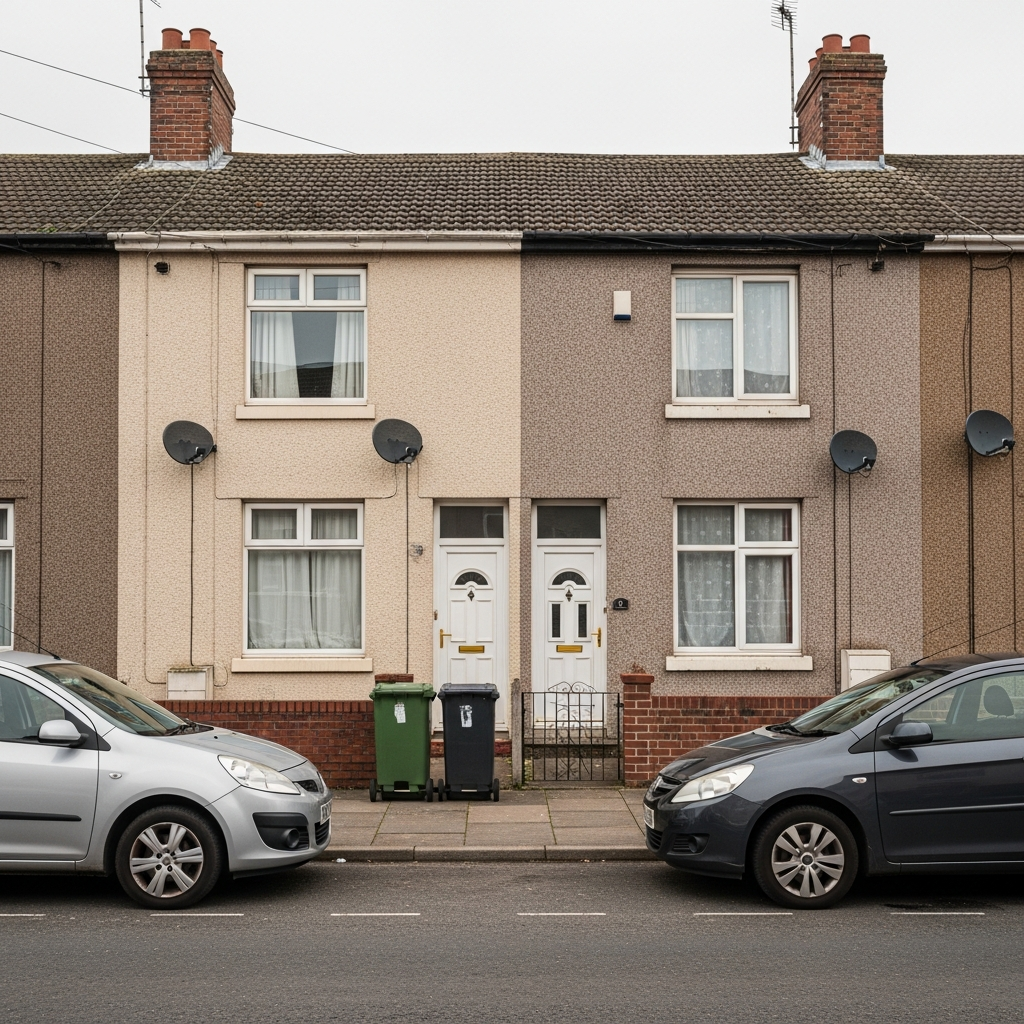
A typical well-insulated three-bedroom semi needs around 5–8 kW. A draughty Victorian terrace might need 10–14 kW. The calculation tells you exactly what your home needs — do not accept a round number based on "experience."
Mistake 2: Ignoring Insulation
Installing a heat pump in a poorly insulated home is like trying to fill a bath with the plug out. The heat pump will work — but it will work much harder, run at higher flow temperatures, and operate far less efficiently than it should.
Heat pumps are most efficient at low flow temperatures (35–45°C). Poor insulation forces the system to run at higher flow temperatures (50–55°C) to compensate for the heat leaking out, which reduces the Coefficient of Performance (COP) significantly — sometimes by 30–40%.
How to Avoid It
Prepare your home before the installation. At minimum:
- Loft insulation to 270mm
- Cavity wall insulation (if applicable)
- Double glazing
- Basic draughtproofing
A good installer will recommend insulation improvements as part of their proposal. Be suspicious of any installer who does not mention insulation at all.
Mistake 3: Choosing the Cheapest Installer
Heat pump installation is a specialist skill. It combines plumbing, electrical work, refrigeration, and heating system design. Choosing an installer based purely on price is one of the most common mistakes — and one of the most expensive to fix later.
What Goes Wrong
- Inadequate system design leading to poor performance
- Incorrect refrigerant charge affecting efficiency
- Poor pipework insulation causing heat loss
- Badly positioned outdoor unit creating noise complaints
- Missing or incorrect commissioning, meaning the system never runs at its best
- No follow-up support when problems arise
How to Avoid It
Always choose an MCS-certified installer and check their track record. Get at least three quotes. Ask for references and, if possible, speak to previous customers. A slightly more expensive quote from an experienced installer is almost always better value than a bargain from someone learning on your home.
Mistake 4: Skipping the Site Survey
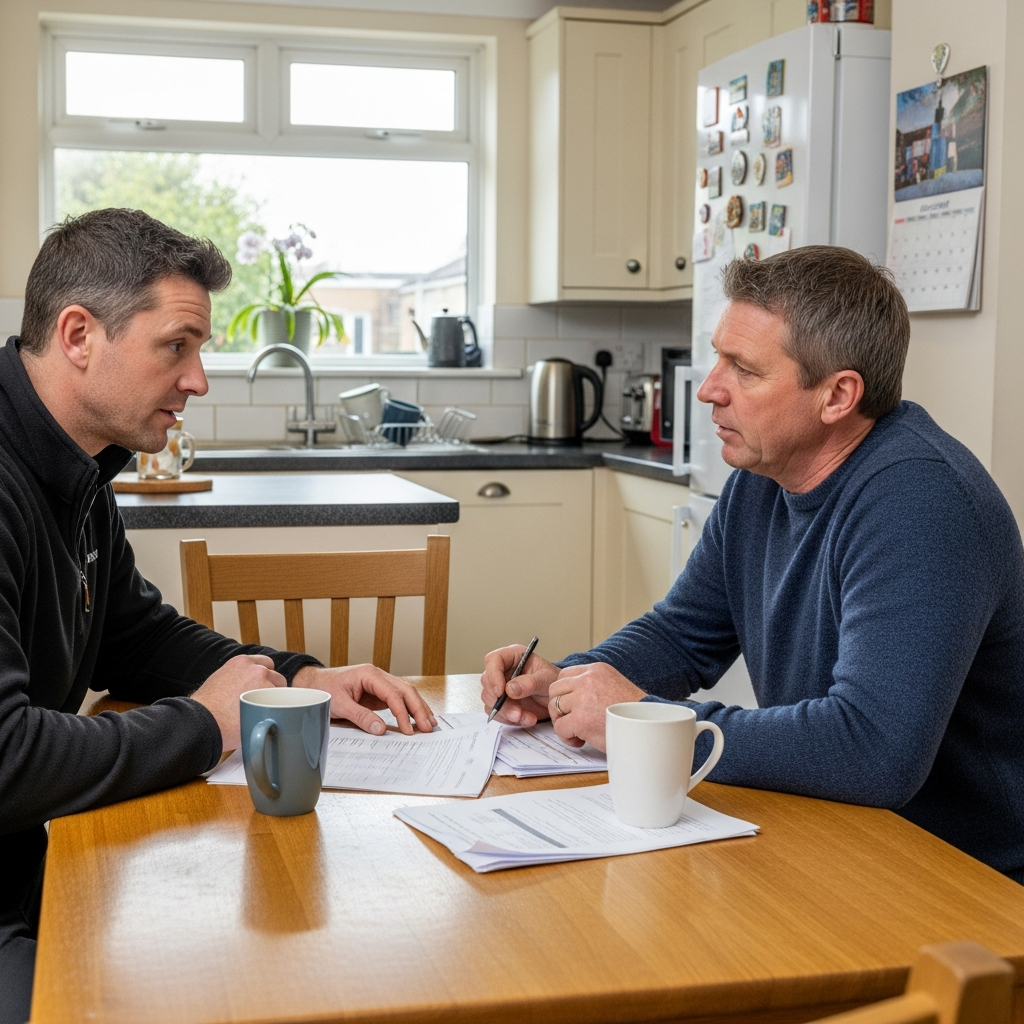
Any installer who provides a fixed-price quote without visiting your home is cutting corners. A proper site survey should take at least 1–2 hours for a standard property and includes:
- Room-by-room heat loss calculation
- Assessment of existing radiators and their output capacity
- Inspection of the proposed outdoor unit location
- Electrical supply check (main fuse, consumer unit, DNO notification requirements)
- Hot water demand assessment
- Pipework routing
- Noise assessment for planning compliance
If an installer offers a quote based on photographs, a phone call, or a quick 15-minute visit, they cannot possibly have gathered enough information to design the system properly.
Mistake 5: Not Addressing the Heating Distribution System
A heat pump is only as good as the system it feeds. If your existing radiators, pipework, or controls are not suitable for low-temperature operation, the heat pump will underperform regardless of how well it is installed.
Radiators
Radiators designed for a boiler running at 70–80°C produce significantly less heat at the 40–50°C flow temperatures a heat pump uses. In many homes, some radiators will need to be upgraded to larger models — typically double-panel convectors or fan convector radiators.
Pipework
Undersized pipework restricts flow and reduces heat delivery. Most well-designed boiler systems have adequate pipework, but older installations with microbore (8mm or 10mm) pipe may need sections replaced or the system rebalanced.
Controls
Heat pumps need weather compensation controls that adjust the flow temperature based on the outside air temperature. A simple on/off room thermostat is not sufficient for efficient operation. Your installer should include proper controls as standard.
Mistake 6: Poor Outdoor Unit Positioning
Where the outdoor unit sits affects performance, noise, and longevity. Common positioning mistakes include:
- Too close to neighbouring boundaries: Fails the 42 dB noise limit and could require expensive relocation
- In a corner between walls: Restricted airflow and amplified noise
- Under a tree or overhang: Falling leaves block the heat exchanger; dripping water causes problems in freezing conditions
- On an unstable surface: Vibrations transfer into the ground or building structure
- Too far from the indoor system: Long pipe runs lose heat and increase installation cost
A good installer will assess multiple potential locations and choose one that balances performance, noise, aesthetics, and practical access for servicing.
Mistake 7: Neglecting Hot Water System Design
Heat pumps heat water more slowly than boilers, so the hot water cylinder needs to be properly sized and designed for heat pump use. Common mistakes include:
- Reusing an old cylinder with a small coil — the heat pump cannot transfer heat efficiently
- Choosing too small a cylinder — you run out of hot water during peak usage
- Not insulating the cylinder and connecting pipework adequately
- Setting the immersion heater to come on too often as a "backup" — this adds enormously to running costs
A purpose-designed heat pump cylinder with a large internal coil is essential. Typical sizes are 170–250 litres for a family of 3–5 people.
Mistake 8: Not Setting Up Weather Compensation
Weather compensation is not optional — it is fundamental to efficient heat pump operation. The system uses an outdoor temperature sensor to automatically adjust the flow temperature. When it is mild outside, the flow temperature drops, and the heat pump runs more efficiently. When it is cold, the flow temperature rises to maintain comfort.
Without weather compensation, the heat pump runs at a fixed flow temperature regardless of conditions — wasting energy on mild days and potentially underperforming on cold ones. If your installer does not mention weather compensation, ask why.
Mistake 9: Skipping Commissioning
Commissioning is the process of testing, adjusting, and optimising the system after installation. It is not just switching the heat pump on and leaving. Proper commissioning includes:
- Checking and adjusting the refrigerant charge
- Setting the weather compensation curve
- Balancing radiator flows across the system
- Programming hot water schedules
- Testing the defrost cycle
- Verifying the system achieves the designed flow temperatures
An improperly commissioned heat pump can consume 20–30% more electricity than one that is set up correctly. This is not an exaggeration — it is one of the most common reasons people report disappointing running costs.
Mistake 10: Unrealistic Expectations
A heat pump does not work like a gas boiler. It heats your home differently, and adjusting your expectations is part of making the transition successful:
- Radiators will feel warm, not hot. At 40–50°C flow temperature, radiators are noticeably cooler to the touch than with a boiler. This is normal — they are still heating the room.
- The system runs for longer periods. Heat pumps work best running continuously at low output rather than blasting heat in short bursts. This is more efficient, not a sign of a problem.
- Hot water takes longer to reheat. Plan your hot water schedule so the cylinder reheats during off-peak times if you are on a time-of-use tariff.
- The first winter requires adjustment. You will likely tweak settings, heating schedules, and your own habits during the first heating season.
A good installer will explain all of this during the handover. If they do not, ask.
Frequently Asked Questions
What is the most common heat pump installation mistake?
Incorrect sizing. An oversized or undersized heat pump leads to poor efficiency, higher running costs, and reduced lifespan. Always insist on a room-by-room heat loss calculation before the installer specifies the unit size.
How do I know if my installer is competent?
Check for MCS certification, ask for references from recent installations, and ensure they carry out a thorough site survey before quoting. An experienced installer will also proactively discuss insulation, radiator suitability, and electrical supply during the survey.
Can I install a heat pump myself to save money?
No. Heat pump installation involves handling refrigerant (F-gas regulations apply), electrical connections, and compliance with Building Regulations and MCS standards. DIY installation would void your warranty, make you ineligible for the BUS grant, and potentially create safety hazards.
What should I do if my heat pump is not performing well after installation?
Contact your installer first. Common post-installation issues include incorrect weather compensation settings, unbalanced radiator flows, and heating schedules that need adjusting. Most performance problems can be resolved through recommissioning rather than hardware changes.
Is it worth paying more for a premium installer?
Almost always, yes. The difference in running costs between a well-installed and poorly installed heat pump can be £300–£500 per year. Over 20 years, that adds up to far more than the price difference between a cheap and experienced installer.
Should I insulate my home before or after getting the heat pump installed?
Before, wherever possible. Improving insulation first means the heat pump can be sized smaller (saving on purchase cost) and will run more efficiently from day one (saving on running costs).
The Bottom Line
Every mistake on this list is avoidable. The common thread is this: invest in a thorough survey, an experienced MCS installer, proper insulation, and correct system design. The upfront effort and cost pay for themselves many times over through lower energy bills, a more comfortable home, and a system that performs as promised for decades to come.
If something about your installation does not feel right — an installer who will not do a survey, a quote that seems too good to be true, or a proposed system that does not match what you have read here — trust your instincts and get another opinion.