Heat Pump Annual Service: What's Checked?
Skipping a £150 annual service can cost you 10-25% more in electricity bills every year and void a warranty worth thousands. Here is exactly what a qualified engineer checks during a heat pump service, why each test matters, and when to book yours for maximum benefit.
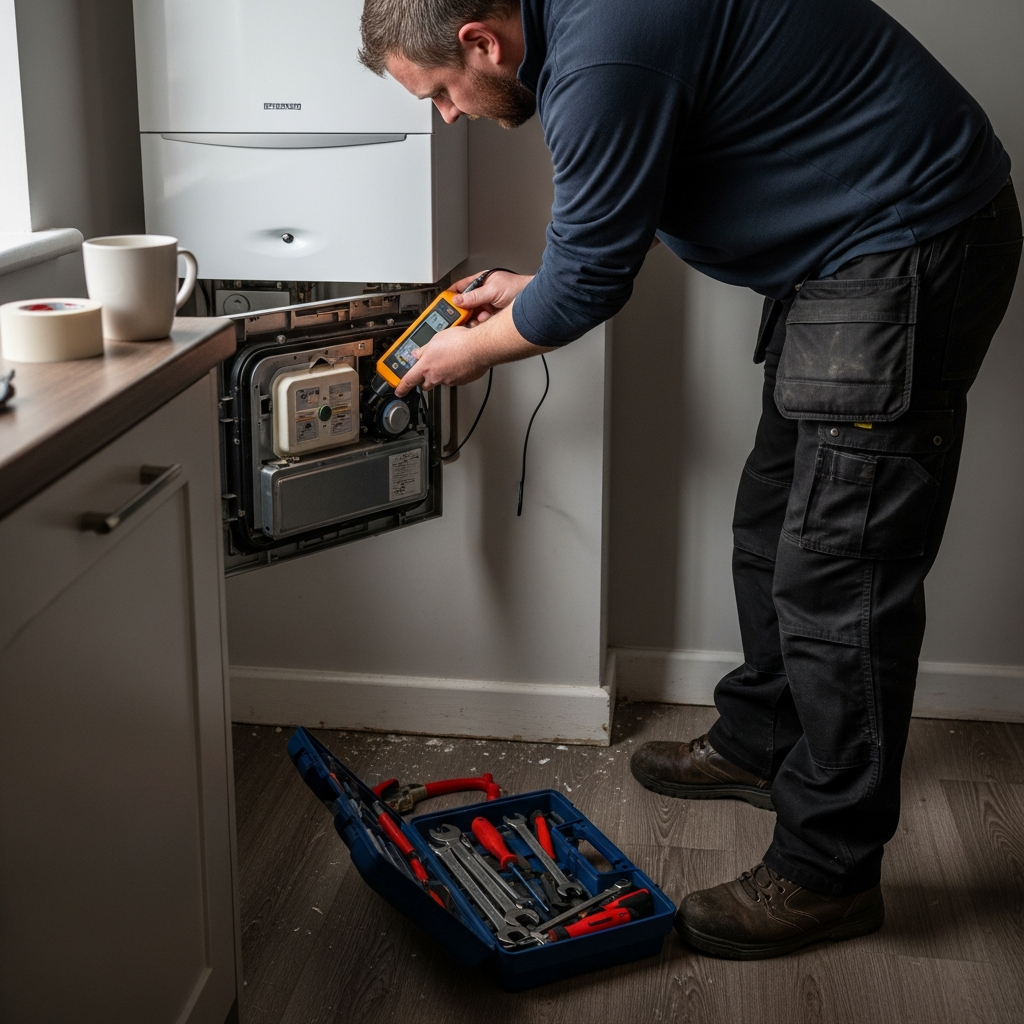
Like a boiler, a heat pump needs an annual service to keep it running efficiently and to catch small issues before they become expensive failures. Unlike a boiler service, however, many homeowners are unsure what a heat pump service actually involves — partly because the technology is newer to the UK market and partly because the checks are quite different.
This guide explains exactly what a qualified engineer checks during a heat pump annual service, why each check matters, how much you should expect to pay, and what happens if you skip servicing altogether. For a broader picture of ongoing costs, see our heat pump running costs guide.
What would a heat pump cost for your home?
Try the free calculatorInstant estimate including running costs and maintenance. No email required.
Why Annual Servicing Matters
A heat pump is a mechanical system with moving parts, refrigerant under pressure, and electrical components that experience thousands of operating hours each year. Regular servicing achieves three things:
- Maintains efficiency: A poorly maintained heat pump can lose 10 to 25 percent of its efficiency over time, directly increasing your electricity bills.
- Prevents breakdowns: Most major failures are preceded by early warning signs that an experienced engineer can spot during a routine service.
- Protects your warranty: Most manufacturers require annual servicing as a condition of their warranty. Skip a service and you may void your coverage for the most expensive components.
Given that a service costs between £100 and £200, the return on investment is considerable when you consider that a compressor replacement alone can cost £1,500 to £3,000. Our guide on heat pump repair vs replacement shows how regular servicing delays that expensive decision.
The Complete Service Checklist
A thorough heat pump service covers the outdoor unit, indoor components, refrigerant circuit, electrical systems, and controls. Here is what a competent engineer will check.
Outdoor Unit Inspection
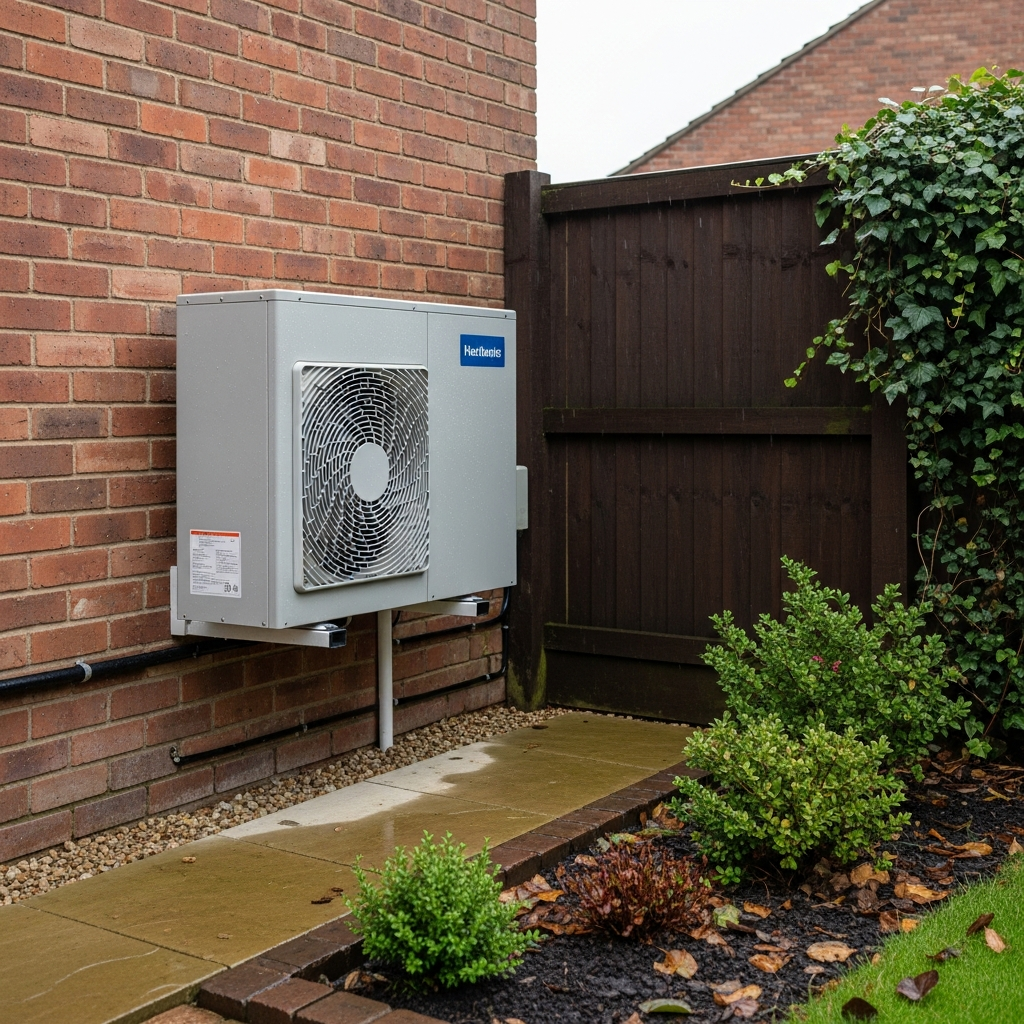
The service begins with a visual and physical inspection of the outdoor unit:
- General condition: Checking for physical damage, corrosion, loose panels, or signs of wear
- Coil condition: The evaporator coil must be clean and free from dirt, leaves, cobwebs, and other debris that restrict airflow
- Fan operation: The engineer will run the fan and listen for bearing noise, vibration, or wobble that indicates wear
- Clearances: Checking that vegetation, fencing, or stored items have not encroached on the unit
- Base and fixings: Ensuring the unit is level, stable, and that anti-vibration mounts are intact
- Condensate drain: Verifying the drain is clear and flowing freely
Refrigerant System Checks
The refrigerant circuit is the core of the heat pump. These checks must be performed by an F-gas certified engineer:
- Pressure checks: Verifying that high-side and low-side pressures are within the manufacturer's specified range
- Temperature readings: Measuring superheat and subcooling values to confirm correct refrigerant charge
- Leak detection: Visual inspection of all refrigerant connections, brazed joints, and the compressor for signs of oil staining
- Pipe insulation: Checking that refrigerant pipe insulation is intact and not degraded by UV exposure or weather
If a refrigerant leak is found, this becomes a separate repair job with additional costs. The service itself does not typically include topping up refrigerant — if the system needs a recharge, that indicates a leak that must be found and fixed first.
Filter Cleaning and Replacement
- Heating circuit strainer: A mesh filter on the water circuit that catches debris from the pipework, removed and cleaned
- Magnetic filter (if fitted): Cleaned to remove captured magnetite sludge from radiators
- Air filters (on some models): Some heat pump models have washable air filters that need cleaning
Electrical Checks
- Supply voltage: Verifying electrical supply is within the manufacturer's range
- Current draw: Measuring the compressor's running current against the rated value
- Wiring connections: Tightening all electrical connections loosened by compressor vibration
- Earth continuity: Checking that the earth connection is sound
- Isolation switch: Verifying correct operation
- Capacitors: Testing run and start capacitors where applicable
Controls and Settings Review
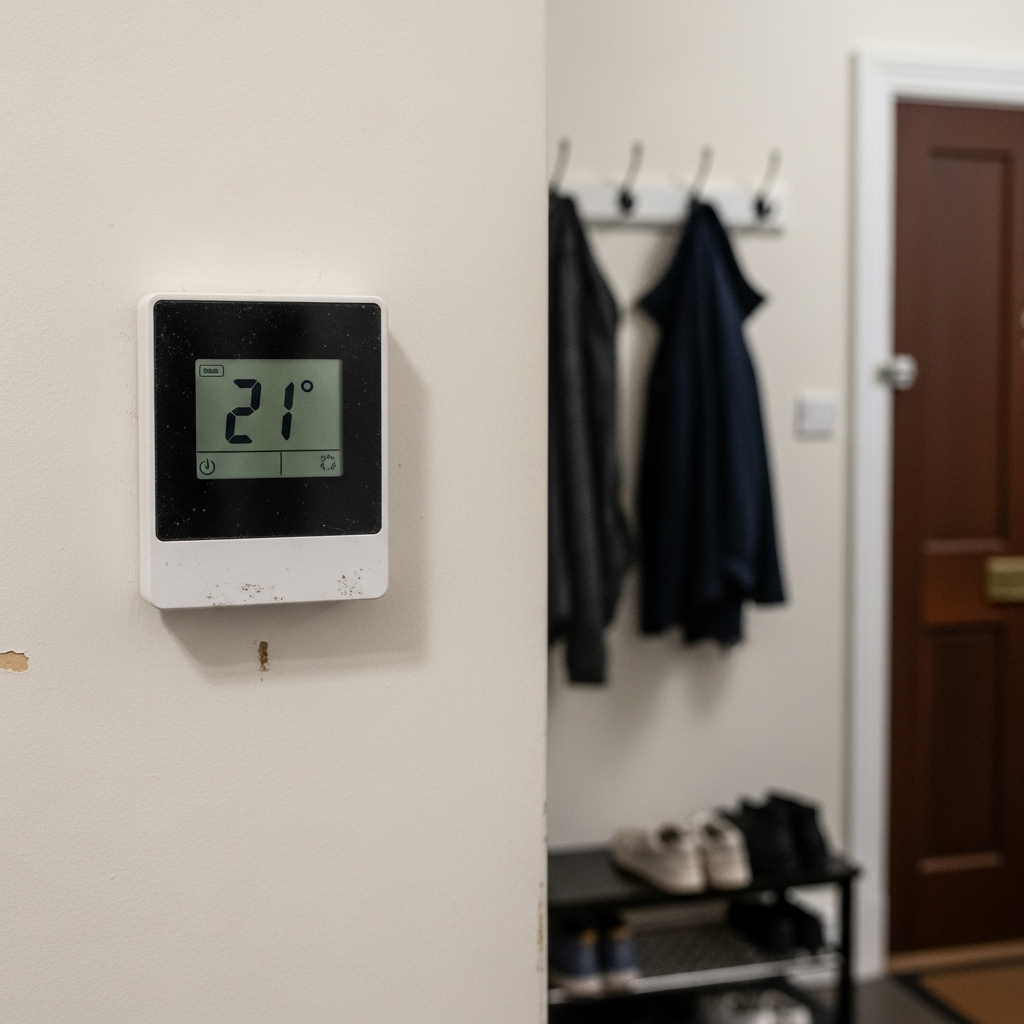
A good service includes a review of the system's operating settings:
- Flow temperatures: Checking that the heating flow temperature is set appropriately. A well-insulated home with modern radiators or underfloor heating may only need flow temperatures of 35 to 40 degrees Celsius.
- Weather compensation curve: Verifying the settings match the property's actual heat demand
- Hot water settings: Checking the hot water cylinder temperature — typically 48 to 52 degrees Celsius with periodic legionella pasteurisation to 60 degrees
- Timer schedules: Reviewing heating and hot water schedules for efficiency
- Error log review: Checking the stored log of error codes and operating data for patterns
Indoor Components
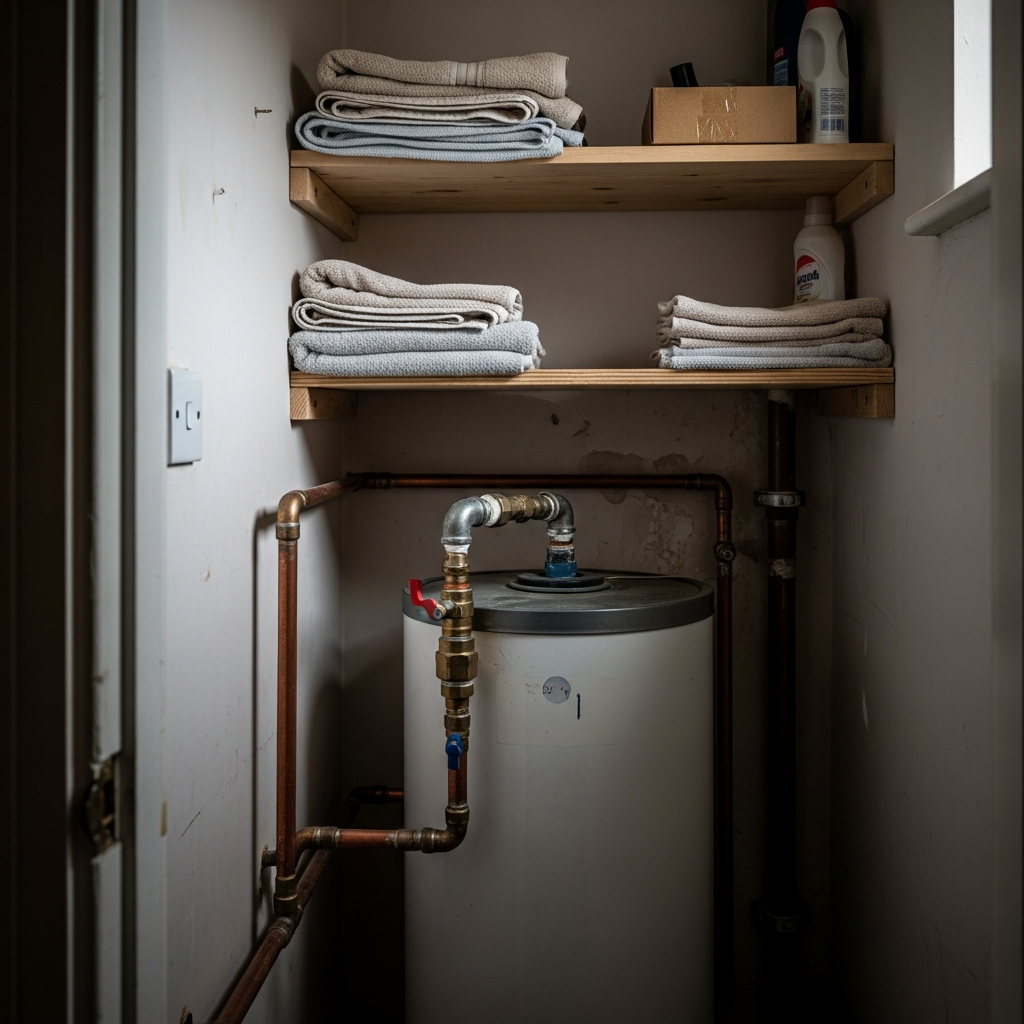
- Hot water cylinder: Checking the thermostat, immersion heater, T&P relief valve, and expansion vessel
- Buffer tank (if fitted): Checking operation and temperature
- Circulation pump: Verifying correct operation and speed setting
- System pressure: Checking and topping up if necessary
- Expansion vessel: Checking pre-charge pressure
Wondering if your home is ready for a heat pump?
Check your suitabilityQuick assessment based on your property type and current heating system.
How Long Does a Service Take?
A thorough heat pump annual service typically takes one to two hours. If the engineer rushes through in 30 minutes, they are not checking everything. Conversely, if it takes significantly longer than two hours, they may have found an issue that needs further investigation.
Some service contracts include a written report detailing everything checked, any issues found, and recommendations. This is worth requesting even if it is not standard — it provides a record for warranty purposes and helps you track your system's condition over time.
How Much Does a Heat Pump Service Cost?
| Service Type | Typical Cost | What's Included |
|---|---|---|
| Basic annual service | £100 – £150 | All standard checks listed above |
| Comprehensive with report | £150 – £200 | Full checks plus written report and performance analysis |
| Annual maintenance plan | £120 – £200/year | Service plus priority callout for breakdowns |
UK service prices, March 2026. Excludes any repair work identified during the service.
Who Should Service Your Heat Pump?
Your heat pump should be serviced by an engineer who is:
- F-gas certified: Essential for any work involving the refrigerant circuit — a legal requirement under UK F-gas regulations
- Manufacturer trained: Ideally trained on your specific brand of heat pump
- MCS certified (ideally): While MCS certification is primarily for installations, an MCS-certified company will have the technical competence for servicing
Your original installer is often the best first choice for servicing. They know the system, the installation, and any quirks specific to your property.
What Happens If You Skip Annual Servicing?
Skipping services does not cause immediate catastrophe, but the consequences accumulate:
- Year 1 missed: Probably no noticeable effect, but efficiency may begin to drop as the coil collects dirt
- Year 2-3 missed: Efficiency losses of 5 to 15 percent are common. Your warranty is likely voided.
- Year 4+ missed: Risk of major component failure increases substantially. A blocked strainer can cause secondary damage that turns a £100 service into a £1,000+ repair bill.
When Is the Best Time to Book a Service?
The ideal time to service your heat pump is in early autumn — September or October — before the heating season begins. This ensures your system is in peak condition when you need it most and gives time to arrange any repairs before cold weather arrives.
Avoid booking in the middle of winter when engineers are busiest with breakdowns. Spring is a reasonable alternative if you missed the autumn window. If you also have solar panels, consider booking both your heat pump service and solar panel clean in the same period to ensure your whole renewable energy system is optimised before winter.
See how much a heat pump could save you on energy bills
Calculate your savingsBased on your property details. Instant results, no signup needed.
Frequently Asked Questions
Do heat pumps need servicing every year?
Yes. Manufacturers recommend annual servicing, and most warranties require it. The cost of an annual service (£100 to £200) is small compared to the potential cost of an undetected fault developing into a major failure. Think of it as insurance for a system that cost £10,000 or more to install.
Can I service my heat pump myself?
You can carry out basic maintenance tasks such as keeping the outdoor unit clear of debris, checking system pressure, and cleaning accessible filters. However, the full annual service — particularly refrigerant checks and electrical testing — must be done by a qualified, F-gas certified engineer. DIY attempts risk voiding your warranty and breaking the law if you handle refrigerant.
Is a heat pump service the same as a boiler service?
No. While there are similarities (checking controls, testing safety devices, verifying efficiency), a heat pump service involves refrigerant circuit checks that require different qualifications and equipment. A gas-safe boiler engineer is not qualified to service a heat pump unless they also hold F-gas certification and have heat pump training.
What should I do between services?
Keep the area around the outdoor unit clear of leaves, grass cuttings, and other debris. Check the condensate drain is not blocked, especially in winter. Monitor your heating system pressure gauge and top up if it drops below the recommended level. Report any unusual noises, error codes, or changes in performance to your service engineer promptly.
Does annual servicing reduce energy bills?
Yes. A well-maintained heat pump operates at or near its designed efficiency. Dirty coils, incorrect refrigerant charge, or suboptimal settings can all increase electricity consumption by 10 to 25 percent. For a system costing £500 to £800 per year to run, that represents £50 to £200 per year in wasted electricity — often more than the cost of the service itself.
Will the engineer need access inside my home?
Yes. A full service requires access to both the outdoor unit and the indoor components — the hot water cylinder, controls, filters, and any buffer tanks or distribution equipment. Plan to be at home for the one to two hour appointment.
Heat pump annual servicing is an essential part of owning a renewable heating system in the UK. Regular maintenance connects to broader topics including running costs, installation costs, and warranty protection. Homeowners with combined systems — such as a heat pump paired with solar panels — benefit from keeping all renewable technology in peak condition to maximise energy bill savings.