Heat Pump Noise Regulations UK
Modern heat pumps produce about 40-55 dB at one metre — roughly the volume of a quiet conversation. But the legal limit at your neighbour's boundary is just 42 dB, and getting the positioning right during your installation is the single most important factor in staying compliant and keeping neighbours happy.
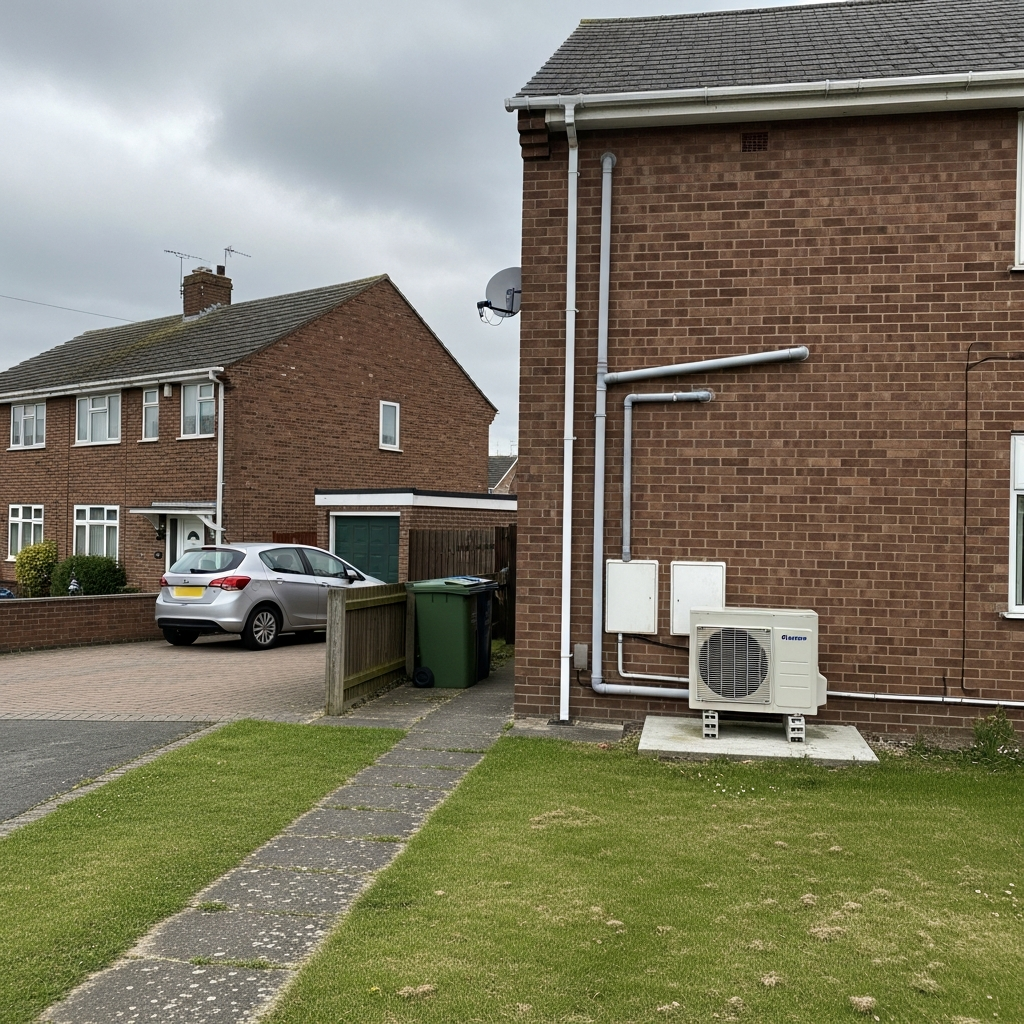
Noise is one of the most common concerns homeowners raise about heat pumps, and it is also the most common reason neighbours object. Understanding the regulations helps you plan an installation that is both compliant and considerate.
Find quiet heat pump options for your home
Get an estimateModern units are quieter than ever. See costs instantly.
How Loud Are Heat Pumps?
Modern inverter-driven heat pumps are significantly quieter than older fixed-speed models. Most run at 40-45 dB during normal operation, only reaching maximum noise levels during peak demand in very cold weather.
The Legal Noise Limits
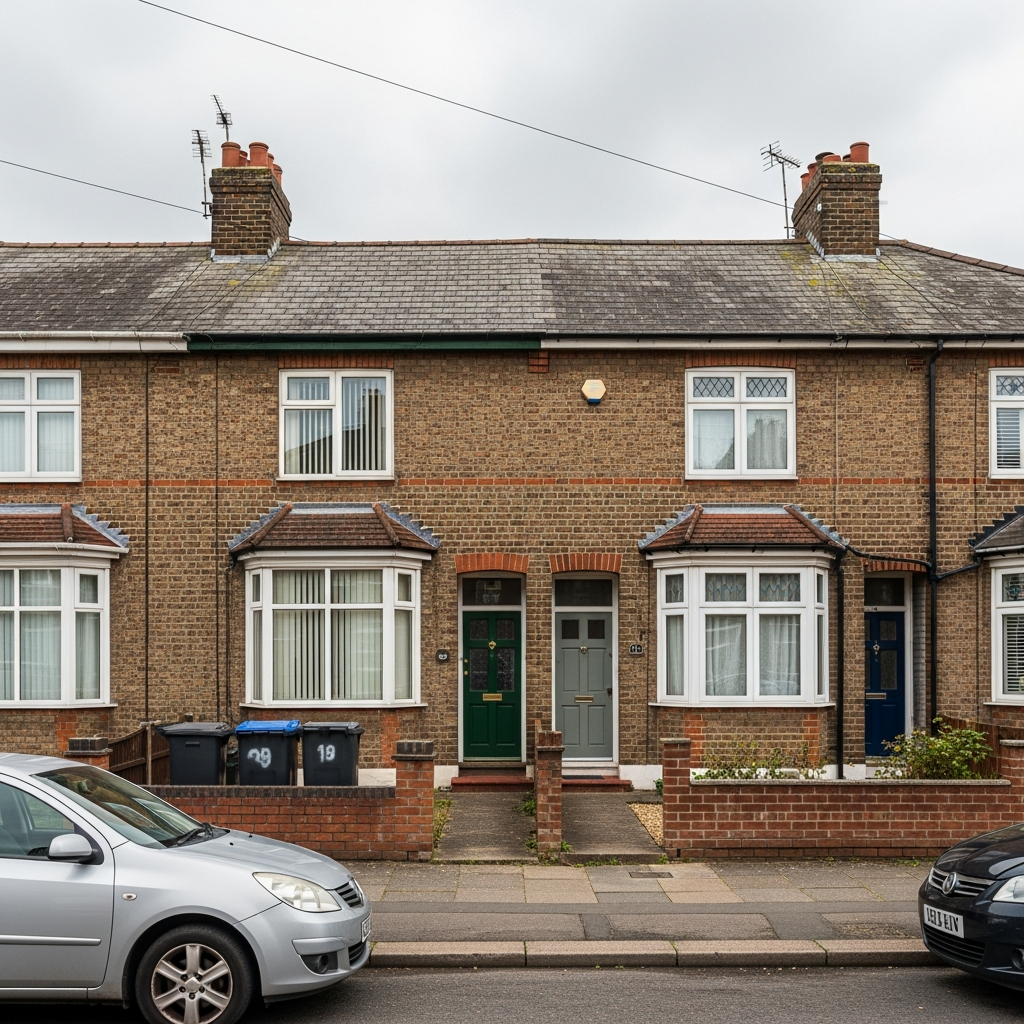
Under permitted development rules in England, the noise from a heat pump must not exceed 42 dB(A) at the nearest neighbouring property boundary. This is assessed using the MCS 020 planning standard, which your installer calculates during the survey.
MCS 020 Planning Standard
MCS 020 uses the manufacturer's sound power data, distance to the nearest boundary, and any corrections for reflective surfaces (walls, fences) to calculate the predicted noise level. Your installer performs this calculation as part of the system design.
How to Reduce Heat Pump Noise
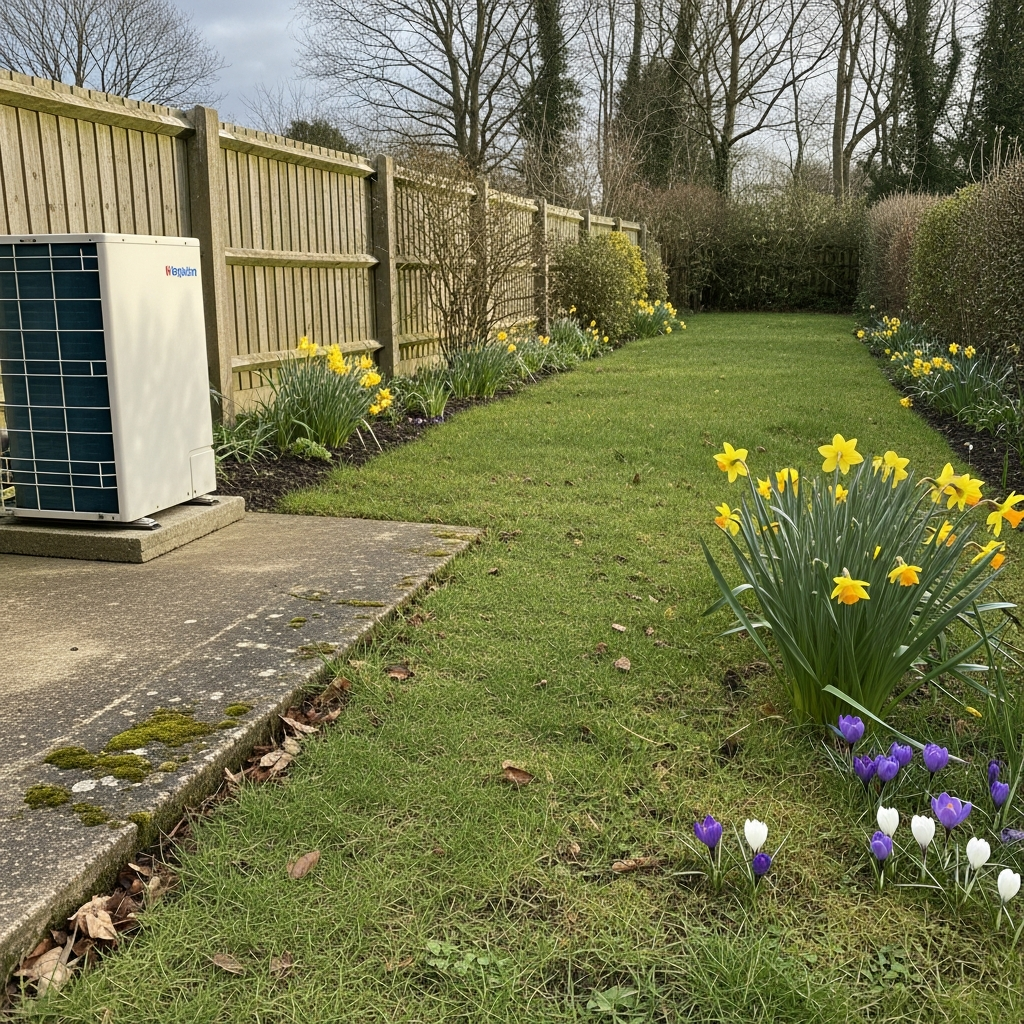
- Maximise distance: Every doubling of distance reduces noise by approximately 6 dB
- Avoid reflective surfaces: Position away from corners where walls amplify sound
- Anti-vibration mounts: Prevent vibration transmission through the base
- Choose a quiet model: Modern R290 units are among the quietest available
- Acoustic barriers: Purpose-built screens can reduce noise further if needed
Get installation quotes from experienced, noise-aware installers
Get free quotesMCS-certified installers handle noise calculations as standard.
Keeping Neighbours Happy
Beyond legal compliance, informing your neighbours before installation is good practice. Explain what a heat pump sounds like, show the predicted noise level at their boundary, and address any concerns proactively. A well-positioned heat pump is often quieter than a gas boiler flue.
If you are also considering solar panels, they are completely silent — a major advantage when adding renewable technology to your home without any noise impact whatsoever.
See how a quiet modern heat pump would work for you
Calculate costs and savingsInstant results. No email required.
Frequently Asked Questions
How loud is a modern heat pump?
Typically 40-55 dB(A) at 1 metre — roughly the volume of a quiet conversation or background music.
What is the permitted development noise limit?
42 dB(A) at the nearest neighbouring property boundary under MCS 020 planning standards in England.
Can my neighbour complain about heat pump noise?
If compliant with the 42 dB limit, it is within permitted development rules. However, if noise becomes a statutory nuisance, the local authority can investigate regardless.
Are heat pumps louder in cold weather?
Slightly. The compressor works harder and defrost cycles produce brief periods of increased noise. This is normal operation.
Heat pump noise regulations are governed by the MCS 020 planning standard and permitted development rules. Understanding them connects to installation planning, air source technology, and neighbourly relations. Homeowners wanting completely silent renewable technology can complement their heat pump with solar panels, which produce no noise at all.