How to Prepare Your Home for a Heat Pump
Spending £500-£1,000 on loft and cavity wall insulation before your heat pump installation can save you £2,000-£4,000 on the heat pump itself by allowing a smaller system — plus permanently lower running costs. Here is the complete preparation checklist that saves you money and prevents installation delays.
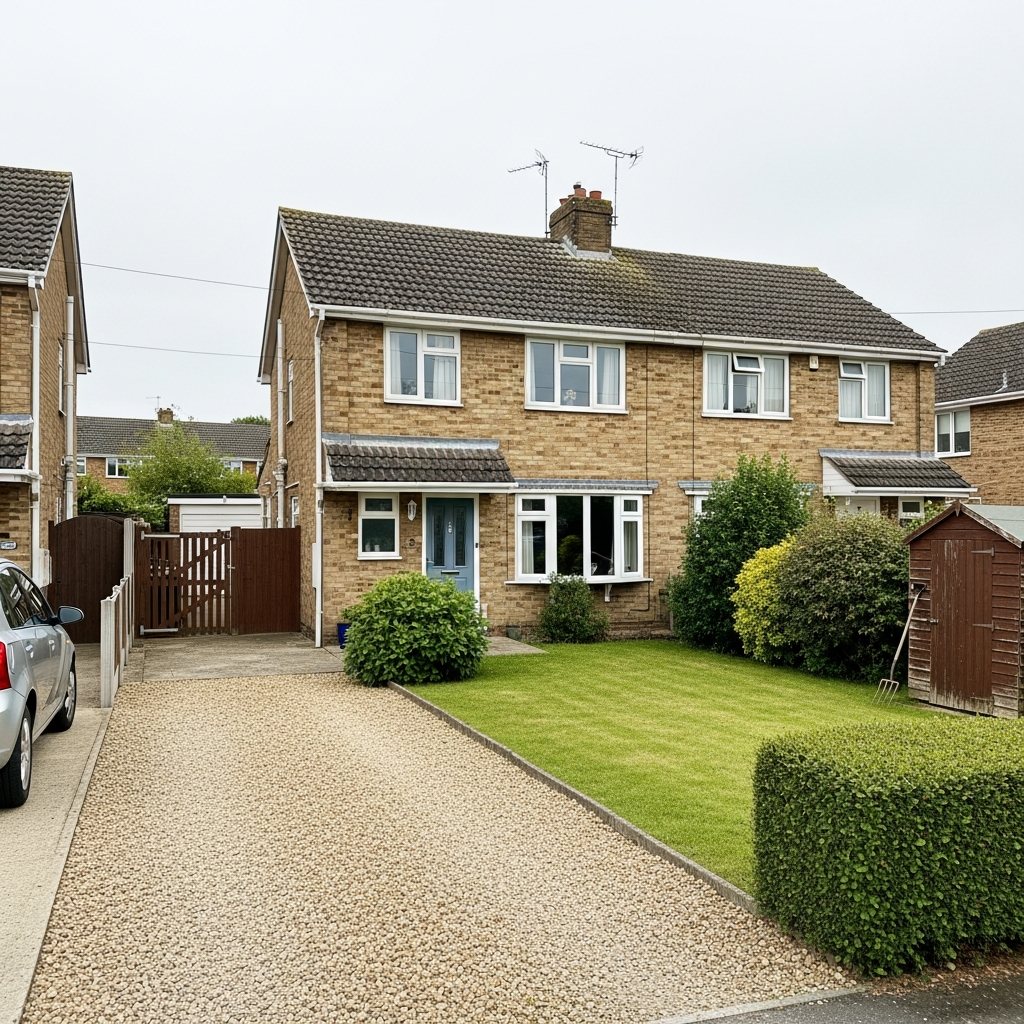
Preparing your home before a heat pump installation is one of the best investments you can make. The right preparation reduces the system size you need, minimises disruption, and ensures the best possible performance from day one. Your heat pump survey will identify specific actions for your property.
How ready is your home for a heat pump?
Check suitabilityQuick assessment based on your property type. Instant results.
Insulation: The Fabric-First Approach
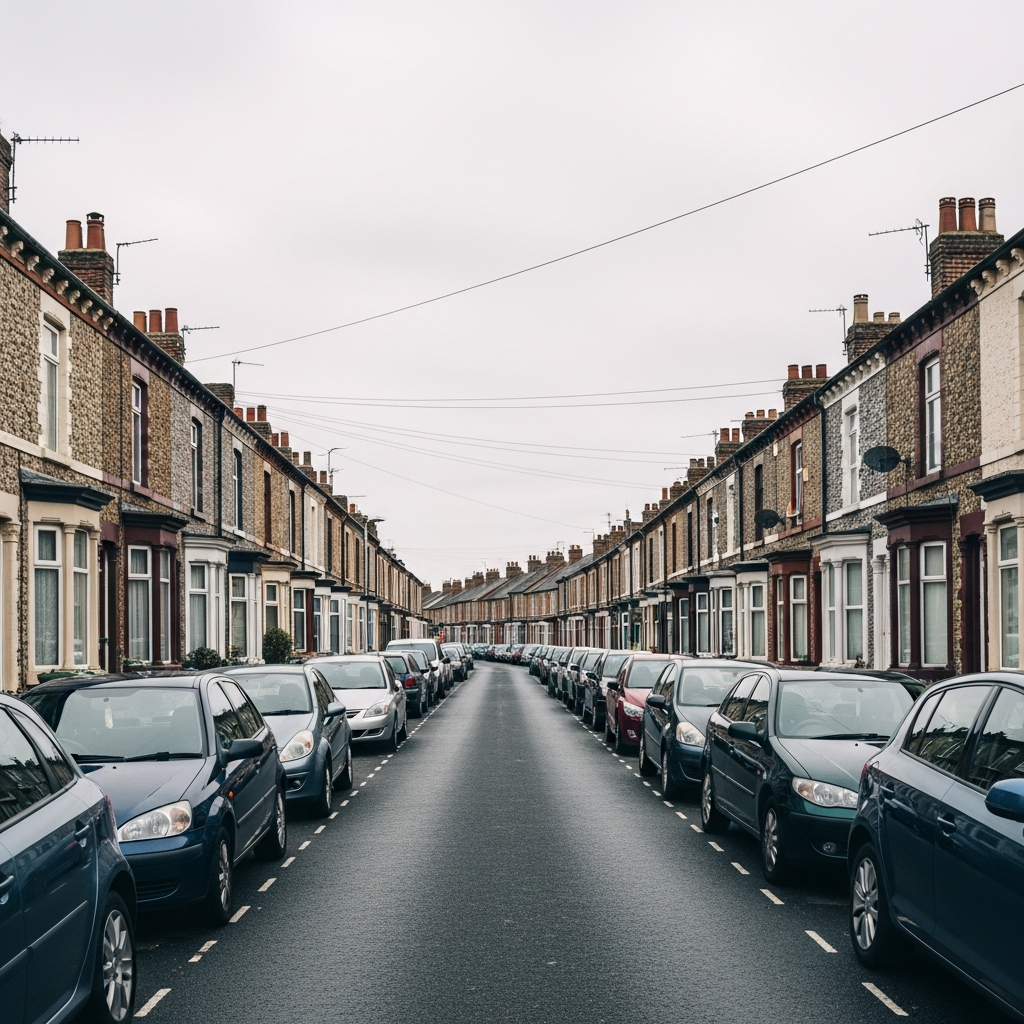
Reducing your home's heat loss before installation means a smaller, less expensive heat pump that runs more efficiently. Key insulation upgrades:
| Insulation Type | Typical Cost | Impact on Heat Loss |
|---|---|---|
| Loft insulation (to 270mm) | £300 – £600 | High — reduces roof losses by up to 80% |
| Cavity wall insulation | £400 – £800 | High — reduces wall losses by 50-65% |
| Draught-proofing | £100 – £300 | Moderate — reduces ventilation losses |
| Double glazing upgrade | £3,000 – £7,000 | Moderate — only cost-effective if existing windows are single-glazed |
Outdoor Space Preparation
Clear an area of at least 1m x 1m where the outdoor unit will sit. Ensure adequate clearance on all sides (300mm minimum) and check that the area is level. Your installer will advise on the exact location during the survey.
Radiator Check
Heat pumps run at lower flow temperatures than boilers, so some radiators may need upgrading. You do not need to do this yourself — your installer identifies which radiators need changing during the survey. But knowing this is likely helps you budget accurately.
Electrical Supply
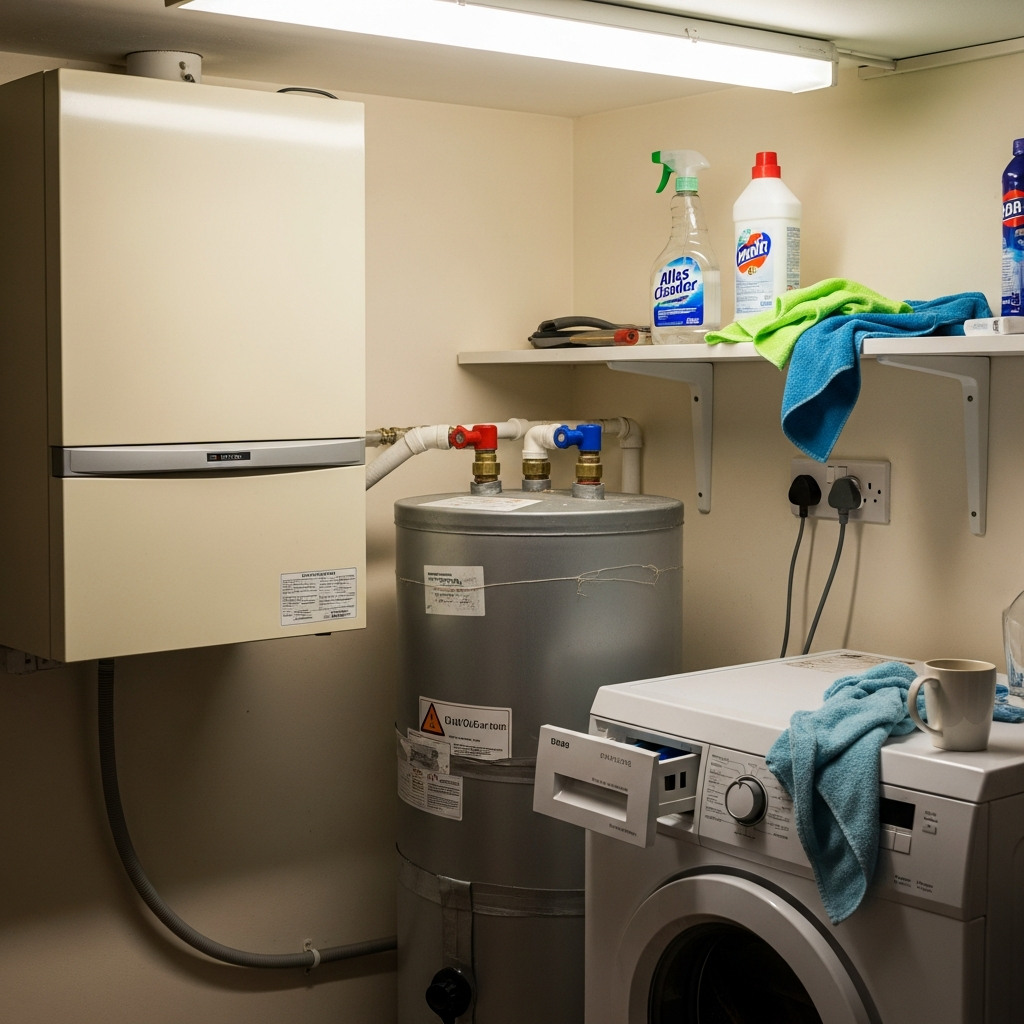
Check your main fuse rating. Older homes with 60A fuses may need a DNO supply upgrade that can take 2-8 weeks. Starting this process early prevents installation delays.
If you are also considering solar panels, the electrical assessment for both technologies can be combined to ensure your supply handles the total demand efficiently.
Hot Water Cylinder Space
If you have a combi boiler (no cylinder), you will need space for a 200-300 litre hot water cylinder. Common locations include the airing cupboard, utility room, or garage. Measuring available space before the survey helps the process.
Get accurate quotes that include all preparation work
Get free quotesMCS-certified installers. All-inclusive quotes. No obligation.
Pre-Installation Day Checklist
Ready to take the next step?
Calculate your costsSee total cost including the £7,500 BUS grant. Instant results.
Frequently Asked Questions
Do I need to insulate my home before getting a heat pump?
Not necessarily, but improving insulation reduces the heat pump size needed and improves running costs. Loft insulation to 270mm and cavity wall insulation are the most cost-effective improvements.
How much outdoor space do I need?
The outdoor unit needs roughly 1m x 1m of floor space with at least 300mm clearance on all sides. Most UK homes have adequate space.
Can I prepare anything myself before the installer arrives?
Yes. Clear the outdoor unit area, ensure access to the loft and consumer unit, clear space for the hot water cylinder, and remove items near the existing boiler.
Preparing your home for a heat pump is a crucial step that affects system sizing, costs, and performance. The fabric-first approach connects to installation planning, running costs, and grant eligibility. Homeowners preparing for both a heat pump and solar panels can optimise both installations simultaneously for maximum energy savings.