Boiler Upgrade Scheme (BUS) Grant Explained
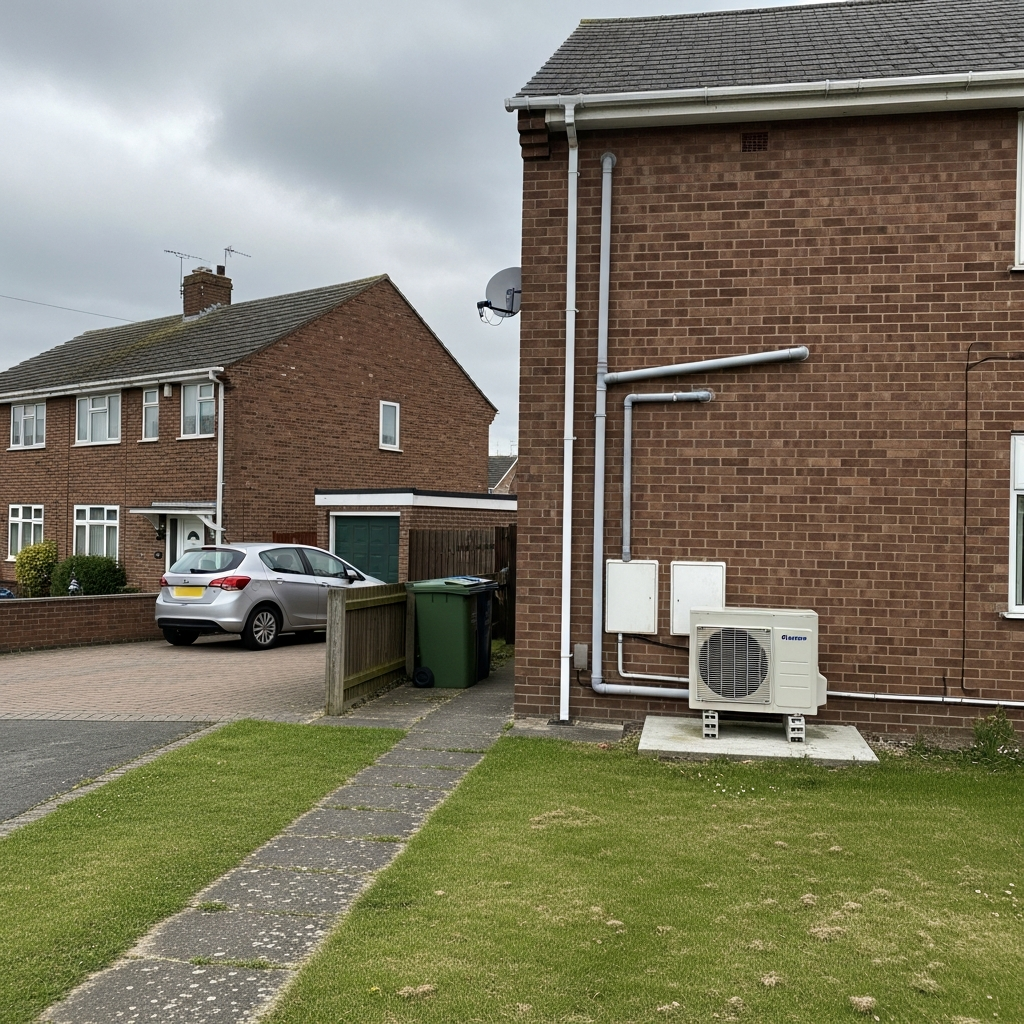
The Boiler Upgrade Scheme gives you £7,500 towards a heat pump — and your installer handles the entire application. That single fact makes it the simplest and most impactful energy grant available to UK homeowners in 2026. On a typical £12,000 installation, you pay just £4,500 out of pocket.
This guide explains everything: what the scheme covers, who qualifies, how the application process works, and what to expect at each stage. If you are considering a heat pump, the BUS grant is almost certainly the first funding source you should look at.
See what you would pay after the £7,500 grant
Use the Free CalculatorPersonalised estimate in 2 minutes. No contact details needed.
What Is the Boiler Upgrade Scheme?
The Boiler Upgrade Scheme is a government grant that reduces the upfront cost of installing a heat pump. It was launched in April 2022 by the Department for Energy Security and Net Zero (DESNZ) and is administered by Ofgem.
The scheme's purpose is straightforward: make heat pumps affordable enough that homeowners will switch away from gas and oil boilers. With the grant, the out-of-pocket cost of a heat pump installation is comparable to — or in some cases less than — a new gas boiler system.
Brief History of the BUS Grant
| Date | Change |
|---|---|
| April 2022 | Scheme launches — £5,000 for ASHP, £6,000 for GSHP |
| October 2023 | Grant increased to £7,500 for both ASHP and GSHP |
| 2025 | Budget allocation increased to support greater uptake |
| Current status | Extended to March 2028 |
How Much Is the BUS Grant Worth?
The grant is a flat amount, not a percentage. Whether your installation costs £9,000 or £15,000, you receive £7,500. This means the grant covers a larger proportion of smaller, simpler installations.
What Does This Mean in Practice?
For a typical three-bedroom semi-detached house, a heat pump installation costs around £10,000 to £13,000. After the BUS grant:
Compare this to a new gas boiler installation at £2,500 to £4,000. The gap is narrowing fast, and with lower running costs over the lifetime of the system, a heat pump often works out cheaper in the long run.
BUS Grant Eligibility: The Full Criteria
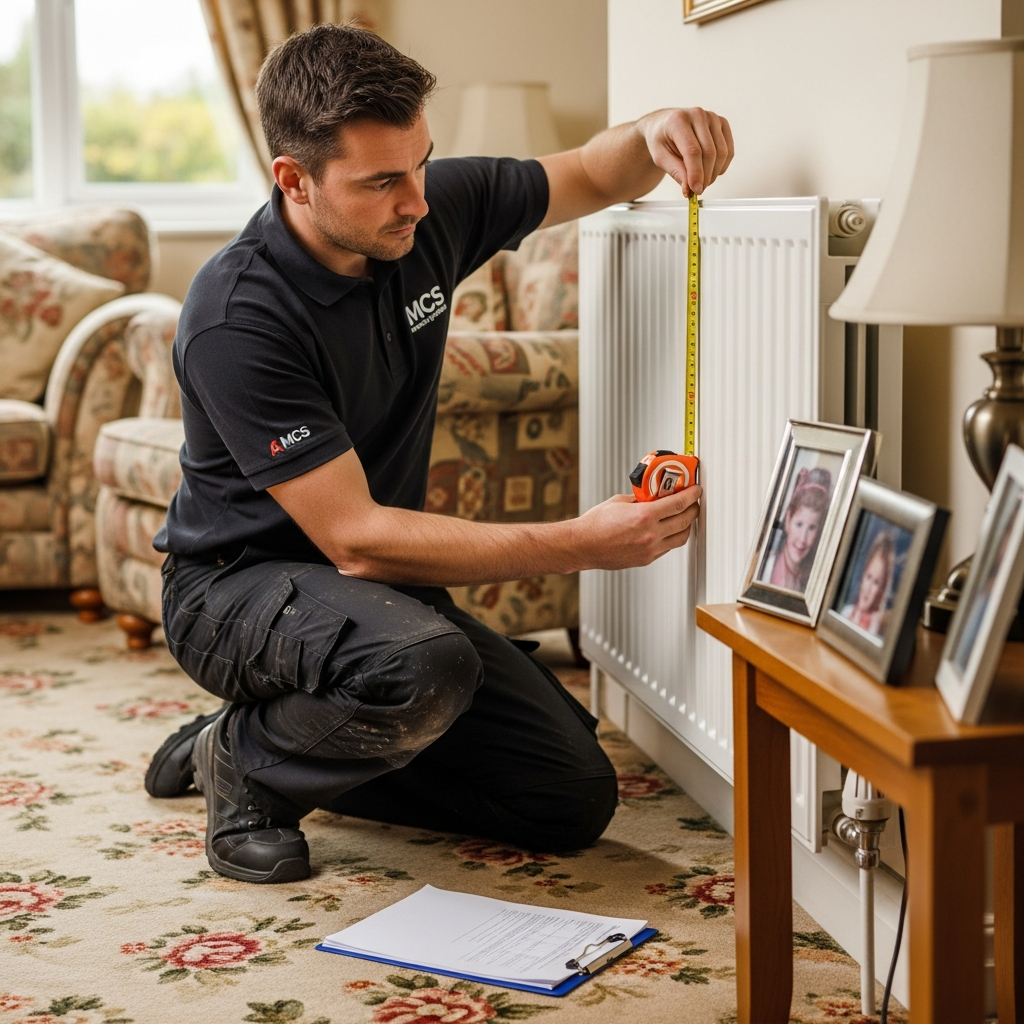
To qualify for the BUS grant, every one of the following must be true:
1. You Must Own the Property
The BUS grant is available to owner-occupiers and private landlords. Tenants cannot apply — only the property owner can. Social housing providers have access to separate funding through the Social Housing Decarbonisation Fund.
2. The Property Must Be in England or Wales
Scotland has its own scheme through Home Energy Scotland, and Northern Ireland has different arrangements. The BUS grant applies to England and Wales only.
3. You Need a Valid EPC
Your property must have a valid Energy Performance Certificate. If the EPC recommends loft insulation or cavity wall insulation, those measures must be completed before you can receive the grant — or you must demonstrate that they are not appropriate for your property.
This is the requirement that catches some people out. If your EPC is expired or you have never had one, you will need to get one done. An EPC assessment costs around £60 to £120 and is valid for 10 years.
4. You Must Be Replacing a Fossil Fuel System
The heat pump must replace an existing gas, oil, LPG, or electric storage heating system. The scheme is specifically designed to move homes away from fossil fuels. Homeowners with gas central heating are fully eligible.
5. The Property Must Not Be a New Build
New-build properties are expected to include low-carbon heating from the start and are not eligible for the BUS grant.
6. The Installer Must Be MCS-Certified
The heat pump must be installed by an MCS-certified installer. This is non-negotiable. MCS certification ensures the installer meets quality standards and is qualified to design and install heat pump systems correctly.
How the BUS Grant Application Works
One of the best things about the BUS grant is that you do not have to fill in complex paperwork yourself. Your installer handles the application. Here is how the process works:
Step 1: Get Quotes from MCS-Certified Installers
Start by getting quotes from MCS-certified heat pump installers. They will survey your property, design a system, and provide a quote that shows the BUS grant deducted from the total cost.
Step 2: Choose Your Installer and Confirm
Once you have chosen an installer, they will confirm the system specification and installation date. They will explain the grant process and what they need from you.
Step 3: Your Installer Applies to Ofgem
Your installer submits the BUS grant application through the Ofgem portal. They need to provide your property details, EPC information, and the proposed system specification. For a full walkthrough, see our step-by-step application guide.
Step 4: Ofgem Approves the Voucher
Ofgem reviews the application and, if everything is in order, issues a voucher. This typically takes two to four weeks. The voucher is valid for three months.
Step 5: Installation Takes Place
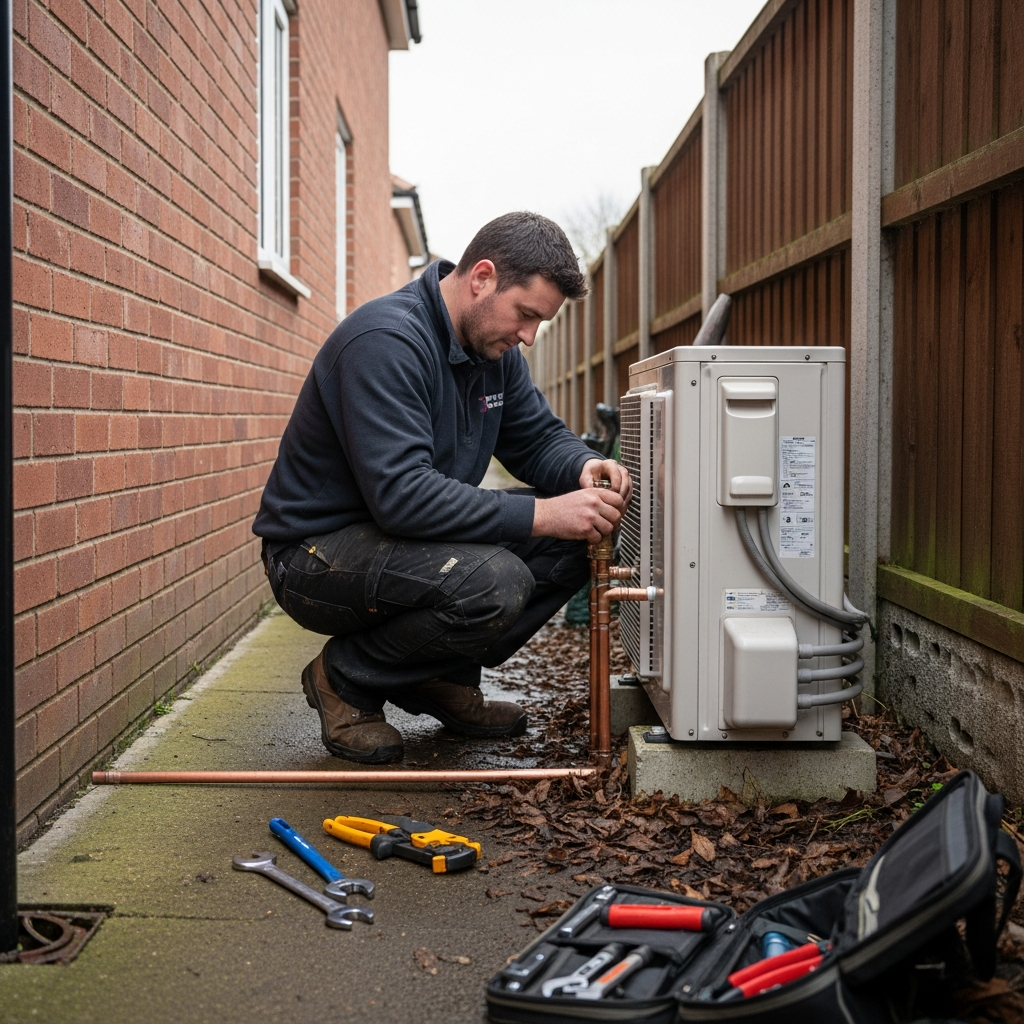
Your installer carries out the heat pump installation. This usually takes one to three days for an air source heat pump.
Step 6: Grant Is Paid to the Installer
After installation, the installer confirms completion through Ofgem. The grant is paid directly to the installer, who has already deducted it from your bill. You never handle the grant money yourself. For full details on how this works, see our guide on how the grant is deducted from your quote.
How Long Does the Process Take?
From your initial enquiry to having a working heat pump, expect the following timeline:
- Getting quotes and choosing an installer: 2 to 4 weeks
- Grant application and Ofgem approval: 2 to 4 weeks
- Waiting for installation date: 2 to 8 weeks (depending on installer availability)
- Installation itself: 1 to 3 days
Total: roughly 6 to 16 weeks from start to finish. Planning ahead is advisable — if you want your heat pump installed before winter, start the process in spring or summer.
Common Reasons BUS Applications Are Rejected
Most applications are approved without issue, but some common problems can cause delays or rejection:
- EPC recommendations not addressed: If your EPC recommends loft or cavity wall insulation and you have not done them, the application will be rejected
- Expired or missing EPC: You must have a valid, in-date EPC
- Property is a new build: Properties built after a certain date are not eligible
- Installer not MCS-certified: Only MCS-certified installers can apply
- No existing fossil fuel system: The grant requires you to be replacing an existing heating system
BUS Grant and Other Funding
The BUS grant can be combined with some other funding sources:
- Local authority top-up grants: Many councils offer additional funding on top of BUS
- Green home improvement loans: Some lenders offer specific products for heat pump installations
- Solar panel funding: You can claim the BUS grant and separately fund solar panels — the two complement each other brilliantly
However, you cannot combine the BUS grant with ECO4 funding for the same installation. If you qualify for ECO4 (which can cover the full cost), that may be a better option. See our complete UK grants overview for all available funding. For other finance routes, read our funding options beyond the BUS grant guide.
Is the BUS Grant Worth It?
In almost every case, yes. The £7,500 grant makes a significant dent in the installation cost. Combined with lower running costs and the fact that heat pumps last 20 to 25 years, most homeowners will save money over the long term compared to sticking with a gas boiler. Adding solar panels to your heat pump setup can cut electricity bills further still.
Use our heat pump calculator to see what your specific costs would look like after the grant. You can also read our detailed analysis of whether heat pumps are worth it for UK homeowners, or our honest assessment of the grant's value.
Ready to take advantage of the £7,500 BUS grant?
Get Free Quotes from MCS InstallersThey handle the entire application. Compare up to 3 local quotes free.
Frequently Asked Questions
How much is the BUS grant in 2026?
£7,500 for both air source and ground source heat pumps. Biomass boilers receive £5,000 (rural off-gas-grid properties only).
Do I apply for the BUS grant myself?
No. Your MCS-certified installer applies on your behalf through the Ofgem portal. The grant is paid directly to the installer and deducted from your bill.
How long does approval take?
Typically two to four weeks from when your installer submits the application.
Can landlords get the BUS grant?
Yes. Both owner-occupiers and private landlords are eligible.
Is the BUS grant available in Scotland?
No. Scotland has its own scheme through Home Energy Scotland, which offers up to £7,500 as a grant plus up to £7,500 as an interest-free loan.
What if my EPC recommends insulation?
You must either complete the recommended insulation measures or provide evidence that they are not appropriate for your property before the BUS grant can be approved.
Can I combine the BUS grant with ECO4?
No. You cannot receive both the BUS grant and ECO4 funding for the same heat pump installation.
How long is the BUS scheme running?
The scheme has been extended to March 2028. Apply sooner rather than later, as budgets are allocated annually.
About the Boiler Upgrade Scheme and UK Energy Policy
The Boiler Upgrade Scheme is part of the UK Government's Net Zero strategy, aiming to phase out fossil fuel heating in homes. Heat pumps — both air source and ground source — use renewable energy from the environment to heat homes efficiently. The BUS grant, administered by Ofgem, has funded tens of thousands of installations since 2022. Combined with falling installation costs, improved technology, and smart energy tariffs, heat pumps are becoming the default choice for UK homeowners replacing ageing boilers. Pairing a heat pump with solar panels creates a fully renewable home heating system that can dramatically reduce both bills and carbon emissions.