Home Heat Pump Guide

Can You Get a Heat Pump Grant If You Have Gas Central Heating?
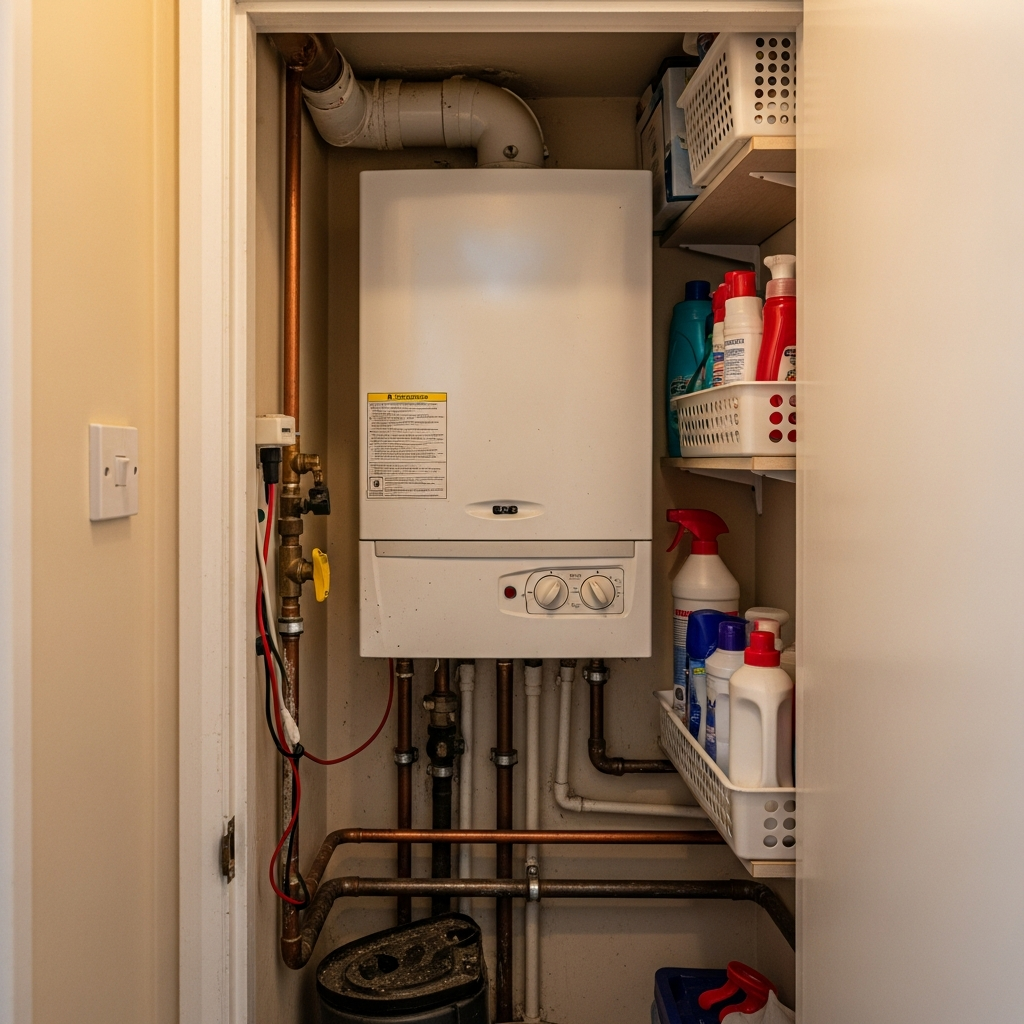
This is one of the most common questions we hear: "I already have a gas boiler and central heating — can I still get a grant to switch to a heat pump?" The answer is a clear yes. In fact, switching from gas central heating to a heat pump is exactly what the Boiler Upgrade Scheme is designed to support.

The £7,500 BUS grant specifically covers the replacement of fossil fuel heating systems — and gas is the most common fossil fuel heating system in UK homes. This guide explains how the grant works for gas-to-heat-pump switches, what happens to your existing gas system, and whether the switch makes financial sense.

Yes, the BUS Grant Covers Gas-to-Heat-Pump Switches

The Boiler Upgrade Scheme was created to help homeowners move away from fossil fuel heating. The eligible fossil fuel systems that can be replaced include:

  • Gas central heating — by far the most common
  • Oil central heating
  • LPG (liquefied petroleum gas) heating
  • Electric storage heaters (added as an eligible system)
  • Coal heating

Since around 85% of UK homes have gas central heating, the majority of BUS grant applications are for gas-to-heat-pump switches. You do not need to wait for your gas boiler to break down — you can apply for the grant at any time, regardless of how old or new your current boiler is.

How It Works in Practice

Here is the step-by-step process for switching from gas central heating to a heat pump with the BUS grant:

Step 1: Get a Valid EPC

You need a valid Energy Performance Certificate for your property. If your EPC recommends loft or cavity wall insulation and these have not been done, you will need to address those recommendations first. See our guide on EPC requirements for the heat pump grant.

Step 2: Get Quotes from MCS-Certified Installers

Get quotes from at least three MCS-certified installers. They will survey your home and recommend the right size and type of heat pump. The installer handles the BUS grant application, so you do not need to apply separately.

Step 3: The Installer Applies for the Grant

Once you accept a quote, your chosen installer submits the BUS grant application through the Ofgem portal. This typically takes two to four weeks for approval. See our BUS grant timeline guide for details.

Step 4: Installation

The heat pump is installed, your gas boiler is decommissioned, and the new system is commissioned and tested. Installation typically takes two to five days depending on the complexity of the job.

Step 5: Payment

The £7,500 grant is paid directly to the installer by Ofgem. You only pay the difference between the total installation cost and the grant. For example, if the installation costs £12,000, you pay £4,500.

What Happens to Your Gas Boiler?

When a heat pump is installed under the BUS grant, your existing gas boiler must be decommissioned. The grant requires that the fossil fuel system is replaced, not supplemented. Here is what happens:

  • The gas boiler is removed or permanently decommissioned
  • You do not need to cap your gas supply if you still use gas for cooking or a gas fire. The requirement is specifically about the heating system
  • Your existing radiators may stay. In many cases, your current radiators work perfectly well with a heat pump, especially if your home is well insulated. Some radiators may need upgrading to larger models. See our guide on whether you need new radiators
  • Your existing pipework is usually reused. Standard 15mm and 22mm copper pipework works fine with heat pumps

Can I Keep My Gas Boiler as a Backup?

No, not under the BUS grant. The scheme requires that the fossil fuel system is replaced, which means the gas boiler must be decommissioned. Some homeowners worry about this, but modern heat pumps are designed to work in all weather conditions, including the coldest UK winters. They do not need a gas backup.

If you want the security of backup heating, you can install an electric immersion heater in your hot water cylinder as an emergency backup — this is standard practice and does not affect your grant eligibility.

Does the Switch Make Financial Sense?

This is the key question for most homeowners with gas central heating. The financial case depends on several factors:

Running Cost Comparison

A heat pump is approximately three to four times more efficient than a gas boiler. However, electricity currently costs more per unit than gas in the UK. Here is a typical comparison for a medium-sized home:

  • Gas boiler annual heating cost: £900 to £1,200
  • Heat pump annual heating cost: £700 to £1,000
  • Typical annual saving: £100 to £300

The savings are modest when replacing gas, but they are expected to increase as electricity prices fall relative to gas (which is the direction of government policy). For detailed figures, see our running costs guide.

The Real Financial Picture

The running cost savings alone may seem small, but consider the full picture:

  • Upfront cost after grant: £1,500 to £7,500 (depending on system size and installation complexity)
  • No gas standing charge: If you stop using gas entirely, you save the gas standing charge of approximately £100 to £120 per year
  • Maintenance savings: Heat pumps require less maintenance than gas boilers and have no annual gas safety certificate requirement
  • Property value: A heat pump improves your EPC rating, which can add value to your home
  • Boiler replacement avoided: If your gas boiler is nearing end of life, you would need to spend £2,000 to £4,000 on a replacement anyway
  • Future energy prices: Government policy is shifting costs onto gas and away from electricity, which will improve the heat pump business case over time

Use our heat pump calculator for a personalised financial comparison based on your property and current energy use.

When the Switch Makes the Most Sense

Switching from gas to a heat pump makes particularly good financial sense in these situations:

  • Your gas boiler is old or failing. If you need a new boiler anyway, the additional cost of a heat pump (after the grant) is relatively small compared to a new boiler
  • Your home is well insulated. Heat pumps work most efficiently in well-insulated homes. If your home already has good insulation, you will see lower running costs
  • You are planning to add solar panels. Combining a heat pump with solar panels can dramatically reduce your electricity costs
  • You want to reduce your carbon footprint. A heat pump produces roughly three times less CO2 than a gas boiler, even using grid electricity
  • You plan to stay in your home long-term. The financial benefits compound over time as energy prices shift in favour of electricity

When You Might Wait

There are situations where switching from gas to a heat pump might not be the best immediate option:

  • Your home has very poor insulation and you cannot afford to improve it first. A heat pump in a poorly insulated home will work harder and cost more to run
  • Your gas boiler is brand new. If you have just installed a new gas boiler, it may make more financial sense to wait a few years — though the BUS grant is confirmed until March 2028
  • You cannot accommodate the outdoor unit. If there is genuinely no suitable location for the outdoor unit, a heat pump may not be practical

For a thorough assessment of whether a heat pump suits your home, try our suitability checker.

Common Concerns About Leaving Gas

Will my home be warm enough?

Yes. A properly sized heat pump heats your home to the same temperatures as a gas boiler. The key difference is that heat pumps work best when running for longer at lower flow temperatures, rather than producing short bursts of very hot water like a gas boiler. This actually produces a more even, comfortable warmth throughout your home. Read our heat pump vs gas boiler comparison for more detail.

What about hot water?

Heat pumps produce hot water stored in a cylinder, much like a traditional system boiler. You will have plenty of hot water, though it may take slightly longer to reheat the cylinder than with a gas combi boiler. Most homeowners find this makes no practical difference to their daily routine.

Will it work in cold weather?

Modern air source heat pumps work efficiently down to -15°C to -25°C, depending on the model. UK temperatures rarely drop below -10°C even in the coldest regions. Your heat pump will keep your home warm through any UK winter.

Eligibility Checklist for Gas-to-Heat-Pump Grant

To confirm you qualify for the BUS grant when switching from gas central heating, check each of these:

  • You own the property (owner-occupier or landlord)
  • The property is in England or Wales
  • You have a valid EPC with no outstanding loft or cavity wall insulation recommendations
  • You are replacing an existing gas central heating system
  • The property is not a new build
  • You will use an MCS-certified installer
  • You have not previously received a BUS grant for this property

If you meet all these criteria, you qualify for the £7,500 grant. Your installer will handle the application process.

Frequently Asked Questions

Can I get the BUS grant if I have a working gas boiler?

Yes. Your gas boiler does not need to be old, broken, or inefficient. The grant is available regardless of the age or condition of your existing gas heating system.

Do I have to disconnect my gas supply?

No. You only need to decommission the gas boiler. If you use gas for cooking or a gas fire, you can keep your gas supply connected. You will still save the gas you previously used for heating, which is typically 80% to 90% of your gas bill.

Is it worth switching from a new gas boiler to a heat pump?

Financially, it makes more sense to switch when your boiler is older. However, the £7,500 grant significantly reduces the additional cost. If reducing your carbon footprint is important to you, the switch is worthwhile at any time. The BUS grant runs until March 2028.

Will my energy bills go up or down?

For most homes switching from gas, energy bills should be similar or slightly lower. If you stop using gas entirely, you save the gas standing charge (roughly £100-£120 per year). If you add solar panels, bills can drop significantly. See our running costs guide.

Can I keep some gas radiators and add a heat pump?

The heat pump replaces the gas boiler as the heat source, but you keep your existing radiators. They are simply heated by the heat pump instead of the gas boiler. Some may need upgrading to larger models, but most existing radiators work well with heat pumps.

What if my gas boiler breaks down while waiting for the heat pump?

If your boiler fails before the heat pump is installed, discuss options with your installer. A temporary repair to the boiler can bridge the gap. Do not install a new gas boiler, as this would reset the clock and you would be replacing a newer system.

Ready to make the switch? Get free quotes from MCS-certified installers in your area. They will survey your home, recommend the right system, and handle the BUS grant application. You can also check if heat pumps are worth it for your specific situation or use our calculator for a personalised cost estimate.