How the Heat Pump Grant Is Deducted from Your Quote
One of the most common questions homeowners ask about the Boiler Upgrade Scheme is not whether they qualify or how much it is worth — it is how the money actually works. Do you pay the full amount and get reimbursed? Does the installer discount the price upfront? Who applies, who receives the money, and when?
This guide explains the entire BUS grant deduction process from start to finish, so you know exactly what to expect at every stage.
The Short Answer
The £7,500 BUS grant is deducted directly from your installation invoice. You never handle the money. Your MCS-certified installer applies to Ofgem on your behalf, receives the grant directly from Ofgem after the installation is complete, and reduces your bill by the grant amount. You only pay the balance.
For example, if your installation costs £11,000, you pay £3,500. The remaining £7,500 goes from Ofgem to your installer.
The Full Process: Step by Step
Step 1: Getting Quotes
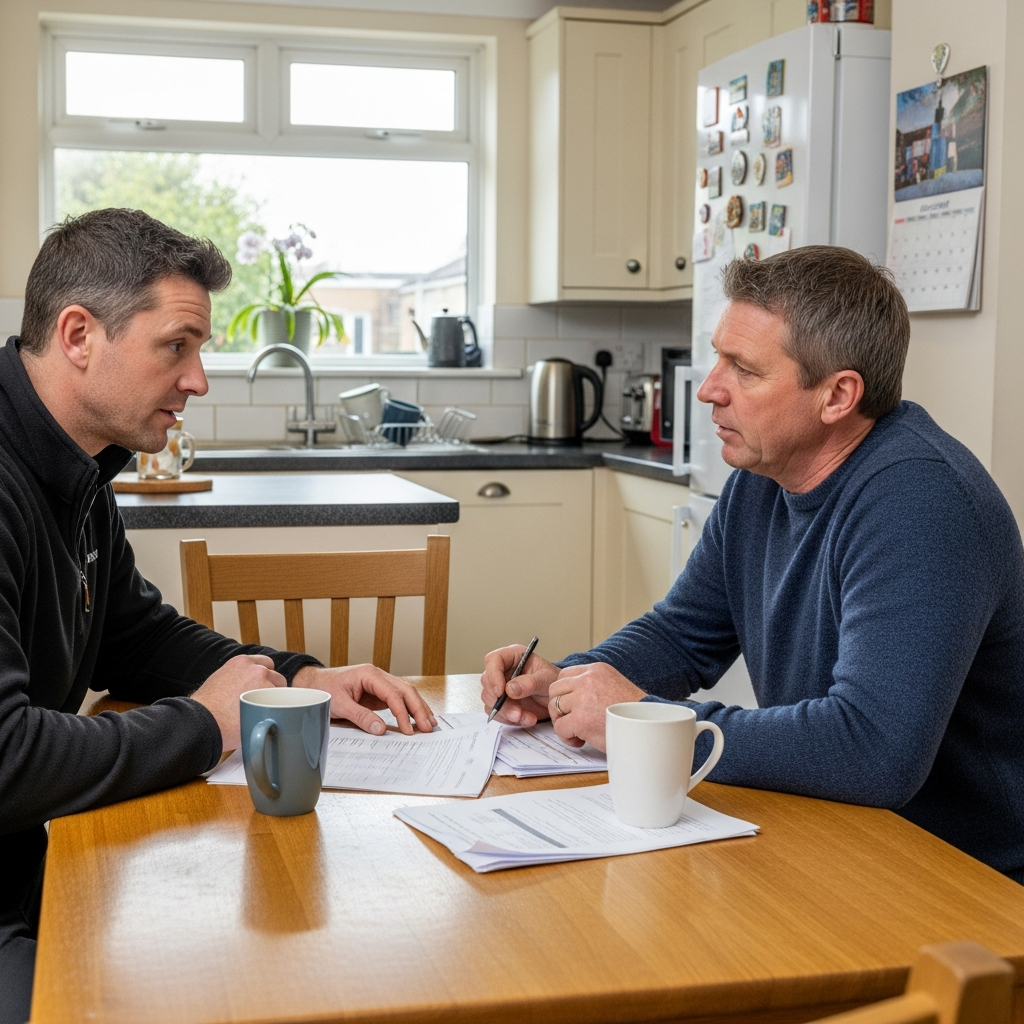
Before anything happens with the grant, you need installation quotes. We recommend getting at least three quotes from MCS-certified installers. Each quote should clearly show:
- The total installation cost (including equipment, labour, cylinder, controls, and any ancillary work)
- The BUS grant amount (£7,500)
- The net amount you will pay
- Confirmation of 0% VAT
A properly presented quote will look something like this:
- Heat pump unit: £4,500
- Hot water cylinder: £1,200
- Controls and accessories: £800
- Installation labour: £3,500
- Pipework and fittings: £1,000
- Total before grant: £11,000
- BUS grant: -£7,500
- Amount payable by customer: £3,500
- VAT at 0%: £0
If a quote does not mention the BUS grant, ask. Any MCS-certified installer should be familiar with the scheme and able to apply on your behalf.
Step 2: Choosing Your Installer
Once you have compared quotes, choose your installer. The installer must be MCS certified — this is a non-negotiable requirement for the BUS grant. MCS (Microgeneration Certification Scheme) certification ensures the installer meets quality standards for renewable energy installations.
You can verify an installer's MCS certification at the official MCS database. If an installer is not MCS certified, the grant application will be rejected. Use our installation guide for tips on choosing the right installer.
Step 3: The Installer Applies to Ofgem
This is the critical step — and it happens before your installation begins. Your installer submits an application to Ofgem through the BUS online portal. The application includes:
- Your property details and address
- Confirmation that you own the property
- Your EPC reference number
- The proposed heat pump make, model, and capacity
- The quoted installation cost
- The installer's MCS certification number
You will need to provide your installer with some of this information, but the actual submission is their responsibility. Many installers gather everything they need during the survey visit.
Step 4: You Provide Consent
After the installer submits the application, Ofgem contacts you (the homeowner) to confirm your consent. This is typically done via email. You will receive a link to a consent form where you confirm:
- You are the property owner
- You consent to the installation
- You understand the grant terms
- The property details are correct
This step is essential. If you do not complete the consent process, the application cannot proceed. Check your email (including spam folders) after your installer tells you they have submitted the application.
Step 5: Ofgem Reviews and Approves
Ofgem reviews the application against the scheme criteria. They check:
- The property has a valid EPC
- There are no outstanding loft or cavity wall insulation recommendations on the EPC
- The property is replacing an existing fossil fuel or electric heating system
- The installer is MCS certified
- The proposed heat pump meets scheme requirements
- No previous BUS grant has been claimed for this property
This review typically takes two to three weeks. If everything is in order, Ofgem issues a voucher confirming the grant has been approved. If there are issues, Ofgem contacts the installer to resolve them.
Step 6: Installation Takes Place
Once the grant is approved, your installer schedules the installation. Most air source heat pump installations take two to four days. During this time, the installer will:
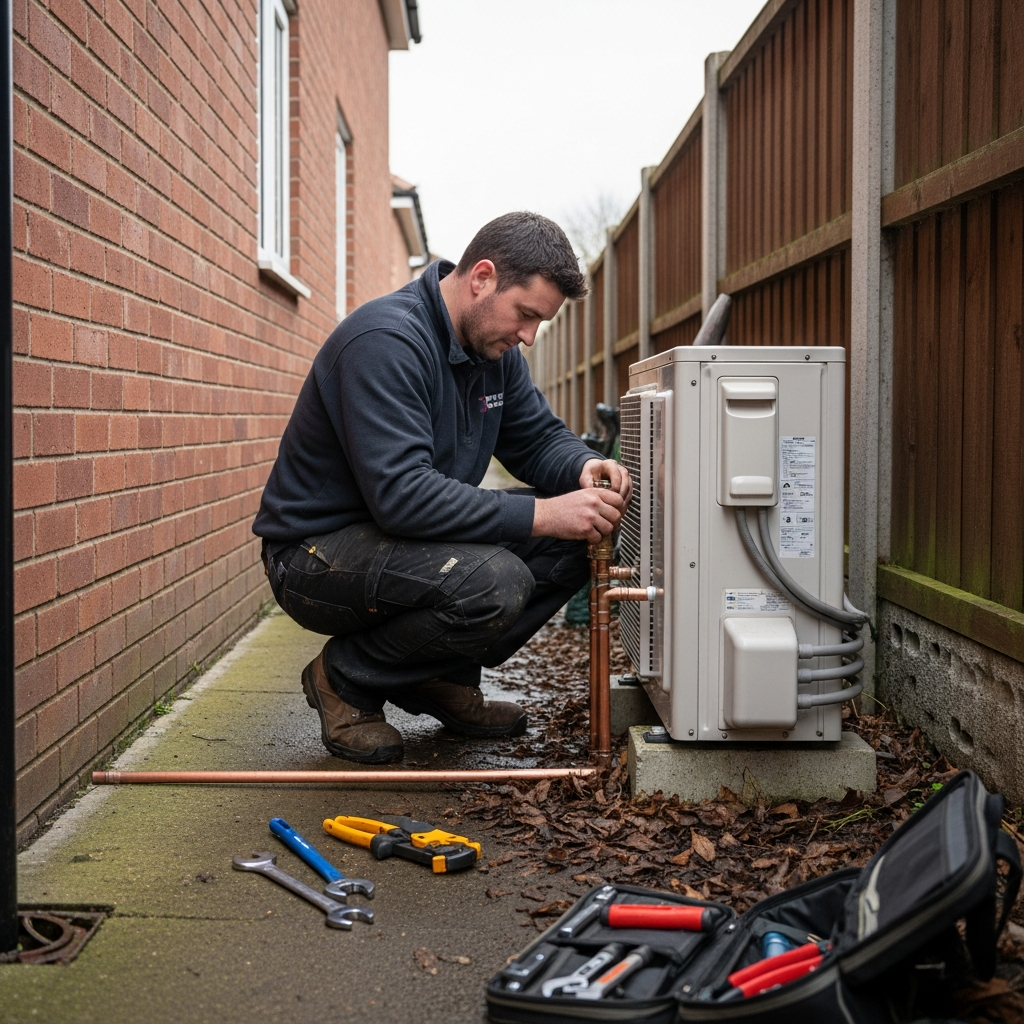
- Install the outdoor heat pump unit on a concrete base
- Install the hot water cylinder (if not already in place)
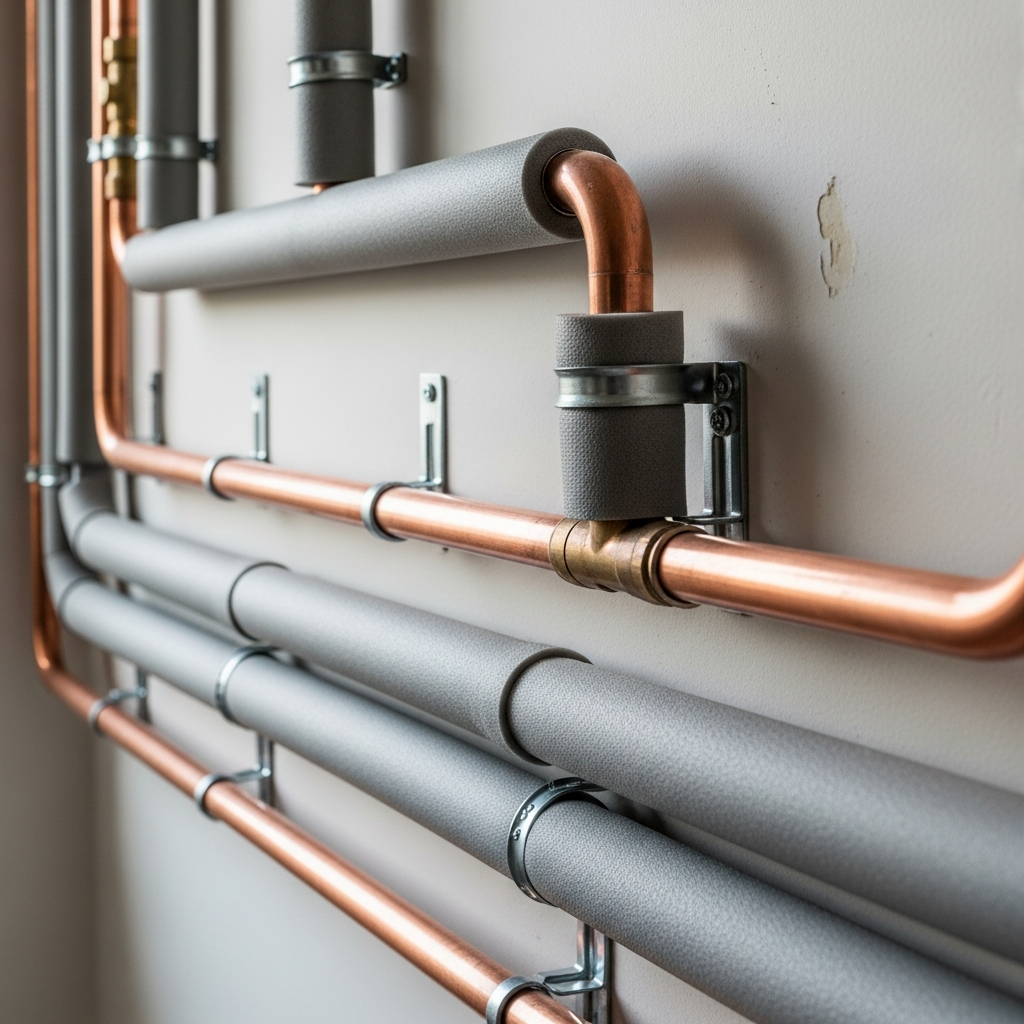
- Connect pipework between the outdoor unit and your heating system
- Install and configure controls
- Commission the system and ensure it is working correctly
- Provide you with a handover explaining how to use the system
Some installers require a deposit before beginning work. This is normal and is separate from the grant — you will still receive the full £7,500 deduction on your final bill.
Step 7: Installer Submits Completion
After installation, your installer submits a completion notification to Ofgem confirming the work is done. This includes the MCS installation certificate and confirmation that the system meets the scheme's technical requirements.
Step 8: You Pay the Balance
Your final invoice shows the total cost minus the £7,500 grant. You pay only the balance. This is the money that comes out of your pocket — nothing more.
Step 9: Ofgem Pays the Installer
After receiving the completion notification, Ofgem pays the £7,500 directly to the installer. This typically happens within a few weeks of completion. Importantly, this payment goes to the installer, not to you — you have already received the benefit through the reduced invoice.
Common Questions About the Payment Process
Do I Need to Pay the Full Amount First?
No. You never pay the £7,500 and then wait for reimbursement. The standard process is that you pay only the balance (total cost minus £7,500). The installer waits for Ofgem to pay them the remaining £7,500.
However, some installers may structure payments differently — for example, requesting staged payments during the installation. If your installer asks you to pay more than the balance amount, ask them to explain why. In the standard BUS process, you should never pay the full cost yourself.
What If the Grant Is Rejected?
If Ofgem rejects the application, your installer should inform you immediately. Common reasons for rejection include:
- Outstanding insulation recommendations on your EPC
- The property already received a BUS grant
- Missing or incorrect information on the application
- The proposed system does not meet scheme criteria
Most issues can be resolved and the application resubmitted. If the rejection is due to EPC insulation recommendations, you will need to either install the recommended insulation or get a new EPC assessment.
Can the Installer Inflate the Price to Cover the Grant?
This is a concern some homeowners have, and it is worth addressing directly. MCS-certified installers are audited and must provide fair, transparent pricing. The BUS scheme also requires Ofgem to review costs. While prices do vary between installers (which is why getting multiple quotes is essential), systematic price inflation to absorb the grant would be a breach of MCS standards.
Getting three or more quotes protects you against overpricing. If one quote is significantly higher than others, it is likely either a different specification or an inflated price — either way, it gives you leverage to negotiate or choose a better-value installer.
Payment Timeline: What to Expect
Here is a typical timeline from first contact to paying your final bill:
- Week 1-2: Request and receive quotes
- Week 3: Choose installer, sign agreement
- Week 3-4: Installer submits BUS application to Ofgem
- Week 4: You complete Ofgem consent form
- Week 5-7: Ofgem reviews and approves application
- Week 7-10: Installation takes place
- Week 10-11: Final invoice issued, you pay the balance
- Week 12-16: Ofgem pays installer the £7,500
The total process from first enquiry to a working heat pump is typically eight to twelve weeks. Use our calculator to start estimating costs, or request quotes to begin the process.
Tips for a Smooth Grant Process
- Check your EPC first: Use our suitability checker to identify any potential issues before you engage installers
- Respond to Ofgem promptly: When the consent email arrives, complete it immediately. Delays at this stage hold up the entire process.
- Keep records: Save all emails from Ofgem, your installer's quotes, and the final invoice. You should not need them, but having a complete paper trail protects you.
- Confirm MCS certification: Before signing anything, verify your installer's MCS certification is current
- Understand deposit terms: If a deposit is requested, clarify what happens to it if the grant is rejected or the installation is cancelled
Frequently Asked Questions
Who actually receives the £7,500?
Your installer receives the £7,500 directly from Ofgem. You never handle this money. It is deducted from your invoice so you only pay the balance.
Do I need to apply for the grant myself?
No. Your MCS-certified installer submits the application on your behalf. You will need to complete a consent form sent by Ofgem, but the main application is handled by the installer.
What if my installation costs exactly £7,500 or less?
This is extremely rare for a full heat pump installation. If it did occur, the grant would be capped at the actual cost — you cannot receive more than the installation price, and the grant cannot result in you being paid.
Can the grant be paid to me instead of the installer?
No. The BUS grant is always paid to the MCS-certified installer. This is by design — it simplifies the process and ensures the money goes directly towards the installation cost.
What happens if my installer goes bust before Ofgem pays them?
If your installation is complete and you have paid your balance, you are not affected. The installer's relationship with Ofgem for the grant payment is separate from your completed transaction. Your heat pump is installed, your MCS certificate is valid, and your warranty remains in place.
Can I use the grant with any installer?
Only MCS-certified installers can apply for the BUS grant. Non-certified installers cannot access the scheme. Always verify certification before proceeding.