Home Heat Pump Guide

EPC Requirements for Heat Pump Grant: What You Need to Know

One of the most misunderstood aspects of the Boiler Upgrade Scheme is the EPC requirement. Many homeowners believe they need a certain EPC rating to qualify for the £7,500 heat pump grant. This is not true — there is no minimum EPC rating required. But you do need a valid EPC, and there are specific rules about insulation recommendations that you must understand.

This guide clarifies exactly what the EPC requirements are for the BUS grant, explains how to handle insulation recommendations, and walks you through getting your EPC sorted so your grant application goes smoothly.

What Is an EPC?

An Energy Performance Certificate rates the energy efficiency of a property on a scale from A (most efficient) to G (least efficient). Every property in the UK that is sold or rented must have a valid EPC. The certificate includes:

  • Current energy efficiency rating: A letter grade (A to G) and a numerical score (1 to 100)
  • Potential rating: What the property could achieve with improvements
  • Estimated energy costs: Annual costs for heating, hot water, and lighting
  • Recommendations: Suggested improvements to increase the rating, including insulation, heating upgrades, and renewable energy
  • Environmental impact rating: The property's CO2 emissions on a similar A to G scale

EPCs are valid for 10 years from the date of issue.

The BUS Grant EPC Rules: What Is Actually Required

Here are the precise EPC requirements for the BUS grant:

1. You Must Have a Valid EPC

Your property must have a valid EPC that is less than 10 years old. If you do not have one, or if yours has expired, you will need to arrange a new assessment before your installer can apply for the grant.

2. There Is No Minimum Rating

This is the most important point to understand: you do not need a specific EPC rating to qualify for the BUS grant. Whether your home is rated A or G, you can apply. A low EPC rating does not disqualify you.

This is a common misconception. Many homeowners with older, less efficient properties assume they need to improve their EPC before they can get a heat pump grant. While improving your home's efficiency is always a good idea (and will make your heat pump work better), it is not a requirement for grant eligibility.

3. Insulation Recommendations Must Be Addressed

This is where the EPC requirements become relevant. The BUS grant rules state that if your EPC recommends loft insulation or cavity wall insulation, you must either:

  • Have these measures already installed, or
  • Install them before the heat pump grant application is submitted, or
  • Demonstrate that they are not applicable to your property (for example, if your walls are solid rather than cavity, cavity wall insulation does not apply)

Only loft and cavity wall insulation recommendations need to be addressed. Other recommendations on the EPC (such as floor insulation, double glazing, or solar panels) do not need to be completed before applying for the grant.

Understanding the Insulation Requirement

The insulation requirement catches some homeowners off guard, so let us look at it in more detail.

Loft Insulation

If your EPC recommends loft insulation, you will need at least 270mm of insulation in your loft before applying for the BUS grant. This is a relatively inexpensive improvement:

  • Cost: £300 to £1,000 for a typical home (DIY can be cheaper)
  • Time to install: Half a day to one day
  • Availability: Widely available through insulation contractors, or you can do it yourself
  • Alternative: If you already have some loft insulation but less than 270mm, topping it up is straightforward and cheap

If your property does not have a loft (for example, a flat), this requirement does not apply.

Cavity Wall Insulation

If your EPC recommends cavity wall insulation, you will need to have this installed before applying for the grant:

  • Cost: £800 to £2,500 depending on property size
  • Time to install: Usually one day
  • How it works: Small holes are drilled in the external walls, insulation is injected, and the holes are filled. It is a minimally disruptive process

When the Recommendations Do Not Apply

Importantly, these recommendations only need to be addressed if your EPC specifically lists them. If your EPC does not recommend loft or cavity wall insulation, you are clear to proceed. Common scenarios where these recommendations do not appear:

  • Solid walls: Properties with solid walls (typically pre-1920s construction) will not have cavity wall insulation on their EPC because they have no cavity to fill
  • Already insulated: If your loft and walls are already adequately insulated, the EPC will not recommend further insulation
  • Flats: Upper-floor flats typically do not have loft insulation recommendations
  • Listed buildings: Some listed buildings cannot have certain insulation types, and this may be noted on the EPC

How to Get an EPC

If you do not have a valid EPC, here is how to arrange one:

Step 1: Find an Accredited Energy Assessor

You can find accredited domestic energy assessors through the EPC register website or by searching online for "domestic energy assessor" in your area. Your heat pump installer may also be able to recommend one.

Step 2: Book the Assessment

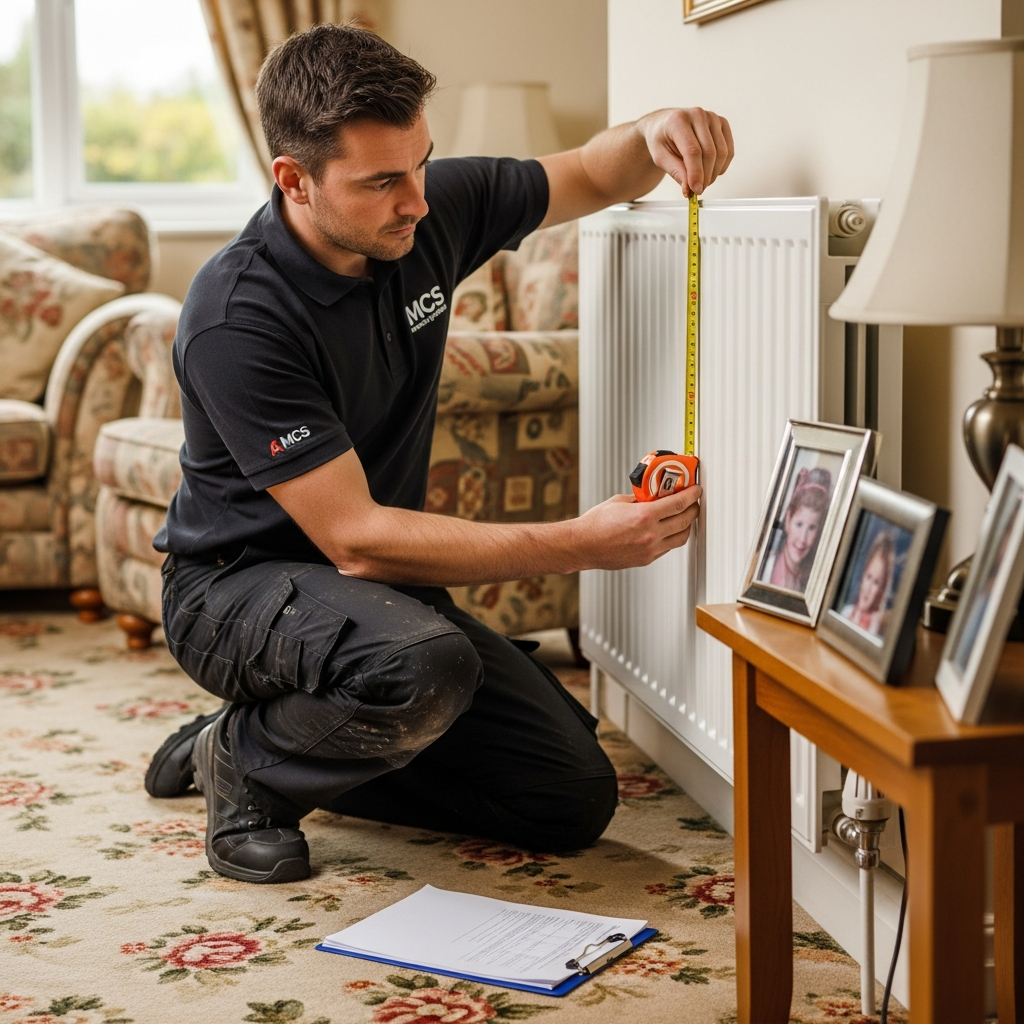
The assessor will visit your property and carry out a survey. This typically takes 30 to 60 minutes. They will inspect:

  • Wall construction and insulation
  • Loft insulation depth
  • Window type (single, double, or triple glazed)
  • Heating system type and age
  • Hot water system
  • Lighting
  • Any renewable energy systems

Step 3: Receive Your Certificate

The assessor uploads the results to the national EPC register. You will typically receive your certificate within one to three days. It is then valid for 10 years.

Cost

An EPC assessment typically costs £60 to £120, depending on your location and the size of the property.

What If Your EPC Is Wrong?

EPC assessments are not always perfectly accurate. If you believe your EPC incorrectly recommends loft or cavity wall insulation (for example, if you have already had insulation installed but the assessor did not check properly), you have options:

  • Get a new EPC. If you have had insulation work done since your last EPC, arrange a new assessment that reflects the current state of your property
  • Provide evidence to your installer. If you have receipts or certificates for insulation work, your installer may be able to include this evidence with the BUS grant application
  • Challenge the EPC. You can lodge a complaint with the assessor's accreditation scheme if you believe the assessment was inaccurate

How the EPC Changes After a Heat Pump

Installing a heat pump will improve your EPC rating. This is because the EPC methodology rewards low-carbon heating systems. Typically, a heat pump installation improves your EPC by one to two letter grades.

For example:

  • A home rated D with a gas boiler might improve to C or B after a heat pump installation
  • A home rated E with an oil boiler might improve to C after a heat pump plus insulation improvements

This improved EPC can add value to your property when you come to sell. Homes with higher EPC ratings are increasingly favoured by buyers and can command higher prices.

EPC Requirements for Other Grant Schemes

Different grant schemes have different EPC requirements. Here is how they compare:

BUS Grant

  • Valid EPC required
  • No minimum rating
  • Loft and cavity wall insulation recommendations must be addressed

ECO4

  • Property must have an EPC rating of D, E, F, or G
  • The lower the rating, the more likely you are to receive funding
  • The scheme aims to bring properties up to at least band C

Home Upgrade Grant (HUG)

  • Property must be off the gas grid
  • EPC rating of D, E, F, or G is typically required
  • Delivered through local authorities

Home Energy Scotland

  • A home energy assessment is carried out by HES (separate from the EPC)
  • No minimum EPC rating for the grant
  • Insulation may need to be addressed as part of the overall package

Tips for a Smooth EPC Process

  1. Check if you already have a valid EPC. Search the EPC register at epcregister.com using your postcode. Your property may already have a valid certificate from a previous sale or letting
  2. Get the EPC before contacting installers. Having your EPC ready speeds up the process. Your installer needs the EPC reference number to submit the BUS grant application
  3. Be present during the assessment. Show the assessor any insulation, double glazing, or improvements you have made. Assessors can only record what they can see or verify
  4. Address insulation recommendations promptly. If your EPC recommends loft or cavity wall insulation, get these done before booking your heat pump installation. This avoids delays in the grant application
  5. Keep receipts for insulation work. If you have already had insulation installed, keep receipts and certificates as evidence

The Cost of Meeting EPC Requirements

If your EPC does recommend loft or cavity wall insulation, here is what you are likely to spend:

  • EPC assessment: £60-£120
  • Loft insulation (if needed): £300-£1,000
  • Cavity wall insulation (if needed): £800-£2,500
  • Total maximum: £1,160-£3,620

While these are additional costs, the insulation itself will reduce your energy bills and make your heat pump work more efficiently. Think of it as an investment that improves both your grant eligibility and your home's performance. Many low-income households can also get insulation funded through ECO4 or local authority schemes.

Frequently Asked Questions

Do I need a specific EPC rating for the BUS grant?

No. There is no minimum EPC rating required. You need a valid EPC, but whether your home is rated A or G does not affect your eligibility for the £7,500 grant.

What if my EPC recommends insulation?

If your EPC recommends loft insulation or cavity wall insulation, you must address these before the grant application. Other recommendations (floor insulation, double glazing, etc.) do not need to be completed.

How much does an EPC cost?

A domestic EPC assessment typically costs £60 to £120 and takes 30 to 60 minutes. The certificate is valid for 10 years.

My home has solid walls — do I need wall insulation for the grant?

No. The requirement is specifically for cavity wall insulation. If your home has solid walls, there is no cavity to insulate, so this requirement does not apply. Your EPC should not recommend cavity wall insulation for a solid-walled property.

Can I get a new EPC after installing insulation?

Yes, and it is a good idea. If you have installed insulation since your last EPC, a new assessment will reflect the improvements and may remove the insulation recommendations that would otherwise need addressing. The new EPC will also show a better rating.

Does a heat pump improve my EPC rating?

Yes. A heat pump typically improves your EPC by one to two letter grades. After installation, you can arrange a new EPC to reflect the improvement, which can add value to your property.

How long does it take to get an EPC?

The assessment itself takes 30 to 60 minutes. You will typically receive the certificate within one to three days. Allow a week from booking to receiving the certificate. See our BUS grant timeline guide for how this fits into the overall process.

Ready to get started? Check whether you already have a valid EPC, then get free quotes from MCS-certified installers who will handle the grant application. Use our heat pump calculator for a personalised cost estimate, or read our complete guide to heat pump grants for full details on every scheme available in the UK.