Heat Pump Grant for Social Housing: What Tenants Need to Know
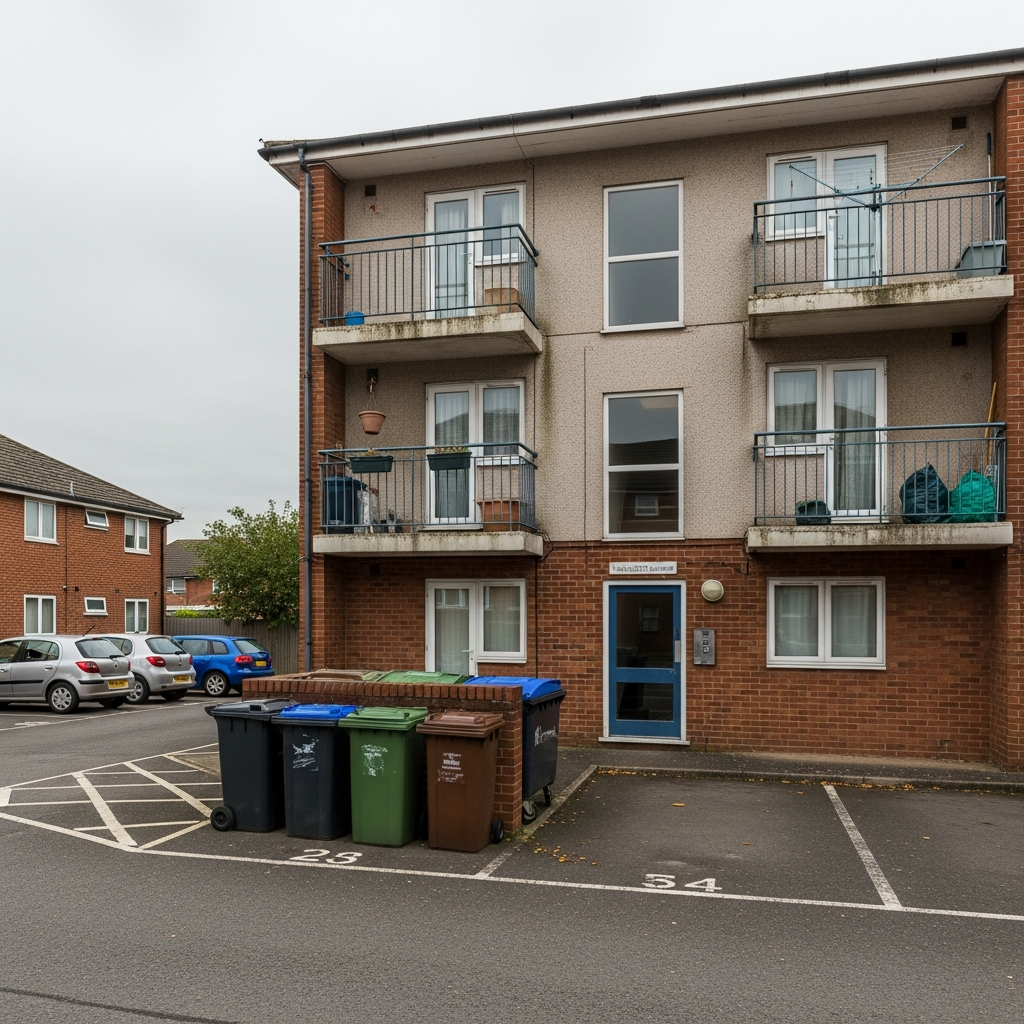
If you live in a council house or housing association property, you may be wondering whether your home could get a heat pump — and who pays for it. The good news is that the UK government has committed billions of pounds to decarbonising social housing, and heat pumps are a central part of that plan.
As a social housing tenant, you will not need to pay for a heat pump installation yourself. The costs are covered by your landlord — the council or housing association — often with significant government funding behind them. This guide explains how the system works, what your rights are, and what to expect if your home is selected for a heat pump upgrade.
How Social Housing Heat Pump Schemes Work
Social housing heat pump installations are funded differently from private homeowner schemes like the Boiler Upgrade Scheme. Instead of individual homeowners applying for grants, councils and housing associations receive large-scale funding to upgrade their entire housing stock. The main funding source is the Social Housing Decarbonisation Fund (SHDF).
The Social Housing Decarbonisation Fund (SHDF)
The SHDF is a government programme that provides grants to social housing landlords to improve the energy efficiency of their homes. It was first announced in 2020 and has since been expanded with multiple funding waves.
- Wave 1: £179 million allocated to local authorities and housing associations
- Wave 2: £778 million allocated across England
- Wave 2.2: Additional funding rounds continuing into 2026 and beyond
- Total commitment: The government has pledged over £3.8 billion for social housing decarbonisation over the course of this parliament
The fund covers a "fabric first" approach — insulation first, then low-carbon heating. Many properties receive cavity wall insulation, loft insulation, or external wall insulation before a heat pump is installed to ensure the home is suitable.
Who Decides Which Homes Get Heat Pumps?
Your council or housing association decides which properties are upgraded and in what order. They typically prioritise based on several factors:
- Current EPC rating: Homes rated E, F, or G are usually upgraded first
- Existing heating system: Properties with old, inefficient boilers or electric storage heaters are often prioritised
- Property suitability: Homes that can accommodate a heat pump without major structural changes
- Area-based approach: Many councils upgrade entire estates or streets at once for efficiency
- Tenant vulnerability: Households with elderly residents, young children, or people with health conditions may be prioritised
You cannot apply for SHDF funding as an individual tenant. It is your landlord — the council or housing association — that applies for and receives the funding.
What Does the Installation Cover?
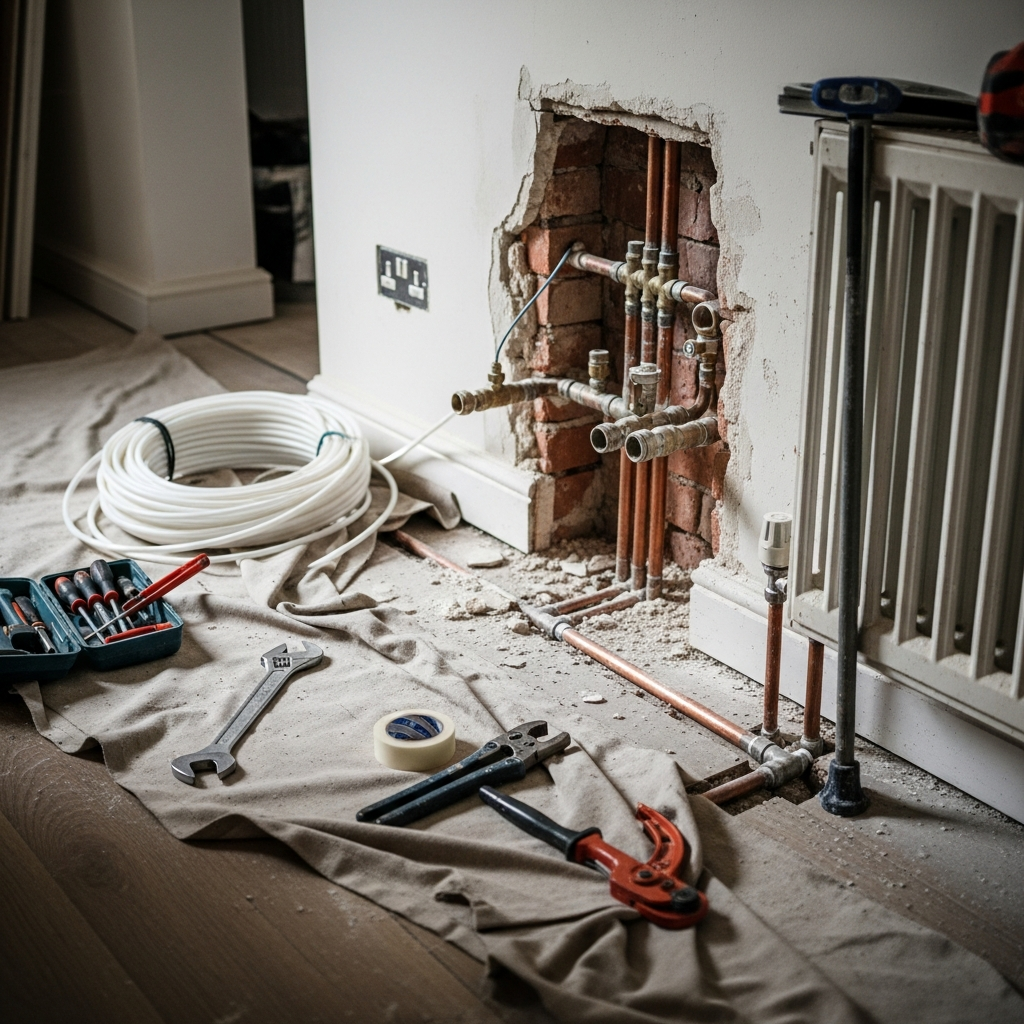
When a social housing property is upgraded to a heat pump, the work typically includes far more than just the heat pump itself. A comprehensive package usually covers:
- The heat pump unit: Usually an air source heat pump, though some schemes use ground source heat pumps for larger estates
- Hot water cylinder: Heat pumps require a hot water cylinder, which is included if you do not already have one
- Radiator upgrades: Larger radiators may be fitted to work efficiently at the lower flow temperatures heat pumps use. See our guide on whether you need new radiators
- Insulation: Loft, cavity wall, or external wall insulation as needed
- Controls: Modern smart thermostats and heating controls
- Electrical upgrades: Any necessary changes to the electrical supply
- Making good: Restoring any disruption caused by the installation
The total cost of a heat pump installation in social housing is typically £10,000 to £20,000 per property, depending on the amount of additional work required. This is covered entirely by the landlord and government funding — not by the tenant.
Your Rights as a Social Housing Tenant
If your council or housing association plans to install a heat pump in your home, you have several important rights:
Right to Be Consulted
Your landlord must inform you about planned works and give you the opportunity to raise concerns. For large-scale programmes affecting multiple properties, there is usually a formal consultation period. You should receive written notice explaining what work will be done, when it will happen, and how long it will take.
Right to Refuse
In most cases, you have the right to refuse a heat pump installation. However, your landlord may still proceed if the work is deemed necessary for the maintenance or improvement of the property — this depends on your tenancy agreement. Some tenancy agreements include clauses allowing the landlord to carry out improvements.
Before refusing, consider the potential benefits carefully. A heat pump should reduce your energy bills and make your home more comfortable. If you have concerns, raise them with your landlord rather than simply refusing.
Right to Compensation for Disruption
If the installation causes significant disruption — for example, if you need to temporarily move out — your landlord should provide support. This might include temporary accommodation, compensation for inconvenience, or reimbursement of reasonable additional costs.
Right to Information
You are entitled to a full explanation of how the new heating system works, including written instructions and a demonstration. Your landlord should also provide ongoing support if you have difficulty operating the heat pump.
What About Your Energy Bills?
One of the main concerns for social housing tenants is whether a heat pump will increase or decrease energy bills. The answer depends on your current heating system:
- Replacing gas central heating: Bills should be roughly similar or slightly lower, especially if insulation is also improved. A well-installed heat pump in a well-insulated home should cost less to run than a gas boiler. See our running costs guide for detailed figures
- Replacing electric storage heaters: Bills should decrease significantly — heat pumps are three to four times more efficient than direct electric heating
- Replacing oil or LPG: Bills should decrease, as heat pumps are substantially cheaper to run than oil or LPG boilers
The insulation improvements that accompany a heat pump installation also reduce heat loss, which further lowers bills. Many social housing tenants report noticeably warmer homes and lower energy costs after a heat pump upgrade.
Common Concerns for Social Housing Tenants
Will my rent increase?
Your landlord should not increase your rent specifically because of a heat pump installation. The improvement is funded by government grants and the landlord's own investment. However, general rent increases may still apply as per normal rent review processes.
Is the heat pump noisy?
Modern air source heat pumps operate at around 40 to 50 decibels — similar to a fridge. In social housing settings, installers take particular care with placement to minimise noise impact on neighbours. If you live in a flat, the heat pump may be located in a communal area or on the roof.
What if the heat pump breaks down?
Your landlord is responsible for all repairs and maintenance. This is no different from any other heating system in a social housing property. Heat pumps typically come with a five to ten year manufacturer's warranty, and your landlord should have maintenance contracts in place.
Will I lose space?
A heat pump requires an outdoor unit (roughly the size of a washing machine) and an indoor hot water cylinder. If you currently have a combi boiler and no cylinder, you will lose some cupboard space for the new cylinder. Your installer should discuss placement options with you beforehand.
Scotland, Wales, and Northern Ireland
Social housing decarbonisation programmes exist across all UK nations, though the funding mechanisms differ:
- Scotland: The Scottish Government funds social housing energy efficiency improvements through the Energy Efficient Scotland programme and direct grants to housing associations. Home Energy Scotland can provide information
- Wales: The Welsh Government's Optimised Retrofit Programme funds whole-house retrofits in social housing, including heat pump installations
- Northern Ireland: The Northern Ireland Housing Executive runs its own improvement programmes for social housing stock
How to Find Out If Your Home Is Eligible
If you want to know whether your council or housing association plans to install a heat pump in your home, take these steps:
- Contact your landlord directly. Call your council's housing department or your housing association's customer service team and ask about their decarbonisation plans
- Check your landlord's website. Many councils and housing associations publish their energy efficiency strategies and upgrade programmes online
- Attend residents' meetings. Planned works are often discussed at tenant forums and residents' association meetings
- Ask your local councillor. They can enquire on your behalf about planned improvements in your area
Even if your home is not currently scheduled for an upgrade, programmes are expanding rapidly. The government's target is for all social housing to reach EPC band C by 2030, so many more properties will be upgraded in the coming years.
Right to Buy and Heat Pumps
If you are considering exercising your Right to Buy, be aware that a heat pump installation can affect the property's value positively. A more energy-efficient home with lower running costs is worth more than one with an old, inefficient boiler. If your landlord installs a heat pump before you buy, you benefit from the improvement at no personal cost — and the property's value may be higher.
If you have already bought your council home through Right to Buy, you are now a private homeowner and may be eligible for the BUS grant in your own right. See our complete grants guide for details.
Frequently Asked Questions
Do social housing tenants have to pay for heat pump installation?
No. The cost is covered by your landlord (council or housing association), typically with government funding through the Social Housing Decarbonisation Fund. You pay nothing for the installation.
Can I request a heat pump in my council house?
You can express interest to your landlord, but the decision on which properties to upgrade rests with the council or housing association. They prioritise based on property condition, EPC rating, and available funding.
Will a heat pump save me money on energy bills?
In most cases, yes — especially if you are replacing electric storage heaters or an old, inefficient boiler. The insulation improvements that accompany the installation also help reduce bills. See our running costs guide for more detail.
Can I refuse a heat pump installation in my council home?
You can raise objections, and your landlord must consult with you. In some cases you can refuse, but your landlord may still proceed if the work is covered by your tenancy agreement. Discuss your concerns with your housing officer.
What happens if the heat pump breaks down?
Your landlord is responsible for all repairs and maintenance, just as they would be for any other heating system. Heat pumps are reliable systems with typical lifespans of 20 to 25 years.
Is the SHDF available in Scotland and Wales?
The SHDF applies to England. Scotland and Wales have their own equivalent programmes — the Energy Efficient Scotland programme and the Optimised Retrofit Programme respectively.
Want to learn more about heat pump grants? Read our complete guide to heat pump grants in the UK, find out how much the heat pump grant is worth, or explore whether heat pumps are worth it for your home. You can also use our heat pump calculator to estimate costs and savings.