Home Heat Pump Guide

Can You Claim Heat Pump Grant on a New Build?
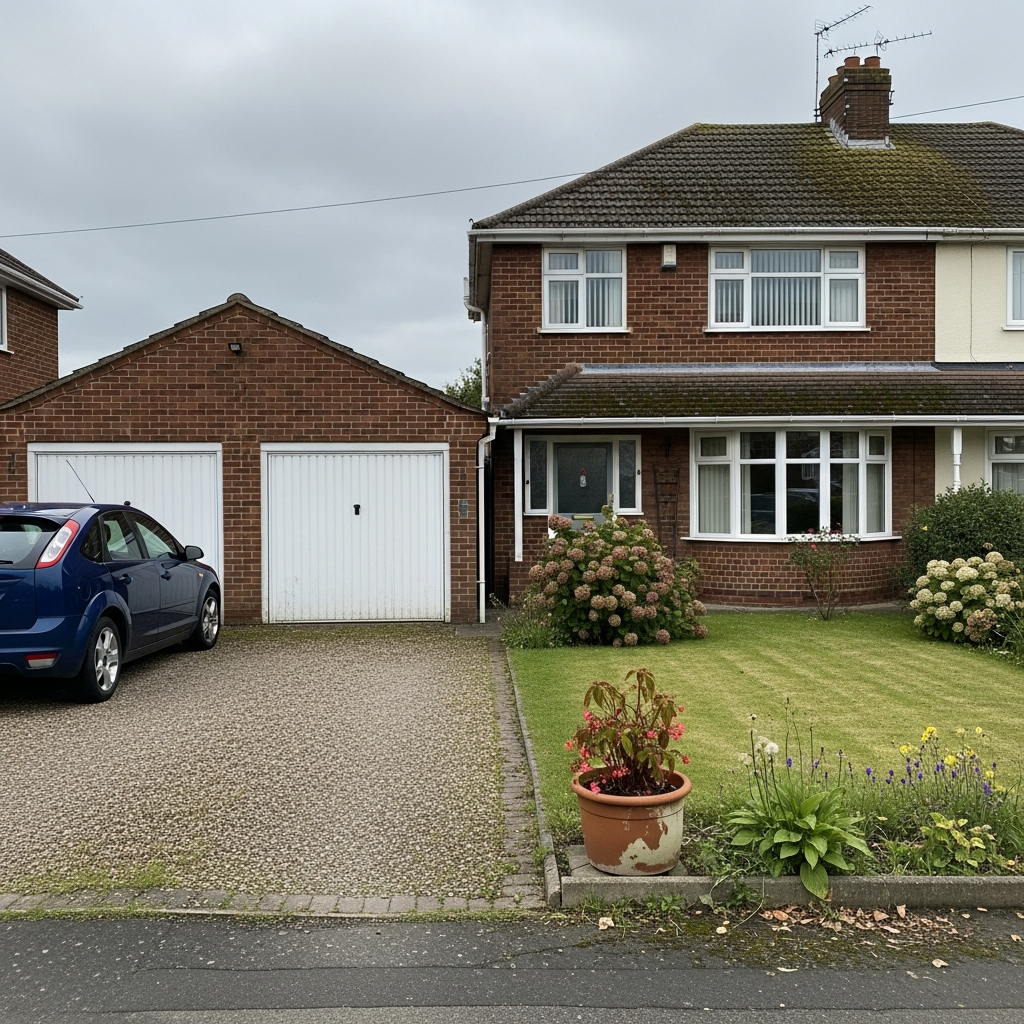
If you are buying or building a new home, you might be wondering whether you can claim the Boiler Upgrade Scheme grant to fund a heat pump. The short answer is no — the BUS grant is not available for new build properties. But before you are disappointed, there is more to the story, and the news for new build buyers is actually quite positive.

This guide explains why new builds are excluded from the grant, what is happening with heat pumps in new homes, and what your options are if you want a heat pump in a newly built property.

Why New Builds Cannot Get the BUS Grant

The Boiler Upgrade Scheme is specifically designed to help homeowners replace existing fossil fuel heating systems with heat pumps. The key word is "replace" — the scheme targets the transition from old, polluting systems to clean alternatives.

New builds do not have an existing fossil fuel system to replace. The BUS grant's purpose is to encourage the retrofit of heat pumps into existing homes, where the cost of switching is a barrier. New builds are a different situation entirely — the developer chooses the heating system during the design stage, and the cost is built into the purchase price.

The Official Eligibility Criteria

The BUS grant requires:

  • The property must have an existing fossil fuel heating system being replaced
  • The property must not be a new build
  • The property must have a valid EPC (new builds in construction do not have one until completion)

These criteria clearly exclude new builds by design, not by oversight.

The Future Gas Boiler Ban for New Builds

Here is the context that makes the grant exclusion less concerning: the UK government has introduced the Future Homes Standard, which effectively bans gas boilers in new build homes from 2025 onwards.

What the Future Homes Standard Means

  • From 2025: New homes must produce 75-80% less carbon emissions than homes built under previous building regulations
  • In practice: This means new homes must use low-carbon heating — heat pumps being the primary technology
  • Building regulations: Updated Part L of the Building Regulations requires new homes to meet these standards
  • No opt-out: Developers cannot choose to install gas boilers in new homes that fall under these regulations

In other words, if you are buying a new build home from 2025 onwards, it should already come with a heat pump (or equivalent low-carbon heating) as standard. You do not need a grant because the developer includes the cost in the purchase price.

What Heating Will New Builds Have?

Most new build homes built under the Future Homes Standard will use one of the following heating systems:

Air Source Heat Pumps

The most common choice for new builds. Air source heat pumps are relatively straightforward to install during construction and work efficiently in the well-insulated homes that new builds must be. Developers can design the home around the heat pump from the start, ensuring optimal placement and performance.

Ground Source Heat Pumps

Some larger developments use shared ground source heat pump systems, particularly where the developer can install ground loops across the entire site. These communal systems can be very efficient and cost-effective at scale.

Heat Networks (District Heating)

In urban areas, some new developments connect to district heat networks. These centralised systems can use large-scale heat pumps, waste heat from industrial processes, or other low-carbon sources to heat multiple buildings through a network of insulated pipes.

Hybrid Systems

Some transitional new builds may use hybrid heating systems that combine a small heat pump with a gas boiler backup. However, the Future Homes Standard is increasingly making pure heat pump systems the default.

What If Your New Build Already Has a Gas Boiler?

If you recently purchased a new build that was completed before the Future Homes Standard took effect, your home may have a gas boiler. In this case:

  • You cannot claim the BUS grant immediately. The property is still classified as a new build
  • After some time, you may become eligible. There is no specific time limit in the BUS scheme's definition of "new build." Once your property has an existing heating system and is no longer considered new, you may be able to apply. In practice, this typically means a property that has been occupied and has an established heating system
  • Check with an MCS installer. The exact interpretation of "new build" under the BUS scheme can be nuanced. An experienced installer can advise on your specific situation

Self-Build Properties

If you are building your own home (a self-build), the situation is similar — you cannot claim the BUS grant because the property does not have an existing fossil fuel system being replaced. However, self-builders have some advantages:

  • Designed from scratch: You can design your home around a heat pump, optimising insulation, radiator sizing, and system placement from the start
  • Lower installation cost: Installing a heat pump during construction is cheaper than retrofitting one, because pipework and radiators can be specified correctly from the beginning
  • No radiator upgrades needed: You can specify the right radiators for heat pump temperatures from the start
  • Optimal insulation: New builds have much better insulation than older homes, meaning the heat pump can be smaller and more efficient
  • VAT reclaim: Self-builders can reclaim VAT on building materials and services, including the heat pump

What Grants Are Available for New Builds?

While the BUS grant is off the table, there are some funding options for heat pumps in new builds:

Self-Build VAT Reclaim

If you are self-building, you can reclaim VAT on building materials and most services. This effectively saves you 20% on the heat pump and installation — a saving of £2,000 to £3,000 on a typical installation.

Help to Build Equity Loan (England)

The Help to Build scheme provides equity loans for self-builders. While not specific to heat pumps, the loan can fund the overall build cost, which includes the heating system.

Home Energy Scotland (Scotland)

Home Energy Scotland may offer support for self-builds in some circumstances. Contact them directly to discuss your project.

Negotiating with Developers

If you are buying a new build from a developer and want to ensure it has a heat pump (or if you want to upgrade the standard heat pump to a better model), you can negotiate this as part of the purchase. Many developers are willing to discuss heating system options, particularly at the early stages of a build.

Buying a New Build with a Heat Pump: What to Check

If you are buying a new build that comes with a heat pump, here are important things to check:

  • System size: Is the heat pump correctly sized for the property? Ask to see the heat loss calculations. Use our suitability checker for reference
  • Brand and model: Which heat pump is being installed? Research its efficiency rating and reliability
  • Warranty: What warranty is provided? Most heat pumps come with a 5 to 10 year manufacturer warranty, plus the developer's own defect warranty
  • Radiators: Are the radiators properly sized for heat pump flow temperatures? See our guide on radiators and heat pumps
  • Controls: What controls and thermostat are included? Smart controls can significantly improve efficiency
  • EPC rating: New builds with heat pumps should achieve an EPC rating of A or B
  • Running cost estimate: Ask the developer for an estimated annual heating cost. Compare this with figures from our running costs guide
  • Outdoor unit location: Where is the heat pump outdoor unit positioned? It should be in an accessible location for maintenance, with adequate airflow

Advantages of a Heat Pump in a New Build

Even without a grant, a heat pump in a new build offers significant advantages:

  • Lower running costs: New builds are extremely well insulated, so the heat pump operates at peak efficiency. Running costs in a new build are typically 20% to 40% lower than in a retrofitted older property
  • No disruption: The heat pump is installed during construction, so there is no disruption to your daily life
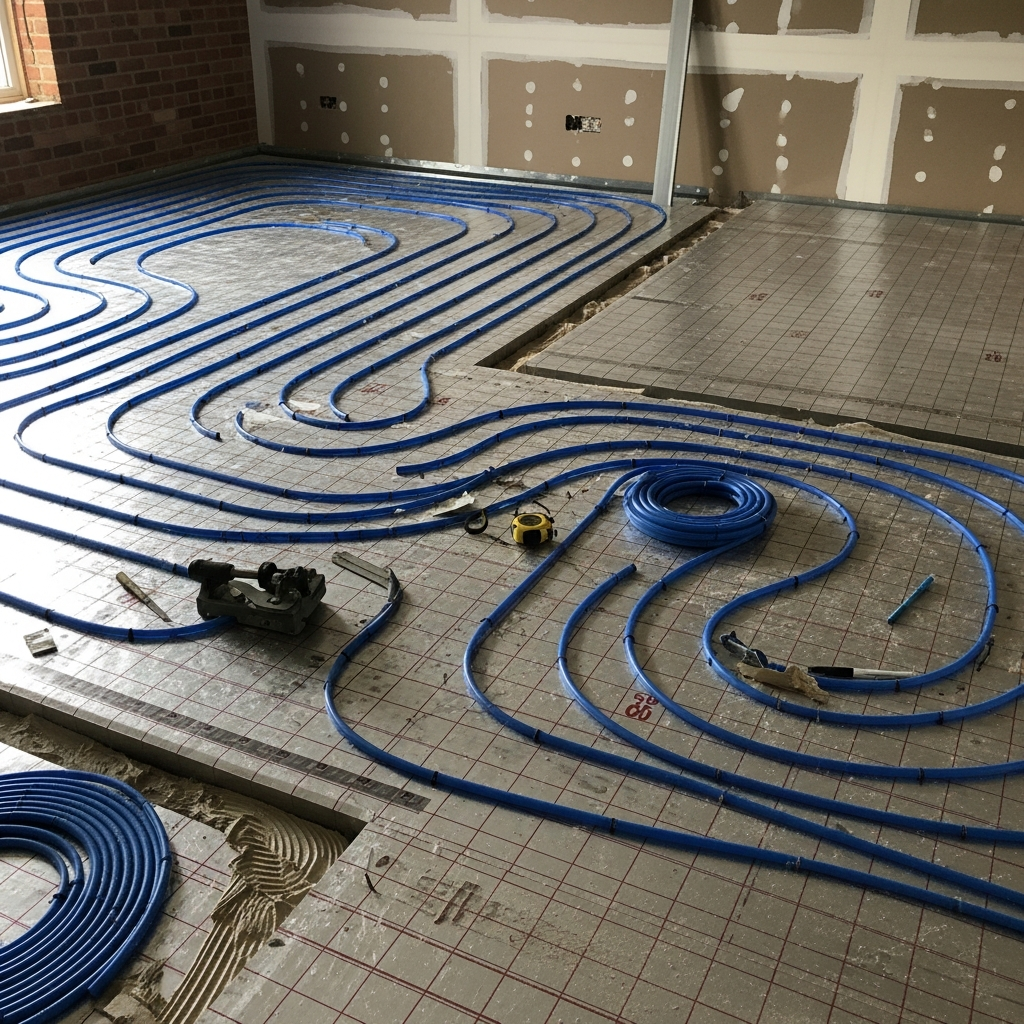
  • Properly designed: The entire heating system is designed from scratch to work with the heat pump, including correctly sized radiators, underfloor heating, and pipework
  • Future-proof: Your home complies with the latest building regulations and will not need a heating system replacement for 20+ years
  • No gas standing charge: If the property has no gas connection, you save £100 to £120 per year on the gas standing charge
  • Higher resale value: Energy-efficient homes with heat pumps are increasingly valued by buyers

Check if heat pumps are worth it for your circumstances with our detailed guide.

Frequently Asked Questions

Can I get the BUS grant for a new build?

No. The BUS grant requires the replacement of an existing fossil fuel heating system, which new builds do not have. However, new builds from 2025 onwards should come with heat pumps as standard under the Future Homes Standard.

Will my new build have a heat pump?

If built under the Future Homes Standard (2025 onwards), almost certainly yes. Homes completed before this may have gas boilers. Check with the developer.

Can I claim any grant for a heat pump in a self-build?

The BUS grant is not available for self-builds. However, self-builders can reclaim VAT on the heat pump and installation costs, saving approximately 20%. Scottish self-builders may also access support through Home Energy Scotland.

Is a heat pump in a new build any different from a retrofit?

The technology is the same, but new build installations are typically better optimised. The home is designed around the heat pump with appropriate insulation, radiator sizing, and system layout from the start. This usually means lower running costs and better performance.

What if my new build gas boiler breaks down — can I then get the BUS grant?

Potentially, yes. Once your property is established and no longer considered a new build, you may become eligible for the BUS grant to replace the gas boiler with a heat pump. The exact timing is not defined in the scheme rules — consult an MCS-certified installer for advice on your specific situation.

Can a developer claim the BUS grant?

No. The BUS grant is for property owners replacing existing heating systems, not for developers installing systems in new builds.

Interested in heat pumps for an existing property? Read our complete guide to heat pump grants, find out how much the grant is worth, or get free quotes from MCS-certified installers in your area. You can also use our heat pump calculator to estimate costs and savings.