Home Heat Pump Guide

Heat Pump Standby Power Consumption: What It Really Costs
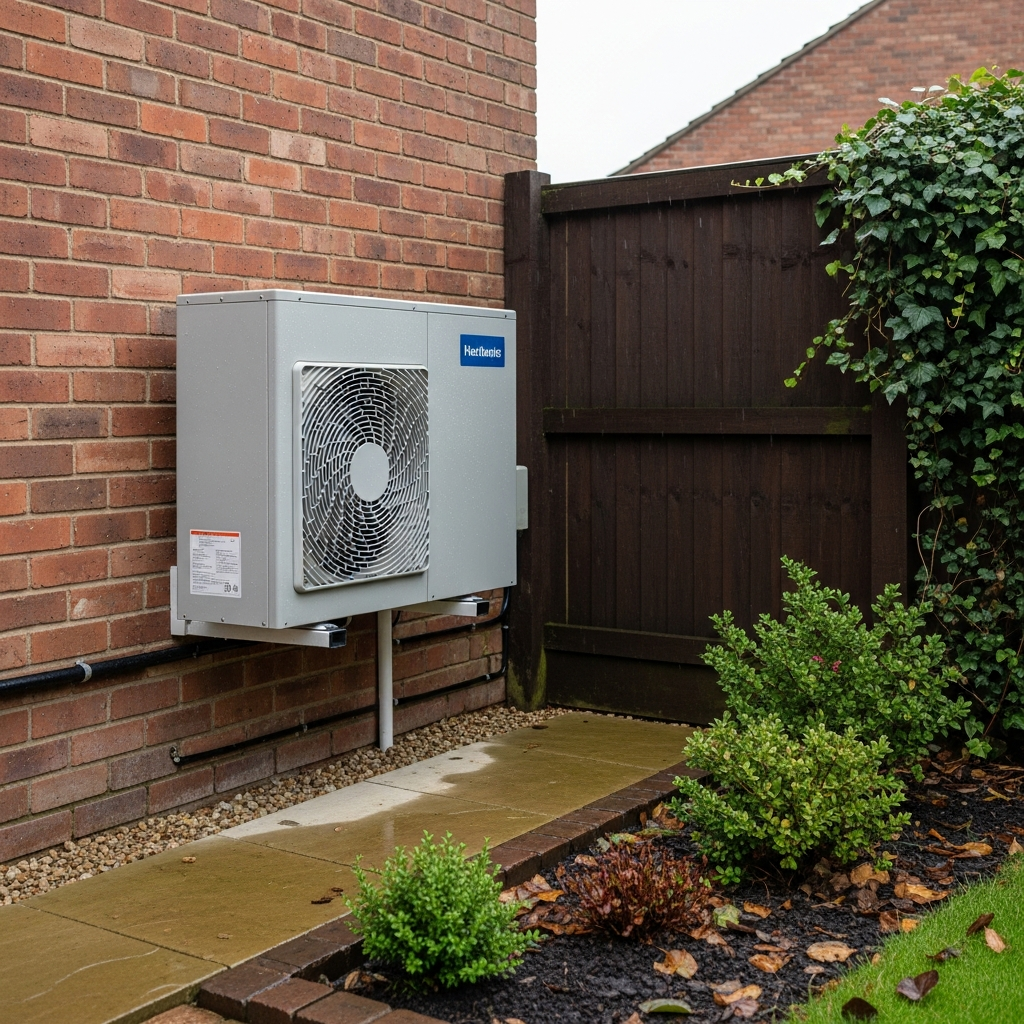
If you are monitoring your electricity usage closely — and heat pump owners tend to — you may have noticed that your heat pump draws a small amount of power even when it is not actively heating your home. This is standby consumption, and it is one of the most commonly misunderstood aspects of heat pump ownership.

The good news is straightforward: standby power consumption is minimal, typically costing just a few pounds per year. But it is worth understanding what your heat pump is doing when it appears to be idle, why it needs this power, and whether there is anything you should do about it.

How Much Power Does a Heat Pump Use on Standby?

Most air source heat pumps draw between 20 and 50 watts when in standby mode. Some modern inverter-driven units consume as little as 10-15W on standby, while older or larger models may draw up to 60-80W.

To put this in perspective:

  • 20W standby: Equivalent to leaving a modern LED television on standby
  • 50W standby: About the same as a single incandescent lightbulb (remember those?)
  • A typical fridge-freezer: Draws 30-50W continuously — roughly the same as your heat pump on standby

What does this cost?

At the current electricity rate of approximately 24p per kWh:

  • 20W standby: 0.48 kWh per day = 11.5p per day = roughly £42 per year
  • 35W standby (typical): 0.84 kWh per day = 20p per day = roughly £73 per year
  • 50W standby: 1.2 kWh per day = 29p per day = roughly £105 per year

However, your heat pump is not on standby 24 hours a day, 365 days a year. During heating season (roughly October to April), it is actively running for much of the day. Standby consumption is mainly relevant during summer months when heating is not required — perhaps 4-5 months of the year. Realistic annual standby cost: £15-45 for most systems.

What Is the Heat Pump Actually Doing on Standby?

Your heat pump is not wasting electricity on standby. It is performing several important functions that protect the system and keep it ready for operation.

1. Running the controller and monitoring systems

The heat pump's internal computer monitors outdoor and indoor temperatures, tracks system pressures, and maintains communication with your room thermostat and any weather compensation sensors. This continuous monitoring means the heat pump can respond immediately when heating is needed — there is no boot-up delay.

2. Antifreeze circulation (crankcase heater)

This is the biggest single standby draw. Most heat pumps include a crankcase heater that keeps the compressor oil warm during cold weather. If the compressor oil gets too cold, it becomes thick and viscous, which can cause damage when the compressor starts up. The crankcase heater typically draws 30-50W and runs automatically when ambient temperatures drop below a set threshold.

Some systems also periodically circulate water through the heating circuit to prevent freezing in exposed pipework during very cold spells. This is particularly important for ground source heat pumps where antifreeze concentration must be maintained.

3. Anti-legionella monitoring

Your heat pump monitors the hot water cylinder temperature and may periodically run a pasteurisation cycle to prevent legionella bacteria growth. This is a safety function required by regulations, and the standby monitoring ensures it is triggered when needed.

4. Communication with smart controls

If your heat pump is connected to your home Wi-Fi for remote monitoring or smart tariff integration, maintaining this connection requires a small but constant power draw. This enables features like remote scheduling, fault alerts, and tariff-aware operation.

Standby Consumption by Brand

Different manufacturers design their standby modes differently. Here are typical standby power figures for popular UK heat pump brands:

  • Vaillant Arotherm Plus: 15-25W — one of the lowest standby draws available
  • Mitsubishi Ecodan: 25-40W — varies by model and whether the crankcase heater is active
  • Daikin Altherma: 20-35W — efficient standby management
  • Samsung EHS: 20-30W — competitive standby performance
  • Grant Aerona3: 30-50W — slightly higher but still modest
  • Nibe F2040/S2125: 15-30W — excellent standby efficiency

These figures are approximate and vary depending on outdoor temperature, system configuration, and whether optional features like Wi-Fi monitoring are active. Your installer can provide exact figures for your specific model.

Should You Turn Your Heat Pump Off in Summer?

This is a question that generates considerable debate on forums and social media. Some owners switch their heat pump off entirely during summer to eliminate standby consumption. Is this a good idea?

The case for leaving it on

  • Hot water: If your heat pump provides hot water (most do), you need it running year-round
  • System protection: The standby functions protect the compressor and prevent freezing
  • Convenience: The system is ready to provide heating immediately when autumn arrives
  • Warranty compliance: Some manufacturers require the unit to remain powered for warranty validity

The case for switching off

  • Cost saving: £15-45 per year — modest but real
  • No freezing risk in summer: The crankcase heater is not needed when ambient temperatures are above 5-10°C

Our recommendation

Leave your heat pump powered on. The annual saving from switching off is negligible compared to the risk of compressor damage from a cold start, and you almost certainly want hot water year-round. If your heat pump only provides heating (no hot water), you could argue for switching off in summer, but even then the saving barely justifies the hassle.

If you have solar PV panels, the standby consumption is likely covered by your solar generation during summer anyway — making the cost effectively zero.

How to Check Your Heat Pump's Standby Consumption

If you want to know exactly what your heat pump draws on standby, there are several ways to check:

Method 1: Smart meter

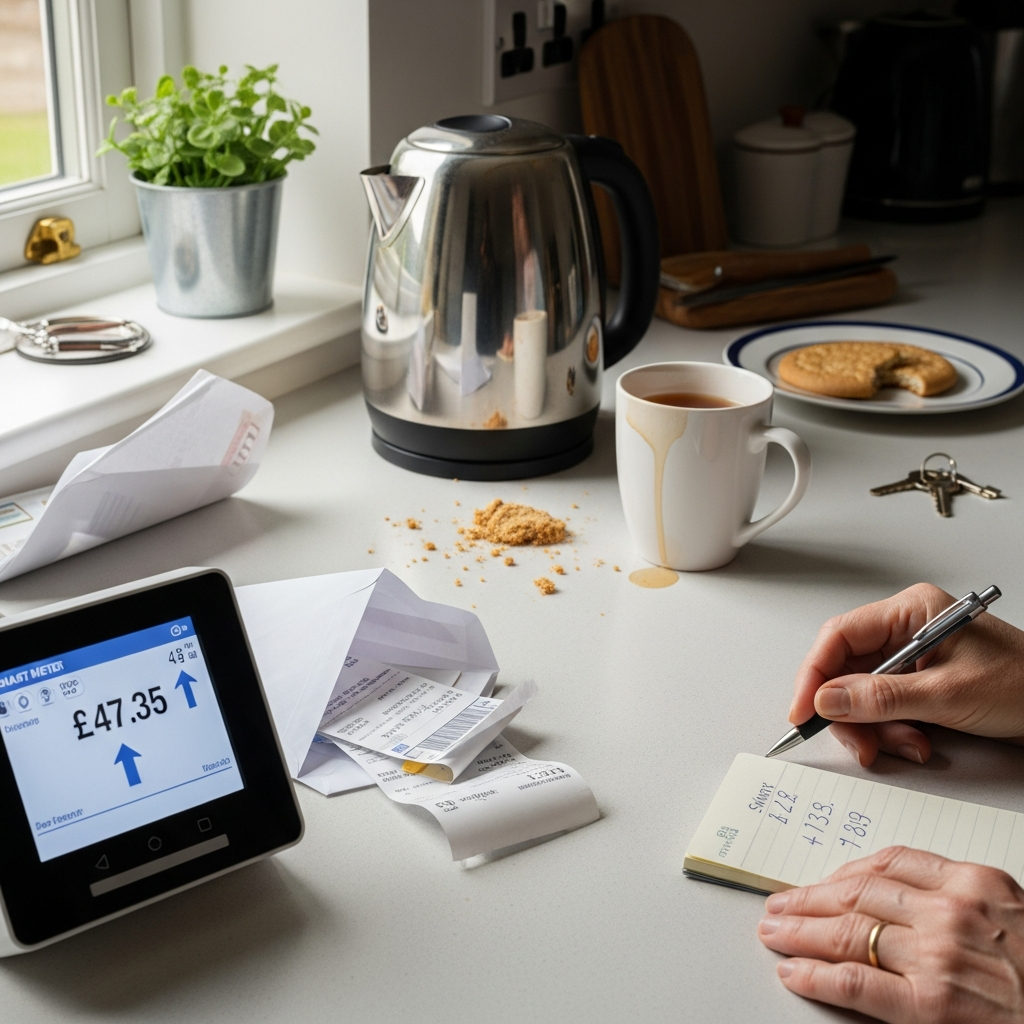
On a warm day when your heat pump is not actively heating, check your real-time electricity consumption on your in-home display. Note the baseline consumption with the heat pump on standby, then switch the heat pump off at the isolator and check again. The difference is your standby draw.

Method 2: Energy monitor

Devices like the Sense energy monitor or an Owl electricity monitor clamp onto the cable feeding your heat pump and show real-time consumption. This is the most accurate method as it isolates the heat pump from other household loads.

Method 3: Heat pump's own monitoring

Many modern heat pumps display their current power consumption on the controller screen or through a companion app. Check during a standby period to see the figure directly.

Standby Power in the Context of Total Running Costs

To put standby consumption in perspective, consider total annual electricity use for a typical heat pump:

  • Total heat pump electricity per year: 3,500-5,000 kWh for an average three-bedroom home
  • Total standby electricity per year: 50-150 kWh (during non-heating months)
  • Standby as percentage of total: 1-4%

Standby consumption is, quite literally, a rounding error in the context of your total running costs. If you are looking to reduce your heat pump electricity bill, focusing on insulation, flow temperature optimisation, and smart tariff use will deliver far greater savings than worrying about standby watts.

Reducing Standby Consumption

If you are determined to minimise standby power, there are a few sensible steps:

  • Enable eco mode: Many heat pumps have a low-power standby mode that reduces the crankcase heater threshold temperature
  • Optimise scheduling: Ensure the heat pump is not performing unnecessary hot water cycles overnight when you do not need it
  • Check for faults: A heat pump that repeatedly enters and exits standby may have a control issue. Consistent standby is more efficient than frequent cycling
  • Update firmware: Some manufacturers have released firmware updates that reduce standby power. Check with your installer

The most impactful step is simply ensuring your system is properly configured. A well set-up heat pump with optimised weather compensation and appropriate scheduling will naturally minimise wasted energy — both during active operation and in standby.

Comparing Standby to Your Old Boiler

It is worth noting that gas boilers also have standby consumption, though few people notice it. A modern condensing boiler typically draws 80-150W when its controls and pump are active. Older boilers with permanent pilot lights waste considerably more energy.

So while your heat pump's 20-50W standby might feel like a new and unwelcome discovery, it is actually lower than the standby power your old boiler was drawing — you just never measured it.

Frequently Asked Questions

Is 50W standby consumption normal for a heat pump?

Yes, 50W is within the normal range and nothing to worry about. Most modern heat pumps draw 20-50W on standby. If your system is consistently drawing more than 80-100W when not actively heating, it may be worth having your installer check the system — but even this is not necessarily a fault.

Does standby consumption mean my heat pump is faulty?

No. Standby consumption is entirely normal and intentional. The heat pump needs to keep its controller running, maintain compressor oil temperature, and monitor system conditions. Zero standby consumption would actually be a problem, as it would mean none of these protective functions are operating.

Can I put my heat pump on a timer to cut standby power?

We would strongly advise against this. Cutting power to the heat pump prevents it from protecting the compressor and monitoring the system. It can also void your warranty. Use the heat pump's built-in scheduling features instead — these reduce energy use without compromising system protection.

Does standby power affect my heat pump's COP rating?

Technically, yes. The Seasonal Coefficient of Performance (SCOP) should account for standby losses over the full year. However, the impact is tiny — standby consumption might reduce your SCOP from 3.5 to 3.45, for example. This is not a meaningful difference in practice.

Why does my heat pump's standby consumption vary?

Standby draw fluctuates mainly due to the crankcase heater. On a warm summer day (20°C+), standby might be just 10-15W as the heater is not needed. On a cold night in spring or autumn, the crankcase heater activates and standby rises to 40-50W. This is completely normal automated behaviour.

Do ground source heat pumps have lower standby consumption?

Not necessarily. Ground source heat pumps have similar standby requirements — controller power, crankcase heating, and circulation pump operation. The standby figures are broadly comparable to air source units at 20-50W. Ground source systems may run the circulation pump slightly more to maintain ground loop flow, which can marginally increase standby draw.