Radiator TRVs and Heat Pumps: How to Set Them
With a boiler, you turn TRVs down to save gas. With a heat pump, leaving most TRVs fully open and controlling temperature through weather compensation is actually more efficient. Here is why TRVs work differently with heat pumps and how to set them correctly.
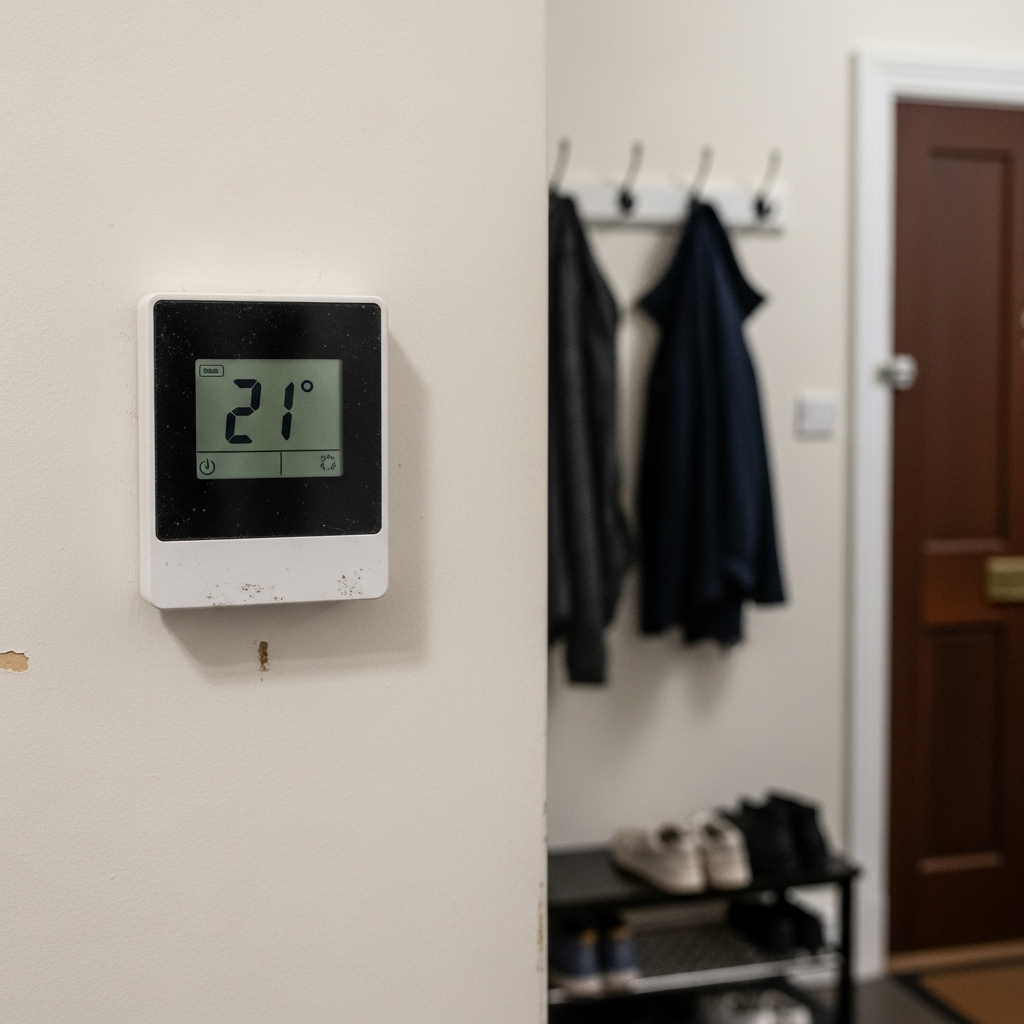
TRVs (thermostatic radiator valves) control individual radiator temperature. With heat pumps, the approach is different from boiler systems. See our pillar: radiators and heat pumps.
Get your heat pump system designed correctly
Estimate costsInstant results. Includes controls and valves.
How TRVs Work Differently with Heat Pumps

With a boiler, turning TRVs down saves energy by reducing heat delivery. With a heat pump, the flow temperature is already low, and closing TRVs reduces flow, which can cause the heat pump to short-cycle and lose efficiency. Weather compensation automatically adjusts flow temperature based on outdoor conditions — a more efficient control strategy.
Optimal TRV Settings
| Room | TRV Setting | Why |
|---|---|---|
| Living room | Maximum (fully open) | Room thermostat controls temperature |
| Bedrooms | 3-4 (slightly reduced) | Lower target temperature (18°C) |
| Kitchen | Maximum or 4 | Appliance heat contributes |
| Spare room (rarely used) | 2-3 | Reduced heating, frost protection |
The Bypass Valve
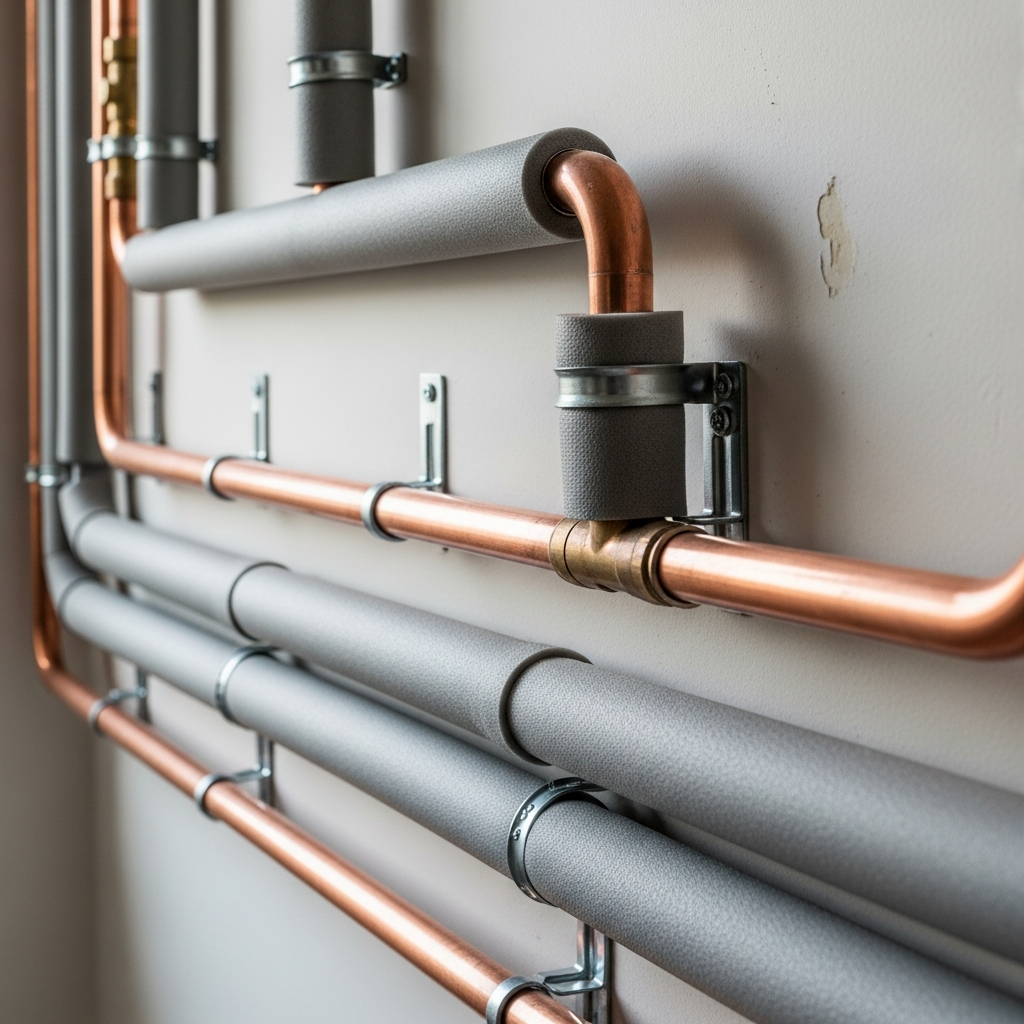
Your installer fits a bypass arrangement to ensure minimum water flow through the heat pump even if all TRVs close. This prevents the heat pump from short-cycling or triggering flow errors. This is standard in any quality installation.
With solar panels, correctly configured TRVs and weather compensation ensure you use the minimum electricity for maximum comfort — any solar generation reduces the cost further.
Frequently Asked Questions
Should I leave TRVs fully open?
In most rooms, yes. Only turn them down in rooms you want cooler than the rest of the house.
Can closing TRVs damage a heat pump?
If all close simultaneously, it can cause short-cycling. A bypass valve prevents this.
TRV settings with heat pumps differ from boiler systems. Connects to radiator optimisation, flow temperature control, and zone controls. Solar panels complement efficient controls.