Home Heat Pump Guide

Heat Pump Heating Zones and Controls

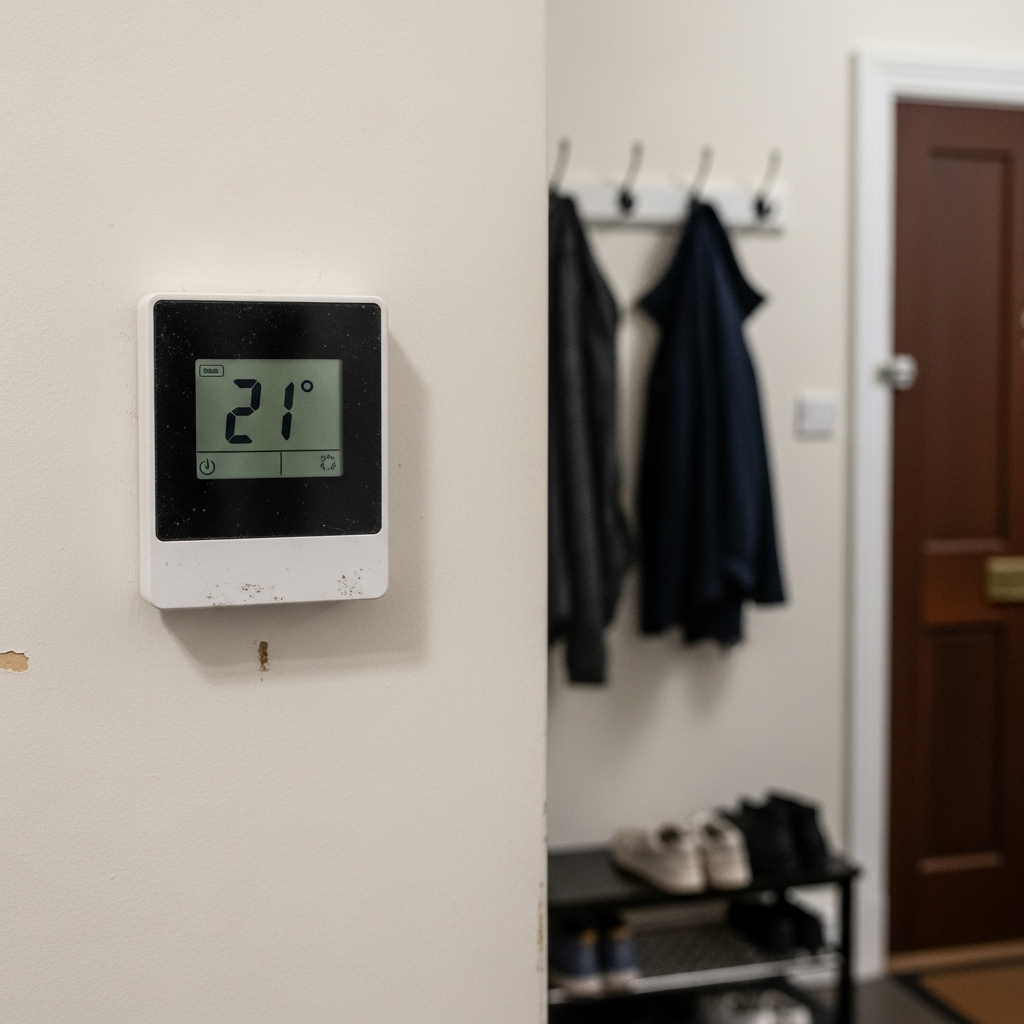
Heating zones let you control temperatures independently in different parts of your home. Instead of heating every room to the same temperature, you can keep the living room at 21°C, bedrooms at 18°C, and spare rooms at 16°C. With a heat pump, good zoning is not just a comfort feature — it directly reduces your running costs by avoiding wasted energy.

This guide explains how heating zones work with heat pump systems, the equipment involved, and how to get the most from your controls.

What Are Heating Zones?

A heating zone is simply a section of your home that has its own thermostat and can be controlled independently. In its simplest form, a two-zone system separates upstairs from downstairs. More sophisticated setups have a zone for every room.

Building Regulations in England and Wales (Part L) require at least two heating zones in new dwellings — typically upstairs and downstairs. However, most modern heat pump installations go further, offering four to eight zones or even individual room control.

How Zoning Works with a Heat Pump

The basic principle is straightforward. Each zone has its own thermostat. When a zone calls for heat, a motorised valve opens on that zone's pipework circuit, allowing warm water to flow through its radiators or underfloor heating. When the zone reaches its set temperature, the valve closes and the heat pump modulates down or stops.

The Key Components

  • Zone thermostats — one per zone, measuring room temperature and signalling for heat when needed
  • Zone valves — motorised two-port or three-port valves on the pipework that open and close to direct water flow to the correct zone
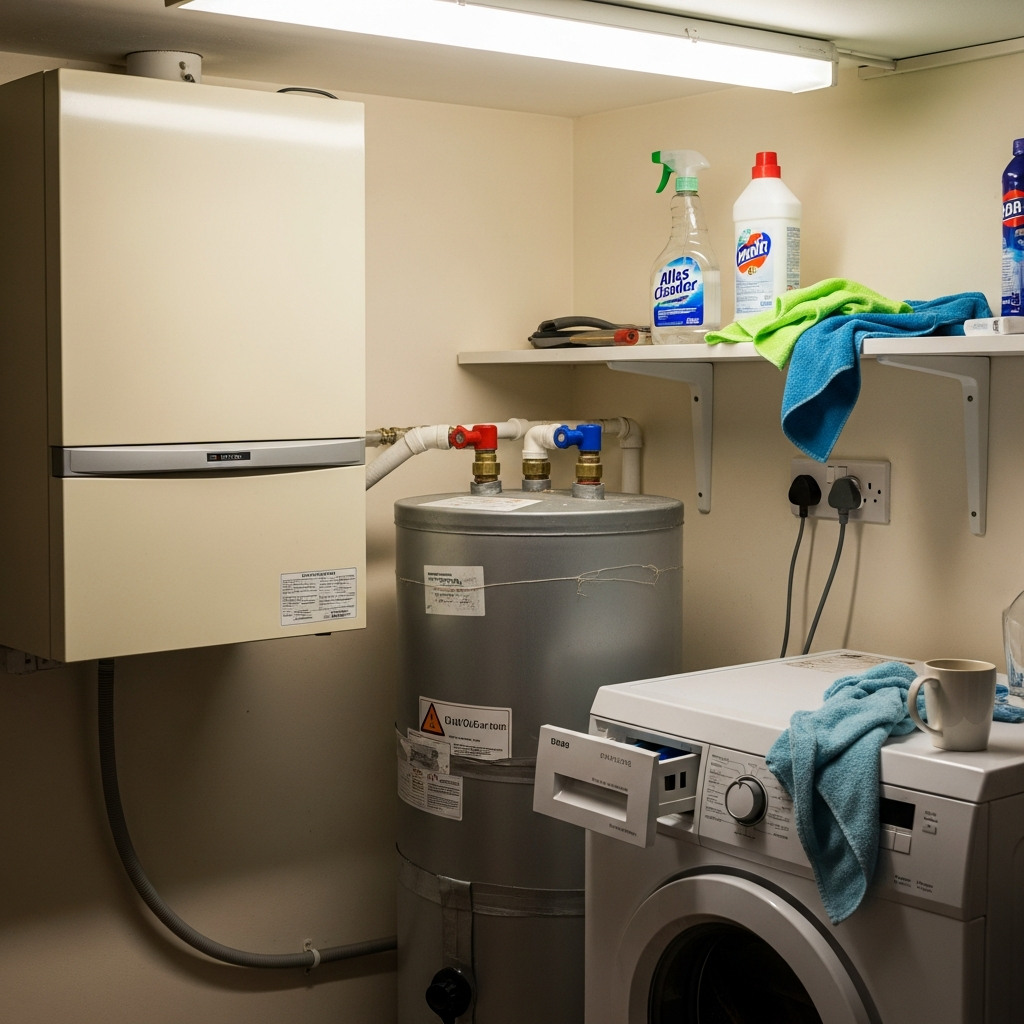
  • Wiring centre — connects all thermostats and valves to the heat pump controller, coordinating the system
  • Buffer vessel or low-loss header (optional) — ensures the heat pump always has sufficient water flow even when some zones are closed

Why Flow Management Matters

Heat pumps need a minimum water flow rate to operate correctly. If too many zone valves close at once, the flow rate drops below this minimum, and the heat pump may cycle on and off (short-cycle), reducing efficiency and increasing wear on the compressor.

There are several solutions to this problem:

  • Buffer vessel — a small insulated tank (typically 20 to 50 litres) that absorbs excess heat when demand drops, preventing short-cycling
  • Low-loss header — hydraulically separates the heat pump circuit from the heating circuits, ensuring constant flow through the heat pump
  • Variable-speed pump — adjusts the circulation pump speed to match demand, maintaining correct flow rates
  • Leaving one zone permanently open — some installers designate a "default" zone (often a hallway or bathroom) that never closes, ensuring minimum flow at all times

Zone Valve Types

Two-Port Zone Valves

The most common type in UK domestic systems. A two-port valve is simply on or off — when the thermostat calls for heat, the valve opens; when the room is warm enough, it closes. Each zone has its own two-port valve. Honeywell V4043H valves are the standard in the UK, but there are heat-pump-specific alternatives designed for quieter operation at lower flow temperatures.

Three-Port Diverter Valves

A three-port valve directs flow to one zone or another (or splits it between both). These are traditionally used in mid-position to split flow between heating and hot water. In heat pump systems, they are less common for room zoning because they limit you to two zones. However, many heat pumps use a three-port valve internally or at the manifold to switch between heating and the hot water cylinder.

Manifold Actuators (for UFH)

If you have underfloor heating, each circuit on the manifold has its own small actuator — an electrically operated valve that opens or closes that circuit. Each actuator is controlled by the room thermostat for that zone. This is effectively individual room control built into the manifold design.

Smart Thermostats for Heat Pump Zoning

Smart thermostats have transformed how homeowners interact with their heating. For heat pump systems, the right smart thermostat can significantly improve efficiency.

Heat Pump Compatible Smart Thermostats

  • Hive — offers multi-zone control with individual radiator thermostats (TRVs); works with most heat pump systems
  • Tado° — wireless smart TRVs that create individual room zones; includes geofencing and weather compensation
  • Nest — supports heat pump systems and offers learning schedules, though multi-zone requires additional Nest thermostats
  • Heat pump manufacturer controls — brands like Vaillant (sensoAPP), Mitsubishi (MELCloud), and Daikin (ONECTA) offer their own apps with zone control built in

Smart Radiator Valves (TRVs)

Smart thermostatic radiator valves (TRVs) are the easiest way to add room-by-room control to an existing heat pump system without rewiring. Each smart TRV replaces a standard TRV head and communicates wirelessly with a central hub. When the room reaches its set temperature, the TRV closes, stopping flow to that radiator.

Smart TRVs typically cost £40 to £80 each, plus £100 to £200 for the hub. For a three-bedroom house with 8 to 10 radiators, expect to pay £400 to £800 for a complete set. They are a cost-effective upgrade that can reduce heating bills by 10% to 20% through better control.

How Many Zones Do You Need?

More zones give you more control, but there are practical limits. Here is a sensible approach for different property types:

Two Zones (Minimum)

Upstairs and downstairs. Meets Building Regulations but offers limited control. Suitable for small flats or very simple heating systems.

Four Zones (Recommended)

A typical four-zone setup might be: living areas, bedrooms, kitchen/dining, and bathrooms. This covers the main differences in how people use rooms — living areas warmer during the day, bedrooms cooler at night — without excessive complexity.

Individual Room Control (Premium)

Every room has its own thermostat or smart TRV. This gives maximum control and maximum energy savings but requires more hardware and more thoughtful setup. Most beneficial in larger homes or houses with rooms that are used irregularly.

Mixed Systems

If you have radiators and underfloor heating, each system typically operates as a separate zone with its own controls. The UFH manifold handles zoning for the underfloor circuits, while zone valves or smart TRVs manage the radiators.

Setting Up Zones for Maximum Efficiency

Good zoning is not just about having the hardware — it is about using it intelligently with your heat pump.

Set Appropriate Temperatures

  • Living rooms: 20°C to 21°C
  • Kitchen: 18°C to 20°C (cooking generates heat)
  • Bedrooms: 16°C to 18°C
  • Hallways and landings: 16°C to 18°C
  • Bathrooms: 21°C to 22°C
  • Spare rooms: 14°C to 16°C (frost protection minimum)

Avoid Deep Setbacks

With a gas boiler, you might drop temperatures by 5°C overnight and blast the heating in the morning. Heat pumps work differently. Deep temperature setbacks force the heat pump to work harder to recover, reducing efficiency. A setback of 1°C to 2°C overnight is sufficient. For more detail, see our guide to constant vs setback heating.

Do Not Close Too Many Zones Simultaneously

If your system does not have a buffer vessel, avoid scheduling all zones to switch off at the same time. Stagger setback times to maintain minimum flow. Better still, ask your installer to fit a buffer vessel or low-loss header during installation.

Weather Compensation and Zoning

Most modern heat pumps include weather compensation — a sensor on the north-facing external wall that adjusts the flow temperature based on outside conditions. When it is mild outside, the heat pump reduces the flow temperature; when it is freezing, it increases it.

Weather compensation works alongside zoning. The heat pump sets the overall flow temperature for efficiency, while the zone thermostats and valves control which rooms receive heat. The two systems complement each other: weather compensation optimises efficiency, zoning optimises comfort.

Costs of Adding Heating Zones

  • Two-port zone valve: £50 to £100 per zone (parts and fitting)
  • Wired room thermostat: £30 to £80 per zone
  • Smart TRV system (8 valves + hub): £400 to £800
  • Wiring centre upgrade: £100 to £200
  • Buffer vessel (if needed): £300 to £600 installed
  • Full multi-zone setup (4 zones, new build): typically included in the heat pump installation cost

For the overall cost of a heat pump system including controls, see our heat pump cost guide.

Frequently Asked Questions

Do I need separate zones for upstairs and downstairs?

Yes — it is a Building Regulations requirement for new installations in England and Wales, and it is also good practice. Upstairs rooms generally need less heating than downstairs living areas, so independent control makes both comfort and financial sense.

Can I add zones to an existing heat pump system?

Yes. Adding zone valves and additional thermostats to an existing system is a relatively straightforward job for a heating engineer. Smart TRVs are even simpler — they retrofit onto existing radiator valves without any plumbing changes.

Will closing zones save me money?

Yes, but only if the heat pump can modulate down to match the reduced demand. Modern inverter-driven heat pumps do this automatically. If your heat pump is a fixed-speed model, closing zones may cause short-cycling, which wastes energy. A buffer vessel solves this.

What is the best smart thermostat for a heat pump?

The best option depends on your heat pump brand. Manufacturer-specific controls (like Vaillant's sensoAPP or Daikin's ONECTA app) often integrate more deeply with the heat pump. For brand-agnostic multi-zone control, Tado° and Hive are excellent choices with strong UK support.

Should I zone my underfloor heating?

Absolutely. UFH manifolds are designed for zoning — each circuit has its own actuator controlled by a room thermostat. This is standard practice and one of the advantages of wet underfloor heating.

Can I have different schedules for different zones?

Yes, and you should. Living rooms need heat during waking hours, bedrooms benefit from a slight boost at bedtime and morning, and spare rooms can be kept at a background temperature. Smart thermostats make scheduling per zone straightforward.