Heat Pump Repair vs Replacement: When to Upgrade
A single compressor failure can cost £3,000 to fix on an ageing heat pump, yet a brand-new system with the £7,500 Boiler Upgrade Scheme grant could cost you less than £5,000 net. Knowing which repairs are worth paying for and when to walk away saves UK homeowners thousands of pounds over the life of their heating system.
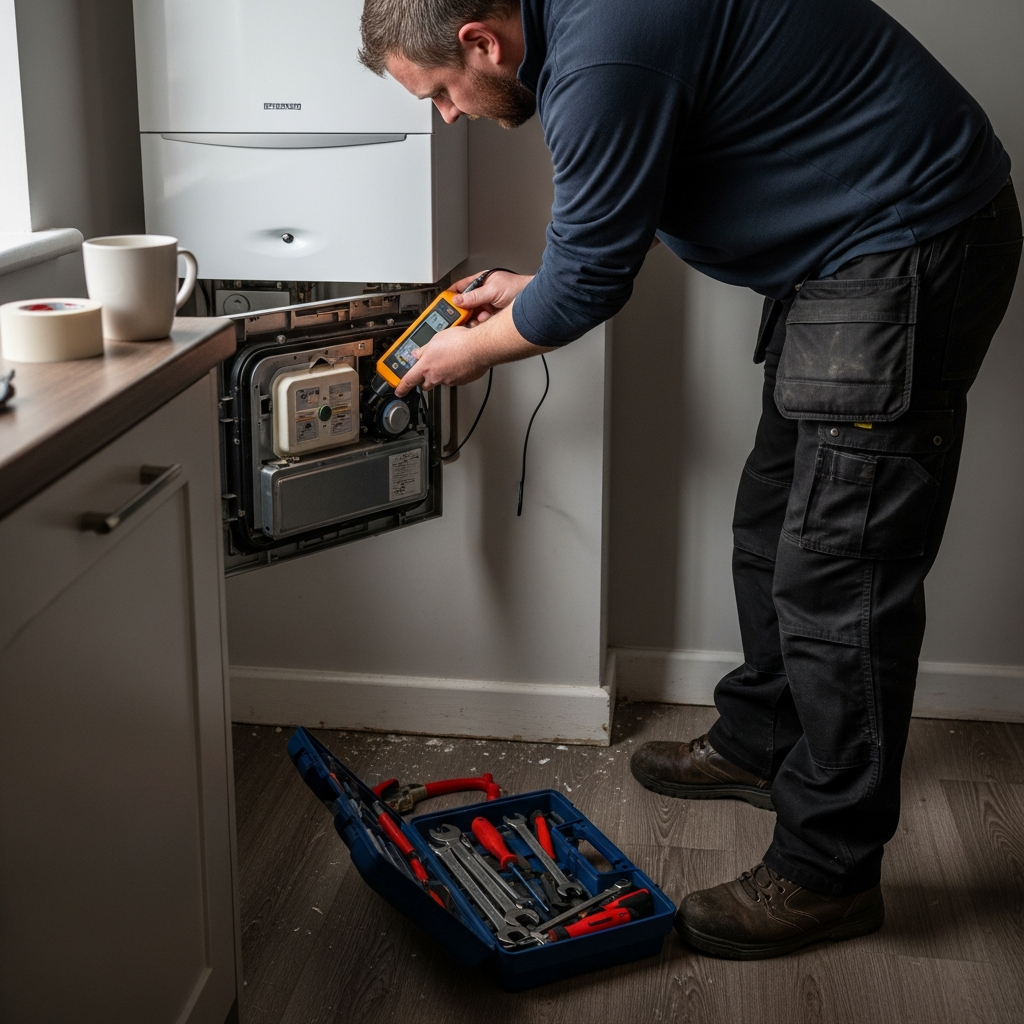
Your heat pump has been running reliably for years, and now something has gone wrong. Perhaps it is making unusual noises, struggling to reach temperature, or your energy bills have crept up noticeably. The question every homeowner faces at this point is straightforward: do you pay for the repair, or is it time to replace the entire system?
This guide walks through the most common heat pump repairs, typical costs, and the age and cost thresholds that help you decide whether fixing or upgrading is the smarter financial move. If you are still in the planning stages, our installation guide covers what to expect from a fresh installation.
Find out what a new system would actually cost you
Use the free calculatorNo email required. Instant estimate based on your property details.
Common Heat Pump Repairs and What They Cost
Not all faults are equal. Some are minor and inexpensive to fix, while others signal deeper problems that may make replacement more sensible. Here are the repairs UK homeowners encounter most often.
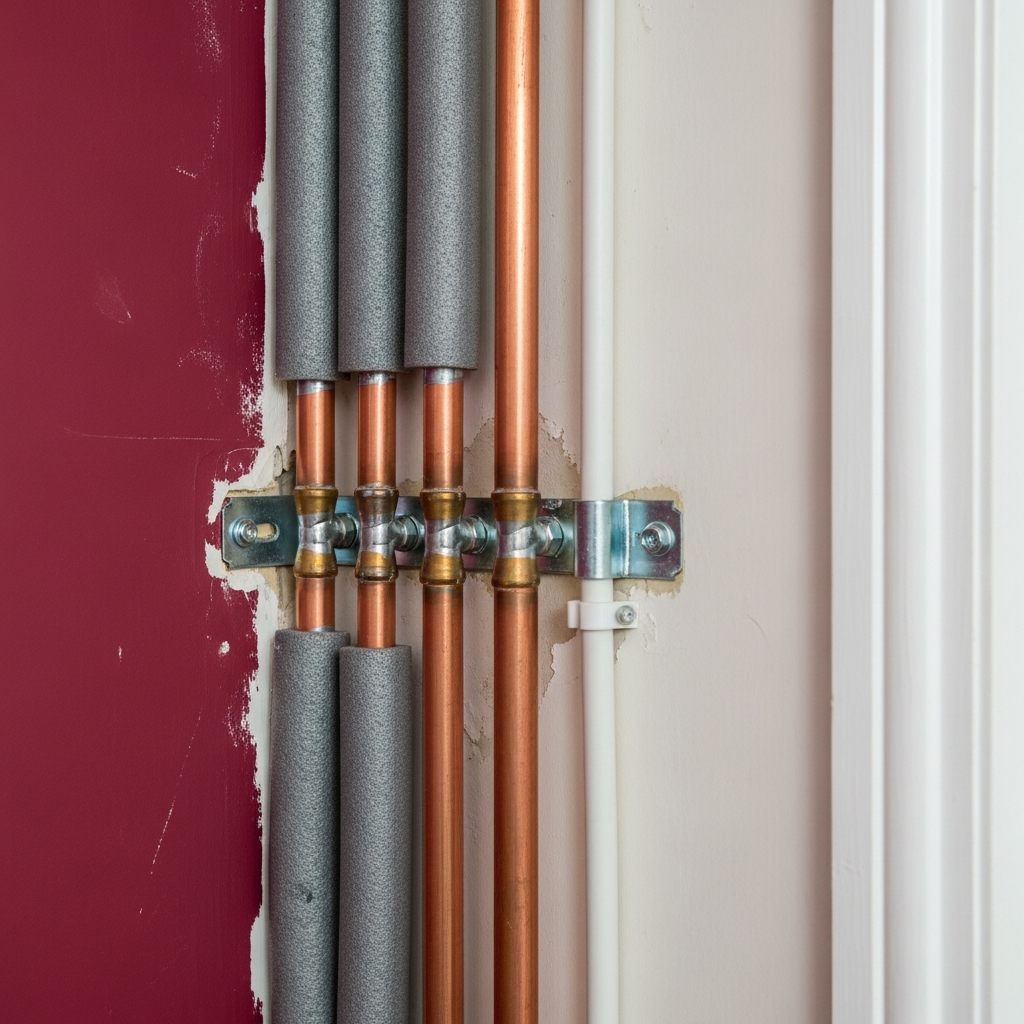
Refrigerant Leaks
A refrigerant leak is one of the most common faults in heat pumps. Signs include reduced heating output, ice forming on the outdoor unit in mild weather, and the system struggling to reach set temperatures. Repairing a refrigerant leak involves finding the leak point, fixing it, pressure testing, and recharging the system with refrigerant.
Typical cost: £300 to £800, depending on the location of the leak and the type of refrigerant. An F-gas certified engineer must carry out this work by law.
Compressor Failure
The compressor is the heart of your heat pump. When it fails, the system cannot transfer heat at all. Compressor replacement is the single most expensive repair, often costing between £1,500 and £3,000 including parts and labour. If your heat pump is more than 10 years old, a compressor failure is often the trigger point for full replacement rather than repair.
Fan Motor Replacement
The outdoor fan motor circulates air across the evaporator coil. When it fails, the heat pump cannot extract heat from the outside air efficiently. Fan motors typically cost £200 to £500 to replace — a straightforward repair that is almost always worth doing regardless of the system's age.
Defrost Board or Control Board Faults
Modern heat pumps rely on electronic control boards to manage defrost cycles, compressor speed, and system diagnostics. A faulty control board can cause erratic behaviour, error codes, or complete shutdowns. Replacement costs range from £250 to £700, though availability of parts for older models can be an issue.
Expansion Valve Issues
The expansion valve regulates refrigerant flow. When it sticks or fails, you may notice poor heating performance or the system short-cycling. Replacement typically costs £200 to £600 and is a worthwhile repair in most cases.
| Repair Type | Typical Cost | Worth Repairing? |
|---|---|---|
| Refrigerant leak | £300 – £800 | Yes, if under 12 years old |
| Compressor failure | £1,500 – £3,000 | Only if under 8–10 years old |
| Fan motor | £200 – £500 | Almost always yes |
| Control board | £250 – £700 | Yes, if parts available |
| Expansion valve | £200 – £600 | Usually yes |
| Circulation pump | £150 – £400 | Always yes |
Typical UK repair costs based on engineer callout rates and parts pricing, March 2026.
Circulation Pump or Internal Component Failures
Inside the property, your heat pump connects to a hot water cylinder, buffer tank, or directly to your heating circuit. Circulation pumps, three-port valves, and other plumbing components can fail just as they would with a traditional boiler system. These repairs typically cost £150 to £400 and are not a reason to consider full system replacement.
The Age Threshold: When Is a Heat Pump Too Old to Repair?
A well-maintained air source heat pump should last 15 to 20 years. Ground source heat pumps can last even longer — the ground loop itself has an expected lifespan of 50 years or more, though the heat pump unit above ground follows a similar timeline to air source models.
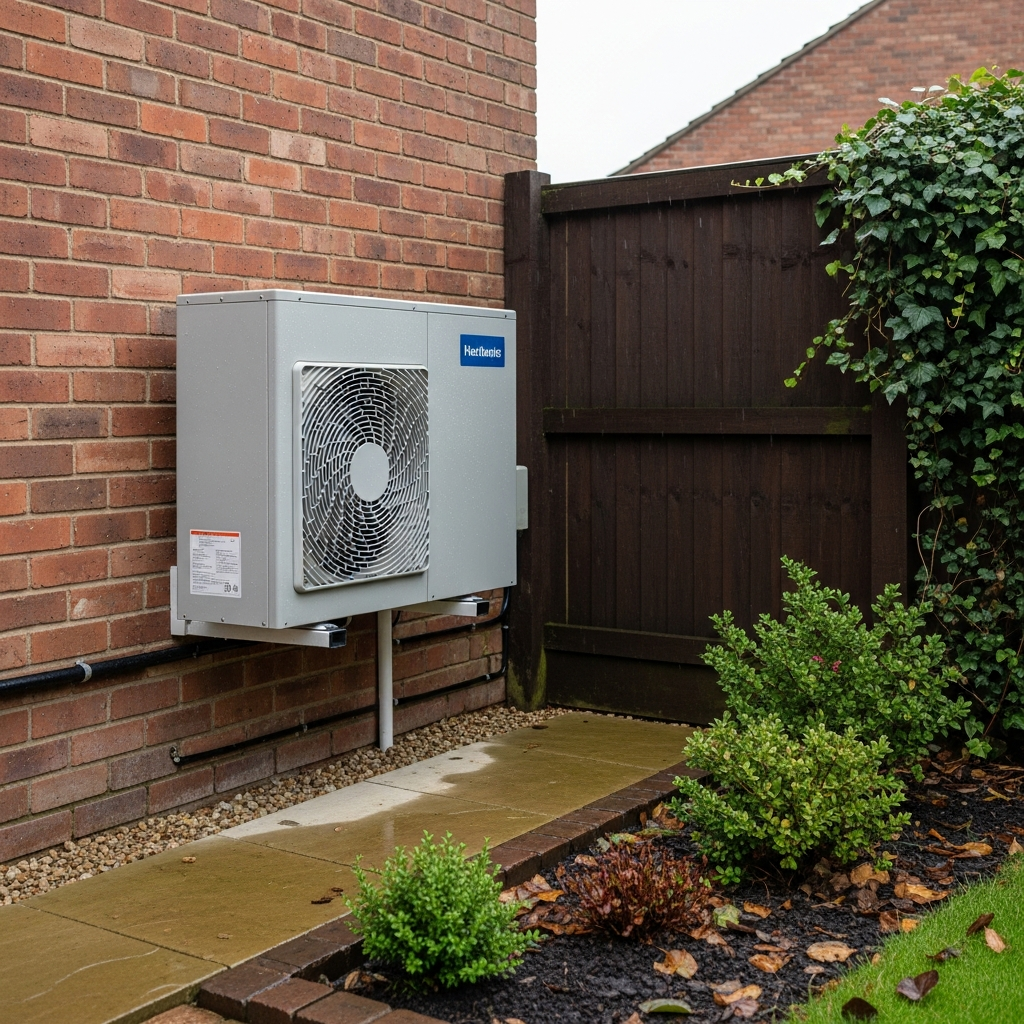
As a general rule:
- Under 8 years old: Almost any repair is worth doing. The system has significant life left, and modern heat pumps are built to be reliable. Check your warranty — many manufacturers offer 5 to 7 year warranties on major components.
- 8 to 12 years old: Most repairs are still worthwhile, but weigh the cost carefully against a new system, especially for major component failures like compressors. Consider how well the system has been maintained and whether it was correctly sized from the start.
- 12 to 15 years old: Repairs costing less than £500 are generally sensible. For anything more expensive, get a quote for a full replacement and compare. Technology has improved significantly, and a new system may deliver noticeably better efficiency.
- Over 15 years old: Unless the repair is minor and inexpensive, replacement is usually the better long-term investment. Parts availability for older models becomes increasingly difficult, and you will benefit from the efficiency gains of modern inverter-driven units.
Compare replacement quotes from MCS-certified installers
Get free quotesNo obligation. Typical savings of 30-40% by comparing multiple installers.
The 50 Percent Rule
A widely used rule of thumb in the heating industry is the 50 percent rule: if the cost of a repair exceeds 50 percent of the cost of a new replacement system, it makes more financial sense to replace rather than repair. This accounts for the fact that an ageing system is likely to develop further faults in the near future.
For example, if a new air source heat pump installation would cost £12,000 before grants, any single repair costing more than £6,000 would fail this test. In practice, compressor failures on older systems are the most common scenario where this rule comes into play.
However, do not forget to factor in the Boiler Upgrade Scheme grant of £7,500. If your net cost for a new system is only £4,500 to £6,000, the 50 percent threshold drops considerably, making replacement more attractive sooner.
Efficiency Gains From Upgrading
Heat pump technology has advanced substantially over the past decade. If your system was installed in the early 2010s, a modern replacement could deliver meaningful improvements.
- Higher COP: Older fixed-speed heat pumps typically achieved a seasonal COP of 2.5 to 3.0. Modern inverter-driven units regularly achieve 3.5 to 4.5, meaning significantly lower electricity bills for the same heat output.
- Variable speed compressors: Modern heat pumps modulate their output to match demand precisely, reducing the stop-start cycling that wastes energy and wears components faster.
- Lower noise levels: Newer models are substantially quieter than early heat pumps, which matters for neighbourly relations and permitted development noise limits.
- Smart controls: Integration with weather compensation, smart thermostats, and home energy management systems is standard on modern units but was rare 10 to 15 years ago.
- Natural refrigerants: New models increasingly use R290 (propane) rather than older HFC refrigerants, which is better for the environment and increasingly important under F-gas regulations.
If you are also considering pairing solar panels with your replacement heat pump, a modern unit with smart controls can be programmed to maximise self-consumption of solar electricity, further reducing your running costs.
What Happens When You Replace a Heat Pump?
Replacing a heat pump is typically less disruptive than the original installation. Much of the existing infrastructure — pipework, radiators, hot water cylinder, and possibly the electrical supply — is already in place. The main work involves:
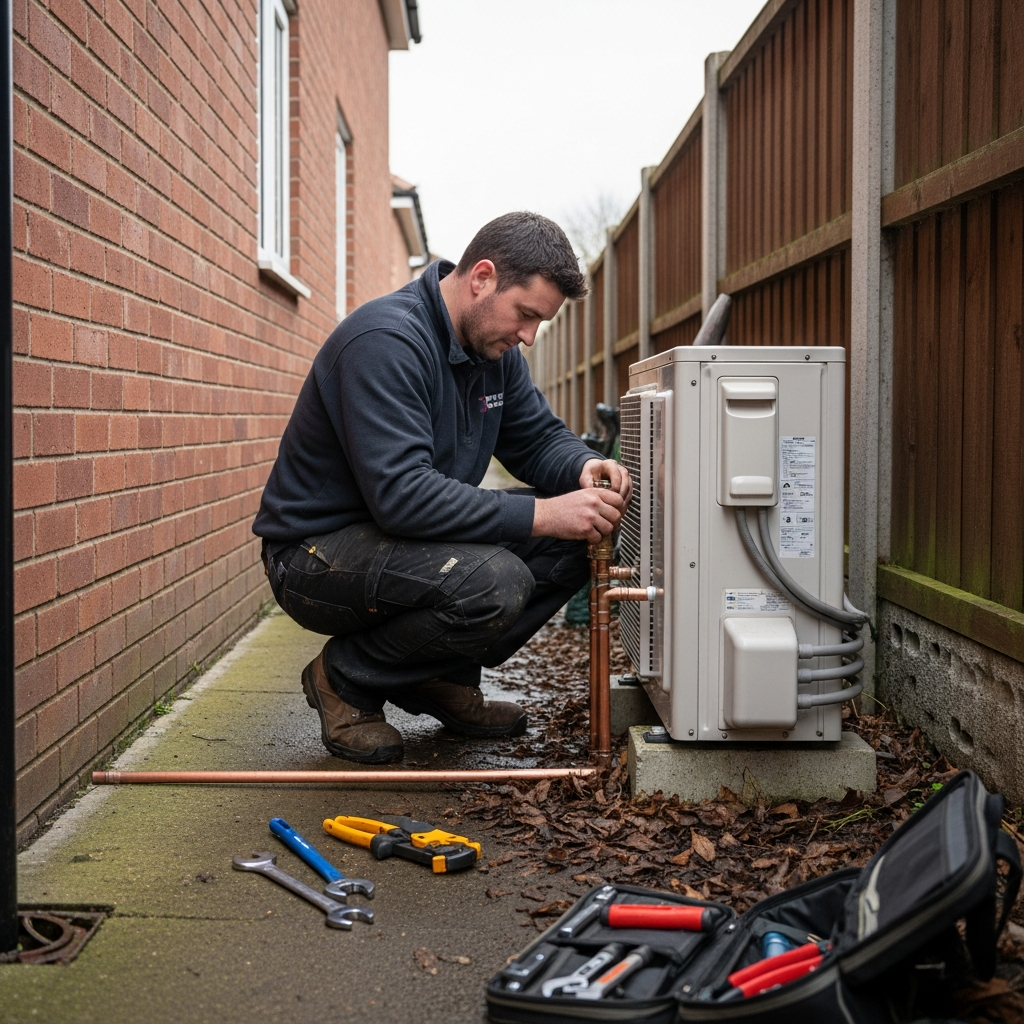
- Safely decommissioning the old unit and recovering refrigerant
- Removing the old outdoor unit and installing the new one on the existing base
- Connecting the new unit to existing pipework (adapters may be needed if pipe sizes differ)
- Commissioning and testing the new system
- Updating controls and potentially fitting a new hot water cylinder if the existing one is incompatible
A straightforward like-for-like replacement can often be completed in one to two days, compared to the three to five days typical for a first-time installation.
Warranty Considerations
Before paying for any major repair, check your warranty status carefully:
- Manufacturer warranty: Typically 5 to 7 years on major components. Some manufacturers offer extended warranties of up to 10 years if the system was installed by an approved installer and has been regularly serviced.
- Installer warranty: Your installer may offer a separate workmanship warranty covering the installation itself, usually 2 to 5 years.
- Extended warranty products: Some homeowners purchase extended warranty or maintenance plans. Check any paperwork from your installation.
If your heat pump is still within warranty, contact the manufacturer or installer before paying for third-party repairs. Unauthorised repairs can void remaining warranty coverage.
Keeping Your Heat Pump Running Longer
The best way to avoid premature replacement is regular maintenance. An annual service by a qualified engineer costs £100 to £200 and can catch developing issues before they become expensive failures. Key maintenance tasks include:
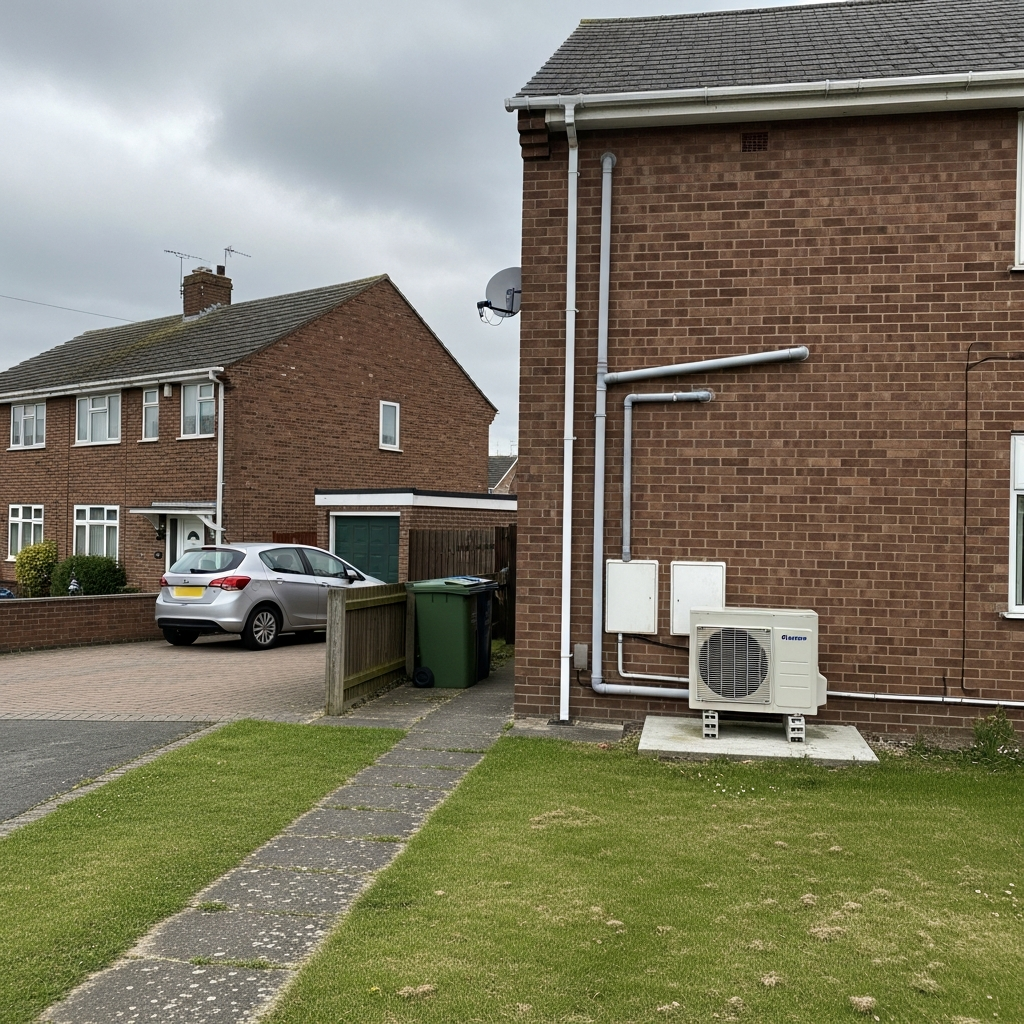
- Keeping the outdoor unit clear of leaves, debris, and vegetation
- Checking refrigerant pressures annually
- Cleaning or replacing filters
- Verifying that the defrost cycle is operating correctly
- Checking electrical connections and controls
A heat pump that has been regularly serviced throughout its life is far more likely to reach 20 years than one that has been neglected. Combining your heat pump with solar panels can also reduce the electrical load on the compressor during daylight hours, potentially extending component life.
Getting Quotes: Repair and Replacement
When your heat pump develops a fault, the smartest approach is to get both a repair quote and a replacement quote at the same time. Many MCS-certified installers will assess your existing system and provide honest advice about whether repair or replacement is the better option.
When getting quotes, ask:
- What exactly has failed, and is this a symptom of wider wear?
- Are replacement parts readily available for this model?
- If repaired, how long can the system reasonably be expected to continue running?
- What would a replacement cost, and would the existing pipework and cylinder be compatible?
- Is the current system correctly sized for the property, or would a new heat loss calculation suggest a different size?
If you are considering replacement, aim for at least three quotes from different MCS installers to ensure you get the best value and the most appropriate system for your home.
Ready to compare replacement options?
Get free installer quotesMCS-certified installers only. No obligation, no pressure.
Frequently Asked Questions
How long do heat pumps last in the UK?
Air source heat pumps typically last 15 to 20 years with regular maintenance. Ground source heat pump units have a similar lifespan, though the underground ground loop can last 50 years or more. Regular annual servicing is the single biggest factor in achieving the full lifespan.
Is it worth repairing a 15-year-old heat pump?
For minor repairs costing under £300 to £500, yes. For major component failures like a compressor, replacement is usually more cost-effective. A modern unit will also be significantly more efficient, saving you money on running costs from day one.
Can I claim the Boiler Upgrade Scheme grant to replace an existing heat pump?
The Boiler Upgrade Scheme is primarily designed for replacing fossil fuel heating systems. If you are replacing an existing heat pump with a new one, you would not typically qualify for the BUS grant. However, check the latest eligibility criteria as rules can change.
How much does it cost to replace a heat pump?
A like-for-like replacement where existing pipework and infrastructure are reused typically costs £6,000 to £10,000. This is less than a new installation because much of the groundwork is already done. If changes to pipework, the cylinder, or radiators are needed, costs will be higher.
Should I repair my heat pump myself?
No. Any work involving refrigerant must be carried out by an F-gas certified engineer by law. Even non-refrigerant repairs should be done by a qualified heat pump engineer to avoid voiding your warranty or creating safety issues. Electrical work must comply with Part P of the Building Regulations.
What are the signs my heat pump needs replacing rather than repairing?
Frequent breakdowns (more than twice a year), steadily rising energy bills despite no change in usage, the system struggling to heat the property even in mild weather, and repeated faults with different components all suggest the system is approaching end of life.
Heat pump repair and replacement is a key consideration for UK homeowners as the installed base of heat pumps grows. Understanding when to repair versus replace connects to broader topics including heat pump costs, government grants, and the transition from fossil fuel heating. For homeowners considering combining solar panels with a heat pump, upgrading to a modern inverter-driven system with smart controls unlocks the greatest savings from self-consumed solar electricity.