Heat Pump Decommissioning: Removing an Old System
Venting heat pump refrigerant into the atmosphere is illegal and carries fines of tens of thousands of pounds. Whether you are upgrading to a newer model or removing a system entirely, proper decommissioning by an F-gas certified engineer is not optional — here is exactly what it involves and what it costs.
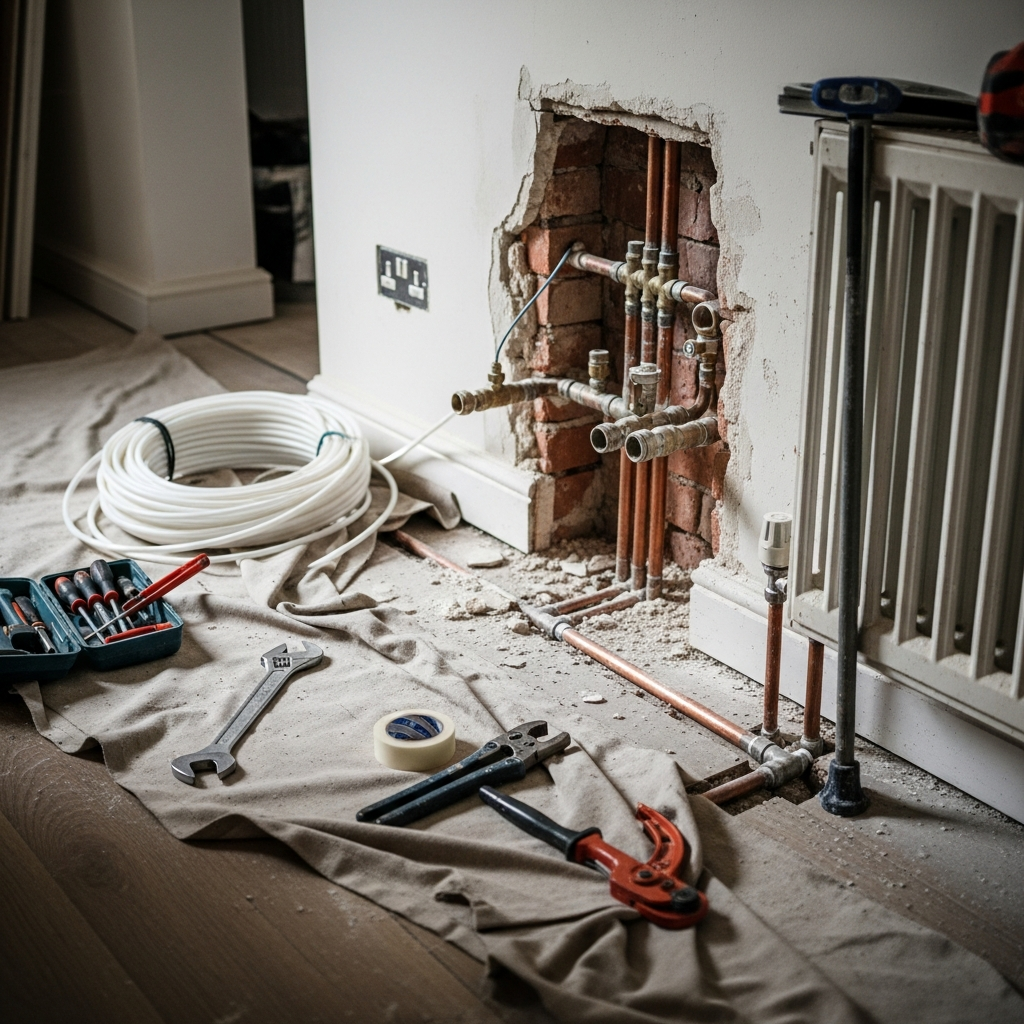
Whether your heat pump has reached end of life, you are upgrading to a newer model, or circumstances mean the system is no longer needed, removing a heat pump is not as simple as unplugging it and carrying it away. There are legal requirements around refrigerant handling, electrical disconnection procedures, and proper disposal of components.
This guide covers the full decommissioning process, what it costs, who can legally do the work, and the situations where heat pump removal becomes necessary. If you are weighing up whether to repair or replace, read our repair vs replacement guide first.
Planning a replacement? See what a new system costs
Use the free calculatorInstant estimate including the £7,500 BUS grant. No email required.
When Do You Need to Remove a Heat Pump?
- End of life replacement: Your heat pump is 15 to 20 years old and you are replacing it with a new unit
- System failure beyond economic repair: A major component has failed and the repair cost exceeds the system's value
- Property renovation: Major building work requires removal of the outdoor unit, pipework, or indoor components
- Incorrectly installed system: If an original installation was poorly designed or installed by an unqualified person
- Property demolition: The heat pump must be properly decommissioned before any demolition work
Legal Requirements for Heat Pump Removal
The most important legal requirement relates to refrigerant. Under UK F-gas regulations, it is illegal to vent refrigerant into the atmosphere.
Refrigerant Recovery
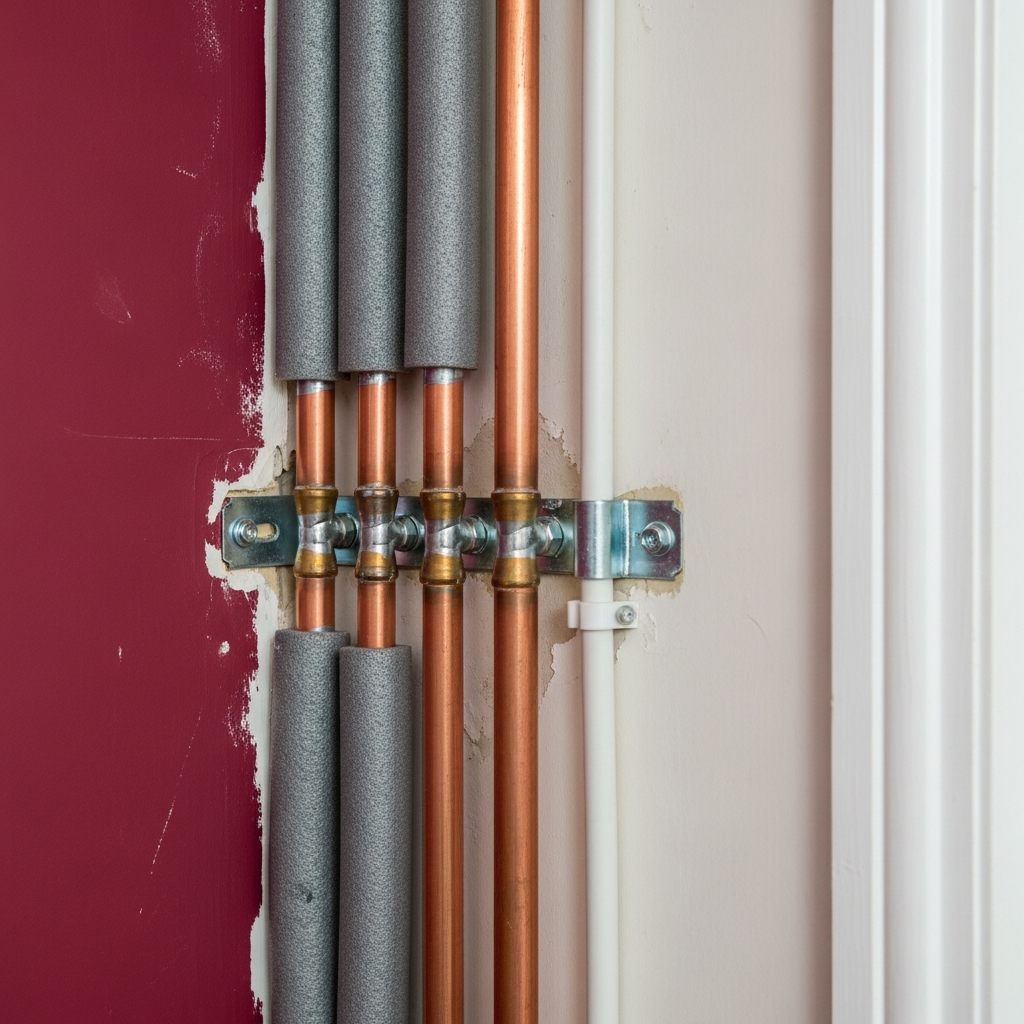
Before any physical removal work begins, every gram of refrigerant must be extracted from the system. This involves connecting recovery equipment, extracting refrigerant into certified cylinders, verifying full evacuation with a vacuum gauge, and documenting the type and quantity recovered.
Electrical Disconnection
The heat pump must be electrically isolated before removal — switching off the dedicated circuit breaker, disconnecting at the isolator switch, and removing or making safe dedicated wiring runs.
Waste Disposal
Heat pumps are classed as Waste Electrical and Electronic Equipment (WEEE) under UK regulations and must go to an approved recycling facility rather than landfill.
The Decommissioning Process Step by Step
| Step | Activity | Duration |
|---|---|---|
| 1 | Assessment and planning | Part of survey |
| 2 | System shutdown | 15 minutes |
| 3 | Refrigerant recovery | 30–60 minutes |
| 4 | Electrical disconnection | 30 minutes |
| 5 | Pipework disconnection | 30–60 minutes |
| 6 | Physical removal of outdoor unit | 30–60 minutes |
| 7 | Indoor component removal (if needed) | 1–3 hours |
| 8 | Making good (sealing penetrations, tidying) | 1–2 hours |
| 9 | Documentation (recovery certificate, waste transfer) | 15 minutes |
Typical timings for a domestic air source heat pump decommissioning. Ground source systems take longer.
If the system is being replaced, the new system survey typically incorporates the decommissioning assessment. The new installer handles the entire transition from old to new.
Get quotes that include decommissioning of your old system
Get free quotesMCS-certified installers. Replacement quotes include removal of the old unit.
How Much Does Heat Pump Removal Cost?

- Refrigerant recovery only: £150 to £300
- Full outdoor unit removal (part of replacement): £300 to £600 — most replacement installers include this in their quote
- Complete system removal (outdoor unit, cylinder, pipework, making good): £500 to £1,200
If the removal is part of a new heat pump installation, most installers absorb the decommissioning cost into their overall price. Always confirm this when getting quotes.
Ground Source Heat Pump Decommissioning
Removing a ground source heat pump follows the same process for the unit itself. However, the ground loop raises additional questions:
- The ground loop is usually left in place. Removing it would involve extensive excavation.
- A new ground source heat pump can connect to the existing loop if it is in good condition and correctly sized
- Borehole loops are essentially permanent fixtures that can be reused or abandoned with no environmental impact
Recycling and Scrap Value
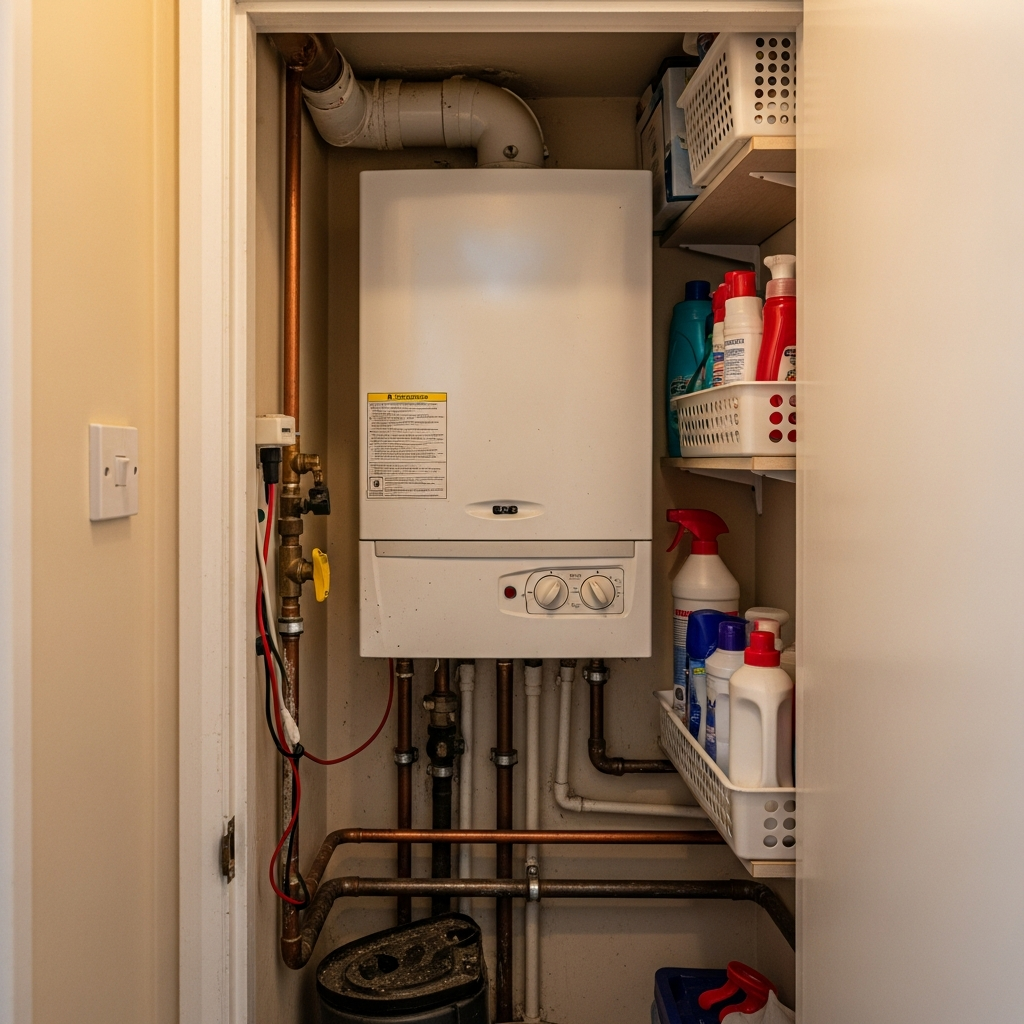
Heat pump outdoor units contain copper, aluminium, steel, and electronic components with scrap value. While you are unlikely to profit, the metal content can offset disposal costs. Never allow an unqualified person to remove a heat pump — the refrigerant must be recovered first by a certified engineer.
Can I Remove a Heat Pump Myself?
In short: no, not fully. You are legally prohibited from handling refrigerant without F-gas certification. What you can do is clear the area around the unit, remove fencing or screening, and ensure a clear path for the removal team.
Ready to upgrade to a modern, efficient heat pump?
Get replacement quotesIncludes decommissioning of your old system. No obligation.
Frequently Asked Questions
How long does heat pump decommissioning take?
For a straightforward domestic air source heat pump, allow half a day. If indoor components are also being removed, allow a full day.
Do I need planning permission to remove a heat pump?
No. You do not need planning permission to remove a heat pump.
Can the old base be used for a new heat pump?
Usually yes. Concrete bases can typically be reused, although the new unit may have different mounting dimensions. Your installer will confirm during the survey.
What happens to recovered refrigerant?
Recovered refrigerant is sent to a specialist facility where it is either reclaimed, recycled, or destroyed. All routes are tightly regulated under UK F-gas and waste regulations.
Will removing a heat pump affect my EPC rating?
Yes. If you replace it with a less efficient system, your EPC drops. Replacing with a newer, more efficient heat pump should maintain or improve the rating.
Can I remove just the outdoor unit and keep indoor components?
You can remove the outdoor unit while keeping the hot water cylinder and pipework if they will be reused with a replacement system. If no replacement is planned, keeping orphaned components serves no purpose.
Heat pump decommissioning is a regulated process in the UK governed by F-gas and WEEE legislation. Understanding the requirements connects to broader topics including replacement costs, grant eligibility, and the UK's transition to low-carbon heating. Homeowners upgrading their heat pump system alongside solar panel installation can maximise the environmental and financial benefits of the transition.