Heat Pump Installation Timeline: Week by Week
One of the most common questions from homeowners considering a heat pump is simply: how long does the whole process take? The answer depends on several factors, but most domestic heat pump installations follow a predictable pattern from first enquiry to a fully working system.
This guide gives you a realistic week-by-week breakdown of a typical UK heat pump installation, covering every stage from the initial survey through to commissioning and handover. Knowing what to expect helps you plan around the disruption and avoids any surprises along the way.
The Quick Overview
For a straightforward air source heat pump installation in a typical UK home, expect the following approximate timeline:
- Weeks 1-2: Survey, heat loss calculation, and detailed quotation
- Weeks 2-4: Grant application, scheduling, and preparation
- Weeks 4-6: Installation, commissioning, and handover
Total: approximately 4 to 6 weeks from initial survey to a fully operational heat pump. However, this can extend to 8 to 12 weeks during busy periods (typically autumn) or if complications arise.
Week 1: Initial Enquiry and Survey
Making First Contact
The process starts when you contact one or more MCS-certified installers for quotes. Most installers will ask some basic questions over the phone or through an online form to determine whether your property is a good candidate:
- Property type and approximate size
- Current heating system (gas boiler, oil, electric, etc.)
- Insulation levels and any recent energy improvements
- Whether you have outdoor space for the heat pump unit
- Whether you want to apply for the Boiler Upgrade Scheme grant
The Home Survey
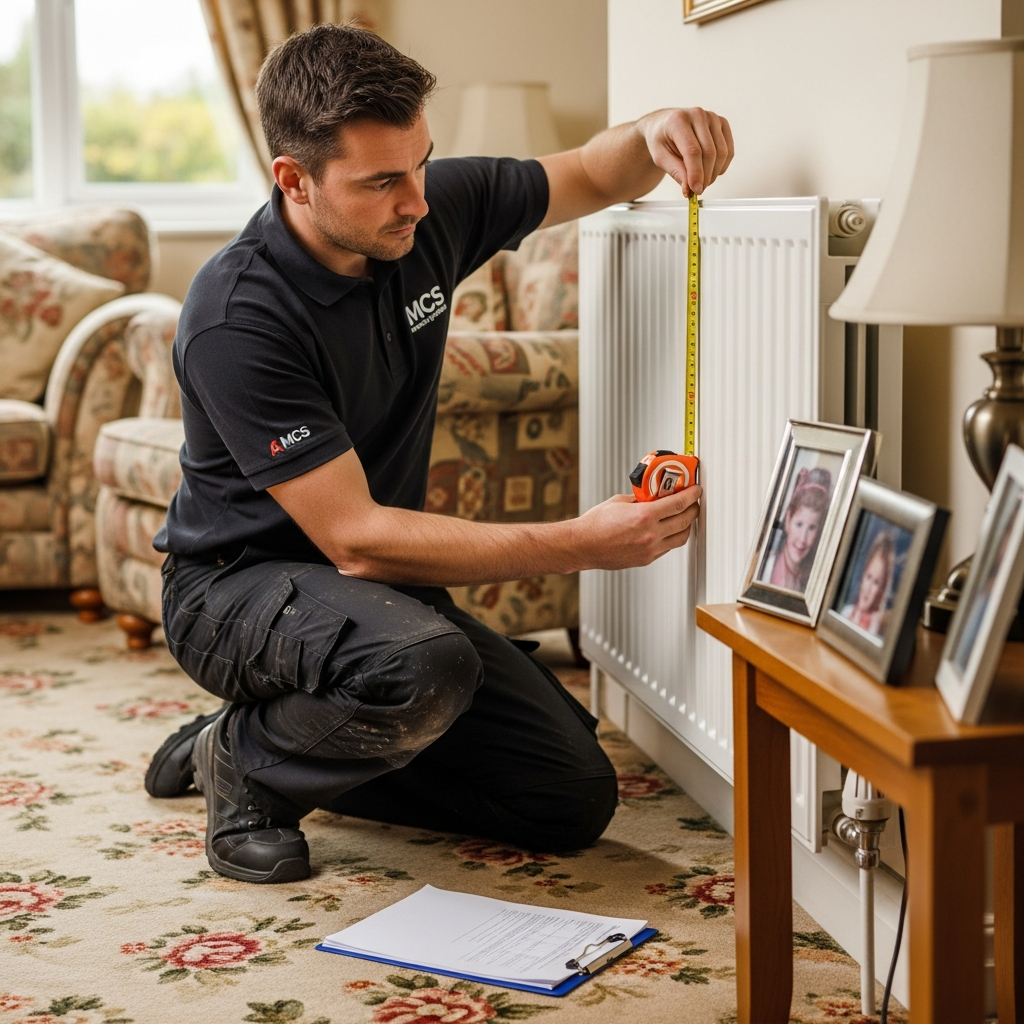
A qualified surveyor visits your property to carry out a detailed heat pump survey. This typically takes 1.5 to 3 hours and includes:
- A room-by-room heat loss calculation measuring every room, noting window sizes, wall construction, insulation, and orientation
- Assessment of your current radiators and whether they are large enough for low-temperature heating
- Inspection of the proposed outdoor unit location, checking for space, airflow, noise impact, and access
- Review of the existing hot water cylinder (or space for a new one)
- Assessment of the electrical supply — whether your current supply can handle the additional load or whether an upgrade is needed
- Checking plumbing requirements and any modifications needed
Week 2: Quotation and Design
Receiving Your Quote
After the survey, the installer prepares a detailed quotation. A thorough quote should include:
- The heat loss calculation results, showing total heat demand in kilowatts
- Recommended heat pump make and model with capacity
- Hot water cylinder specification
- Any radiator upgrades or additions required
- Electrical work needed (new circuit, potential supply upgrade)
- Pipework modifications
- Controls and thermostat
- Total cost before and after the BUS grant
- Estimated running costs compared to your current system
- Warranty details
Allow 3 to 7 working days after the survey for the quotation to arrive. If you are getting multiple quotes (recommended — aim for at least three), the survey and quotation stage for all installers may take 2 to 3 weeks in total.
Reviewing and Accepting
Take time to compare quotes carefully. The cheapest is not always the best — look at the quality of the survey, the detail in the heat loss calculation, the proposed equipment, and the installer's reputation and warranty terms. Once you have chosen your installer, you will typically pay a deposit (usually 10 to 25 percent) to secure your installation slot.
Weeks 2-3: Grant Application and Scheduling
Boiler Upgrade Scheme Application
Your MCS installer applies for the BUS grant on your behalf through the Ofgem portal. The process requires:
- Your property details and current heating system
- The proposed heat pump specification
- Confirmation of MCS compliance
- Your consent and signature
Grant approval typically takes 1 to 2 weeks, though processing times vary. Your installer should not start work until the grant is confirmed to avoid any risk of it being declined after installation.
If you are in Scotland, the Home Energy Scotland grant process takes longer — typically 4 to 8 weeks — so factor this into your timeline.
Scheduling the Installation
Once the grant is approved and any deposit paid, your installer schedules the work. During busy periods (September to November is peak season), you may wait 2 to 6 weeks for a slot. During quieter periods (spring and summer), installations can often be scheduled within 1 to 2 weeks.
Your installer will also order equipment during this period. Most commonly used heat pump models are available from UK stock within a few days, but specialist or high-demand models may take longer.
Weeks 3-4: Preparation Work
Pre-Installation Tasks
Some preparation work may happen before the main installation team arrives:
- Electrical supply upgrade: If your property needs a larger electrical supply (common in older homes with a 60 or 80 amp fuse), this must be arranged with your Distribution Network Operator (DNO). This can take 2 to 6 weeks and should be started as early as possible. Your installer will advise if this is needed.
- Concrete base: The outdoor unit needs a level, solid base. If one does not already exist, it may be laid during a short preparation visit a few days before the main installation, allowing time for the concrete to cure.
- Scaffolding: If pipe runs need to go up or over the building, scaffolding may be erected the day before installation begins.
- Radiator upgrades: If larger radiators are needed in some rooms, these may be fitted in advance to minimise the time your heating is offline.
What You Can Do to Prepare
Before the installation team arrives, you can help by:
- Clearing the area where the outdoor unit will be placed
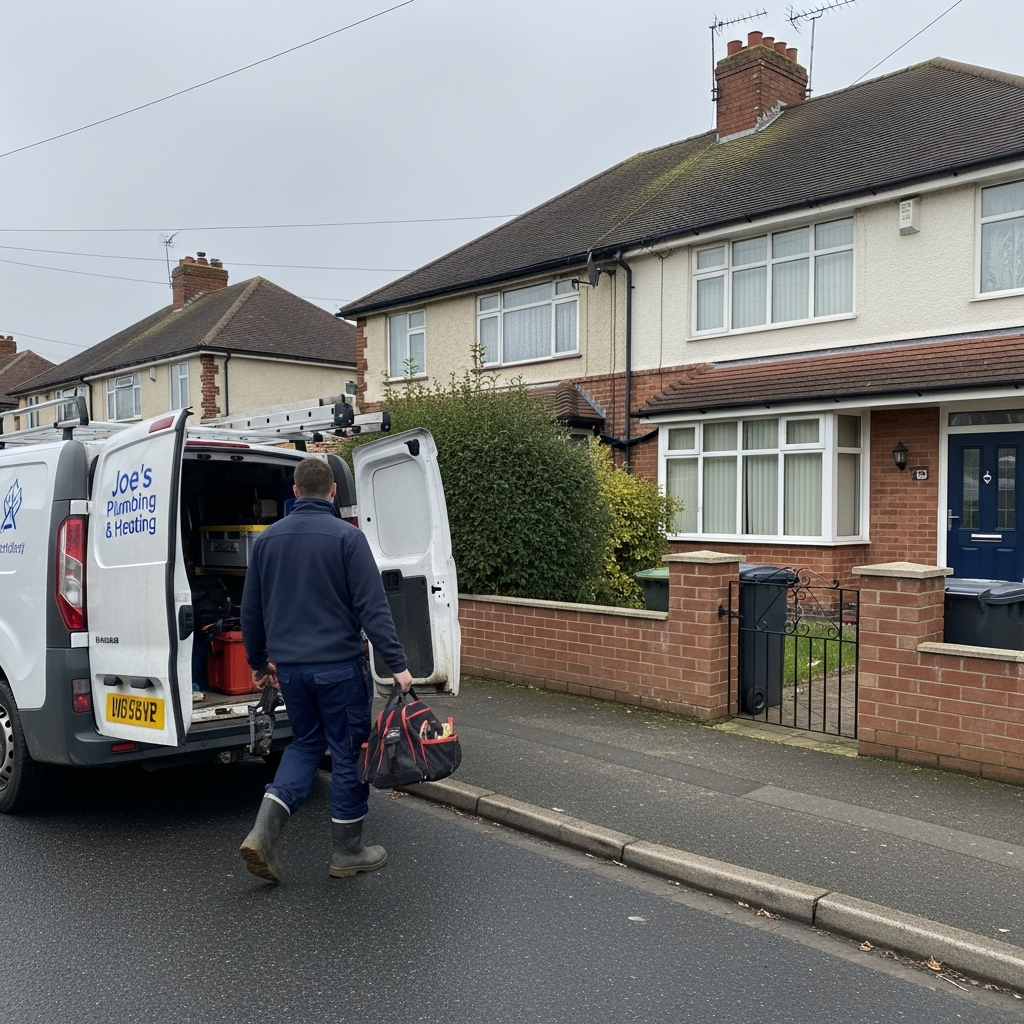
- Ensuring clear access from the road to the installation location (the outdoor unit and cylinder will need to be carried in)
- Clearing space in the airing cupboard or utility room for the new hot water cylinder
- Removing any items stored near the existing boiler or cylinder that will be in the way
- Making arrangements if you have pets that might be disturbed by the work
Weeks 4-5: The Installation
Day 1: Groundwork and Outdoor Unit
The installation typically begins outside:
- Placing or finalising the outdoor unit base
- Positioning and securing the heat pump outdoor unit
- Running refrigerant pipework (or water pipework for monobloc systems) from the outdoor unit to the building
- Drilling through the wall for pipe penetrations
- Running the electrical supply cable from the consumer unit to the outdoor unit
Day 2: Indoor Components
Work moves indoors:
- Removing the old boiler (if applicable) and disposing of it safely
- Installing the new hot water cylinder
- Fitting any buffer tank or low-loss header
- Connecting the heat pump to the existing heating circuit
- Making any plumbing modifications — new pipework, valves, or connections
- Installing new controls and thermostats
Day 3: Electrical, Testing, and Commissioning
The final day focuses on completing connections and testing:
- Completing all electrical connections and installing the dedicated circuit
- Pressure testing the heating circuit
- Filling and bleeding the system
- Powering up the heat pump and running through the commissioning procedure
- Setting flow temperatures, weather compensation curves, and hot water schedules
- Testing heating in every room and checking hot water delivery
- Adjusting any radiator balancing as needed
Typical Installation Duration
For a standard air source heat pump installation:
- Simple replacement (e.g. replacing an existing heat pump): 1 to 2 days
- Standard installation replacing a gas boiler: 2 to 3 days
- Complex installation (radiator upgrades, significant pipework changes): 3 to 5 days
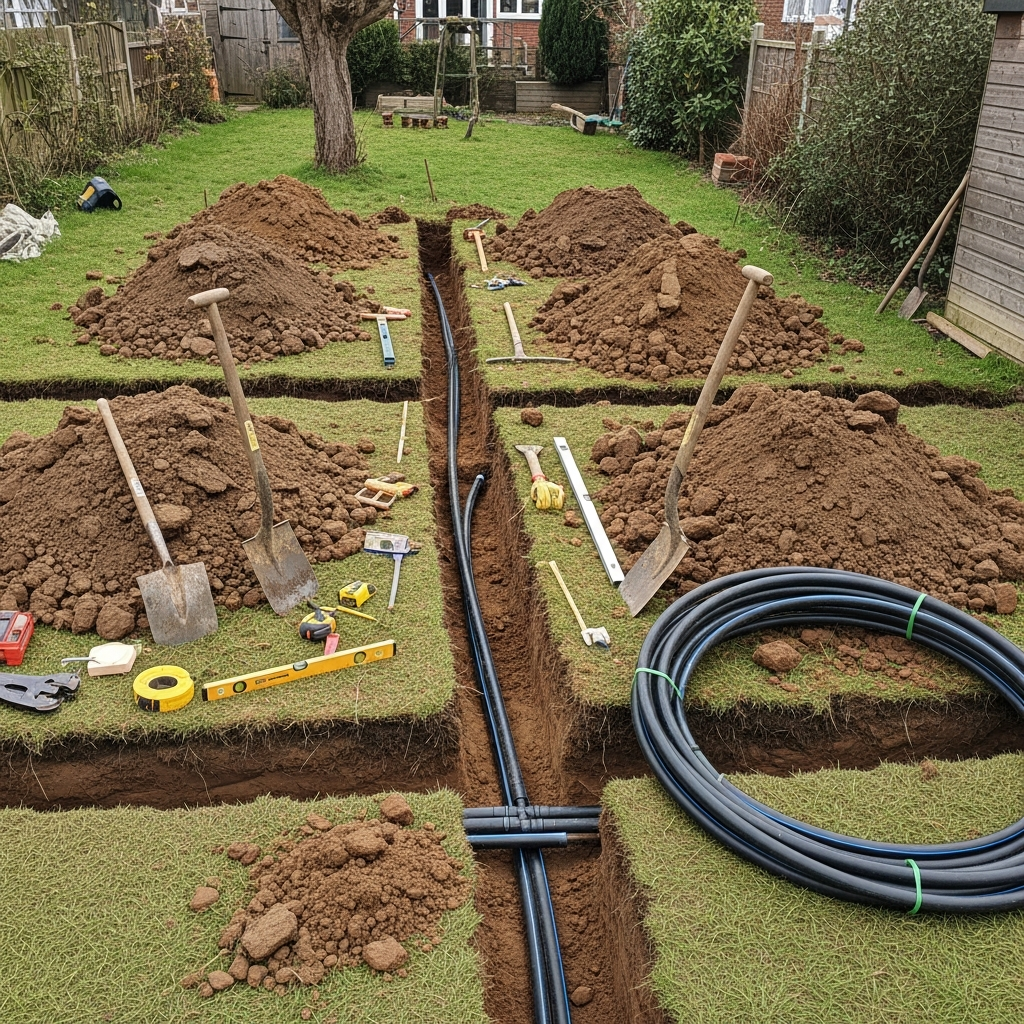
- Ground source heat pump (including ground loop): 3 to 7 days for installation, plus 1 to 3 days for ground works (borehole drilling or trench digging)
During the installation, your heating and hot water will be offline. Plan for this — in winter, you may want portable heaters and arrangements for hot water (such as a kettle or visiting a neighbour). Most installers try to get the system operational as quickly as possible and will prioritise hot water first.
Week 5-6: Handover and Settling In
The Handover
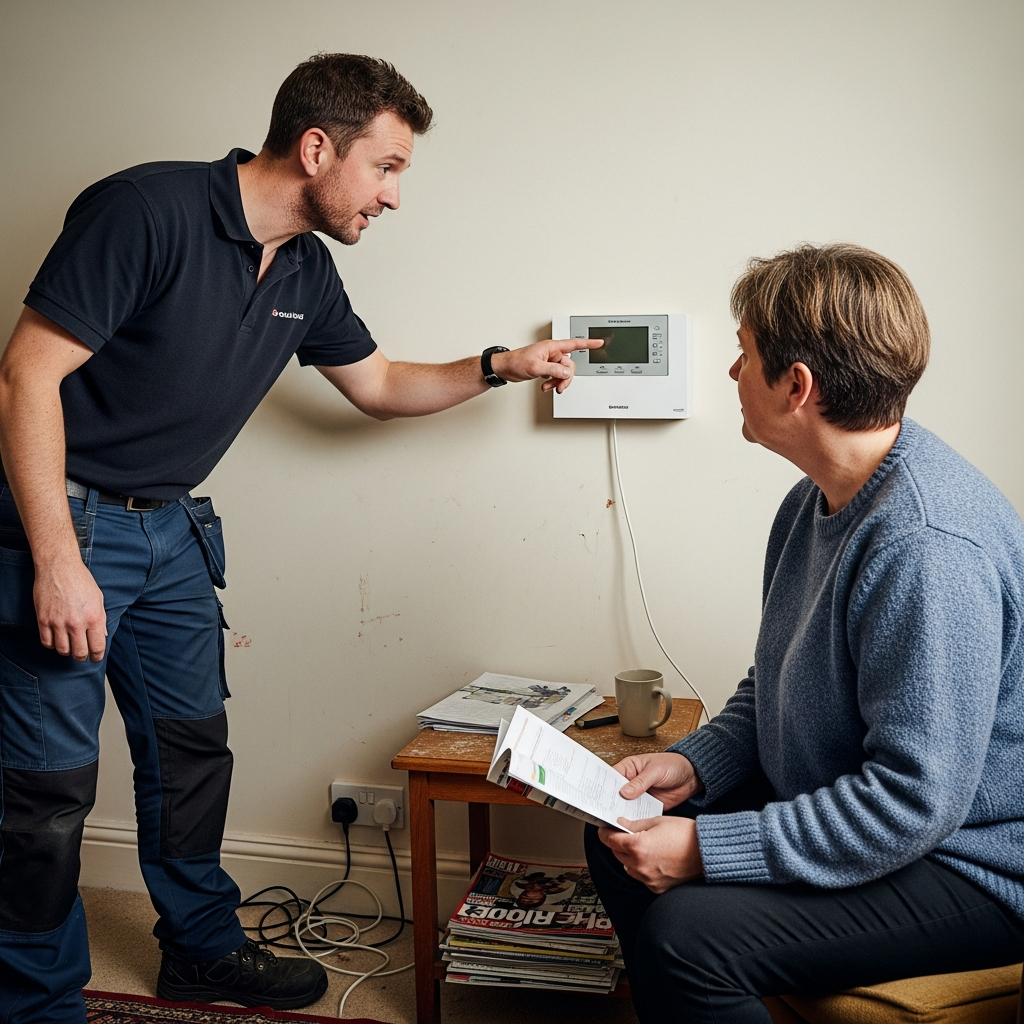
Once the installation is complete and commissioned, the installer should spend time explaining your new system:
- How to use the controls and thermostat
- What flow temperatures are set and why
- How weather compensation works
- Hot water schedules and settings
- What to do if you see an error code
- How to top up the system pressure
- Contact details for warranty and service support
You should also receive documentation including the MCS certificate, commissioning record, warranty information, and any building control notifications.
The First Few Weeks
Heat pumps work differently from gas boilers, and there is usually an adjustment period:
- Lower radiator temperatures are normal: Your radiators will feel warm rather than hot. This is by design — heat pumps are most efficient at lower flow temperatures.
- The system runs for longer: Unlike a boiler that blasts heat for short periods, a heat pump may run for many hours at a lower output. This is more efficient and provides more consistent comfort.
- Fine-tuning may be needed: Your installer may visit after a week or two to check settings and make adjustments based on how the system is performing in real conditions.
Factors That Can Extend the Timeline
Several things can push the overall process beyond 6 weeks:
- Electrical supply upgrade: If your DNO needs to upgrade your supply, this can add 2 to 8 weeks depending on the work required and DNO schedules.
- Planning permission: If your property needs planning permission (listed building, conservation area), add 8 to 12 weeks for the application process.
- Insulation work first: If your home needs insulation improvements before a heat pump is viable, this work should be completed first, adding weeks or months to the overall timeline.
- Busy installer schedules: During peak demand (autumn), waiting times for installation slots can stretch to 6 to 12 weeks after placing an order.
- Equipment availability: Most models are readily available, but supply chain issues can occasionally cause delays.
- Structural work: If your property needs a new airing cupboard built, walls modified, or other structural changes, this adds time.
How to Speed Things Up
If you want to minimise the total timeline:
- Get your surveys done early — approach installers well before you want the work completed
- Book during quieter periods (spring and early summer) rather than autumn
- Have your electrical supply checked early and start any upgrade process immediately
- Complete any insulation work before starting the heat pump process
- Respond quickly to installer requests for information or decisions
- Have deposit and payment funds ready
Frequently Asked Questions
Can a heat pump be installed in one day?
A simple like-for-like replacement of an existing heat pump can sometimes be completed in one day. A first-time installation replacing a gas boiler typically takes 2 to 3 days minimum, as there is substantially more work involved.
How long will I be without heating during the installation?
Typically 1 to 2 days. Good installers plan the work to minimise the time your heating is offline. In some cases, they can keep your existing boiler running until the heat pump is ready to take over, reducing the gap to just a few hours.
When is the best time of year to install a heat pump?
Late spring and summer are ideal. Installer availability is better, the weather is more favourable for outdoor work, and you do not need heating, so any disruption is minimal. The main downside is that you cannot fully test the heating performance until cold weather arrives.
How long does a ground source heat pump installation take?
Longer than air source. The ground works (trench digging or borehole drilling) add 1 to 5 days depending on the loop type. Borehole drilling requires specialist equipment and takes 1 to 2 days per borehole. The total on-site time is typically 5 to 10 working days, with the overall project timeline stretching to 6 to 10 weeks.
What if there are delays with the grant application?
Most installers will not begin work until the grant is confirmed. If there are delays with the Boiler Upgrade Scheme application, this pushes back your installation date. Delays are uncommon but can happen during periods of high demand or if information is missing from the application.
Do I need to be at home during the installation?
You need to be available on the first day to give the team access and discuss any last-minute details. You do not necessarily need to be present for every hour of the installation, but someone should be contactable and able to make decisions if questions arise. You must be present for the handover and system demonstration.