Home Heat Pump Guide

Can You Move a Heat Pump If You Move House?

You have invested £10,000 or more in a heat pump system, and now you are moving house. Naturally, you wonder: can you take it with you? The short answer is that while it is technically possible to relocate a heat pump, it is almost never practical or cost-effective. The vast majority of homeowners leave the system in place and factor its value into the property sale.

This guide explains why moving a heat pump is so difficult, what it would actually cost, the rare situations where it might make sense, and how to handle the heat pump when selling your home.

Why Moving a Heat Pump Is So Difficult
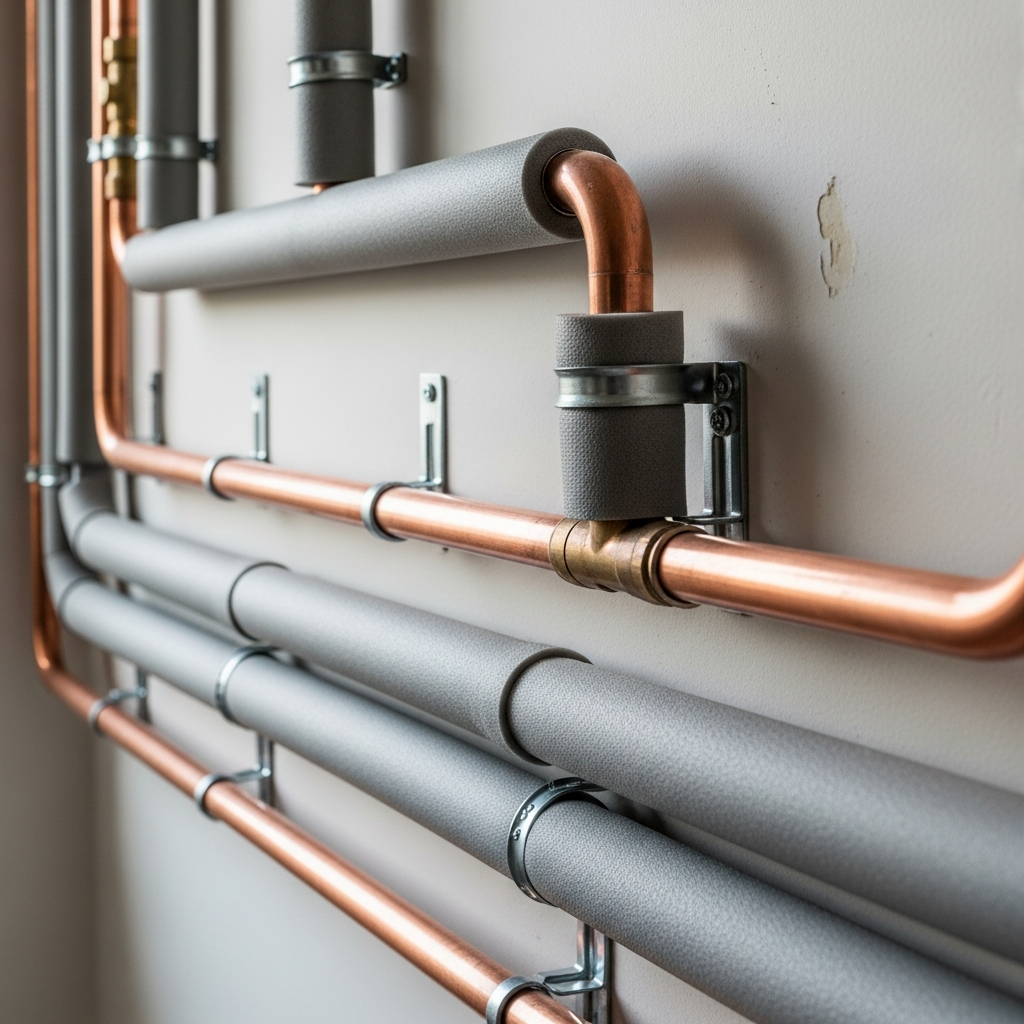
A heat pump is not a portable appliance. It is a permanently installed building services system, integrated into the fabric and infrastructure of your home. Moving it requires undoing an entire installation and then repeating the whole process at the new property.

It Is Sized for the Current Property

The most fundamental problem is that your heat pump was selected based on a heat loss calculation specific to your current home. A different property will have a completely different heat demand. An 8 kW heat pump perfectly sized for your well-insulated 3-bed semi may be far too small for a larger detached house, or wastefully oversized for a smaller flat.

Installing an incorrectly sized heat pump in a new property means poor performance, higher running costs, and a system that may not meet MCS standards — which could affect your ability to claim grants or even meet building regulations.

The Installation Is Property-Specific

Every heat pump installation is tailored to the specific property:

  • Pipe runs are routed through specific walls, floors, and voids in the current building
  • The concrete base is poured in a specific location suited to the current property's layout
  • Electrical connections are wired from the consumer unit to the outdoor unit location, with cable routes specific to the building
  • The hot water cylinder is selected for the current property's hot water demand and fitted into the available space
  • Radiator modifications were done to suit the current property's rooms and heat losses
  • Controls and zones are configured for the current property's layout

None of this transfers to a different building. The outdoor unit itself could theoretically be moved, but everything around it would need to be installed from scratch.

The Cost of Moving vs Buying New

If you were to relocate a heat pump, the process would involve:

  • Decommissioning at the old property: Refrigerant recovery, electrical disconnection, removal of the outdoor unit, disconnection of all pipework — approximately £400 to £800
  • Transport: The outdoor unit must be transported upright and carefully — approximately £100 to £300
  • New survey at the new property: A full heat pump survey to confirm the unit is suitable (it likely is not) — £100 to £300
  • New installation at the new property: New base, new pipework, new electrical circuit, new controls, potentially a new cylinder — approximately £4,000 to £8,000
  • Reinstating heating at the old property: The buyer of your current home will need a heating system. You would need to install an alternative before completing the sale — approximately £2,000 to £4,000 for a basic boiler or more for a new heat pump

Total estimated cost: £6,600 to £13,400

Compare this with simply buying a new heat pump correctly sized for the new property (£10,000 to £16,000 before grants, or £4,000 to £8,500 after the Boiler Upgrade Scheme grant). The economics almost always favour leaving the existing system and installing a new one.

What About the Boiler Upgrade Scheme Grant?

If you received the BUS grant for your current heat pump, the grant terms do not require you to keep the system in the property for a specific period. However, removing the heat pump from a property where it replaced a fossil fuel system would mean the property reverts to needing a new heating system.

For the new property, if it currently has a fossil fuel heating system, you could apply for a new BUS grant for a properly sized heat pump. This makes buying new even more attractive compared to the expense and complications of relocating.

When Moving a Heat Pump Might Make Sense

There are a few rare scenarios where relocation could be worth considering:

Very New, Expensive System

If you installed a premium heat pump less than a year ago and are unexpectedly moving, the financial loss of leaving it may be significant enough to justify relocation — but only if the new property happens to be a good match for the system's capacity.

New Property Is Very Similar

If your new property is remarkably similar to the current one — same size, similar construction, similar heat loss — the existing heat pump might be an appropriate size. This is unusual but not impossible, particularly if you are moving within a housing estate of identical properties.

Ground Source: The Unit Only

With a ground source heat pump, the ground loop (boreholes or horizontal pipes) is permanently embedded and cannot be moved. However, the indoor heat pump unit could theoretically be relocated if the new property already has a compatible ground loop. This scenario is extremely rare.

Selling Your Home With a Heat Pump

The good news is that a heat pump adds value to your property. Rather than trying to move it, the smart approach is to factor it into the sale.

How a Heat Pump Affects Property Value

A well-installed heat pump system benefits the sale in several ways:

  • Higher EPC rating: Heat pumps typically improve a property's EPC by one or two bands. With minimum EPC requirements increasingly discussed for property sales and rentals, this is a tangible asset.
  • Lower running costs: Buyers increasingly value low energy bills, particularly as energy prices remain volatile
  • Future-proofing: With the UK moving towards phasing out new gas boiler installations, a property with a heat pump already installed avoids a future expense for the buyer
  • Environmental appeal: A growing segment of buyers actively seek low-carbon homes

Documenting the System for Buyers

To maximise the value your heat pump adds to the sale, prepare documentation for potential buyers:

  • MCS certificate and commissioning documentation
  • Manufacturer warranty details and any extended warranty
  • Service history — a system with a complete service record is more reassuring to buyers
  • Running cost data — your electricity bills showing actual heat pump costs
  • User guides and operating instructions
  • Details of the heat loss calculation and system design
  • Any remaining warranty period

Negotiating the Sale

When selling a property with a heat pump, consider these approaches:

  • Factor it into the asking price: A heat pump installation that cost £12,000 (net of grant) does not add £12,000 to the property value, but it may add £5,000 to £10,000 depending on the local market and how well the system has been maintained.
  • Highlight it in the listing: Make the heat pump a selling point. Low energy bills, low carbon heating, and a high EPC rating are attractive features.
  • Provide running cost evidence: Buyers are often sceptical of heat pump running costs. Real data from your energy bills is far more convincing than theoretical estimates.

Buying a Property With an Existing Heat Pump

If you are on the other side of this equation — buying a property that already has a heat pump — here is what to check:

  • MCS certificate: Confirm the installation was MCS-certified. This gives assurance that it was designed and installed to industry standards.
  • Age and condition: How old is the system? Has it been regularly serviced? Ask for service records.
  • Warranty status: Is the manufacturer warranty still valid? Will it transfer to you as the new owner? Most manufacturer warranties transfer with the property.
  • System performance: Ask the current owner about actual running costs, comfort levels, and any issues they have experienced.
  • Sizing: Was the system properly sized with a heat loss calculation? An MCS certificate implies this was done, but you can ask to see the documentation.

Consider having the system inspected by a qualified heat pump engineer as part of your property survey, particularly if the system is more than 5 years old or if documentation is incomplete.

What If You Are Renting?

If you are a tenant, the heat pump belongs to the landlord as a fixture of the property. You cannot remove it when you move out. If you are a landlord who has installed a heat pump, it stays with the property — it becomes part of the building's services, just like the boiler it replaced.

Relocating Within the Same Property

A separate question is whether you can move a heat pump to a different location within the same property — for example, moving the outdoor unit from one side of the house to another during a renovation. This is more feasible than moving between properties because:

  • The system remains correctly sized for the same building
  • Much of the indoor infrastructure remains the same
  • Only the outdoor unit position and pipe runs change

The cost of relocating within the same property is typically £1,500 to £3,000, covering refrigerant recovery, repositioning, new pipework, and recommissioning. This may be worthwhile if a renovation makes the current position impractical or if you want to improve noise performance by moving the unit further from a bedroom window.

Frequently Asked Questions

Can I legally take my heat pump when I move?

A heat pump is generally considered a fixture (permanently attached to the property) rather than a chattel (movable personal property). Under English property law, fixtures pass with the property unless explicitly excluded from the sale. If you want to remove it, this must be agreed in the sale contract — and you would need to install an alternative heating system for the buyer.

Will the warranty transfer to the new owner?

Most heat pump manufacturer warranties are tied to the installation address rather than the individual owner, so they transfer automatically. Check your warranty terms to confirm. Service contracts and extended warranties may need to be formally transferred.

Does a heat pump add value to my home?

Evidence increasingly suggests that energy-efficient features add value to properties. A heat pump improves the EPC rating, reduces running costs, and future-proofs the property against potential regulations on fossil fuel heating. While the exact value added varies by market, a well-maintained heat pump is generally viewed positively by buyers and estate agents.

What if the buyer does not want a heat pump?

This is becoming less common as awareness of heat pumps grows, but some buyers may be unfamiliar with the technology. Providing clear information about running costs, performance, and how the system works can address concerns. In practice, the lower energy bills and environmental credentials are selling points for most modern buyers.

Can I move just the outdoor unit to a better position in my garden?

Yes, but this requires a qualified heat pump engineer. The process involves recovering the refrigerant, disconnecting and moving the unit, running new pipework to the new location, and recommissioning the system. Budget £1,500 to £3,000 depending on the distance and complexity of the new pipe runs.

What happens if I move house and my heat pump is on a finance agreement?

If you financed your heat pump through a loan (including the Home Energy Scotland interest-free loan), the loan remains your responsibility regardless of whether you keep or leave the heat pump. The loan is a personal financial obligation, not tied to the property. You will need to continue payments or settle the balance. If you are selling the property, you may negotiate to recover some of the cost through the sale price.