Heat Pump and Smart Thermostat Setup
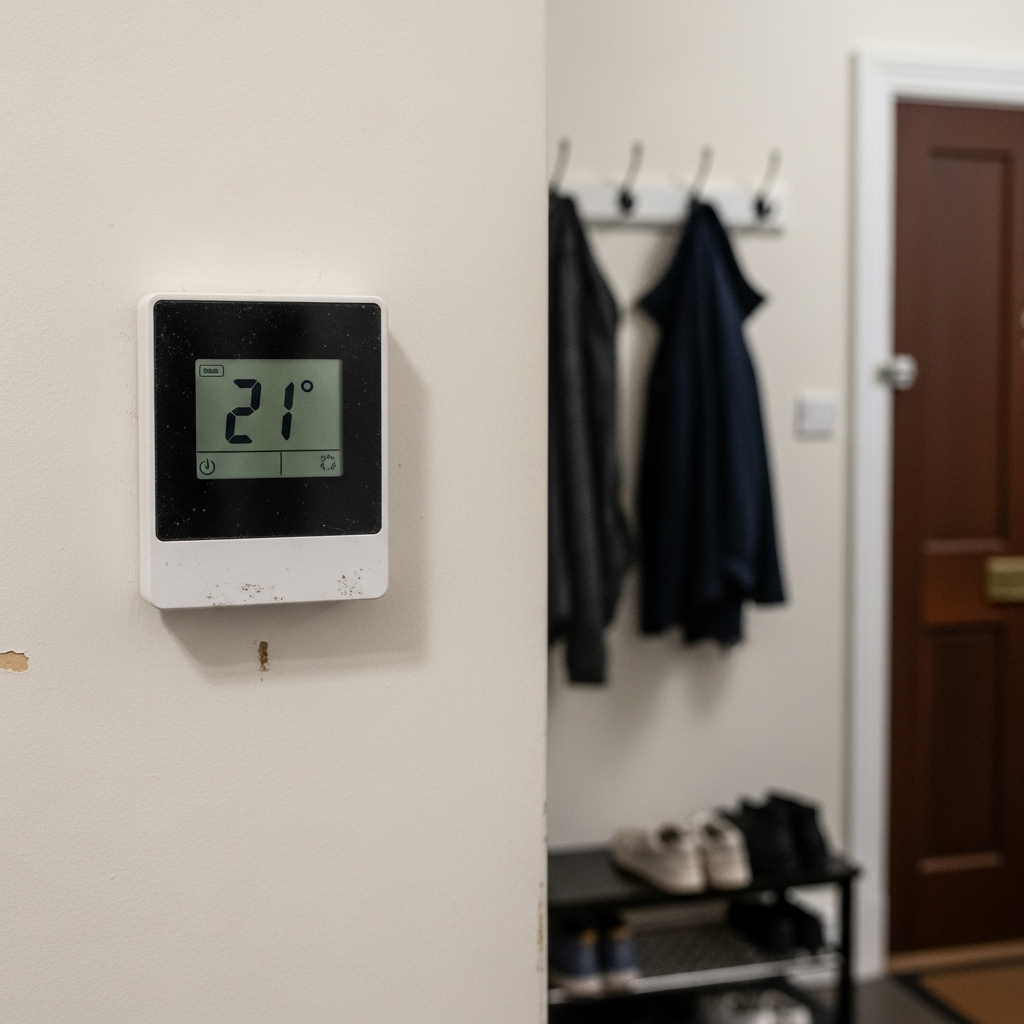
Your heat pump is only as smart as the thermostat controlling it. A heat pump operates fundamentally differently from a gas boiler — it prefers steady, low-temperature operation over the short bursts of high heat that boilers use. The wrong thermostat can force your heat pump into inefficient boiler-like behaviour, while the right one lets it run exactly as designed.
This guide covers which smart thermostats are compatible with heat pumps, how weather compensation works, what zoning options are available, and how to get the most from your setup.
Get an installation that includes the right controls
Get free quotes from MCS-certified installersExperienced installers specify the correct thermostat for your system.
Why Heat Pumps Need Different Controls
A gas boiler fires at full power, quickly heats your home, then switches off. This on-off pattern is fine for boilers but terrible for heat pumps. Heat pumps are most efficient when they run continuously at low output, gradually maintaining a steady temperature. A thermostat designed for boiler-style on-off control will force your heat pump to cycle frequently, wasting energy and increasing wear.
A heat pump-compatible thermostat understands this. It works with the weather compensation system to modulate the heat pump's output smoothly, keeping your home at a consistent temperature without the energy waste of constant cycling.
Weather Compensation Explained
Weather compensation is the single most important control feature for a heat pump. It uses an outdoor temperature sensor to automatically adjust the flow temperature:
Cold day (-5°C)
45°C flow
Higher output to maintain comfort
Mild day (10°C)
30°C flow
Lower output saves significant energy
Warm day (15°C+)
Off or minimal
System reduces output automatically
The "heating curve" that controls this relationship is set during commissioning and may be fine-tuned over the first few weeks.
Compatible Smart Thermostats
| Thermostat | Heat pump support | Weather compensation | Notes |
|---|---|---|---|
| Manufacturer controls (Vaillant, Daikin, etc.) | Full | Yes | Best integration with matching heat pump brand |
| Homely | Full | Yes | Designed specifically for heat pump optimisation |
| Hive (with OpenTherm) | Good | Yes | Works well with OpenTherm-compatible heat pumps |
| Google Nest | Limited | No | Designed for boilers, not optimised for heat pumps |
| Basic programmable | Basic | No | Simple on/off control — not ideal |
Your installer should specify the thermostat as part of the system design. In many cases, the heat pump manufacturer's own controls offer the best integration.
Heating Zones and Room Control
Zoning allows different parts of your home to be heated independently — for example, keeping bedrooms cooler during the day and living areas warmer. This can improve comfort and reduce energy use.
- Two-zone systems: Most common — typically upstairs and downstairs controlled separately via zone valves
- Individual room control: Thermostatic radiator valves (TRVs) allow per-room temperature adjustment
- Smart TRVs: Wireless TRVs that communicate with the central thermostat for room-level scheduling
Zoning works particularly well with heat pumps because you avoid heating rooms that are not in use, reducing the overall demand on the system.

Want to know your potential running cost savings?
Calculate your costsThe right controls can reduce running costs by 10-20% versus poorly configured systems.
Setup Tips for Maximum Efficiency
- Leave weather compensation on: Do not override it. It is the most important efficiency feature
- Use longer heating periods: Heat pumps prefer steady operation over short bursts
- Set realistic temperatures: 20-21°C is comfortable for most people. Every degree above this increases energy use by roughly 10%
- Schedule hot water wisely: Heat the cylinder during off-peak hours if you have a time-of-use tariff
- Use setback, not off: Rather than turning heating off completely at night, reduce the target by 2-3°C
- Monitor your energy use: Use a smart meter or the thermostat's energy data to understand consumption patterns
Homeowners with solar panels can schedule hot water heating during peak solar generation hours, using free electricity to heat the cylinder and further reducing running costs.

Frequently Asked Questions
Does a Nest thermostat work with a heat pump?
The Google Nest thermostat can work with some heat pump systems, but it does not support weather compensation natively. For best results, a thermostat specifically designed for heat pump operation is a better choice.
Do I need a special thermostat for a heat pump?
You need a thermostat that supports weather compensation and understands how heat pumps differ from boilers. Not all smart thermostats do this. Your installer should specify the correct thermostat as part of the system design.
Should I leave my heat pump running all day?
Heat pumps work most efficiently when running for longer periods at lower temperatures. Many installers recommend continuous operation during cold weather, with weather compensation managing the output. This differs from the short on-off cycles typical of boilers.
Get an installation with properly configured controls
Get free quotes from experienced installersThe right thermostat setup is the difference between good and great performance.
About Heat Pump Controls and Smart Technology
Heat pump control systems have advanced significantly, with weather compensation, smart thermostats, and zoning now standard features of quality installations. Proper controls are essential for maximising the coefficient of performance (COP) that makes heat pumps so efficient. The UK's growing smart home ecosystem — including solar panel monitoring systems — enables homeowners to optimise their entire energy system for minimum cost and maximum comfort.