Borehole Heat Pump: Costs, Depth, and What to Expect
Borehole drilling adds £10,000-£20,000 to a ground source heat pump installation — but it enables GSHP heating in gardens too small for horizontal trenches. With drilling charged at £40-£70 per metre and typical depths of 80-150 metres, understanding the costs and process before committing is essential.
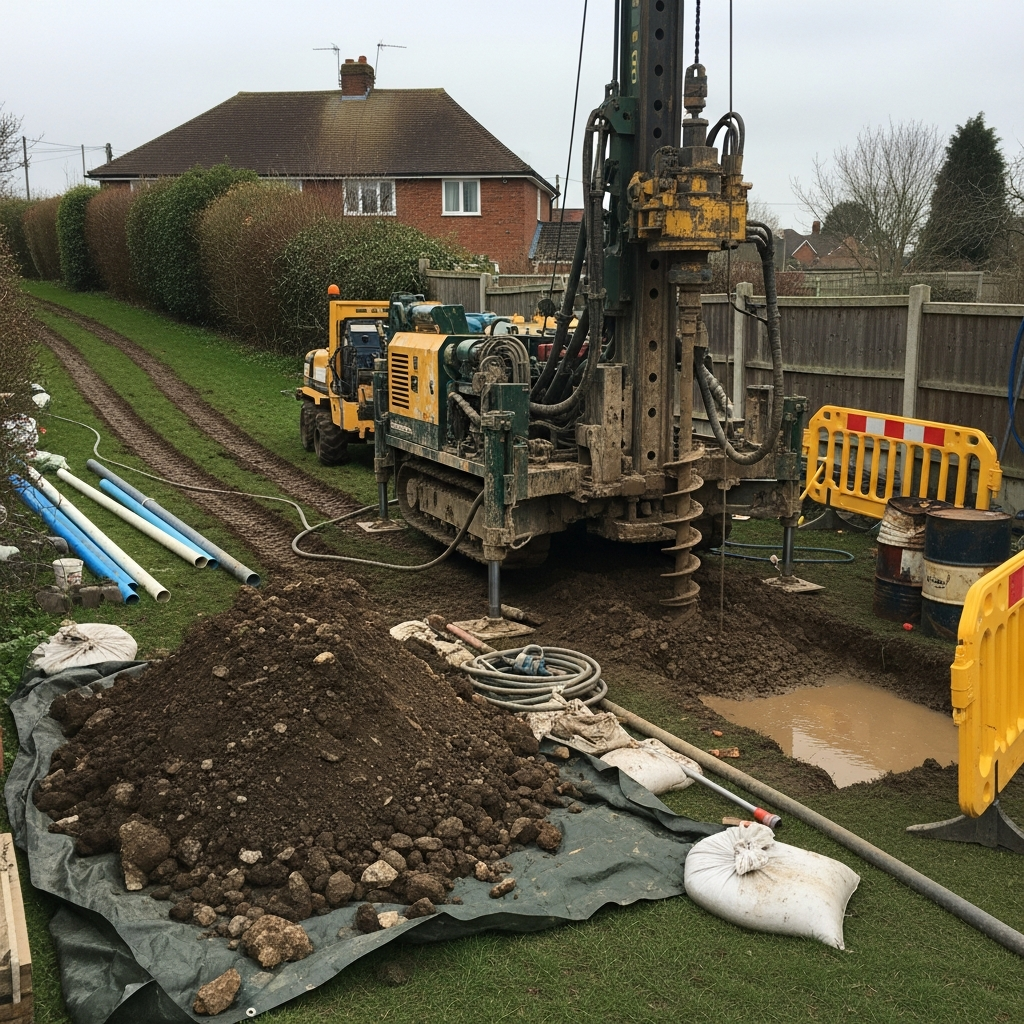
A borehole ground source heat pump is the premium option for domestic renewable heating. By drilling deep into the ground rather than digging shallow trenches, you can install a ground source heat pump even if your garden is too small for horizontal loops — and get slightly higher efficiency in the bargain.
This guide covers everything you need to know about the borehole option. For a general overview, see our complete guide to ground source heat pumps. To compare with horizontal loops, read our horizontal vs vertical comparison.
Get quotes for borehole ground source systems
Get free quotesMCS-certified GSHP specialists with borehole drilling experience.
What Is a Borehole Heat Pump?
A borehole heat pump is simply a ground source heat pump that uses vertical boreholes instead of horizontal trenches. The heat pump unit itself is identical — the only difference is how the underground pipework is arranged.
At borehole depths of 60-200 metres, the rock temperature is extremely stable at around 12-14°C, providing consistent, efficient heat extraction year-round.
How Deep Are Boreholes?
| Property Size | Heat Demand | Typical Borehole Config |
|---|---|---|
| 2-bed cottage | 6-8 kW | 1 x 80-100m |
| 3-bed semi | 8-12 kW | 1 x 100-130m or 2 x 70-80m |
| 4-bed detached | 12-16 kW | 2 x 90-120m |
| Large detached / farmhouse | 16-25 kW | 2-3 x 100-150m |
Multiple shorter boreholes are often preferred over one very deep borehole for practical reasons: reduced drilling risk, better thermal recovery, and equipment limitations.
Borehole Drilling Costs
Cost Per Metre
- Soft ground / easy drilling: £40 - £50 per metre
- Mixed conditions: £50 - £60 per metre
- Hard rock (granite, etc.): £60 - £70+ per metre
Total Borehole Costs by Configuration
| Configuration | Drilling Cost | Grouting & Pipes | Total Borehole Cost |
|---|---|---|---|
| 1 x 80m | £4,000 - £5,600 | £1,500 - £2,500 | £5,500 - £8,100 |
| 1 x 120m | £6,000 - £8,400 | £2,000 - £3,000 | £8,000 - £11,400 |
| 2 x 100m | £10,000 - £14,000 | £3,000 - £4,500 | £13,000 - £18,500 |
| 3 x 100m | £15,000 - £21,000 | £4,000 - £6,000 | £19,000 - £27,000 |
Additional costs: mobilisation (£500-£1,500), manifold connections (£500-£1,000), waste disposal (£200-£500).
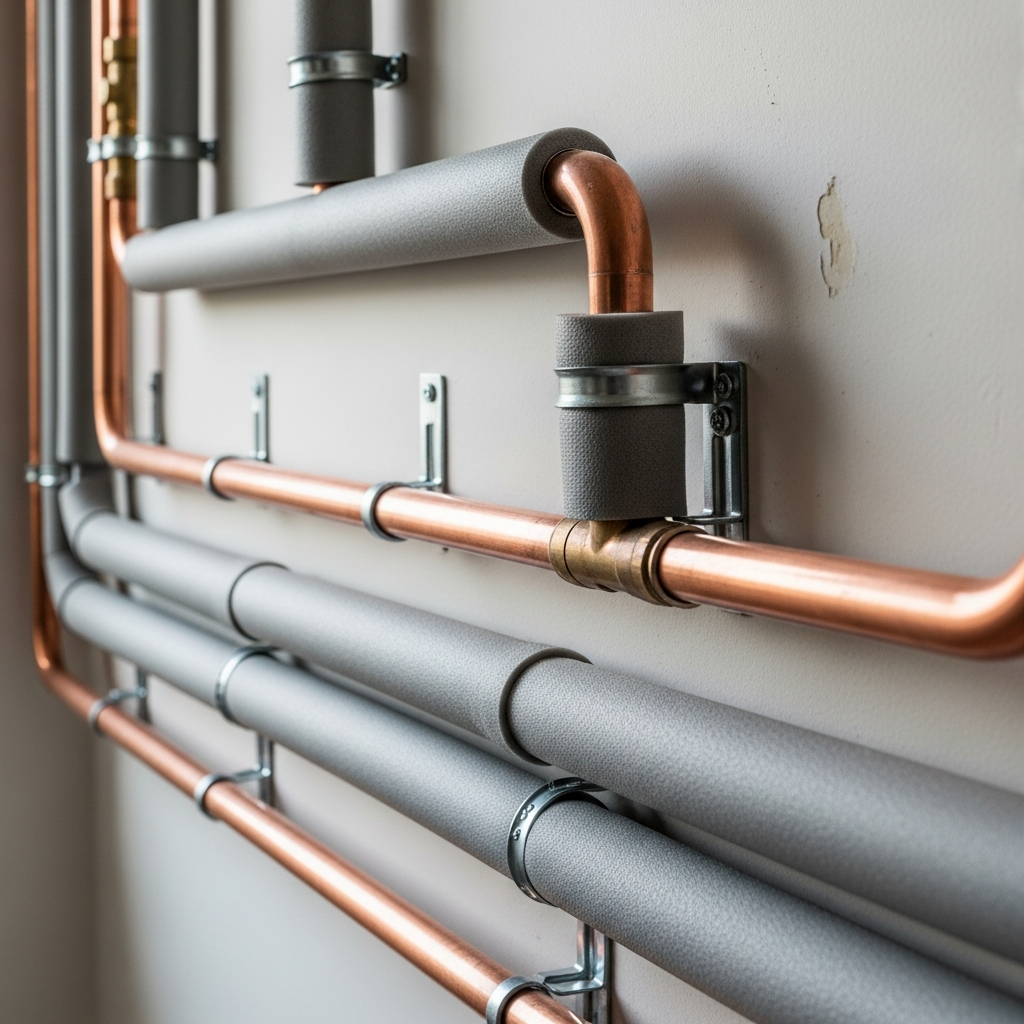
Total System Cost
| Property Size | Total Cost (before grant) | After BUS Grant (£7,500) |
|---|---|---|
| 2-bed cottage (1 borehole) | £20,000 - £28,000 | £12,500 - £20,500 |
| 3-bed semi (1-2 boreholes) | £25,000 - £33,000 | £17,500 - £25,500 |
| 4-bed detached (2 boreholes) | £30,000 - £40,000 | £22,500 - £32,500 |
For the full cost picture, see our ground source heat pump cost guide.
Calculate borehole system costs for your property
Use the free calculatorSee estimated costs before and after the £7,500 grant. Instant results.
The Drilling Process: Step by Step
- Site preparation — containment area set up, water supply arranged
- Rig setup — drilling rig positioned, mast raised (2-4 hours)
- Drilling — rotating and hammering through rock at 2-10 metres per hour depending on conditions
- Pipe installation — U-shaped HDPE pipe lowered into the borehole
- Grouting — thermally conductive grout pumped in from bottom up
- Connection and testing — pipes connected to manifold, system flushed and pressure-tested
What You Need to Know Before Drilling
Access Requirements
- At least 3 metres wide access path
- Strong enough to bear weight — rigs weigh several tonnes
- Free of overhead obstructions — rig mast extends 6-10 metres
- Not blocked by narrow passages — if the rig cannot reach the garden, drilling cannot happen
Access is one of the most common reasons a borehole system is ruled out. Discuss access early with potential installers.
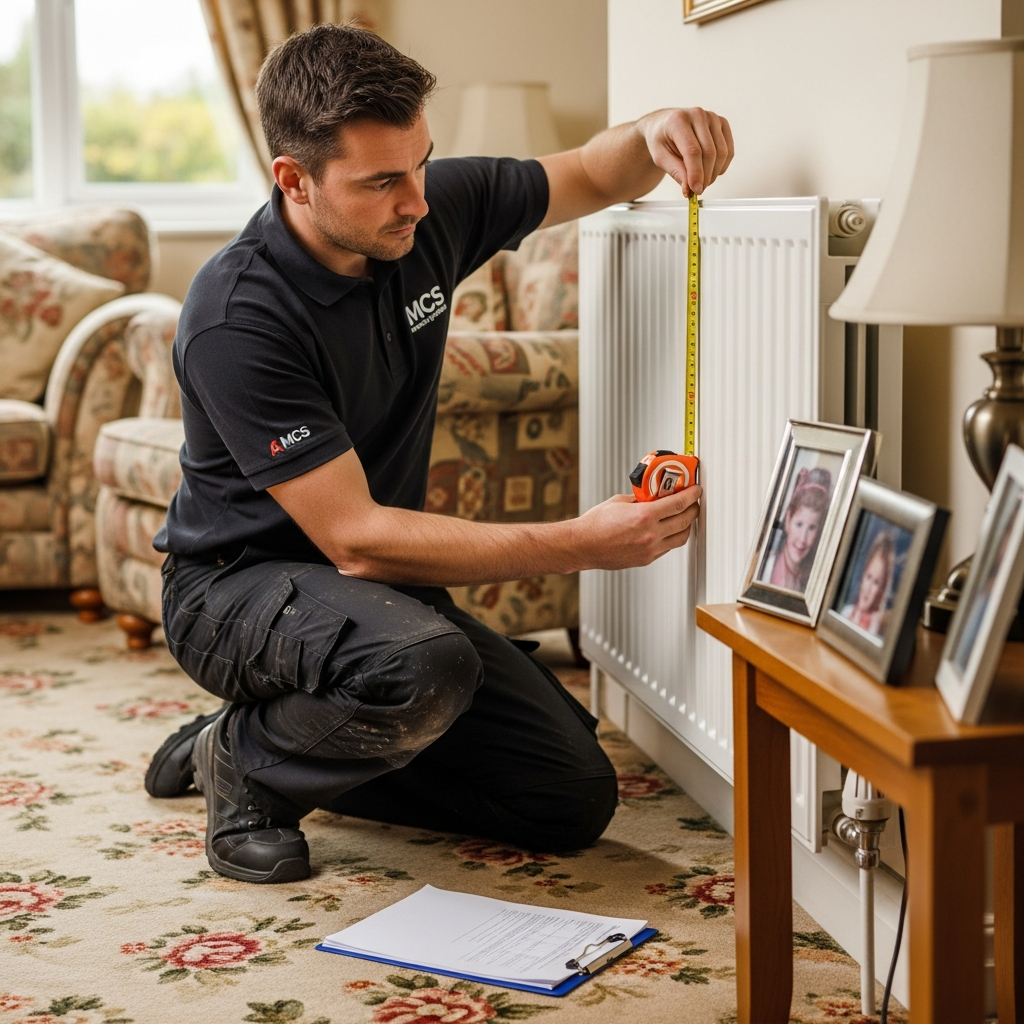
Planning and Permissions
Borehole drilling usually falls under permitted development. However, you may need permission in conservation areas, AONBs, near listed buildings, or in source protection zones. The Environment Agency may require notification. Your installer should handle all consents.
Efficiency of Borehole Systems
SCOP 3.8 - 4.5
Borehole system
SCOP 3.6 - 4.2
Horizontal loop system
£30-£80/yr
Running cost difference
The efficiency advantage comes from more stable, slightly warmer ground temperatures at depth. However, the running cost difference does not justify choosing boreholes over horizontal loops on efficiency grounds alone. Read our horizontal vs vertical comparison.
Risks and Potential Issues
- Harder rock than expected — slowing drilling and increasing costs
- Artesian water — rare but requires specialist management
- Cavities or fractures — can cause drilling fluid losses
- Contaminated ground — may require borehole relocation
Reputable drilling companies include a contingency in their quotes. Clarify who bears the cost of geological surprises before signing.
Frequently Asked Questions
How long does borehole drilling take?
Each borehole takes 1-2 days. A two-borehole system typically takes 3-5 days for all groundworks.
How deep is a typical borehole?
Most domestic boreholes are 80-150 metres deep, depending on heating demand and rock type.
Can I drill a borehole in any garden?
The main requirements are access for the rig (3+ metres wide, overhead clearance) and no planning restrictions.
What happens if they hit water?
Common and usually not a problem. Grouting prevents water migration between layers.
Do boreholes need maintenance?
No. Once sealed and grouted, boreholes are maintenance-free for 50+ years.
Can boreholes be shared between properties?
Yes. Shared arrays are increasingly common in developments and reduce per-property costs significantly.
Get specialist borehole heat pump quotes
Request free quotesConnect with MCS-certified installers experienced in borehole drilling. No obligation.
Borehole Systems in the UK Energy Landscape
Borehole ground source heat pumps represent the premium end of domestic renewable heating, delivering the highest efficiency available. As part of a whole-home energy strategy that might include solar panels, battery storage, and the Boiler Upgrade Scheme, borehole systems offer a 50+ year heating solution that only requires the indoor unit to be replaced every 20-25 years. For properties where air source or horizontal ground source options are not feasible, boreholes open up ground source heating to a wider range of homes.