What Are the Disadvantages of a Heat Pump?
Heat pumps are being pushed hard by the UK Government, energy charities, and installers alike. But no heating system is perfect, and if you are spending thousands of pounds on something that will heat your home for the next two decades, you deserve the full picture — not just the sales pitch.
This guide lays out the genuine disadvantages of heat pumps as they stand in 2026. We also put each one in context, because some of these drawbacks are shrinking fast while others remain real considerations that could affect your decision.
1. Higher Upfront Cost Than a Gas Boiler
This is the single biggest barrier for most UK homeowners. A new gas boiler costs roughly £2,500 to £4,000 installed. A heat pump installation typically ranges from £10,000 to £15,000 before any grants.
Even with the £7,500 Boiler Upgrade Scheme grant, you are still paying £2,500 to £7,500 out of pocket — potentially double what a boiler would cost. For households on tight budgets, that difference matters enormously.
Context
The BUS grant has transformed the economics. In 2022, when the grant was only £5,000, the gap was wider. At £7,500 in 2026, many straightforward installations end up costing only marginally more than a boiler. And because heat pumps last 20 to 25 years compared to a boiler's 12 to 15, the lifetime cost often favours the heat pump. But you do need the upfront cash or financing to get started.
2. Dependence on Electricity
Heat pumps run on electricity, and in the UK, electricity is roughly four times more expensive per kilowatt-hour than mains gas. As of early 2026, the average electricity tariff is around 24p per kWh compared to about 6p per kWh for gas.
A heat pump's efficiency (known as its Coefficient of Performance, or COP) offsets this price gap. A well-installed system delivers 3 to 4 units of heat for every 1 unit of electricity, which brings the effective cost per kWh of heat down to 6p to 8p — roughly comparable to gas. But if your system underperforms or electricity prices rise faster than gas prices, the savings can be slim.
Context
The Government has committed to rebalancing electricity and gas prices by shifting policy costs off electricity bills. If this happens — and there are signs it will by 2027 — heat pumps become significantly cheaper to run than gas boilers. Households with solar panels can also generate some of their own electricity, further reducing running costs.
3. You May Need Larger Radiators
Heat pumps work most efficiently at lower flow temperatures — typically 35°C to 45°C, compared to 60°C to 80°C for a gas boiler. At these lower temperatures, your existing radiators may not output enough heat to keep rooms comfortable, particularly on the coldest days.
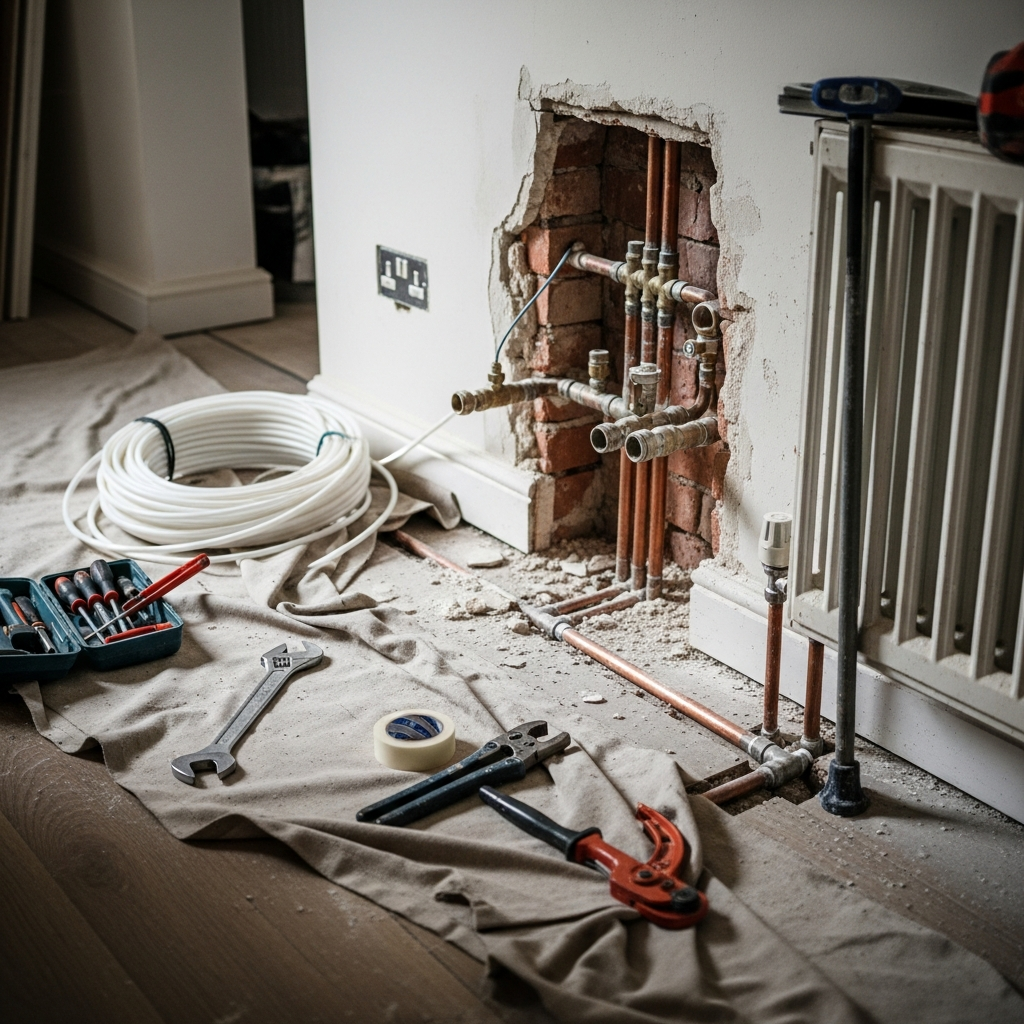
In many homes, some or all radiators need to be upsized. This adds cost (typically £200 to £400 per radiator, including fitting) and disruption. In a house that needs six radiators replaced, that is an extra £1,200 to £2,400 on top of the heat pump cost.
Context
Not every home needs new radiators. Many properties, especially those built after the 1990s with decent insulation, can manage with their existing radiators at slightly higher flow temperatures. A competent installer will do a room-by-room heat loss survey and tell you exactly which radiators (if any) need upgrading. Underfloor heating, where present, works beautifully with heat pumps and needs no changes.
4. Outdoor Unit Takes Up Space
An air source heat pump has an outdoor unit roughly the size of a large suitcase — typically 800mm to 1,000mm wide, 700mm to 900mm tall, and 300mm to 400mm deep. It needs clear airflow around it, so it cannot be boxed in tightly.
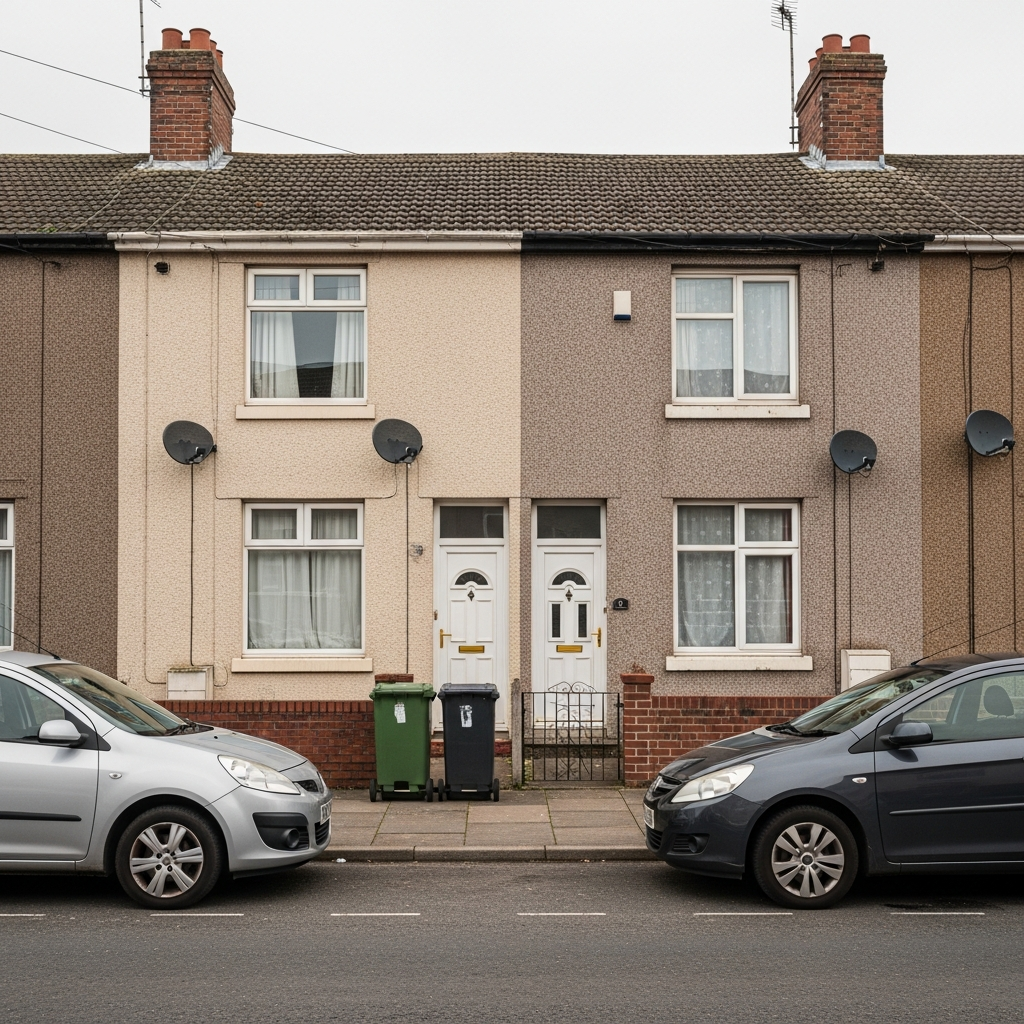
For homes with limited outdoor space — particularly terraced houses, flats, or homes where the only viable position is next to a neighbour's bedroom window — finding a suitable location can be challenging. Planning constraints, particularly in conservation areas or for listed buildings, can add further complications.
Context
Most detached and semi-detached houses have no difficulty finding space. Modern units are more compact than older models, and manufacturers are releasing increasingly slim designs. Permitted development rights cover most installations, so full planning permission is usually not required. But if your situation is tight on space, get a site survey before committing.
5. Noise From the Outdoor Unit
Air source heat pumps produce a low hum from the fan and compressor. Modern units typically run at 40 to 50 decibels at one metre — roughly the level of a quiet conversation or a fridge. This is considerably quieter than models from a decade ago, but it is not silent.
Noise is most noticeable in winter, when the heat pump works hardest and runs for longer periods. If the unit is positioned near a bedroom window (yours or a neighbour's), it can be audible at night. There are also MCS planning standards that require the unit to meet specific noise limits at the nearest neighbour's window.
Context
Proper installation is key. A unit mounted on anti-vibration feet, positioned away from reflective walls, and placed at a reasonable distance from bedrooms will rarely cause issues. The latest inverter-driven models ramp up and down smoothly rather than cycling on and off, which reduces both peak noise and perceived annoyance. Most homeowners report forgetting the unit is there after the first few weeks.
6. Performance Drops in Very Cold Weather
Heat pumps extract heat from outside air (or the ground). When air temperatures drop below freezing, an air source heat pump has to work harder and its efficiency falls. At minus 5°C, a unit that delivers a COP of 4.0 at 7°C might drop to a COP of 2.5.
This means the system uses more electricity precisely when you need the most heating. It does not stop working — modern units are rated to minus 20°C or beyond — but running costs per hour increase in cold snaps.
Context
The UK has a relatively mild climate. Sustained temperatures below minus 5°C are rare in most of England and Wales. Scandinavian countries with far harsher winters have adopted heat pumps widely and successfully. Ground source heat pumps avoid this issue entirely, as ground temperatures remain stable at around 10°C year-round.
7. Installation Is More Complex Than a Boiler Swap
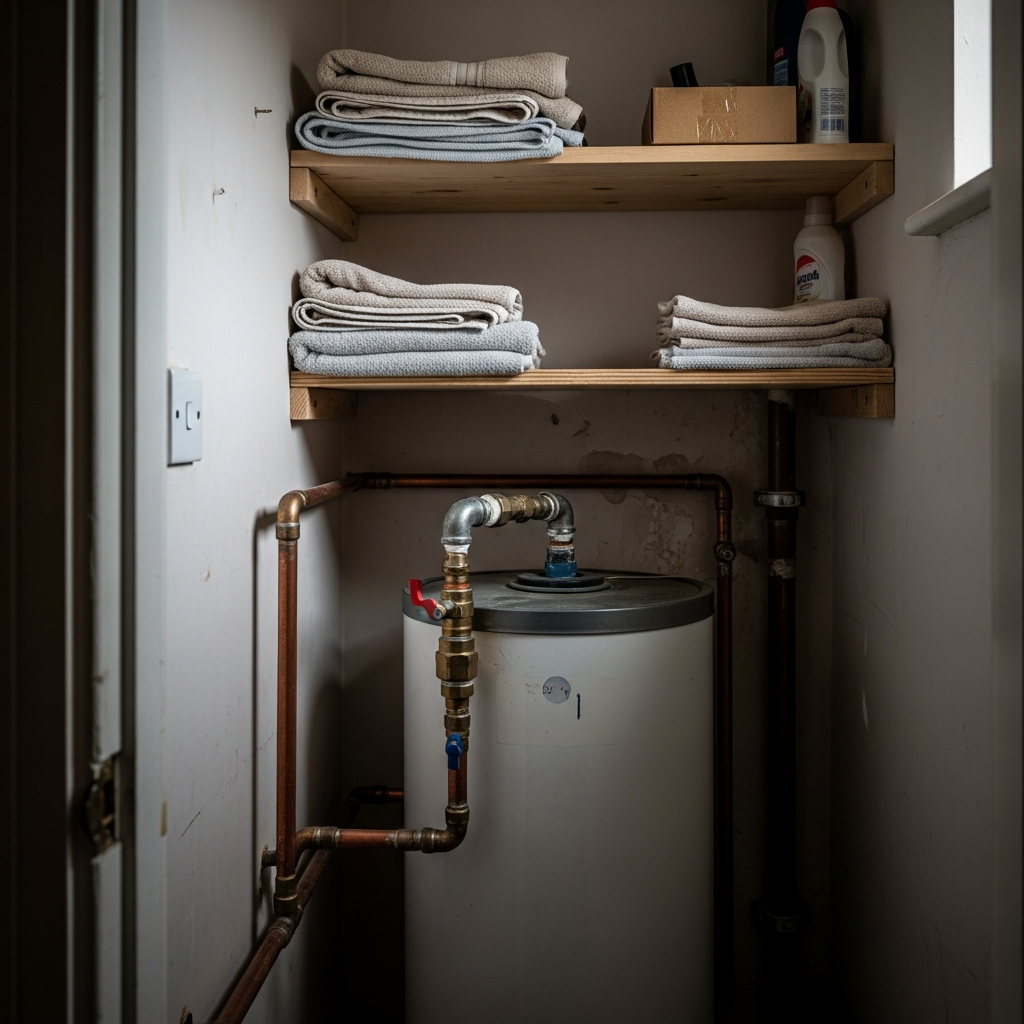
Replacing a gas boiler is a relatively straightforward job — often completed in a single day. A heat pump installation is a bigger project. It involves mounting the outdoor unit, running refrigerant pipework, connecting to the indoor heating system, fitting a hot water cylinder if you do not already have one, and commissioning the system. Most installations take two to three days.
You also need an MCS-certified installer, and depending on your area, wait times for reputable installers can stretch to several weeks or months. The installation process requires more planning and coordination than a boiler swap.
Context
The installer base is growing rapidly. In 2022, there were around 3,000 MCS-certified heat pump installers in the UK; by 2026, that number has more than doubled. More installers means shorter wait times, more competitive pricing, and better quality control. The process is more involved than a boiler swap, but a good installer manages everything for you.
8. Electricity Supply May Need Upgrading
Most UK homes have a single-phase electricity supply rated at 60 to 100 amps. A heat pump typically draws 3 to 6 kilowatts, which is manageable on most supplies. However, homes with older wiring, small consumer units, or existing high-draw appliances (electric showers, electric vehicle chargers) may need an upgrade to their main fuse or distribution board.
In rare cases — typically larger properties needing bigger heat pumps — a three-phase supply upgrade is needed, which can cost £1,000 to £3,000 and take weeks to arrange with the local distribution network operator.
Context
The vast majority of typical UK homes do not need a supply upgrade for a standard air source heat pump. Your installer should check this as part of the site survey. If an upgrade is needed, it is a one-off cost that benefits the property for all future electrical needs.
9. Not Ideal for Every Property
Heat pumps work best in well-insulated homes. A draughty Victorian terrace with solid walls, single glazing, and no loft insulation will have such high heat losses that any heating system will struggle — but a heat pump will struggle expensively, because it needs to run longer and at higher temperatures to compensate.
For poorly insulated homes, the advice is to improve insulation first (a "fabric-first" approach) before installing a heat pump. This adds cost and complexity to the overall project.
Context
This is genuinely good advice for any heating system, not just heat pumps. Insulating your home reduces heating demand regardless of the heat source. The suitability checker on this site can give you a quick indication of whether your home is ready for a heat pump or needs insulation work first.
10. Hot Water Takes Longer to Reheat
Gas boilers can heat a cylinder of water very quickly thanks to high flow temperatures. A heat pump heats water more slowly because it operates at lower temperatures. If your household uses a lot of hot water in quick succession — multiple showers followed by a dishwasher cycle, for example — you may notice the cylinder takes longer to recover.
Context
A correctly sized hot water cylinder (typically 200 to 300 litres for a family home) and a timed schedule that pre-heats water during off-peak electricity hours solves this for most households. The periodic Legionella cycle, which heats the cylinder to 60°C, can be handled by the heat pump's boost function or a small immersion heater backup.
So Should You Still Get a Heat Pump?
These disadvantages are real, and anyone telling you heat pumps are perfect is not being honest. But every heating system has drawbacks. Gas boilers produce carbon emissions, require annual safety checks, and face an uncertain future as the UK moves towards net zero. Oil boilers are expensive to run, need regular deliveries, and produce significant pollution.
The question is not whether heat pumps have disadvantages — they do. The question is whether the advantages outweigh them for your specific situation. For most UK homes in 2026, particularly with the £7,500 grant available, the answer is increasingly yes. But it pays to go in with your eyes open.
If you want a personalised assessment, try our heat pump calculator or use the suitability checker to see how your home stacks up. And if you are ready to explore costs, our guide to heat pump costs in the UK breaks down everything you will pay.
Frequently Asked Questions
What is the biggest disadvantage of a heat pump?
For most UK homeowners, the biggest disadvantage is the higher upfront cost compared to a gas boiler. Even after the £7,500 BUS grant, a heat pump installation typically costs more than a boiler replacement. However, lower running costs and a longer lifespan mean the total cost of ownership over 20 years often favours the heat pump.
Do heat pumps work in cold UK winters?
Yes. Modern air source heat pumps are rated to work at temperatures as low as minus 20°C. The UK rarely experiences sustained temperatures below minus 5°C. Efficiency does drop in colder weather, but the systems continue to heat your home effectively throughout winter.
Are heat pumps noisy?
Modern units run at around 40 to 50 decibels at one metre — similar to a quiet conversation. Proper positioning and anti-vibration mounting minimise any disturbance. Most homeowners find the noise unremarkable after the first few days.
Do I need to replace all my radiators for a heat pump?
Not necessarily. Many homes can use their existing radiators, sometimes with a slightly higher flow temperature. An installer will assess each room individually and recommend upgrades only where needed. Read our full guide on whether you need new radiators for a heat pump.
Will a heat pump save me money compared to gas?
It depends on your current gas usage, electricity tariff, and how well the heat pump is installed. In a well-insulated home with a properly sized system, running costs are broadly similar to gas and often lower. As electricity prices are expected to fall relative to gas, the savings should improve over time. Check our running costs guide for detailed figures.
Are heat pumps worth it in 2026?
For many UK homes, yes — especially with the BUS grant. The technology has matured, costs have fallen, and the installer base has grown. But they are not right for every property. Poorly insulated homes should address insulation first, and households with very limited outdoor space may find installation challenging. See our full assessment of whether heat pumps are worth it.