Home Heat Pump Guide

Heat Pump Regret: Why Some Owners Are Unhappy

Heat pumps are the future of home heating in the UK. The government, the Climate Change Committee, and the energy industry all agree on that. But not every heat pump installation is a success story. Some owners genuinely regret their decision — and their reasons deserve to be heard.

Understanding why heat pump regret happens is the best way to avoid it. In almost every case, the regret traces back to specific, preventable problems rather than any fundamental flaw in the technology itself. Here are the most common reasons, and what you can do to make sure they do not happen to you.

Reason 1: The Installation Was Poorly Done

This is the number one cause of heat pump regret in the UK. A poorly installed heat pump can underperform by 30-50%, turning what should be an efficient heating system into an expensive disappointment.

What Poor Installation Looks Like

  • No proper heat loss calculation: The installer guessed at the size of system needed rather than calculating the exact heat loss of the building room by room
  • Flow temperatures set too high: Running the heat pump at 55°C instead of 35-40°C because existing radiators were not checked or upgraded
  • Incorrect refrigerant charge: Too much or too little refrigerant drastically reduces efficiency
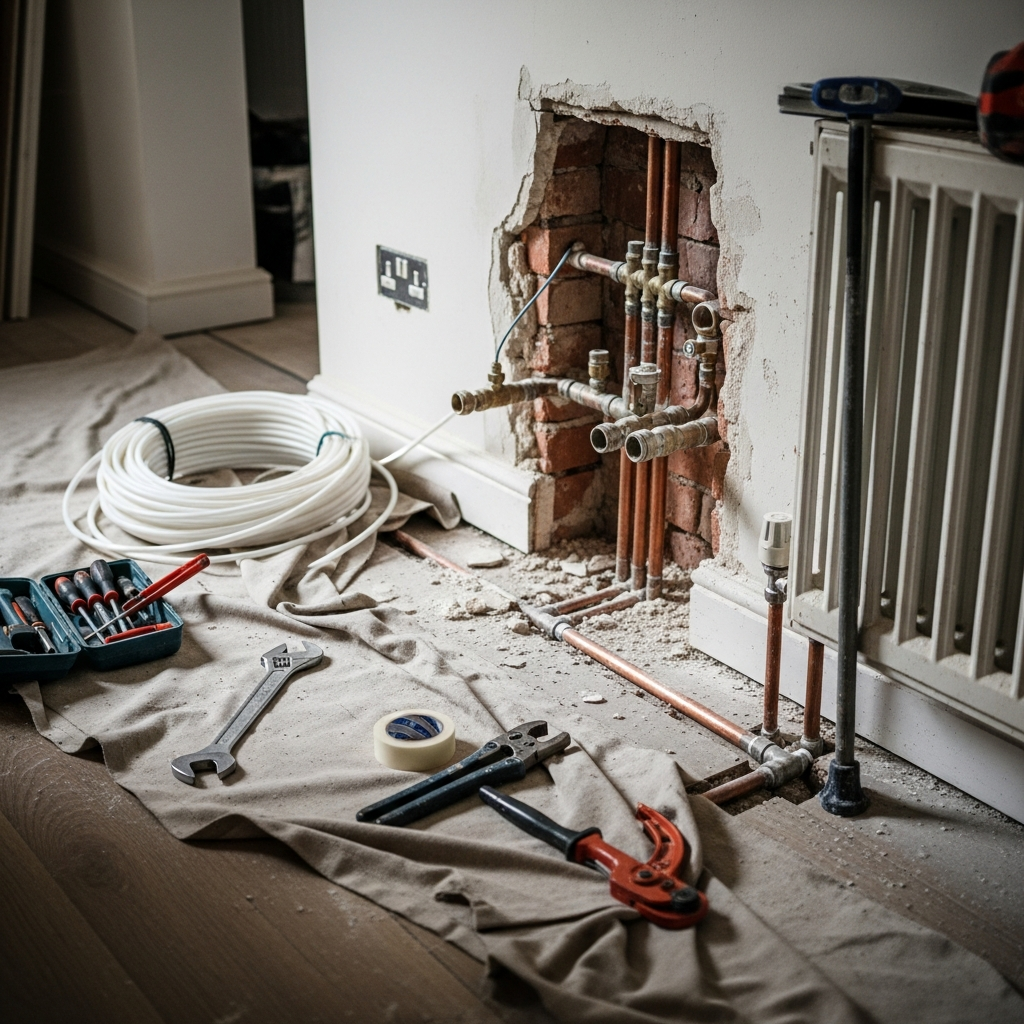
  • Poor pipework: Undersized pipes, excessive bends, or missing insulation on outdoor pipework
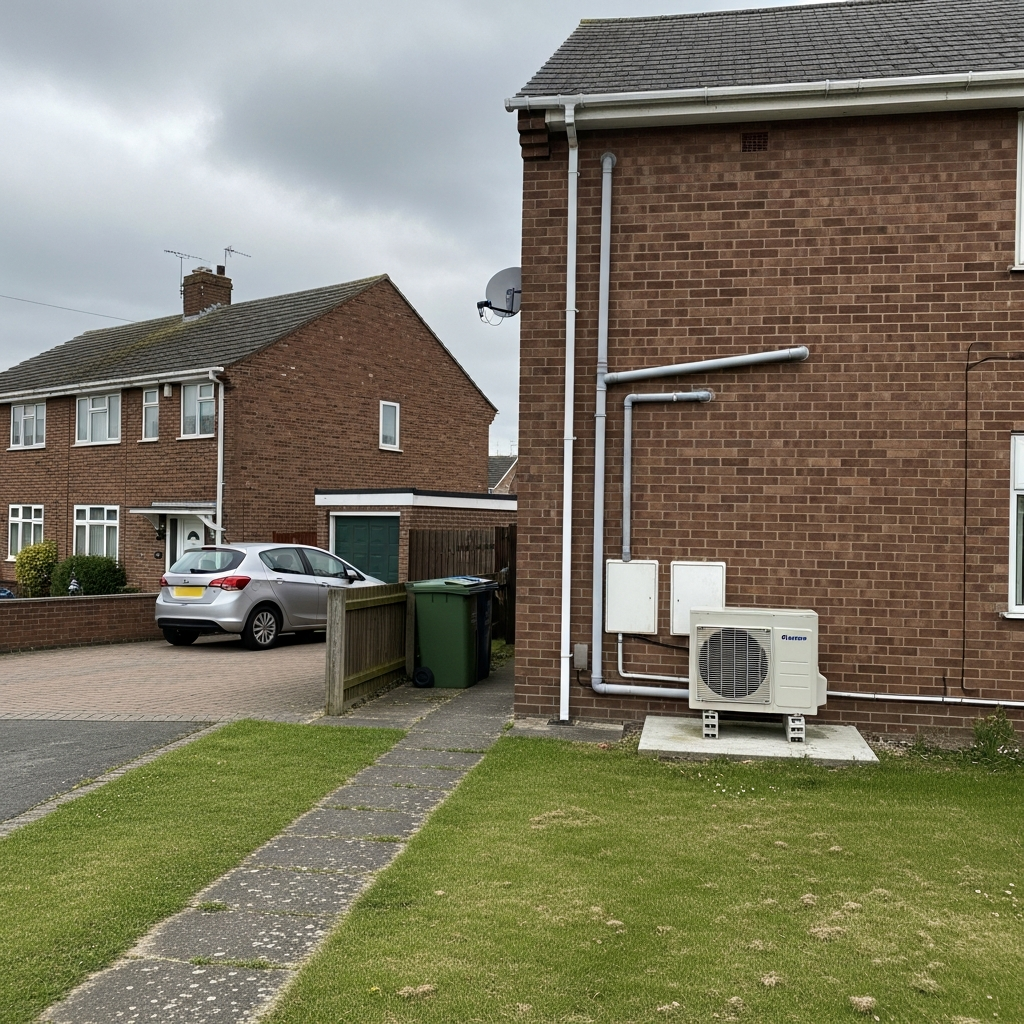
  • Bad placement: Unit installed in a corner with restricted airflow, against a bedroom wall, or in a position that causes noise issues

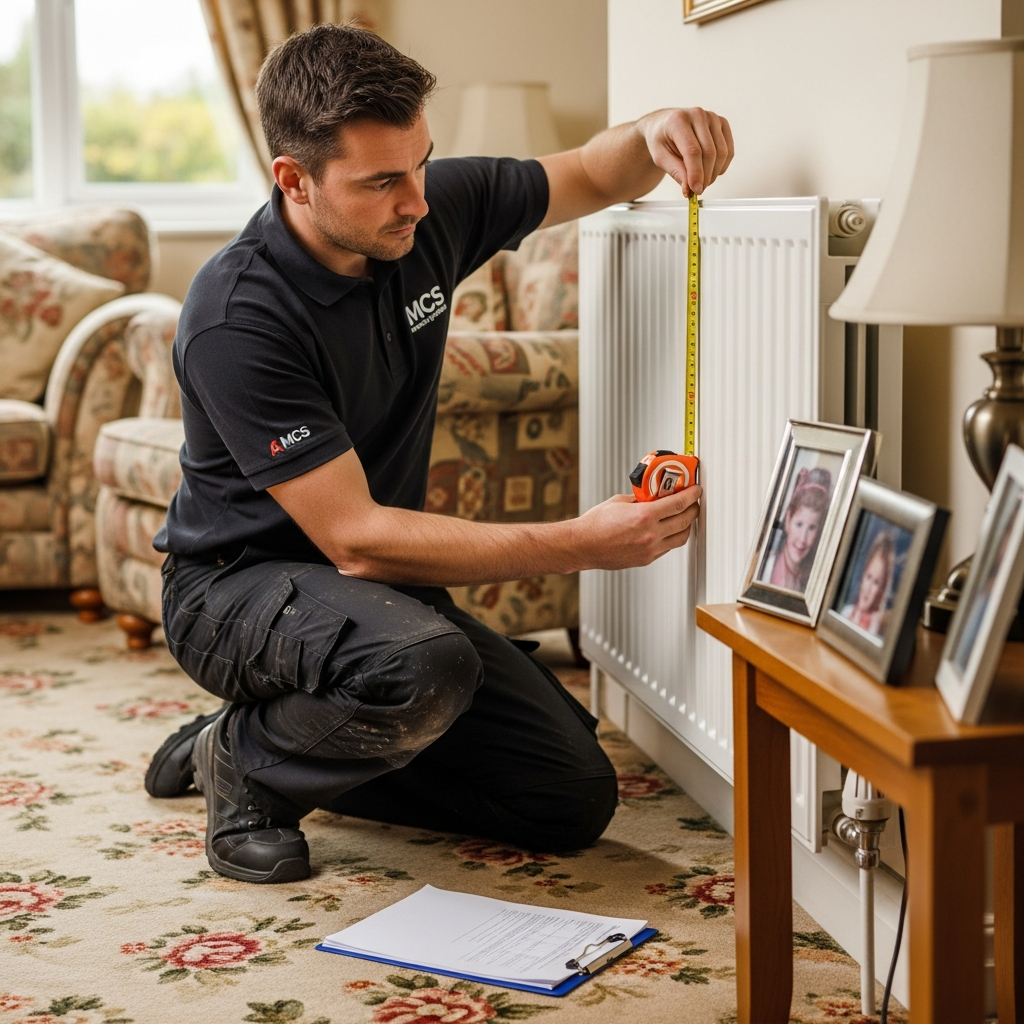
A proper heat pump installation should include a detailed heat loss survey, radiator assessment, and a design that optimises the system for your specific property. If an installer wants to quote without visiting your home, that is a red flag.

How to Avoid This

  • Only use MCS-certified installers — this is a requirement for the BUS grant
  • Ask to see the heat loss calculation before agreeing to proceed
  • Get at least three quotes and compare the detail, not just the price
  • Ask each installer what flow temperature they are designing for

Reason 2: The Heat Pump Was the Wrong Size

Sizing matters enormously with heat pumps — far more than with gas boilers. An oversized heat pump short-cycles (turns on and off frequently), which reduces efficiency and increases wear. An undersized heat pump cannot keep the house warm on the coldest days.

Signs Your Heat Pump Is the Wrong Size

  • Oversized: The system runs for 10-15 minutes then switches off, repeating this cycle constantly. Rooms overshoot the target temperature then cool down. Energy bills are higher than expected
  • Undersized: The house struggles to reach temperature on cold days. The backup immersion heater or electric element runs frequently. The heat pump runs at maximum output most of the time

Correct sizing requires a room-by-room heat loss calculation using actual measurements, insulation levels, window types, and ventilation rates. A system sized at, say, 8kW for a house that actually needs 6kW will waste energy. A system sized at 5kW for a house that needs 8kW will leave you cold.

Reason 3: The House Was Not Ready for a Heat Pump

Heat pumps work best in well-insulated homes. They deliver heat at lower temperatures than gas boilers, which means the building needs to retain that heat effectively. Owners who install a heat pump in a poorly insulated house often experience:

  • Higher running costs than expected
  • Rooms that never quite feel warm enough
  • The heat pump running constantly just to maintain temperature

Insulation Priorities Before Installing a Heat Pump

  • Loft insulation: Should be at least 270mm. This is cheap and easy to add
  • Cavity wall insulation: If your home has unfilled cavity walls, filling them is one of the most cost-effective improvements
  • Draught-proofing: Seal gaps around windows, doors, loft hatches, and pipework penetrations
  • Windows: Single glazing loses enormous amounts of heat. Double glazing is the minimum; triple glazing is ideal

Use our suitability checker to assess whether your home is ready for a heat pump or whether insulation improvements should come first.

Reason 4: Unrealistic Expectations About Running Costs

Some owners were told their running costs would be "the same as gas" or even cheaper. When the first winter bill arrived at £200-300 more than expected, disappointment followed.

The truth about heat pump running costs is nuanced. A well-installed heat pump in a well-insulated home, running on an appropriate electricity tariff, should cost roughly the same as gas to run — sometimes less. But the conditions matter:

  • Electricity costs roughly 3.5 times more per kWh than gas. The heat pump's efficiency (COP) must compensate for this price gap
  • A COP of 3.5 means you break even on fuel cost. Anything above 3.5 saves money versus gas
  • Real-world seasonal COPs (called SCOP) vary from 2.5 to 4.0+ depending on installation quality, home insulation, and climate

Our running cost calculator gives realistic estimates based on your property type, location, and insulation level. Use it before committing to avoid bill shock.

Reason 5: Radiators Were Not Upgraded

Heat pumps deliver water at 35-45°C. Standard radiators were designed for 60-70°C water from a gas boiler. If the radiators are not large enough to emit sufficient heat at lower temperatures, rooms will not reach comfortable temperatures.

Not every radiator needs replacing — a proper heat loss calculation will identify which ones are adequately sized and which need upgrading. In many homes, only 2-4 radiators need to be swapped for larger models or replaced with fan convectors. Learn more in our guide to whether you need new radiators for a heat pump.

Reason 6: The Noise Was Worse Than Expected

Some owners report that their air source heat pump is louder than they were led to believe, particularly during defrost cycles or when running at high output in cold weather.

Modern air source heat pumps are quiet — typically 40-45 dB at one metre. But placement is critical. A unit installed near a bedroom window, in a corner that amplifies sound, or without proper anti-vibration mounts can cause genuine disturbance.

If noise is a concern, consider a ground source heat pump, which operates almost silently because the compressor is housed indoors.

Reason 7: Poor Aftercare and Support

Several owners report that once the installation was complete, getting support from their installer was difficult. Questions about settings, performance optimisation, and troubleshooting went unanswered.

Good aftercare includes:

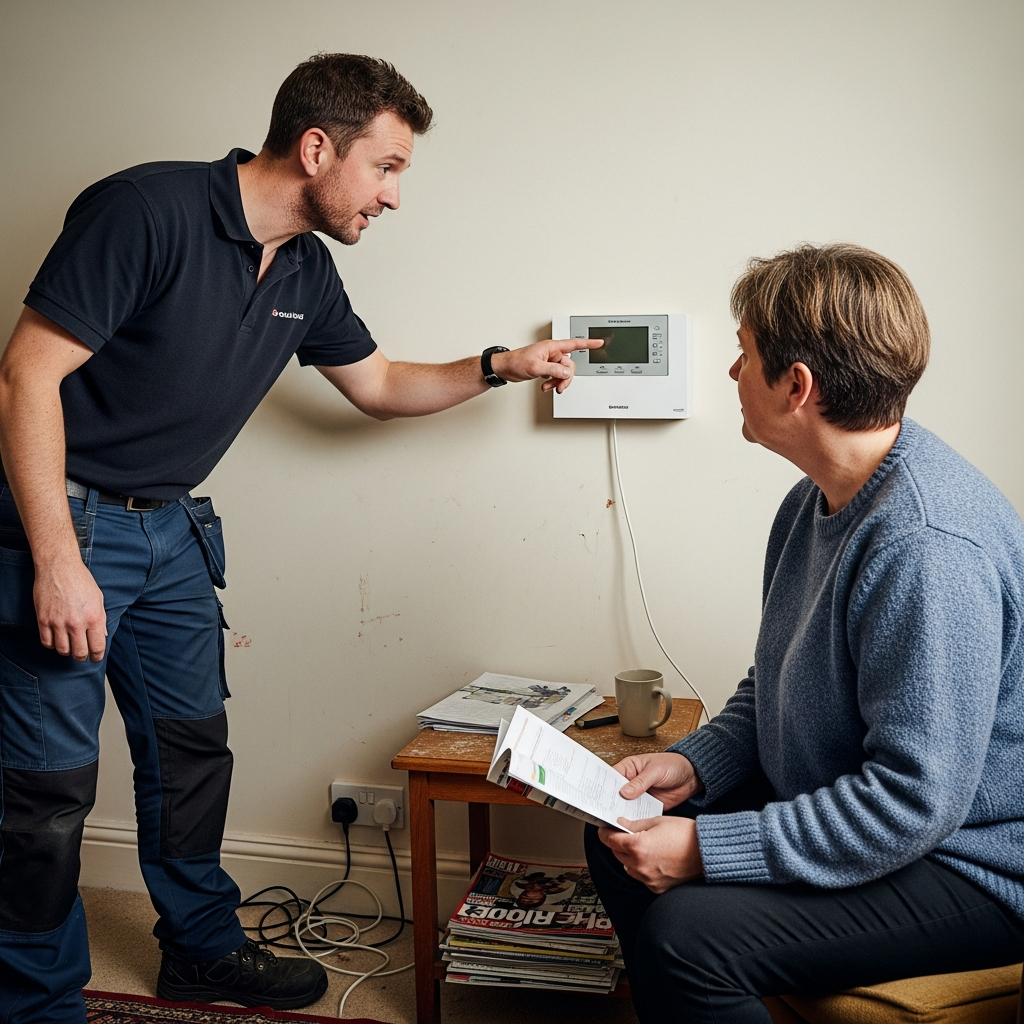
  • A handover session explaining how to operate the system and what to expect
  • Follow-up during the first winter to check performance and adjust settings
  • Annual servicing included or offered at a reasonable cost
  • Responsive customer support for any issues

Reason 8: They Chose the Cheapest Quote

The cheapest quote is almost never the best value when it comes to heat pumps. A £2,000 saving on installation can easily cost £500+ per year in higher running costs due to poor design, incorrect sizing, or unsuitable equipment.

When comparing heat pump costs, look at what is included in each quote: the heat loss calculation, radiator upgrades, hot water cylinder, controls, commissioning, and aftercare. A comprehensive quote from an experienced installer will deliver better results than a bare-bones quote from someone who is cutting corners.

How to Avoid Heat Pump Regret

The pattern in these regret stories is clear. In almost every case, the problem was preventable. Here is a summary of the key steps:

  1. Insulate first: Get your home to a reasonable level of insulation before installing a heat pump
  2. Choose your installer carefully: MCS certification, proven track record, detailed heat loss calculations, and good reviews
  3. Understand how heat pumps work: They are not boilers. They run at lower temperatures for longer periods. This is a feature, not a flaw
  4. Set realistic expectations: Use our calculator to estimate costs. Do not rely on an installer's optimistic projections alone
  5. Budget for the full system: Include radiator upgrades, a new hot water cylinder, and controls in your budget
  6. Learn to use the system: Spend time with the controls, understand weather compensation, and resist the urge to override the settings

Use our free quote comparison service to be matched with vetted, experienced MCS-certified installers in your area.

Frequently Asked Questions

What percentage of heat pump owners regret their decision?

Surveys consistently show that around 80-85% of heat pump owners in the UK are satisfied or very satisfied with their systems. The 15-20% who express regret almost always point to installation quality or insufficient insulation as the root cause, rather than the technology itself.

Can heat pump regret be fixed after installation?

In many cases, yes. Common fixes include reducing the flow temperature, upgrading undersized radiators, adding insulation, adjusting the heating schedule, and switching to a heat pump-friendly electricity tariff. A follow-up visit from a competent installer can often transform a disappointing system into one that performs well.

Is it true that heat pumps do not work well in older UK homes?

Heat pumps can work well in older homes, but insulation is critical. A Victorian terrace with solid walls will need more attention than a modern semi, but with appropriate insulation measures and correctly sized radiators, heat pumps can perform efficiently in most UK property types. Check your home's suitability with our assessment tool.

Should I avoid getting a heat pump because of these regret stories?

No. The regret stories are valuable because they highlight what can go wrong and how to avoid it. A well-installed heat pump in a well-insulated home, by a competent installer, is a reliable and efficient heating system. The key is learning from others' mistakes.

What is the most important thing I can do to avoid heat pump regret?

Choose your installer carefully. The quality of the installation is the single biggest factor in whether you will be happy with your heat pump. An excellent installer will ensure the system is correctly sized, the radiators are adequate, the controls are optimised, and you understand how to use it.